Villa Serego in San Pietro in Cariano is a 16th-century Palladian villa designed by Andrea Palladio, nestled among the vineyards of Valpolicella. It remains owned by the Serego family and is actively involved in wine production, offering an authentic experience away from tourist crowds. Its strategic location just minutes from Verona makes it ideal for a peaceful visit.
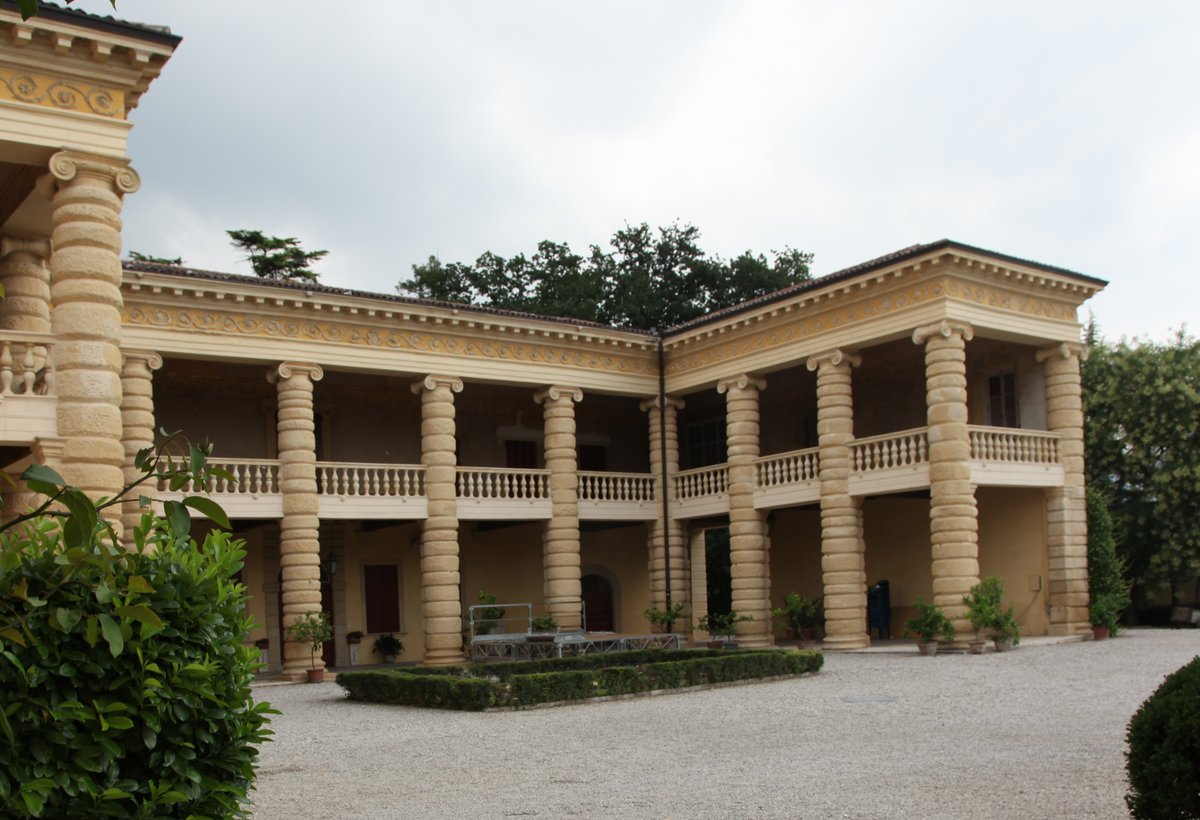
- Palladian architecture featuring Ionic columns, open loggias, and an integrated side barchessa
- Historic vineyards producing Valpolicella Classico and Amarone, with cellar tastings available
- Privately owned and still inhabited, with original frescoes and an authentic Renaissance atmosphere
- Located in the heart of Valpolicella, just minutes from Verona yet immersed in the countryside
Introduction
Imagine a place where Renaissance architecture blends with the gentle slopes of the Valpolicella vineyards: this is Villa Serego in San Pietro in Cariano. It’s not just a villa, but an experience that envelops you with its elegant yet rustic atmosphere. As you pass through the gate, you’re greeted by a perfect harmony between Palladian grandeur and the surrounding wine-growing landscape. Here, every corner tells a story of art, wine, and tradition, making the visit an unforgettable moment for those seeking authenticity. The villa, with its clean lines and studied proportions, seems to emerge naturally from the hills, creating a visual impact that leaves a lasting impression. It’s the ideal place to disconnect from the hustle and bustle and immerse yourself in an atmosphere of bygone times, where time seems to flow more slowly.
Historical Background
The history of Villa Serego begins in the
16th century, when the noble Serego family commissioned the project to Andrea Palladio, the renowned Venetian architect. Palladio designed the villa as part of his treatise “The Four Books of Architecture,” making it an iconic example of his style. Over the centuries, the villa has maintained its original function as an agricultural center and noble residence, undergoing various restoration phases that have preserved its integrity. Today, it is still owned by descendants of the Serego family, who continue to manage the attached winery, producing premium wines such as Amarone. Its history is intertwined with that of Valpolicella, demonstrating how art and agriculture can coexist in perfect harmony.
- 16th century: Design by Andrea Palladio for the Serego family
- Subsequent centuries: Maintenance as a residence and agricultural estate, with conservation interventions
- Today: Family-owned property active in wine production and open to the public for visits
Palladian Architecture and Unique Details
Walking through Villa Serego, you’ll immediately notice the classic Palladian elements: the rigorous symmetry, Ionic columns, and spacious loggias opening onto the landscape. But what makes it special are the specific details, such as the side barchessa that integrates perfectly with the surrounding rural buildings, a rare example of functional and aesthetic architecture. Inside, the rooms preserve original frescoes and vaulted ceilings, while the exterior is embraced by an informal garden that enhances the naturalness of the place. Don’t miss the view from the main loggia, which offers a breathtaking panorama of the vineyards and hills of Valpolicella. These elements are not merely decorative but tell the story of daily life in times past, when the villa was the beating heart of agricultural activity.
Vineyards and Wine Production
A visit to Villa Serego is not complete without exploring its historic vineyards, which surround the property and produce grapes for renowned wines such as Valpolicella Classico and Amarone. The rows follow the natural curves of the hills, creating a landscape that changes with the seasons, from the intense green of spring to the golden hues of autumn. Here, you can taste the wines directly in the cellar, participating in guided tastings that explain traditional production techniques, such as the drying of grapes for Amarone. The experience allows you to see firsthand the connection between the land and the product, making the villa a reference point for wine enthusiasts. It is a unique opportunity to discover how architecture and viticulture have supported each other for centuries.
Why Visit It
Visiting Villa Serego is worthwhile for three concrete reasons. First, it is one of the few examples of a Palladian villa still inhabited and productive, offering an authentic, non-museum-like experience. Second, the combination of art and wine allows you to delve into two fundamental aspects of Veneto culture in one place, with tastings that enrich the visit. Third, the tranquil atmosphere immersed in greenery makes it perfect for a rejuvenating break, away from tourist crowds. Here, you can truly feel part of history, walking among Renaissance architecture and vineyards that smell of tradition.
When to Visit
To experience Villa Serego at its best, I recommend visiting in spring or autumn. In spring, the vineyards are in bloom and the air is fresh, perfect for strolling through the gardens and admiring the architecture in the soft light. In autumn, the vines turn shades of red and gold, creating a unique chromatic spectacle, and you can witness the grape harvest, breathing in the atmosphere of work in the fields. Avoid the hottest hours of summer, preferring early morning or late afternoon when the light is more evocative and the heat is less intense. During these seasons, the villa reveals all its magic, offering moments of pure beauty.
In the Surroundings
After Villa Serego, explore the surroundings to complete your Valpolicella experience. Just minutes away, you’ll find the Sanctuary of Santa Maria di Valverde in Marano di Valpolicella, a place of worship with medieval frescoes and an intimate atmosphere. For wine enthusiasts, a stop at one of the historic wineries in the area, such as those in Negrar or Fumane, allows you to compare different productions and discover other charming spots. These places, together with the villa, create a thematic itinerary that combines art, spirituality, and enology, making for a rich and varied day.