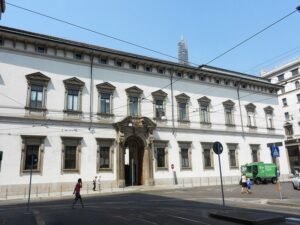
La Scala Theatre: Golden Boxes, Perfect Acoustics and Theatre Museum

La Scala Theatre, inaugurated in 1778, is a symbol of Milan with a horseshoe-shaped hall featuring perfect acoustics and golden boxes. The Theatre Museum displays historical stage costumes and musical instruments. Opera tickets sell out quickly, but affordable options like standing places and backstage guided tours are available.

  • Horseshoe-shaped hall with golden boxes and crystal chandelier with 383 bulbs
  • Theatre Museum with historical stage costumes, musical instruments and portraits of composers
  • Perfect acoustics meticulously designed for opera performances
  • Affordable standing tickets and backstage guided tours as alternatives


Events nearby


Copertina itinerario La Scala Theatre: Golden Boxes, Perfect Acoustics and Theatre Museum
La Scala Theatre in Milan: Horseshoe-shaped hall with golden boxes, Theatre Museum with historical costumes, affordable standing tickets and backstage guided tours. Inaugurated in 1778.

Good to know


Introduction

Crossing the threshold of the Teatro alla Scala is a breathtaking experience. It’s not just a theatre; it’s an emotion you can feel in the air, among the gilded foyer and the deep red of the boxes. Here, every detail tells centuries of music and passion. The hall, with its perfect acoustics, envelops you even when empty, letting you imagine the voices of the greatest tenors and sopranos who have graced this stage. Milan without La Scala would be like a sky without stars: it would lack that cultural sparkle that makes it unique in the world. If you love opera or are simply curious, this place will gift you an unforgettable atmosphere, where art and history blend into timeless harmony.

Historical Background

The history of La Scala Theatre begins in 1778, when it was inaugurated after a fire destroyed the previous Teatro Regio Ducale. Designed by Giuseppe Piermarini, it quickly became the heart of Milan’s cultural life. Over the years, it has hosted composers like Giuseppe Verdi, who debuted here with memorable operas, and legendary conductors like Arturo Toscanini. During World War II, it suffered significant damage but was faithfully reconstructed, reopening in 1946 with a concert conducted by Toscanini himself. Today, it continues to be a symbol of musical excellence, hosting international opera seasons and keeping alive the tradition that made it famous.

  • 1778: Inauguration of the theatre, designed by Giuseppe Piermarini.
  • 19th century: Becomes the preferred stage for Giuseppe Verdi and other great composers.
  • 1943: Severe damage during World War II bombings.
  • 1946: Reopening with a concert conducted by Arturo Toscanini.
  • Today: Home to one of the world’s most prestigious opera seasons.

Behind the Scenes: The Theatre Museum

Next to the main hall, the Theatre Museum at La Scala is an unmissable stop that reveals the secrets of the theatre. Here you can admire an extraordinary collection of stage costumes, ancient musical instruments, and original sketches of set designs. Particularly fascinating are the rooms dedicated to Maria Callas and Arturo Toscanini, with personal items that tell the stories of their lives and careers. Don’t miss the Portrait Gallery, where paintings and sculptures celebrate the great artists who made La Scala’s history. It’s a journey through time that helps you understand the work and passion behind every performance, enriching your visit with details that go beyond the stage.

Perfect Acoustics and Gilded Balconies

One of La Scala’s marvels is its perfect acoustics, meticulously designed to make every note resonate with crystal clarity. The horseshoe-shaped hall, with its six tiers of balconies, is not only elegant but functional: it ensures an optimal view from every angle. The balconies, adorned with gilded stucco and red velvet, were once owned by Milanese noble families, who used them to socialize during performances. Today, some are accessible to the public, offering an intimate and privileged experience. Attending an opera from here means experiencing tradition firsthand, immersed in an atmosphere that uniquely blends luxury and art.

Why Visit It

Visiting La Scala Theatre is worthwhile for at least three concrete reasons. First, it’s an opportunity to experience the history of opera firsthand, exploring a place that has shaped generations of artists. Second, even if you’re not an opera enthusiast, the architecture and atmosphere are so evocative they’ll leave you breathless: the gilded details, sparkling chandeliers, and the grandeur of the hall create an unforgettable visual experience. Third, the attached museum offers unique insights, such as stage costumes and memorabilia from great conductors, making the visit both educational and engaging. In short, it’s a total immersion into culture, perfect for those seeking more than just a tourist attraction.

When to Go

To experience the magic of La Scala, the most enchanting moment is during an opera premiere evening, when the atmosphere fills with anticipation and elegance. Opera theaters have a special charm at night, with lights illuminating the neoclassical facade and evening-gowned crowds gathering at the entrance. If you prefer to avoid crowds, consider weekday mornings when the theater is quieter, allowing you to appreciate architectural details at leisure. Generally, avoid peak tourist seasons for a more intimate experience, but remember that attending a performance is always a unique thrill, regardless of timing.

In the Surroundings

After visiting La Scala, take the opportunity to explore the Fashion Quadrilateral, just a few steps from the theatre. Here you’ll find luxury and historic boutiques, perfect for some shopping or simply admiring the elegant window displays. Another nearby thematic experience is the Museo del Novecento, located in the Palazzo dell’Arengario in Piazza Duomo: it houses a collection of 20th-century Italian art, ideal for continuing your journey into Milanese culture. Both places are easily accessible on foot and enrich the day with a mix of art, fashion, and history, typical of Milan’s vibrant spirit.

Itineraries nearby


💡 Did You Know…?

Did you know that the central chandelier in the hall weighs over a ton and is made up of 383 light bulbs? During World War II, the theatre was severely damaged by bombings, but it was rebuilt in just two years, reopening in 1946 with a concert conducted by Arturo Toscanini. Another interesting fact: tradition holds that the first performance of the season, the ‘La Scala Opening Night’, is always on December 7th, the feast day of Saint Ambrose, Milan’s patron saint. This event attracts personalities from around the world and is broadcast live on television.