Milan Cathedral: Panoramic Terraces, 3400 Statues and Candoglia Marble

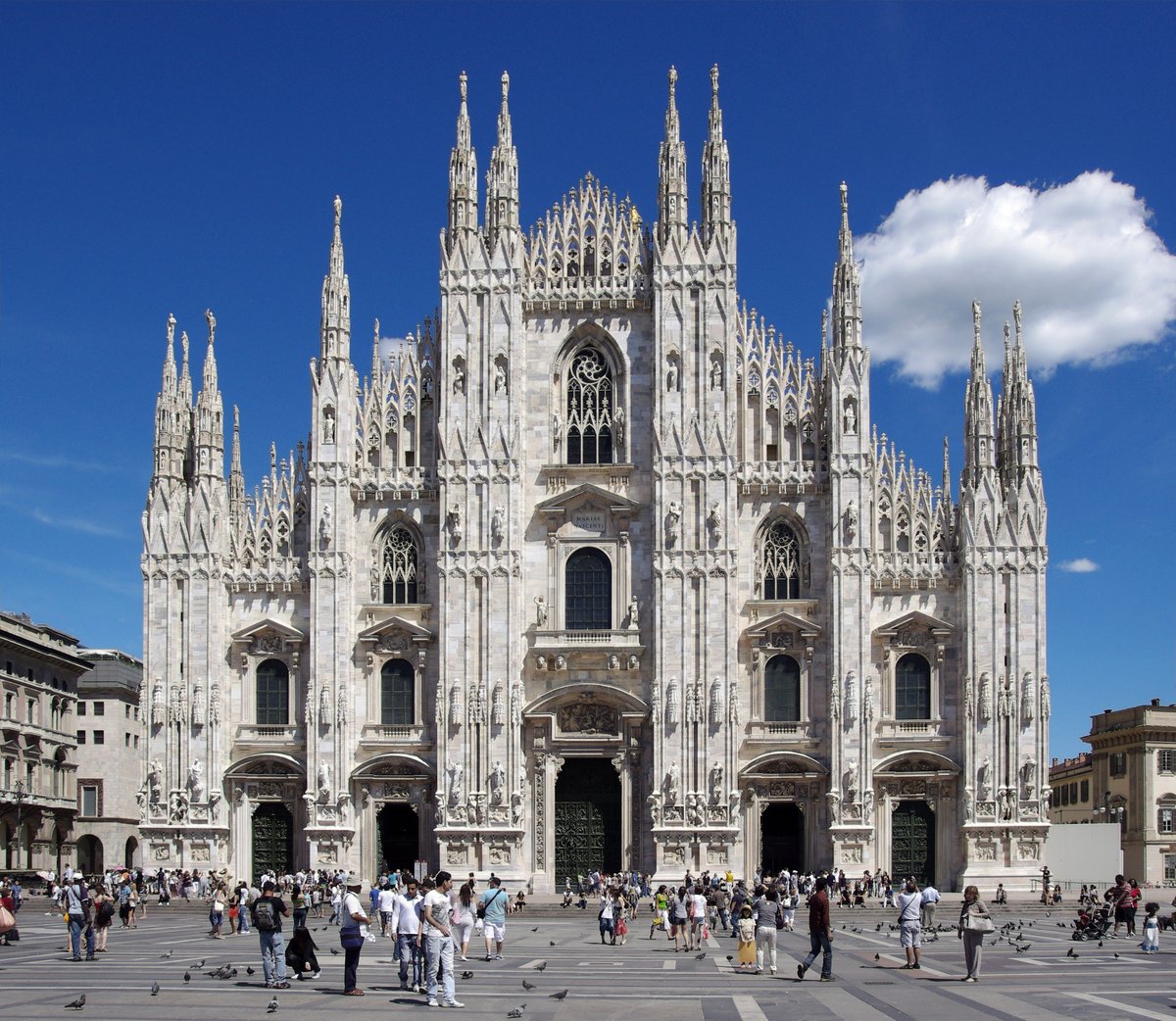
Milan Cathedral is a Gothic masterpiece with over 3400 statues and 135 spires. Climbing to the terraces offers a unique panoramic view of the city, with the chance to see the golden Madonnina up close and, on clear days, the Alps on the horizon. Booking tickets online allows you to skip the long queues, especially on weekends.

  • Panoramic terraces accessible on foot or by elevator with views of Milan and the Alps
  • Majestic interior with high naves and stained glass windows creating plays of light
  • Online tickets to avoid queues, with options for the cathedral, terraces and museum
  • Archaeological excavations and Cathedral Treasury that tell the story of Milan


Events nearby


Copertina itinerario Milan Cathedral: Panoramic Terraces, 3400 Statues and Candoglia Marble
Visit the Gothic cathedral with access to the terraces to see the Madonnina and the Alps. Online tickets to avoid queues, interior with stained glass windows and archaeological excavations.

Good to know


Introduction

Milan Cathedral is not just a cathedral: it’s an experience that takes your breath away. As soon as you exit the metro, you find yourself facing that white marble facade that seems sculpted from light, with its spires disappearing into the sky. It’s impossible not to be left speechless, even if you’ve seen it a thousand times in photos. Inside, the atmosphere is solemn and majestic, with the colorful stained-glass windows creating magical plays of light. For me, visiting the Duomo means immersing yourself in history and art, but also feeling the beating heart of Milan. It’s the symbol of the city, and seeing it in person is an emotion you won’t easily forget. If you’re here for the first time, prepare to be captivated by this Gothic wonder that dominates Piazza del Duomo.

Historical Overview

The construction of Milan Cathedral is a long and fascinating story that began in 1386 at the behest of Gian Galeazzo Visconti. Work continued for centuries, with architects and artists taking turns, leaving their mark on every detail. In 1418, the high altar was consecrated, but the façade was only completed in the nineteenth century under Napoleon. An interesting fact: the golden Madonnina atop the main spire was placed in 1774 and, by tradition, remains the highest point in Milan. Today, the cathedral is a blend of styles, from Gothic to Neo-Gothic, telling centuries of devotion and art.

  • 1386: Construction begins under Gian Galeazzo Visconti
  • 1418: Consecration of the high altar
  • 1774: Placement of the golden Madonnina
  • 1813: Completion of the main façade
  • 1965: Last bronze door added

Climbing the Terraces: A Breathtaking View

If you think the Duomo is beautiful from the outside, wait until you climb its terraces. You can choose between stairs or elevator, but in either case, the reward is incredible. Up there, you walk among spires and statues, with Milan spread out at your feet. On clear days, you can see the Alps on the horizon, and the view over Piazza del Duomo is spectacular. The terraces are accessible with a separate ticket or included in some combined options, and I recommend booking online to avoid queues. It’s a unique experience that lets you appreciate the grandeur of this monument from a different perspective. Bring a camera: every corner offers a postcard-perfect shot.

Tickets and Tips to Avoid the Queues

Visiting the Duomo without waiting in line for hours is possible with proper planning. Tickets are divided into different options: entry to the cathedral, access to the terraces (by stairs or elevator), and a visit to the Duomo Museum. My advice is to book online on the official website, where you can choose your time slot and skip the line. To save money, the stairs to the terraces cost less than the elevator, but be prepared for 251 steps. Note: appropriate attire is required inside (covered shoulders and trousers or skirts below the knee). Bring an ID for reduced-price tickets. Avoid weekends and peak hours if you want to enjoy it more peacefully.

Why Visit It

Milan Cathedral is worth visiting for at least three concrete reasons. First, it is a masterpiece of Gothic architecture with over 3,400 statues and 135 spires, a detail that makes it unique in the world. Second, the terraces offer a panoramic view of Milan that you won’t find anywhere else, perfect for unforgettable photos. Third, its location in the heart of the city makes it the ideal starting point for exploring Milan, with the shops of Via Torino and the Galleria Vittorio Emanuele II just steps away. Additionally, its centuries-old history transports you on a journey through time, from the Milan of the Visconti to the modern city.

When to Go

To experience the Duomo in the most enchanting way, I recommend going early in the morning, right when it opens. The atmosphere is more peaceful, the sunlight streaming through the stained-glass windows creates magical effects, and the lines are minimal. If you prefer the terraces, sunset is a delightful time, with the sky turning pink and orange over Milan. In winter, the evening lighting makes the marble even more sparkling, while in spring and autumn the weather is ideal for being outdoors. Avoid the hottest hours during the summer months, as it can get stuffy inside and the terraces become crowded.

In the Surroundings

After visiting the Duomo, explore the surroundings to enrich your day. Just a few steps away is the Galleria Vittorio Emanuele II, Milan’s elegant salon with its historic shops and the mosaic bull to step on for good luck. A little further on, the Museo del Novecento offers a modern art collection with a breathtaking view of the square from its terrace. If you love shopping, Via Torino is full of boutiques and typical shops. For a tasty break, stop at one of the Galleria’s bars for an aperitif or coffee, immersed in the elegance of the 19th century.

Itineraries nearby


💡 Did You Know…?

Did you know that the statue of the Madonnina atop the Cathedral is covered in gold? By tradition, no building in Milan can surpass it in height. Another interesting detail: the Candoglia marble used for construction arrived by water from Lake Maggiore via the Navigli, a system of canals that once served precisely to transport materials. And if you look closely, among the thousands of statues, you’ll find one depicting Napoleon Bonaparte: he wanted the facade completed in 1805 for his coronation as King of Italy.