Piazza del Duomo Milan: Gothic Cathedral, Galleria and Royal Palace in the Heart of the City

Piazza del Duomo is the symbolic center of Milan, home to the Gothic Cathedral with over 3,400 statues, the Galleria Vittorio Emanuele II with historic shops, and the Royal Palace. The square is always lively and offers breathtaking views from the Cathedral terraces.

  • Milan Cathedral: Gothic cathedral with 135 spires, 3,400 statues, and accessible panoramic terraces
  • Galleria Vittorio Emanuele II: Milan’s drawing room with mosaics, luxury boutiques, and historic cafés
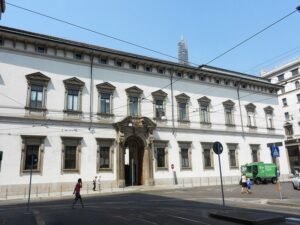
  • Royal Palace: Venue for important temporary exhibitions and cultural events
  • Vibrant atmosphere: Always bustling meeting point, ideal for observing Milanese life

Copertina itinerario Piazza del Duomo Milan: Gothic Cathedral, Galleria and Royal Palace in the Heart of the City
Piazza del Duomo Milan hosts the Cathedral with 135 spires and panoramic terraces, the Galleria Vittorio Emanuele II with historic mosaics, and the Royal Palace for exhibitions. Starting point for exploring Milan.

Good to know


Introduction

Piazza del Duomo in Milan is not just a square; it’s the beating heart of the city, the point where everything converges. As soon as you set foot there, you’re immediately struck by the majesty of the Duomo, with its spires rising against the sky, and the vibrant atmosphere of people strolling, taking photos, or enjoying a coffee. It’s the symbolic place of Milan, where history, art, and daily life blend into one unforgettable scene. Here, you truly feel the energy of the metropolis, surrounded by masterpieces like the Galleria Vittorio Emanuele II and the Royal Palace. It’s the perfect place to start any visit to Milan because from here, the most important streets radiate, and you breathe the authentic soul of the city.

Historical Overview

The history of Piazza del Duomo is closely tied to the construction of the cathedral, which began in 1386 at the behest of Gian Galeazzo Visconti, who sought to give Milan a symbol of power. The square has undergone numerous transformations over time: in the 18th century, under Maria Theresa of Austria, it was redesigned in neoclassical forms, while in the 19th century it was expanded to accommodate the Galleria Vittorio Emanuele II, inaugurated in 1877. During World War II, the area suffered damage but was promptly rebuilt, becoming the civic and tourist hub we know today. It has always been the stage for historical events, from coronations to modern celebrations.

  • 1386: Construction of the Duomo begins
  • 1770: Neoclassical renovation of the square
  • 1877: Inauguration of the Galleria Vittorio Emanuele II
  • 1965: Completion of the Duomo’s facade

The Duomo: Among Spires and Terraces

Milan Cathedral is a masterpiece of International Gothic architecture that will leave you in awe. With over 3,400 statues, 135 spires, and a facade made of Candoglia marble, every detail tells a story. Don’t miss the climb to the terraces: take the elevator or tackle the 251 steps to enjoy a breathtaking view of Milan, with the spires so close you can almost touch them. Inside, admire the colorful stained-glass windows, the Holy Nail from the Cross, and the statue of Saint Bartholomew Flayed. It’s an experience that combines spirituality, art, and unique panoramas, perfect for understanding why this place is so beloved.

Galleria Vittorio Emanuele II: Milan’s Drawing Room

Walking through Galleria Vittorio Emanuele II feels like stepping into an elegant and historic drawing room. Built between 1865 and 1877, it connects Piazza del Duomo to Piazza della Scala with a cross-shaped structure covered by glass vaults and adorned with mosaics. Here you’ll find luxury boutiques, historic cafés like Camparino, and iconic restaurants. Don’t forget to spin on the heel of the bull in the central mosaic—a tradition said to bring good luck! The Galleria is a symbol of the Italian Risorgimento and a place where shopping blends with culture, perfect for a break or to admire 19th-century architecture.

Why Visit It

Visiting Piazza del Duomo is worthwhile for at least three practical reasons. First, it’s the ideal starting point for exploring Milan: from here, you can walk to attractions like La Scala Theatre or Sforza Castle. Second, it offers diverse experiences: you can admire sacred art in the Duomo, go shopping in the Galleria, or simply observe city life. Third, it’s accessible to everyone, with pedestrian areas that make it family-friendly and full of services like info points and cafes. It’s a place that captures the essence of Milan at a single glance.

When to Go

To experience Piazza del Duomo at its best, avoid the busy afternoon peak hours when it’s most crowded. The most enchanting time is early morning, right after the Duomo opens: the low-angle light illuminates the marble facade, the atmosphere is peaceful, and you can enjoy the terraces at a leisurely pace. Alternatively, consider visiting in the evening, when the lights create a magical ambiance and the square becomes slightly less crowded. Throughout the year, the less chaotic periods are autumn and early spring, when the weather is mild and there are fewer tourists.

In the Surroundings

After Piazza del Duomo, explore the Quadrilatero della Moda, just a short walk away, where you’ll find streets like Via Montenapoleone and Via della Spiga, filled with high-end fashion boutiques and a chic atmosphere. For a cultural experience, head to the Museo del Novecento, located in the Palazzo dell’Arengario right on the square, which houses a rich collection of 20th-century Italian art with a spectacular view of the Duomo from its terrace. Both locations enrich your visit with style and art, without straying far from the heart of Milan.

💡 Did You Know…?

Did you know that the Madonnina atop the cathedral is 4.16 meters tall and was placed there in 1774? By tradition, no Milanese building can exceed its height. Another interesting detail: the bull mosaic in Galleria Vittorio Emanuele II is considered lucky: spinning three times on its attribute with your right heel brings good fortune, so much so that the floor has worn down in that spot. The square has witnessed historical events like Napoleon’s coronation in 1805 and today hosts the traditional New Year’s concert.