
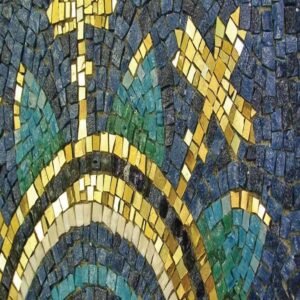
The Roman Port of Classe, founded by Augustus in the 1st century BC, was the strategic military and commercial port of Ravenna when it became the capital of the Western Roman Empire. Walk among the remains of ancient warehouses (horrea) and docks, imagining ships transporting grain, oil, and goods. The site offers a unique perspective on Roman maritime power, complementing the city’s famous Byzantine mosaics.
- Authentic remains: Foundations of original Roman port warehouses and docks.
- Open and safe space: Flat and wide path, suitable even for families with children.
- Clear explanatory panels: Captions that guide the visit without excessive technicalities.
- Unique historical context: Crucial site when Ravenna was an imperial capital, with capacity for 250 ships.
Events nearby

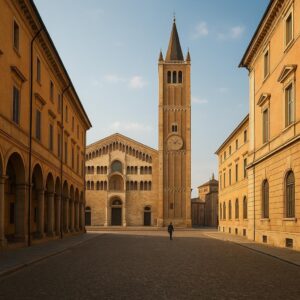
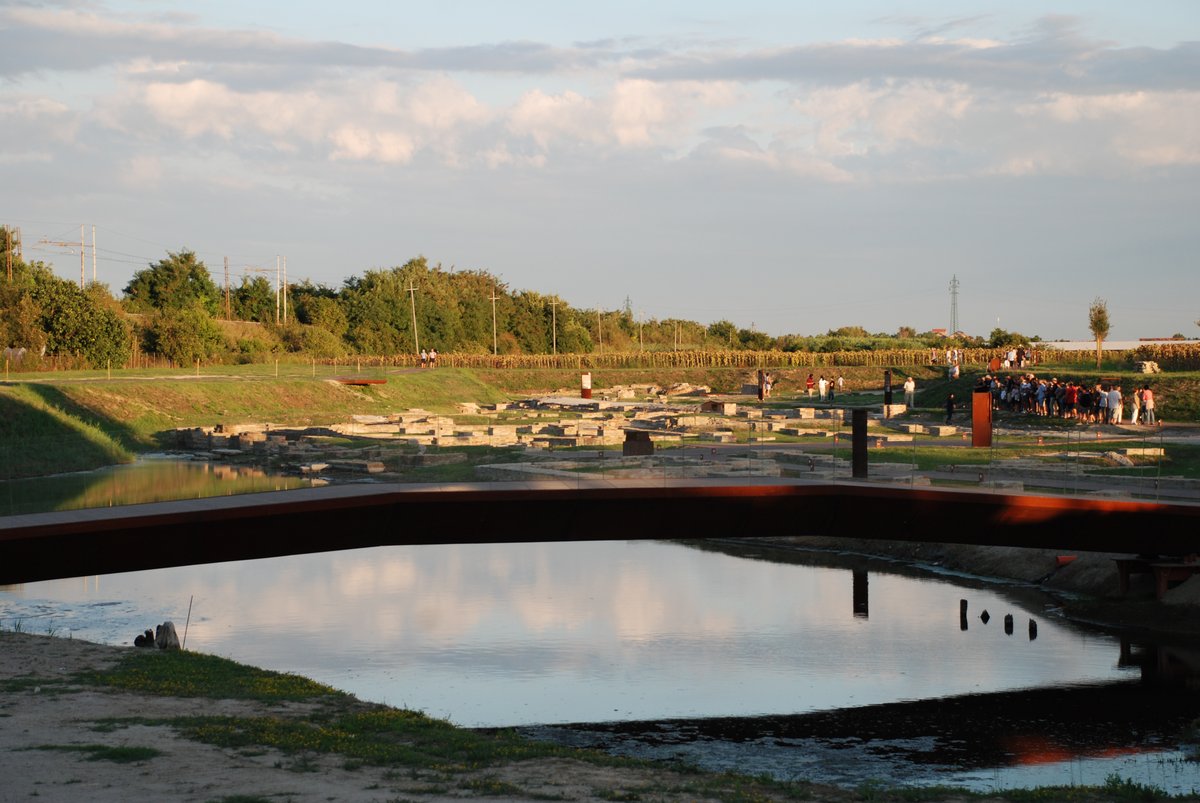
The Roman Port of Classe in Ravenna is an open-air archaeological park with remains of warehouses and docks from the Roman Empire. Well-organized path with explanatory panels, ideal for families and history enthusiasts.
- https://www.anticoportoravenna.it/
- Via Comacchio, Ravenna (RA)
- Open in Google Maps
- View on Google Images Porto romano di Classe a Ravenna
Good to know
Introduction
Historical Background
- 1st century BC: Foundation of the port by Augustus.
- 402 AD: Ravenna becomes the capital of the Western Empire, with Classe as its strategic port.
- 6th-8th centuries: Gradual silting and abandonment after the fall of the Empire.
- Modern excavations: Rediscovered and enhanced in the 20th century, now a visitable archaeological park.
What You Really See (Beyond the Stones)
A Port for Families (and Not Only)
Why Visit
When to Go
In the Surroundings
Itineraries nearby

💡 Did You Know…?
An ultra-realistic curiosity that makes the site unique: during excavations, numerous organic artifacts, such as seeds and wood, were found preserved by the humid environment. These discoveries have allowed for precise reconstruction of the diet and goods that passed through here, offering a vivid snapshot of daily life in the port. Additionally, the port’s original location was more inland compared to today’s sea, due to alluvial deposits from the Po River—a geological detail that explains the landscape’s evolution and the site’s abandonment.