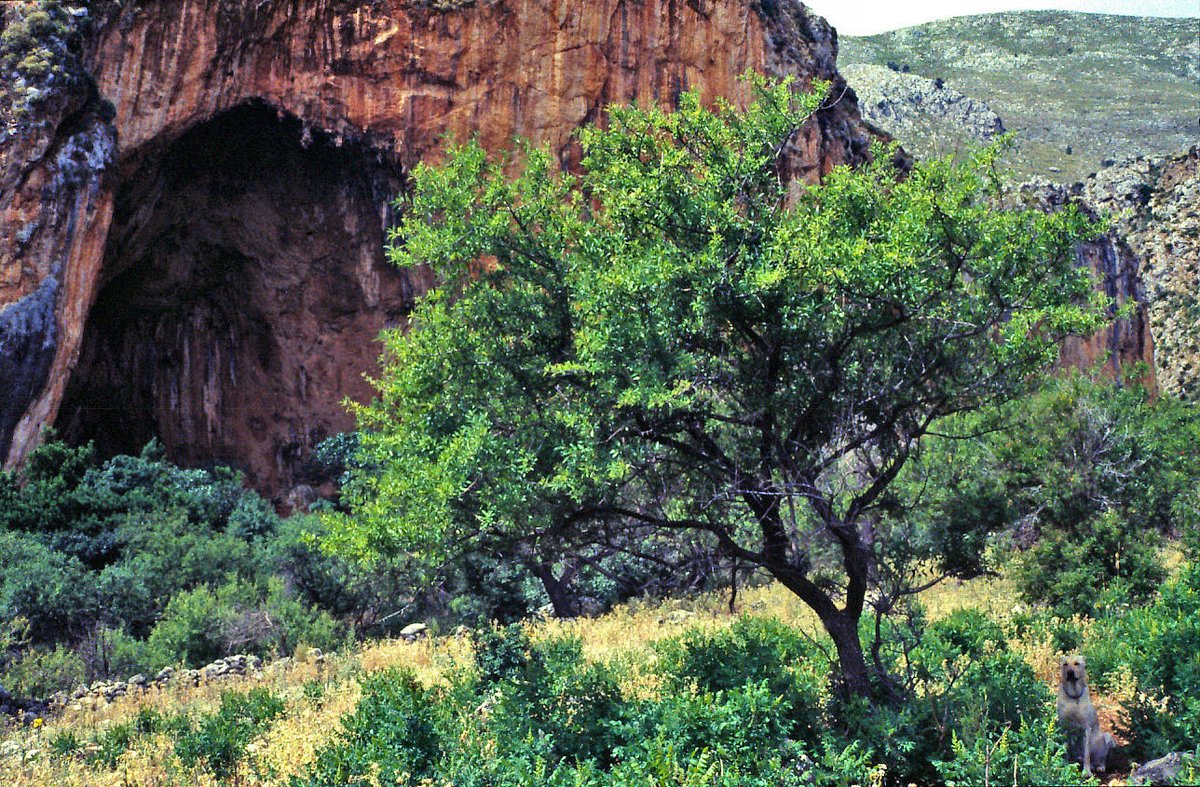
Uzzo Cave: Prehistoric Cave with Sea View in the Zingaro Reserve

Uzzo Cave is a unique prehistoric site in the Zingaro Nature Reserve, perched above the sea between Scopello and San Vito Lo Capo. Reachable with a 30-minute easy trail walk, it offers an experience combining archaeology, coastal trekking, and breathtaking landscapes.

  • Archaeological finds from the Paleolithic to Neolithic periods, including a 9,000-year-old double burial
  • Clifftop location with panoramic coastal views and access to pristine coves
  • Easy coastal trail through Mediterranean scrubland, suitable for families
  • Spacious and accessible cave showing excavation traces and a historical atmosphere

Copertina itinerario Uzzo Cave: Prehistoric Cave with Sea View in the Zingaro Reserve
Uzzo Cave in the Zingaro Reserve: Archaeological site with 10,000-year-old artifacts, accessible via an easy walk from the coastal trail. Breathtaking views of the sea and nearby coves.

Good to know


Introduction

The Uzzo Cave is not just a hole in the rock: it’s a portal that catapults you back ten thousand years. It’s located right inside the Zingaro Nature Reserve in San Vito Lo Capo, and the first impression is one of ancestral silence, broken only by the sound of the sea crashing just below. Entering here means leaving behind the blinding Sicilian sun for a cool, damp shade where the air smells of salt and history. The walls seem to tell stories, and indeed they do: this is one of the most important prehistoric sites in the Mediterranean. Don’t expect postcard-perfect stalactites, but something much more authentic and touching. It’s a place that makes you feel small, in a good way, in the face of the vastness of time.

Historical Overview

This cave wasn’t always just a tourist attraction. For millennia, it was a home. Archaeological excavations have uncovered flint tools, bones of hunted animals, and even human remains, attesting to continuous human presence from the Final Epigravettian period (around 10,000 years ago) through the Bronze Age. Imagine: communities of hunter-gatherers lived here, utilizing the resources of the sea and Mediterranean scrubland. The site is crucial for understanding the settlement of Sicily during the Mesolithic and Neolithic periods. This isn’t a story of kings or battles, but of daily life, survival, and adaptation in a corner of paradise that must have been special even then.

  • Around 10,000 years ago: First traces of human presence (Final Epigravettian).
  • Mesolithic (around 8,000 years ago): Cave used as a seasonal shelter by hunter-gatherers.
  • Neolithic (around 6,000 years ago): Stable settlement, first evidence of agriculture and animal husbandry.
  • Bronze Age: Continued use, followed by gradual abandonment.
  • 1970s: Systematic archaeological excavations reveal the site’s importance.

The Cave and the Coastal Trail

Visiting the cave is just one part of the experience. To reach it, you must walk the Zingaro Coastal Trail, one of Sicily’s most beautiful treks. It’s a moderately challenging route, but the effort is rewarded a hundredfold. You walk perched above an intensely blue sea, surrounded by the scents of thyme and Mediterranean scrub. The cave appears suddenly, a dark cavity in the limestone cliff. Inside, the space is larger than it seems from outside. The atmosphere is humid and silent. Look for traces of excavations on the floor: those small holes tell the whole story. The true charm lies in the perfect union between wild nature and human history. It’s not just about seeing a site, but experiencing it after a walk that prepares you, almost like a ritual.

A (Literal) Dive into Prehistory

What struck me most was the proximity to the sea. The cave entrance is just a few meters from the water. Imagine the ancient inhabitants fishing right there below. Today, after your visit, you can do exactly what they did: take a refreshing dip in one of the nearby pristine coves, like Cala della Disa or Cala del Varo. The water is crystal clear, cold, and teeming with life. Swimming in that very spot, knowing that thousands of years ago someone was observing the same panorama, is a rare emotion. It’s not a closed museum; it’s a place that continues to live. I recommend sitting for a moment on the edge of the cave, looking at the sea, and trying to imagine. Sometimes you feel history more with your skin than with your eyes.

Why Visit

Because it’s a multilayered experience: nature, trekking, archaeology, and sea all at once. Because it offers a unique perspective on Sicily, far from crowded beaches, showing you a wild and ancient island. And because, honestly, it’s a place that stays with you. This isn’t a stop to rush through in half an hour; it’s an adventure that requires some effort (the hike), and that’s precisely what makes it authentic and rewarding. Plus, it’s part of the Zingaro Nature Reserve, a protected area of raw and powerful beauty that alone is worth the trip to Trapani.

When to Go

Avoid peak summer, especially August. The trail to the cave becomes an oven under the midday sun, and the reserve can get overcrowded. The best times are late spring, when the Mediterranean scrub is in bloom and colors burst forth, or early autumn, when the air is still warm but the humidity has passed. If you must go in summer, set out at dawn: you’ll have the trail (almost) to yourself, the morning light is magical along the coast, and you can enjoy the cave in complete tranquility before the heat and crowds arrive. Late evening, at sunset, is another spectacular time, but always check the reserve’s closing hours.

In the Surroundings

After leaving the Reserve, don’t miss San Vito Lo Capo with its pristine white sandy beach and the characteristic Sanctuary. It’s the perfect spot for an ice cream or a fish couscous (a local specialty). If archaeology has captured your interest, take a trip to the Segesta Archaeological Site, featuring its perfectly preserved Doric temple and theatre overlooking the valley. It’s another dive into Sicilian history, but from a completely different era. Two complementary experiences that tell two sides of the same extraordinary land.

💡 Did You Know…?

The most fascinating feature of the Grotta dell’Uzzo is linked to a double burial discovered by archaeologists: the remains of a man and a woman dating back about 9,000 years, buried together in a fetal position. This find, unique for the period, has provided valuable information about Mesolithic funeral rites. Furthermore, excavations have uncovered remains of fauna now extinct in Sicily, such as the lynx and deer, telling of an environment very different from the present one. The cave was inhabited continuously for millennia, until the Bronze Age, demonstrating its strategic importance as a shelter and observation point.