
Maria Callas Park is a 3-hectare green oasis in the heart of Rimini, inaugurated in 1995 and named after the famous soprano. It offers tree-lined avenues, shaded benches, and a tranquil atmosphere just steps from the historic center and the beach.
- Children’s play area and cycling paths for outdoor activities
- Panoramic view of the canal port with fishing boats and water birds
- Drinking water fountains and ample shaded areas for hot days
- Easy accessibility on foot from the historic center and Borgo San Giuliano
Events nearby
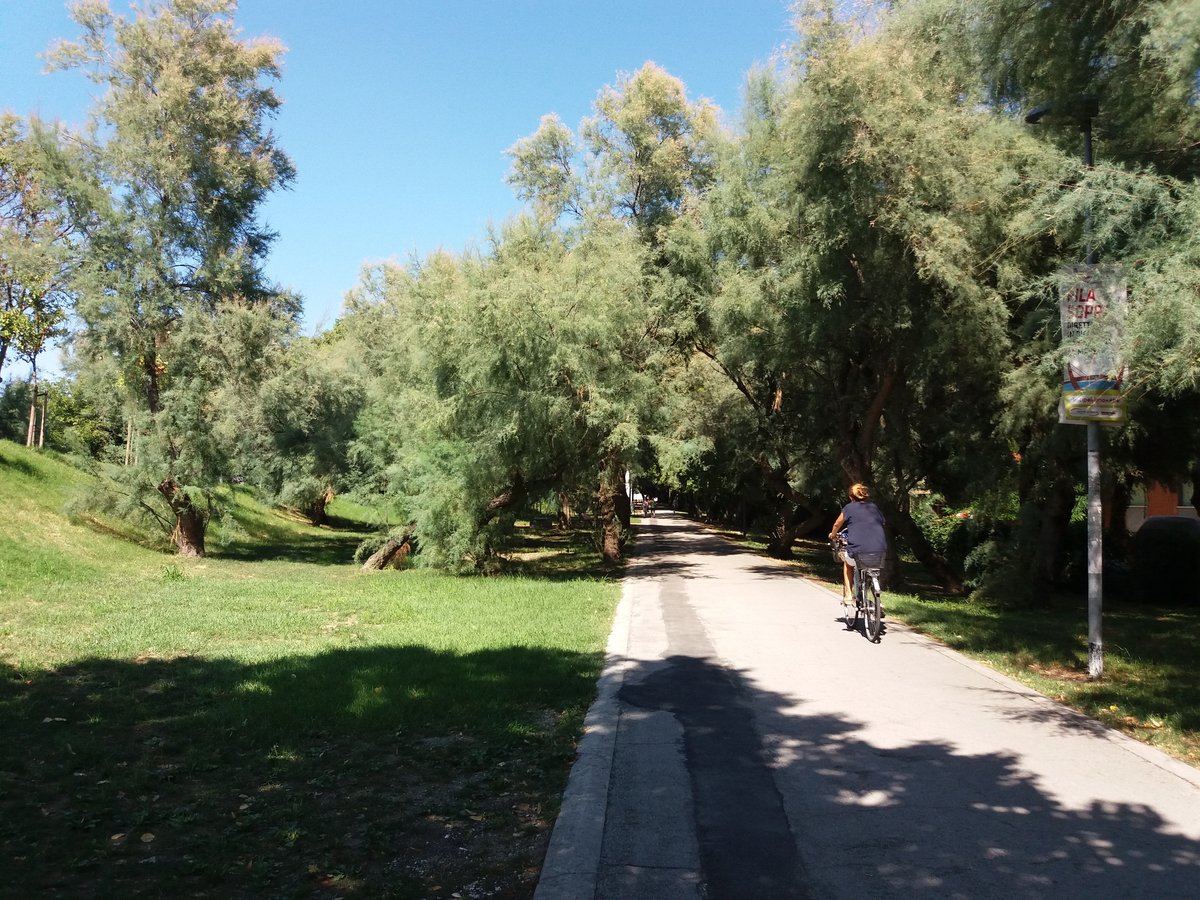
A 3-hectare urban park in Rimini with tree-lined avenues, children’s play area, cycling paths, and a view of the canal port. Ideal for walks, picnics, and relaxation away from the beach.
Good to know
Introduction
Do you ever feel the need for a break from city chaos, even while on vacation? In Rimini, amidst the traffic of the riviera and the buzz of tourists, there’s a corner that seems suspended in time: Parco Maria Callas. It’s not just a public garden, but a true green lung stretching across about 3 hectares along the port canal. I stumbled upon it almost by chance on a hot August day, and the feeling of coolness and quiet was immediate. The atmosphere is that of a secluded oasis, with tree-lined avenues inviting leisurely strolls, far from the confusion of crowded beaches. It’s a place that makes you forget you’re in the heart of one of Italy’s most famous seaside resorts. Perfect for a refreshing stop, perhaps after a morning in the sun. The space is simply organized, without frills, but with attention to detail that’s noticeable: well-placed benches, flower beds, and ample shaded areas. A place that, despite its proximity to the center, retains an intimate and familiar air.
Historical Background
The park has a relatively recent history, closely tied to the urban transformation of Rimini. It was inaugurated in 1995 in an area that was once marginal and underutilized, near the canal port. The choice of name is not coincidental: it pays homage to the famous soprano Maria Callas, who had an emotional connection to the Romagna region. Not many know that the opera diva stayed in the area several times, appreciating its tranquility. The park’s creation was part of a broader project to redevelop the city’s green spaces, aimed at creating gathering areas for residents and tourists. Today, it has become a reference point for those seeking relaxation without straying too far from the sea. Its evolution has been gradual, with maintenance work and small enhancements that have solidified its character.
- 1995: Official inauguration of the park, named after Maria Callas.
- 2000s: Landscaping and planting interventions to strengthen its green appearance.
- Today: A well-established space frequented by families, sports enthusiasts, and those looking for a peaceful break.
A Park for Every Taste
What struck me about Maria Callas Park is its versatility. It’s not just a nice lawn with a few trees, but a space designed for different needs. There are equipped areas for children, with simple yet sturdy play equipment, where little ones can run safely away from the streets. Then there are the well-marked bike paths and pedestrian trails, making it perfect for a morning run or a leisurely bike ride. I used it myself for some jogging, and I must say the surface is excellent. But that’s not all: there are quieter corners, with isolated benches under large trees, ideal for reading a book or simply being at peace with your thoughts. The vegetation is varied: pines, plane trees, flowering shrubs that change with the seasons. In spring, for example, some flowerbeds burst with color. It’s a place that adapts to your day, whether you want activity or total relaxation. One thing I noticed is the presence of several drinking fountains, very useful on hot days.
The Harbor Canal Corner
One of the features that makes this park unique in Rimini is its position overlooking the harbor canal. It’s not a view of the open sea, but of a more intimate stretch of water where fishing boats and small vessels are moored. Walking along the main avenue, you feel suspended between the greenery of the park and the blue of the water. It’s a pleasant contrast that offers photogenic glimpses, especially at dawn or dusk when the light reflects on the calm waves. Personally, I find this corner has a different charm from the beach: it’s more secluded, almost melancholic at certain times of the day. You often see local fishermen mending their nets or simply chatting, a detail that adds authenticity to the place. If you’re lucky, you might even spot a heron or other waterbirds. It’s an unusual vantage point on Rimini’s life, away from tourist clichés. I recommend stopping at one of the benches here to enjoy the view in complete tranquility.
Why Visit It
Visiting Maria Callas Park is not just a stroll in a garden. It’s an experience that allows you to discover a different side of Rimini, more authentic and relaxed. First, it’s an excellent solution for families: children can play safely while parents rest in the shade, without having to leave the city center. Then, it’s perfect for outdoor sports enthusiasts: the well-maintained bike paths and trails are ideal for a run or a bike ride away from city traffic. Finally, it’s a refuge for those seeking a moment of peace: here you can disconnect from the hustle and bustle of the riviera, read, meditate, or simply observe life along the canal. It’s a place that offers something for everyone, with no costs or reservations required. Personally, I find it more genuine than other larger, more organized parks because it has maintained a local character. Don’t expect spectacular attractions, but the simple beauty of a well-kept green space where time seems to flow more slowly.
When to Visit
The park is open year-round, but in my experience, the most magical moments are when the light is just right. I’d recommend going early in the morning, especially in spring or early autumn. The air is crisp, the sun is still low, and the park is nearly empty—perfect for a solitary stroll or some exercise without the crowds. At these hours, the city noises are muffled, and you can hear only birdsong and the rustle of leaves. Another great option is late afternoon, around sunset. The light turns warm and golden, casting enchanting shadows among the trees and creating golden reflections on the canal water. In summer, it’s an excellent refuge from the heat, thanks to the dense shade of the trees. In winter, it can be pleasant for a brisk walk on a clear day. In short, every season has its charm, but for a more intimate experience, aim for the peak hours of natural light.
In the Surroundings
If you have time after visiting the park, the area offers other small gems to explore. Just a few minutes’ walk away, for example, is Borgo San Giuliano, one of Rimini’s most characteristic neighborhoods. It’s a maze of colorful alleys, with murals dedicated to Fellini’s cinema and traditional taverns where you can taste Romagna’s piadina flatbread. It’s a leap into the past, far from the beach atmosphere. Another idea is to pop into the Rimini Covered Market on Via Castelfidardo. It’s not huge, but it’s authentic: here you’ll find stalls with fresh local products, from fish to fruit, and a few kiosks for a quick, genuine bite. It’s a way to immerse yourself in the city’s daily life. Both places are reachable with a short walk from the park, no transport needed. I recommend combining them for a complete taste of Rimini beyond the beaches.
Itineraries nearby

💡 Did You Know…?
The park is named after Maria Callas, one of the greatest opera singers of the twentieth century, who had ties to Italy. The choice to name this green space after an icon of classical music adds a touch of cultural elegance. Locals say that on summer evenings, when the park is less crowded, the atmosphere becomes almost magical, with the wind rustling the leaves creating a natural melody. It’s a detail that makes the visit more personal, connecting the beauty of nature with that of art.