Museum of the People of Abruzzo: 9 Rooms to Discover History and Traditions

If you think museums are boring, the Museum of the People of Abruzzo in Pescara will change your mind. Housed in the former Bourbon barracks, this space immerses you directly into the heart of historic Abruzzese life, with realistic reconstructions and authentic objects that tell everyday stories. It’s perfect for a visit of a couple of hours, even with children, thanks to interactive pathways.

9 thematic rooms exploring trades, agriculture, and domestic life
Over 10,000 original artifacts, from work tools to traditional costumes
Faithful reconstructions of environments like the peasant kitchen and the blacksmith’s workshop
Entry ticket only €5 (reduced €3), with flexible hours year-round

Copertina itinerario Museum of the People of Abruzzo: 9 Rooms to Discover History and Traditions
The Museum of the People of Abruzzo in Pescara tells the story of daily life, trades, and traditions of the region through 9 thematic rooms and over 10,000 artifacts. Open year-round with tickets at €5.

Good to know


Introduction

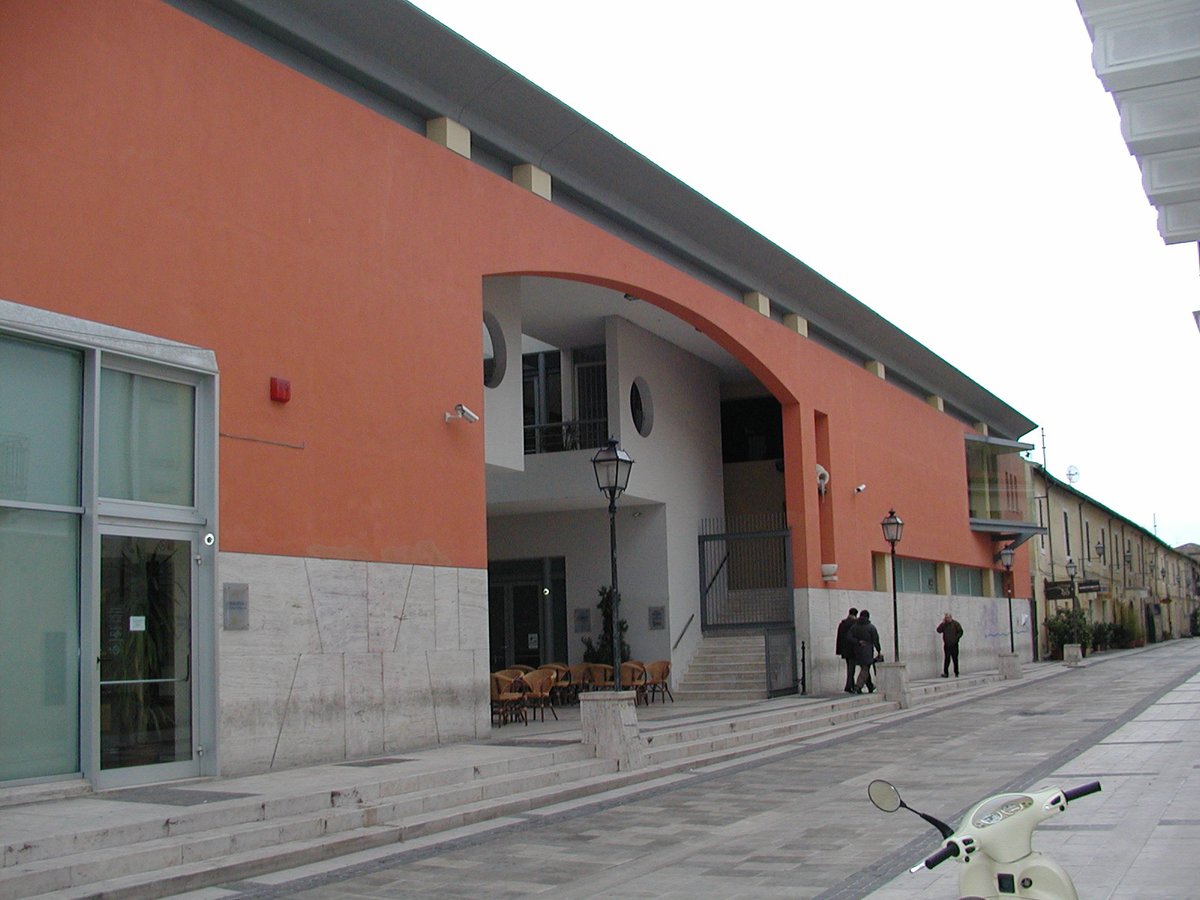
Entering the Museum of the People of Abruzzo in Pescara is like flipping through a regional family album, but with over 10,000 artifacts that tell stories of daily life. Don’t expect just dusty display cases: here you breathe the authentic atmosphere of rural and artisanal Abruzzo. The 9 thematic rooms guide you through vanished trades, folk traditions, and everyday objects that still seem warm with the sweat of those who handled them. Personally, I was struck by how each object—from the loom to the cauldron—tells more than a thousand words. The museum is housed in the former municipal slaughterhouse, a repurposed industrial building that’s worth a photographic stop in itself.

Historical Background

The museum was founded in 1973 through the initiative of a group of enthusiasts led by anthropologist Antonino De Nino, but the actual collection began to take shape as early as the 1950s thanks to donations from local families. Interestingly, many artifacts arrived during village festivals, when people brought items that would otherwise have ended up in the trash. In 1998, the museum moved to its current location, the former Pescara slaughterhouse built in 1934, an interesting example of repurposed industrial archaeology. Today, it is managed by the Genti d’Abruzzo Foundation, which continues research in the area.

  • 1950s: first spontaneous ethnographic collections
  • 1973: official founding of the museum
  • 1998: relocation to the former municipal slaughterhouse
  • 2000s: expansion with sections dedicated to transhumance

The Hall of Lost Crafts

Among all the sections, the one dedicated to traditional crafts made me reflect more than the others. These are not just displayed tools, but fully reconstructed environments that make you feel almost like an intruder in the blacksmith’s workshop or the farmhouse kitchen. There’s the complete shoemaker’s corner with wooden lasts still dirty with glue, the charcoal burner’s area with tools for producing vegetable charcoal, and even a small coppersmith’s workshop. What strikes you is the precision with which these spaces have been reconstructed: it seems as if the artisan has just stepped out for a moment. Particularly interesting is the section dedicated to working the stone of the Majella, with hammers and chisels showing signs of prolonged use.

Objects That Speak

What makes this museum special is how each object tells a personal story. These are not sterile museum pieces, but items that have lived. A wooden cradle still bears the tooth marks of the child who used it, a polenta pot shows dents from decades of use. I lingered for a long time in front of the collection of ex-votos: naive little paintings recounting received graces, avoided accidents, healed illnesses. They are moving testimonies of popular faith. Even the traditional clothes on display are not perfect festive costumes, but garments actually worn, with mends and adaptations that tell their history of use. Perhaps it’s precisely this authenticity that makes the difference.

Why Visit It

Three concrete reasons not to skip this museum? First: it costs less than a coffee at a café (€5 for a full-price ticket) but offers hours of discovery. Second: it’s one of the few places where you truly understand what daily life in Abruzzo was like before the economic boom, without romanticism but with realism. Third: the location is extremely convenient, just steps from the central station and the seafront, perfect for fitting it into a stress-free day in Pescara. Plus, the captions are clear and not overly academic—finally, a museum that speaks to ordinary people!

When to go

The museum is open year-round, but in my opinion, it takes on a different atmosphere on rainy days or in winter, when light filters through the large windows of the former slaughterhouse, creating perfect shadow plays for photographs. In summer, it can be a pleasant break from the heat, but the most evocative moments are when there are fewer visitors—perhaps on a weekday afternoon. Personally, I’ve noticed that the late afternoon light in autumn enhances the warm colors of the wood and fabrics on display. Avoid high-season weekends if you prefer to visit at a leisurely pace.

In the Surroundings

After leaving the museum, I recommend two nearby thematic experiences. First, make a quick stop at the Gabriele D’Annunzio Birthplace Museum, just a few minutes’ walk away: the contrast between the folk culture of the Museum of the People and the bourgeois elegance of the poet’s house is fascinating. Then, if you want to continue with the traditions theme, look for one of the artisan workshops in the town center that still work with Castelli ceramics—you’ll find some on Via delle Caserme. For dining, instead, seek out a trattoria serving classic arrosticini, the grilled meat dish that was once shepherds’ food during transhumance.

💡 Did You Know…?

Not everyone knows that the museum preserves a rare perfectly functioning 19th-century loom, still used today for demonstrations during special events. In a display case, you can admire the “cradle of poverty”, a small wicker basket that tells stories of hardship and resilience in peasant families. If you look carefully in the section dedicated to shepherding, you’ll find the “ciaramelle”, the ancient wind instruments of the shepherds, which still seem ready to play among the mountains.