An Evocative Introduction
You step in and you can almost smell the hay and the beaten earth. At the Tiranese Ethnographic Museum, there are no sterile display cases: there’s the real life of Valtellina’s farmers, recreated with period objects, furnishings, and tools that speak of hard work and ingenuity. The first thing that strikes you is the authenticity: it feels like entering a house lived in until yesterday, with a still-warm stove and tools left as if the farmer just stepped out for a moment. It’s an emotional dive into the past, even for those who have never lived in the mountains.
Historical Notes
The museum was born from the passion of a group of volunteers and the municipal administration, who have collected and restored
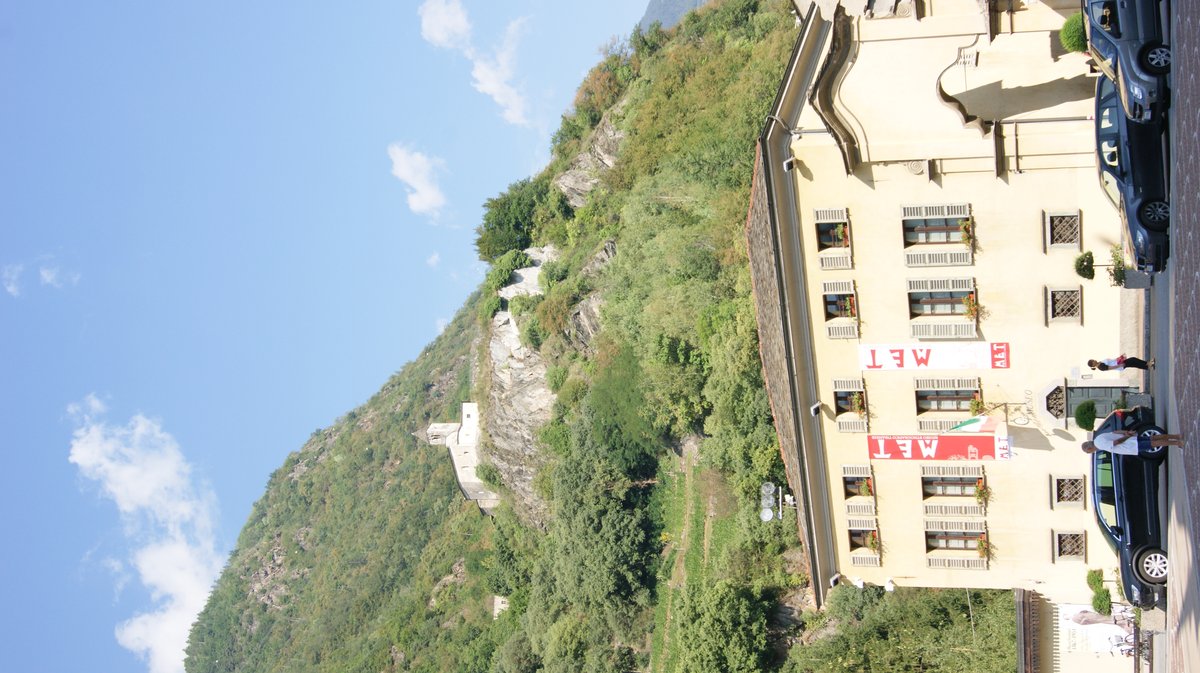
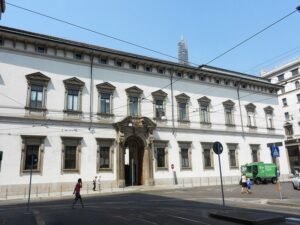
over 3,000 objects from the rural culture of Valtellina. Housed in an ancient farmhouse in the historic center of Tirano, the building alone is worth a visit: it has preserved its original architectural features, with stone walls and wooden floors. The exhibition has grown over the years, becoming a reference point for those who want to understand what life was like in these valleys between the 19th and mid-20th centuries.
- 1998: founding of the museum by local volunteers
- 2000: opening to the public at the current location
- 2005: recognition as a museum of regional interest
- 2020: expansion of exhibition spaces
The Peasant House: Rooms and Objects from a Bygone Era
Room after room, you discover the typical spaces: the kitchen with its hearth, the bedroom with the large wooden wardrobe, the cellar with wine barrels and cheese wheels. Each object is accompanied by clear descriptions, but the guide (available even for individual visitors) enriches the experience with anecdotes. What struck me was the indoor stable: yes, in many Valtellina homes, animals lived on the ground floor to warm the house with their body heat. Then there’s the weaving corner, with a still-functioning loom, and the tools for processing milk. You can almost hear the clatter of the loom and the lowing of cows.
Life in the Fields: Tools, Trades, and Traditions
The section dedicated to forgotten trades is perhaps the most evocative. There are scythes, rakes, plows, hand threshers, and even a sled for transporting hay on snow. Each tool has a story: some were donated by local families, others recovered from abandoned barns. Tools for winemaking and cheesemaking, pillars of the local economy, are also featured. A separate section is devoted to the school of yesteryear, with wooden desks, pens, and inkwells. It is a journey into memory that makes one reflect on how much mountain work has changed.
Why Visit
The museum is small but rich in detail, perfect for those who love authentic rural culture. Children are fascinated by the tools and the stable, while adults rediscover objects from their childhood. The guided tour is included at no extra charge, a rare value. Moreover, the museum is a stone’s throw from the center of Tirano, easily reachable on foot from the station of the Bernina Red Train (UNESCO World Heritage): it can be combined with a mountain excursion.
When to Go
I recommend visiting in autumn or spring, when the town is quieter and the weather is mild for a stroll. In October, Tirano hosts the Fiera dei Santi, a fair with local products and crafts that pairs perfectly with a visit to the museum. But even a Sunday in July, perhaps after a trip on the Bernina, is ideal: the museum offers a cool refuge from the sun and a dive into the past.
Nearby Attractions
Just a short walk from the museum, the Santuario della Madonna di Tirano (16th century) is worth a visit, with its Renaissance façade and interior frescoes. If you have more time, take the red Bernina train to St. Moritz: in just over two hours you’ll cross spectacular alpine landscapes with glaciers and lakes. Another idea is a stroll along the banks of the Adda or a tasting of pizzoccheri and sciatt in one of the downtown restaurants.