Perched on Mount San Michele, the castle overlooks Cagliari with its thousand-year history. Within its walls, from a Pisan fortress to the residence of the Carroz family, you can breathe a unique atmosphere. Today it’s a vibrant cultural center, but its medieval charm remains intact.
– Three corner limestone towers and a moat that tell centuries of defense.
– 360-degree panoramic view of the city, port, Poetto, and Santa Gilla lagoon.
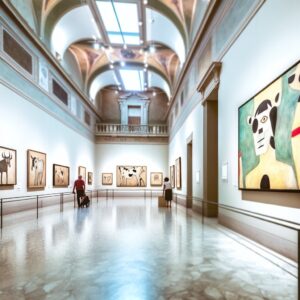
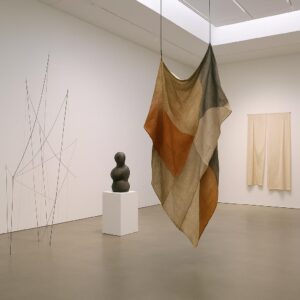
– Temporary exhibitions, creative workshops, and events that enliven the castle.
– The legend of the ghost of Countess Violante Carroz, still searching for her treasure.
Introduction
Perched on a tufa hill at 180 meters high, Castello San Michele dominates Cagliari with its three square towers. From here, the gaze embraces everything: the port, Poetto Beach, the Sella del Diavolo, and the Santa Gilla lagoon. A breathtaking view, especially at sunset. Entering means taking a step back in time, among limestone walls, a still visible moat, and a medieval atmosphere that now hosts art and culture exhibitions. It’s one of those places that makes you feel the soul of the city.
Introduction
Perched on a tufa hill at 180 meters high, Castello San Michele dominates Cagliari with its three square towers. From here, the gaze embraces everything: the port, Poetto Beach, the Sella del Diavolo, and the Santa Gilla lagoon. A breathtaking view, especially at sunset. Entering means taking a step back in time, among limestone walls, a still visible moat, and a medieval atmosphere that now hosts art and culture exhibitions. It’s one of those places that makes you feel the soul of the city.
Historical Notes
The origins of the castle are shrouded in mystery: perhaps a tower from the 9th-10th century, but the bulk of the structure dates from two or three hundred years later. In 1324, King James II entrusted it to Berengario Carròs, who transformed it into a stately residence. The Carroz family held it until 1511, when the last countess, Violante, died. Then came abandonment: it was used as a lazzaretto during the plague of 1652-56, a barracks for invalids in the 19th century, and even a radio station for the Italian Navy until the 1970s. The restorations of the 1990s returned it to the city as an art and culture center.
Timeline:
- 12th-13th century: first Pisan fortifications
- 1324-1327: Berengario Carròs receives the fief
- 1511: death of Violante Carroz, end of the lordship
- 1652-1656: used as a lazzaretto for plague
- 1895: declared a national monument
- 1929-1972: headquarters of the Italian Navy
- 1991-1995: restorations and archaeological excavations
- 2001: opening as a cultural center
Historical Notes
The origins of the castle are shrouded in mystery: perhaps a tower from the 9th-10th century, but the bulk of the structure dates from two or three hundred years later. In 1324, King James II entrusted it to Berengario Carròs, who transformed it into a stately residence. The Carroz family held it until 1511, when the last countess, Violante, died. Then came abandonment: it was used as a lazzaretto during the plague of 1652-56, a barracks for invalids in the 19th century, and even a radio station for the Italian Navy until the 1970s. The restorations of the 1990s returned it to the city as an art and culture center.
Timeline:
- 12th-13th century: first Pisan fortifications
- 1324-1327: Berengario Carròs receives the fief
- 1511: death of Violante Carroz, end of the lordship
- 1652-1656: used as a lazzaretto for plague
- 1895: declared a national monument
- 1929-1972: headquarters of the Italian Navy
- 1991-1995: restorations and archaeological excavations
- 2001: opening as a cultural center
Architecture and Towers
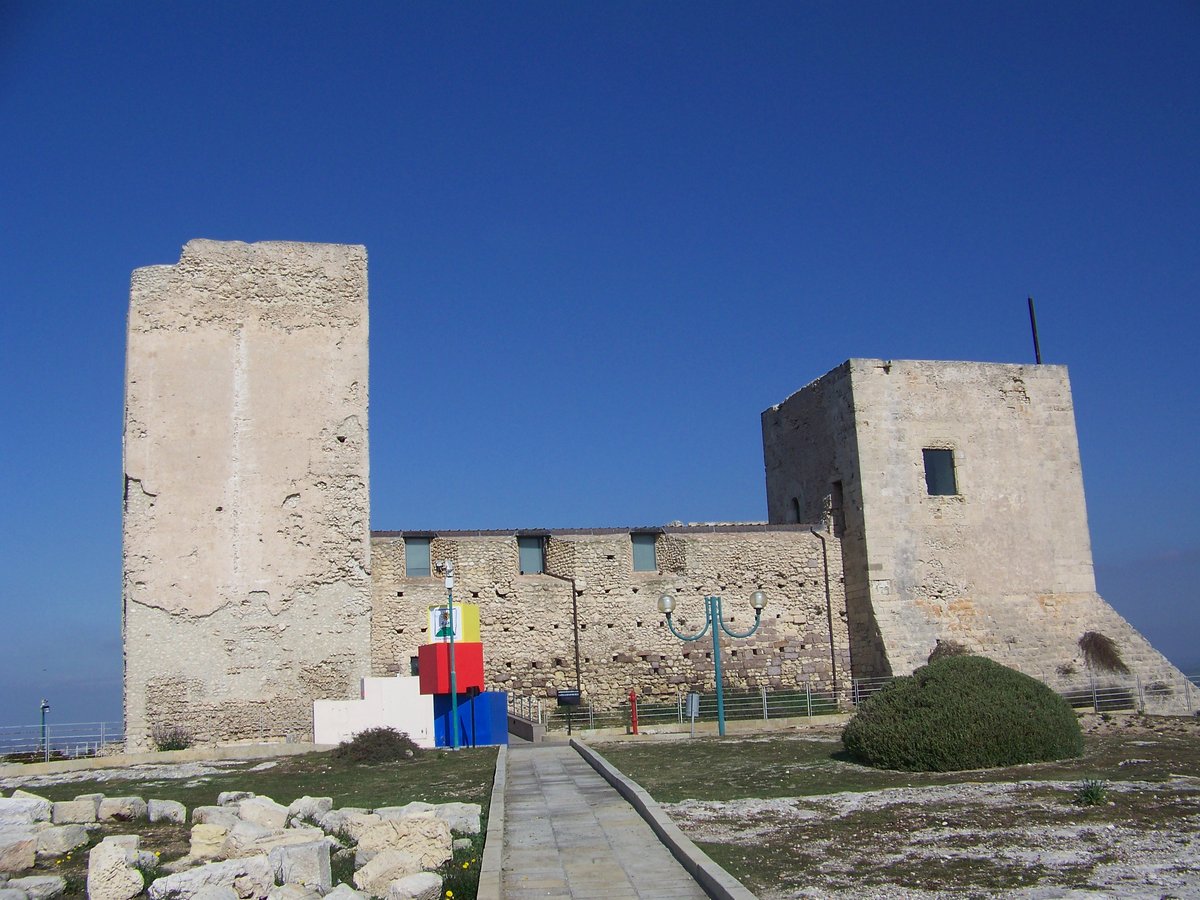
The castle has a quadrangular layout with three corner towers. The two to the northeast and southeast are the oldest (13th century), built with perfectly squared limestone blocks by Pisan craftsmen. The one to the southwest is later (15th century), with coarser masonry attributed to the Aragonese. All three rest on an inclined batter base of rusticated stone. The crenellated curtain walls connect the towers, and on the west side, the remains of two adjacent entrances are visible—they correspond to the old two-aisled chapel of San Michele. Around it, a wide moat bears witness to the ancient drawbridge. The stone from the Bonaria quarries gives the castle that warm color that changes with the daylight.
Architecture and Towers
The castle has a quadrangular layout with three corner towers. The two to the northeast and southeast are the oldest (13th century), built with perfectly squared limestone blocks by Pisan craftsmen. The one to the southwest is later (15th century), with coarser masonry attributed to the Aragonese. All three rest on an inclined batter base of rusticated stone. The crenellated curtain walls connect the towers, and on the west side, the remains of two adjacent entrances are visible—they correspond to the old two-aisled chapel of San Michele. Around it, a wide moat bears witness to the ancient drawbridge. The stone from the Bonaria quarries gives the castle that warm color that changes with the daylight.
Legends and Mysteries
They say the ghost of Countess Violante Carroz still wanders within these walls. She was the last heir of the family, who died in 1511, and it seems her spirit never left the castle. Then there are the underground tunnels: in the 1700s, a priest was accused of using magical rituals to search for a hidden treasure. And who knows how many stories have been lost over the centuries. Today, among exhibitions and workshops, these tales add a special charm to the visit. If you hear a creak behind you, it might be the countess.
Legends and Mysteries
They say the ghost of Countess Violante Carroz still wanders within these walls. She was the last heir of the family, who died in 1511, and it seems her spirit never left the castle. Then there are the underground tunnels: in the 1700s, a priest was accused of using magical rituals to search for a hidden treasure. And who knows how many stories have been lost over the centuries. Today, among exhibitions and workshops, these tales add a special charm to the visit. If you hear a creak behind you, it might be the countess.
Why Visit It
First: the view. Climbing up the hill and looking down at Cagliari from above is an experience you won’t forget. Second: it’s a lively cultural center. It hosts temporary exhibitions, workshops for children, and musical evenings, so each time you visit can be different. Third: the price is reasonable (full ticket €5, reduced €3) and for a small extra fee you can take a guided tour that reveals details you wouldn’t notice on your own. A castle that is not just a monument, but a place where contemporary art dialogues with history.
Why Visit It
First: the view. Climbing up the hill and looking down at Cagliari from above is an experience you won’t forget. Second: it’s a lively cultural center. It hosts temporary exhibitions, workshops for children, and musical evenings, so each time you visit can be different. Third: the price is reasonable (full ticket €5, reduced €3) and for a small extra fee you can take a guided tour that reveals details you wouldn’t notice on your own. A castle that is not just a monument, but a place where contemporary art dialogues with history.
When to Go
The most enchanting time is late afternoon, around sunset. The warm light caresses the limestone of the towers, and the view over the city and sea becomes spectacular. In summer, evenings are long, and cultural events often run late into the night. In winter, with colder air and clear skies, you can see all the way to Sella del Diavolo. Avoid the midday hours in summer: the sun beats down hard on the hill.
When to Go
The most enchanting time is late afternoon, around sunset. The warm light caresses the limestone of the towers, and the view over the city and sea becomes spectacular. In summer, evenings are long, and cultural events often run late into the night. In winter, with colder air and clear skies, you can see all the way to Sella del Diavolo. Avoid the midday hours in summer: the sun beats down hard on the hill.
Nearby
Descending from the hill, you can reach the Castello district of Cagliari, the medieval heart of the city. There you will find the Cathedral of Santa Maria, the Bastion of Saint Remy, and the Elephant Tower. Another nearby spot is the Santa Gilla lagoon, a wetland area populated by flamingos: perfect for a nature walk after the castle. Two sides of the same Cagliari: history and nature just steps away.
Nearby
Descending from the hill, you can reach the Castello district of Cagliari, the medieval heart of the city. There you will find the Cathedral of Santa Maria, the Bastion of Saint Remy, and the Elephant Tower. Another nearby spot is the Santa Gilla lagoon, a wetland area populated by flamingos: perfect for a nature walk after the castle. Two sides of the same Cagliari: history and nature just steps away.