
🧭 What to Expect
Ideal for: wine and food enthusiasts Highlights: royal castles and medieval villages Activities: trekking in the Maritime Alps Specialties: white truffles and Barolo Best time: autumn for harvest and truffles
Events nearby
The Province of Cuneo is a concentration of Piedmontese wonders: from the UNESCO-listed vineyards of Langhe and Roero to the peaks of the Maritime Alps. Here you'll find fairy-tale castles like the Royal Castle of Racconigi and the Castle of Grinzane Cavour, historic wine cellars where you can taste Barolo and Barbaresco, and perched medieval villages like Serralunga d'Alba. There are also alpine fortresses like Forte di Vinadio and millennial abbeys like Staffarda. For nature lovers, the Marguareis and Maritime Alps parks offer incredible trekking. And then there's the cuisine: white truffles from Alba, cheeses like Castelmagno, and hazelnuts. A trip to this province is an experience that combines culture, taste, and adventure.
Overview
- Royal Castle of Racconigi: A Dive into Savoy History
- Grinzane Cavour Castle: Between History, Wine, and Truffles
- Grinzane Cavour Castle: Between History, Wine, and Truffles
- WiMu Wine Museum: The Art of Telling Wine's Story
- Castle of Serralunga d'Alba
- Castello della Manta: Late Gothic Frescoes and Breathtaking Views
- Royal Castle of Govone: a Savoy residence between history and nature
- Vinadio Fort: A Stone Giant Among the Mountains
- Abbey of Staffarda: A Cistercian Gem Between the Langhe and the Mountains
- Valcasotto Royal Palace: A Savoy Jewel in the Woods
- Castello di Pollenzo: History, Architecture, and Flavors
- Ecomuseo delle Rocche del Roero: The Roero's Dispersed Museum
- Prunetto Castle: History and Panoramic Views
- Roddi Castle: A Medieval Jewel in the Langhe, Where Truffles Reign
- Piemontese Railway Museum: Trains, Memories, and Marvels
- Saluzzo's Castiglia: A Journey Between Knights and Prisons
Itineraries nearby

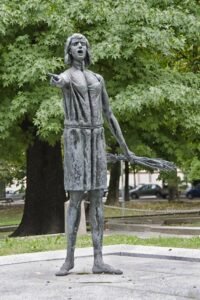
Royal Castle of Racconigi: A Dive into Savoy History
- Go to the page: Royal Castle of Racconigi: Savoy Apartments and 170-Hectare Historical Park
- Piazza Carlo Alberto, Racconigi (CN)
- http://polomusealepiemonte.beniculturali.it/index.php/musei-e-luoghi-della-cultura/castello-di-racconigi/
- Open in Google Maps
- View on Google Images
- pm-pie.racconigi@beniculturali.it
- +39 0172 84005
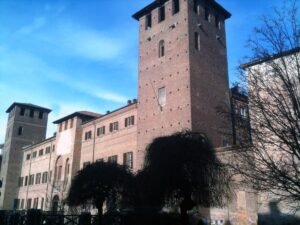
 If you think Piedmontese castles are only medieval fortresses, the Royal Castle of Racconigi will change your mind. Here, between the Langhe and the mountains, the Savoys created their dream summer residence. Its origins date back to the 11th century as a fortified house, but from the 17th century onward it was transformed by architects such as Guarino Guarini and Pelagio Palagi. Today it is a UNESCO World Heritage Site and part of the Savoy Residences.
Entering, you immediately find yourself in the Hall of Hercules, a neoclassical atrium that once served as a ballroom. From there you pass to the Diana Room, then to the splendid Chinese Apartments with hand-painted wallpaper on rice paper, bought in London. My favorite is the Etruscan Cabinet, the private study of Charles Albert, with inlaid furniture and a mosaic floor that copies the frescoes of the Tomb of the Baron. But don't miss the 19th-century kitchens, with giant gear-driven rotisseries: you can almost smell the royal banquets.
Then there is the park: 170 hectares of greenery, designed by André Le Nôtre and later transformed into a romantic style by Xavier Kurten. It was voted the most beautiful park in Italy in 2010, and it's easy to see why. Winding paths, small lakes, and even a Russian dacha, built for the visit of Tsar Nicholas II. There are over 2000 trees, including a 200-year-old Zelkova, and if you're lucky you'll see herons or storks.
Practical info: the castle is open Tuesday to Sunday, 9am-7pm (last entry at 6pm). Full ticket €8, reduced €2 for ages 18-25. The park costs €2. Address: Via Morosini 3, Racconigi. For reservations, call 0172 84005. Bring the kids: the kitchens and the park will drive them crazy.
Grinzane Cavour Castle: Between History, Wine, and Truffles
- Go to the page: Grinzane Cavour Castle: Wine Cellar with 300 Wines and Literary Award in the Langhe
- Via Castello 5, Gallo d'Alba (CN)
- http://www.castellogrinzane.com
- Open in Google Maps
- View on Google Images
- +39 0173 262159
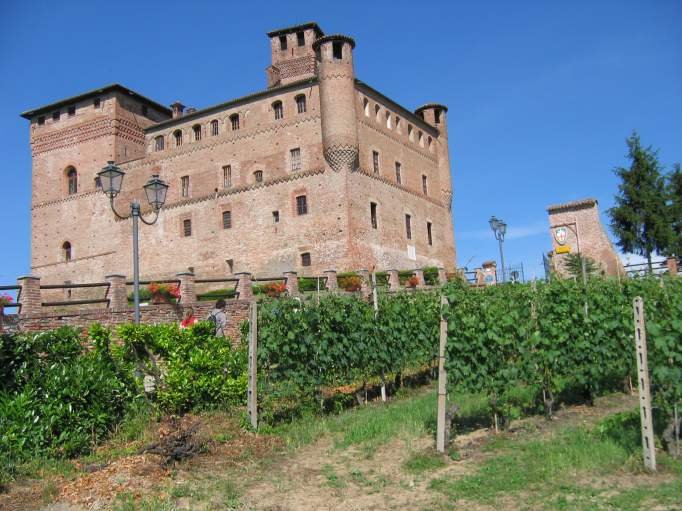 Perched on a hill amid the vineyards of the Langhe, Grinzane Cavour Castle is much more than a medieval manor: it is the beating heart of Piedmontese winemaking. Here Camillo Benso, Count of Cavour, served as mayor for 17 years and experimented with innovative techniques that laid the foundation for Barolo. A UNESCO World Heritage site since 2014, the castle now houses the Cavour Regional Wine Cellar of Piedmont, the first in Piedmont and second in Italy, where you can taste and purchase Barolo, Barbaresco, and other DOCG wines. The Langhe Museum takes you back in time: the Hall of Masks with its 1567 coffered ceiling (157 painted panels), Cavour's room with original furnishings, and reconstructions of workshops (cooper, farrier) and period kitchens. Every November, the World Auction of the White Truffle of Alba is held here – proceeds go to charity. From the square, the view over the Barolo hills is picture-perfect. If you come in autumn, don't miss the merenda sinoira with local cured meats and cheeses. Hours: daily except Tuesday, 10 am–6 pm. Ticket: €8. Info: castellogrinzane.com.
Grinzane Cavour Castle: Between History, Wine, and Truffles
- Go to the page: Grinzane Cavour Castle: Wine Bar and Museum in the Langhe
- Via Castello 5, Gallo d'Alba (CN)
- http://www.castellogrinzane.com
- Open in Google Maps
- View on Google Images
- +39 0173 262159
Perched on a hill amid the vineyards of the Langhe, Grinzane Cavour Castle is much more than a medieval manor: it is the beating heart of Piedmontese winemaking. Here Camillo Benso, Count of Cavour, served as mayor for 17 years and experimented with innovative techniques that laid the foundation for Barolo. A UNESCO World Heritage site since 2014, the castle now houses the Cavour Regional Wine Cellar of Piedmont, the first in Piedmont and second in Italy, where you can taste and purchase Barolo, Barbaresco, and other DOCG wines. The Langhe Museum takes you back in time: the Hall of Masks with its 1567 coffered ceiling (157 painted panels), Cavour's room with original furnishings, and reconstructions of workshops (cooper, farrier) and period kitchens. Every November, the World Auction of the White Truffle of Alba is held here – proceeds go to charity. From the square, the view over the Barolo hills is picture-perfect. If you come in autumn, don't miss the merenda sinoira with local cured meats and cheeses. Hours: daily except Tuesday, 10 am–6 pm. Ticket: €8. Info: castellogrinzane.com.WiMu Wine Museum: The Art of Telling Wine's Story
- Piazza Falletti 1, Barolo (CN)
- https://www.wimubarolo.it/it/
- Open in Google Maps
- View on Google Images
- info@wimubarolo.it
- +39 0173 386697
 In the heart of Barolo, within the ancient walls of Castello Falletti, there's a place that speaks of wine like few can: the WiMu, Wine Museum. Opened in 2010 and designed by François Confino (yes, the same designer behind Turin's Cinema Museum), the exhibit unfolds over four floors and 25 rooms, with interactive installations blending history, art, film, and science. It begins on the panoramic terrace – breathtaking view of the Langhe – and descends to the cellars, where the Regional Enoteca awaits with tastings. The piano nobile recounts the story of the Falletti marquises, with Silvio Pellico's room and Juliette Colbert's salons. On the ground floor, the Collegio Barolo features a virtual teacher explaining wine secrets. And then there's the gem: the Wi.La collection, with 282,000 labels from around the world, one of the largest globally. For families, there's an explorer kit for kids, and for everyone, an audioguide is available. Hours: daily 10:30-19:00 (last entry 18:00), closed in February and on December 24-25. Full ticket €9, reduced €7. Wheelchair accessible and pets allowed. In short, if you're in the area, don't miss it: it's a journey into wine culture that will make you fall even more in love with these hills.
Castle of Serralunga d'Alba
- Piazza Umberto I, Serralunga d'Alba (CN)
- https://www.castellodiserralunga.it/
- Open in Google Maps
- View on Google Images
- info@castellodiserralunga.it
- +39 0173 613358
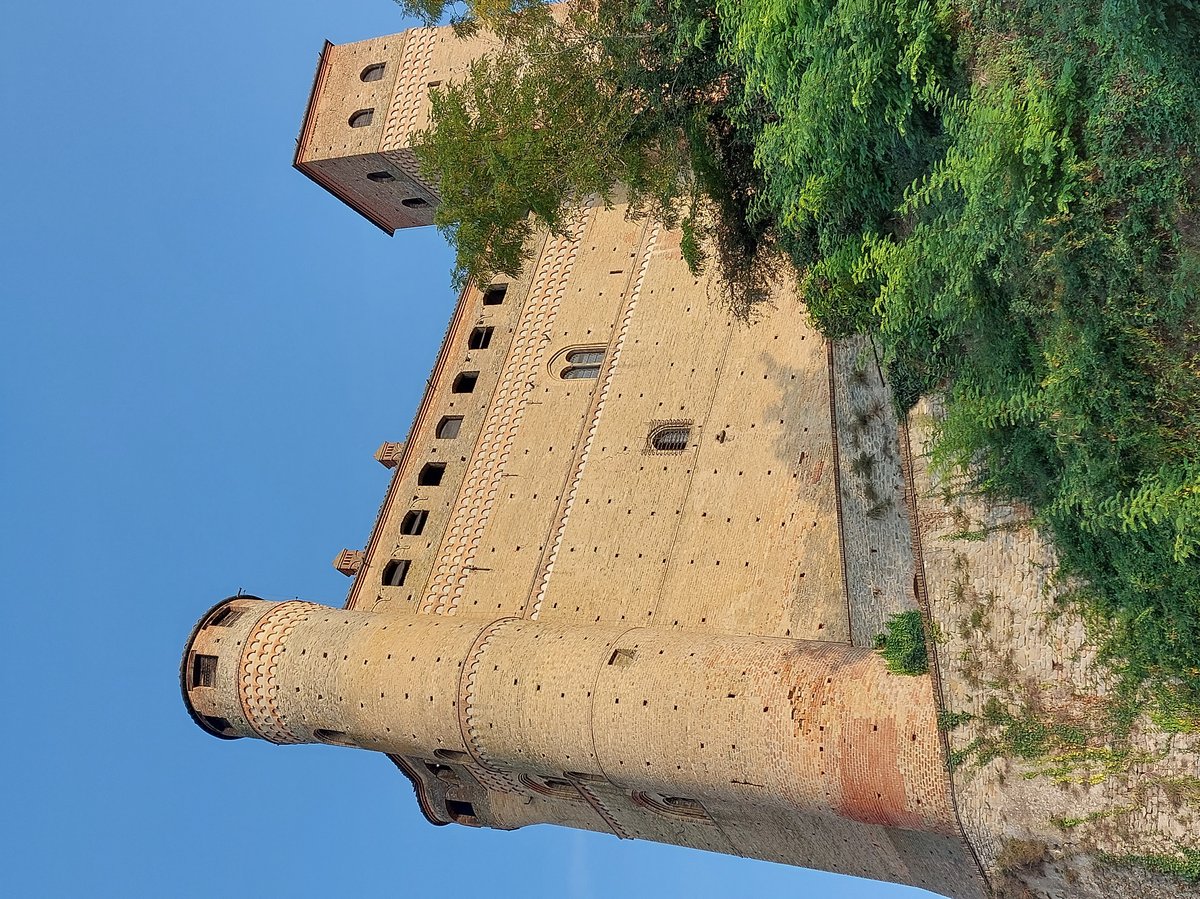 If you think you've seen all the castles of the Langhe, stop for a moment. The Castle of Serralunga d'Alba is a one-of-a-kind in Italy: a true 14th-century French donjon soaring vertically on the hill at 415 meters above sea level. Built between 1340 and 1357 at the behest of the Falletti family, it has remained essentially intact thanks to the absence of sieges and never being converted into a vacation residence. That's why today you still see it with its mullioned windows, Ghibelline merlons, and bands of hanging arches.
The guided tour (lasting about 45 minutes and including 100 steps) will take you through the Palacium, with its three large superimposed halls of 80 square meters each, the 15th-century frescoed chapel depicting the martyrdom of Saint Catherine of Alexandria, and the cylindrical tower with the sinister "well of oblivion" where convicts were thrown. On the first floor, a kitchen room with two huge fireplaces and a latrine – innovative for its time – will let you imagine the life of the soldiers on guard. The highlight is the wall walk at the top: from there, the view spans 360° over the gentle hills of the Langhe, a UNESCO World Heritage site, with hazel groves and vineyards stretching to the horizon.
The castle, state-owned since 1949 and managed by the Barolo & Castles Foundation, can only be visited by reservation (info@castellodiserralunga.it, tel. 0173613358). Full ticket €6, reduced €3, free for under 14s and holders of the Museums Subscription. Attention: it is not accessible to people with motor disabilities due to the stairs. In the surroundings, take the opportunity for a glass of Barolo in one of the nearby villages such as Castiglione Falletto or Serralunga itself.
Castello della Manta: Late Gothic Frescoes and Breathtaking Views
- Via De Rege Thesauro 5, Manta (CN)
- https://www.fondoambiente.it/luoghi/castello-della-manta
- Open in Google Maps
- View on Google Images
- +39 0175 87822
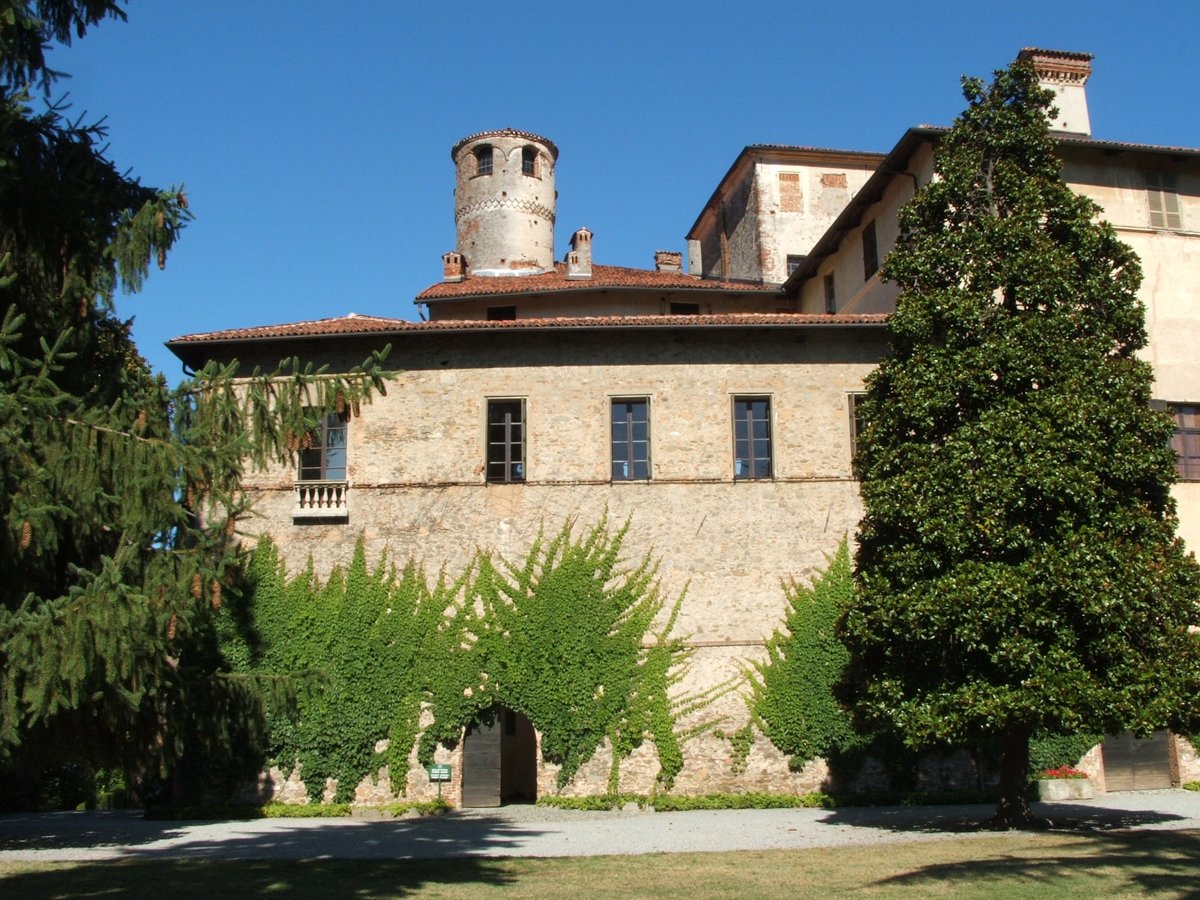 Perched on a hill with the Monviso behind it, Castello della Manta is a must-see for anyone exploring the province of Cuneo. Built in the 13th century as a military outpost, it was transformed in the 1400s by Valerano, regent of the Marchesato di Saluzzo, into an elegant noble residence. The heart of the castle is the Sala Baronale, home to one of Europe's most important cycles of late Gothic secular painting. The frescoes, attributed to the Maestro della Manta, depict the Nine Worthies and the Nine Heroines – from Hector to Penthesilea – in 15th-century attire, and on the opposite wall the evocative Fountain of Youth, with elders immersing themselves to rejuvenate. Every detail plunges you into the chivalric world of the romance "Le Chevalier Errant" by Tommaso III of Saluzzo. On the lower floor, the Sala delle Grottesche (16th century) dazzles with Mannerist stuccoes and frescoes: on the ceiling, a world map including Antarctica, discovered only in 1820! Impressive. Don't miss the Chiesa di Santa Maria al Castello, with frescoes of the life of Jesus and the funerary chapel of Michelantonio. The guided tour (about an hour) starts from the cellars and the large kitchen, then goes up to the piano nobile. The shady park offers a view of the hills of the Val Varaita. Managed by the FAI since 1985, the castle is open at various times (check the website). I recommend booking online, especially for special events like sunset picnics. A gem that combines art, history, and landscape.
Royal Castle of Govone: a Savoy residence between history and nature
- Piazza Roma, Govone (CN)
- https://www.castellorealedigovone.it
- Open in Google Maps
- View on Google Images
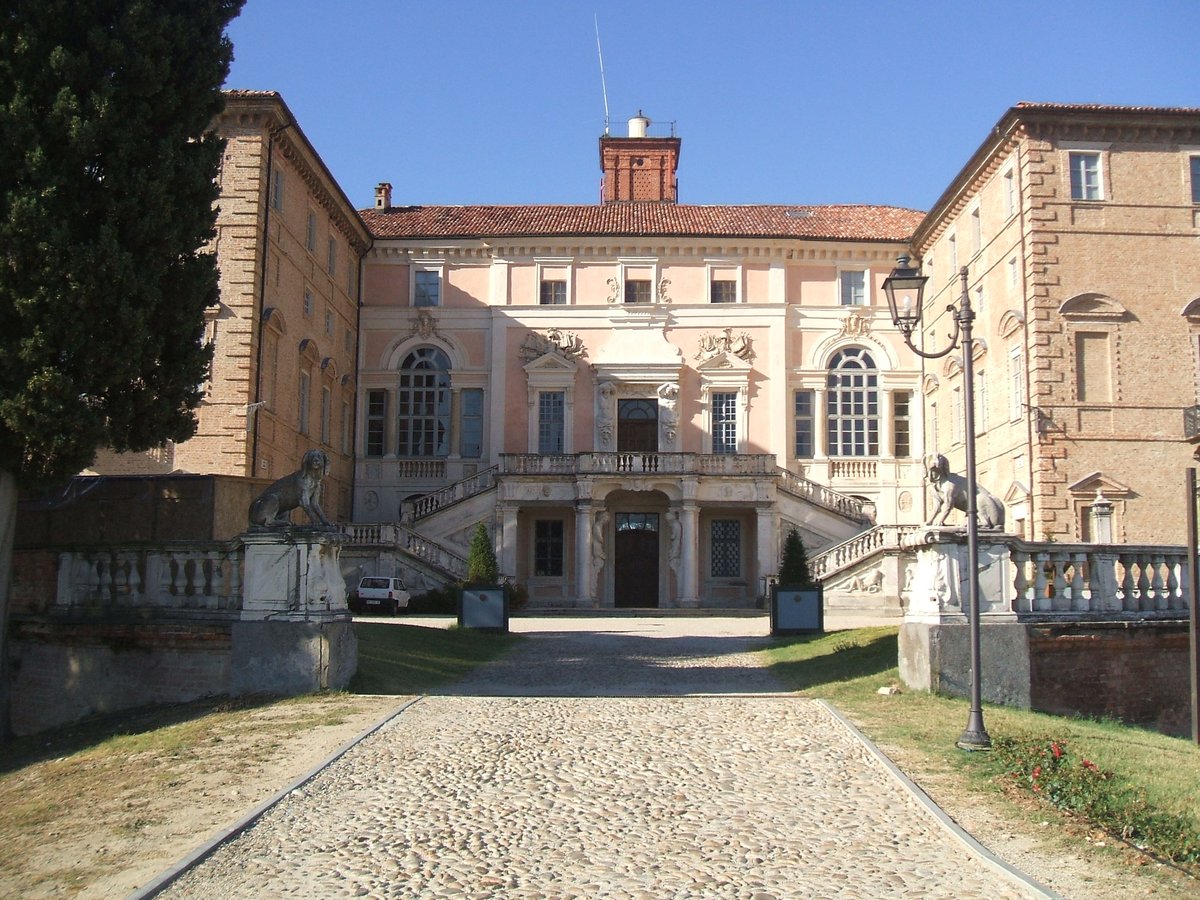 Imagine walking through the frescoed halls of a castle that once hosted kings and queens. Welcome to the Royal Castle of Govone, one of the Savoy Residences listed as a UNESCO World Heritage site (1997). Perched on a hill overlooking the Roero valleys, this Baroque palace holds centuries of history. Its origins date back to 989, but its current appearance is the work of the Solaro counts, who entrusted the project to Guarino Guarini in 1675. Completed by Benedetto Alfieri, the castle became property of the House of Savoy in 1792, who chose it as their summer residence. Charles Felix and his wife Maria Cristina had it restored and enriched with masterpieces.
Upon entering, you are immediately struck by the theatrical grand staircase with four flights, featuring marbles and sculptures from the Hercules Fountain of the Venaria Reale. On the noble floor, the Chinese Rooms amaze with their 18th-century wallpaper, while the Ballroom is a riot of frescoes: the myth of Niobe painted by Luigi Vacca and Fabrizio Sevesi seems to come alive on the vaults. Strolling through the royal apartments, you will notice ceilings decorated by Carlo Pagani and Andrea Piazza, inspired by classical mythology.
Outside, the English-style park and Italian garden offer an oasis of peace. In spring, wild tulips (Tulipa oculus solis) and later old roses color the landscape. During events like “Tulips at Court” or “Royally Rose,” the castle comes alive with costumed reenactors and markets.
Fun fact: in 1730, the philosopher Jean-Jacques Rousseau stayed here as tutor to Count Ottavio Solaro. Today, the castle also houses the town hall, but remains open to visitors from March to December (Friday-Sunday, 10 am-12:30 pm and 3 pm-6 pm, full ticket €7, free for under 14). A dive into Savoy history, between Langhe and Roero, that will make you feel like a royal guest.
Vinadio Fort: A Stone Giant Among the Mountains
- Go to the page: Forte di Vinadio: 19th-century fortress with 1,200 meters of tunnels and exhibitions
- Piazza Vittorio Veneto, Pratolungo (CN)
- http://www.fortedivinadio.it/index.html
- Open in Google Maps
- View on Google Images
- info@fortedivinadio.com
- +39 0171 959151
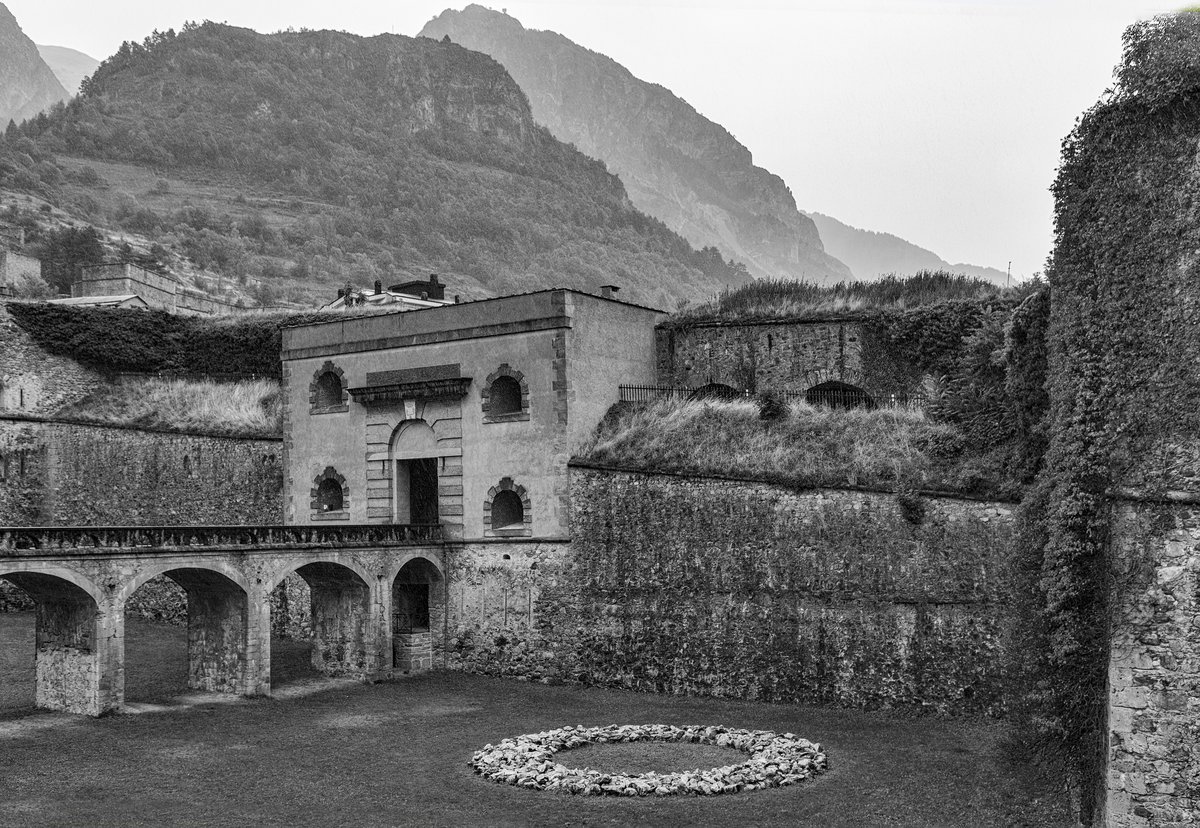 If you think Piedmont is just about Langhe hills, think again. In the Stura Valley, a few kilometers from Vinadio, stands the Forte Albertino, one of the most imposing fortifications in the Alps. Built by the House of Savoy to defend against potential attacks from France, this stone colossus dominates the valley at an altitude of about 1,400 meters.
The visit starts at the main fort, open from May to October with guided tours and multimedia exhibits. But the real gem comes later: a hike with a 300-meter elevation gain (tourist difficulty, but with proper shoes you'll make it) leads to the Batteria Neghino, a uniquely elliptical structure in the defensive system. From up there, the view of the Stura Valley is breathtaking. Or, for those with more stamina, the Batteria Serziera (T-shaped) offers a spectacular vista over the Riofreddo valley and Monte Malinvern.
If you love mountain biking, there's a trail from the town to the fort with a 500-meter elevation gain over 15 km on a military road. And in winter? Cross-country skiing trails wind around the fort, with the black run even passing through its interior. In short, a place that lives all year round.
The guidebook “In Cammino tra i Forti” by Daniele De Angelis (Edizioni Fusta) is the perfect companion to explore every corner of this defensive system, with maps and vintage photos. A tip: take your time, listen to the local guides' stories, and let yourself be amazed by the solidity of these walls. It's not just a fort: it's a journey through history.
Abbey of Staffarda: A Cistercian Gem Between the Langhe and the Mountains
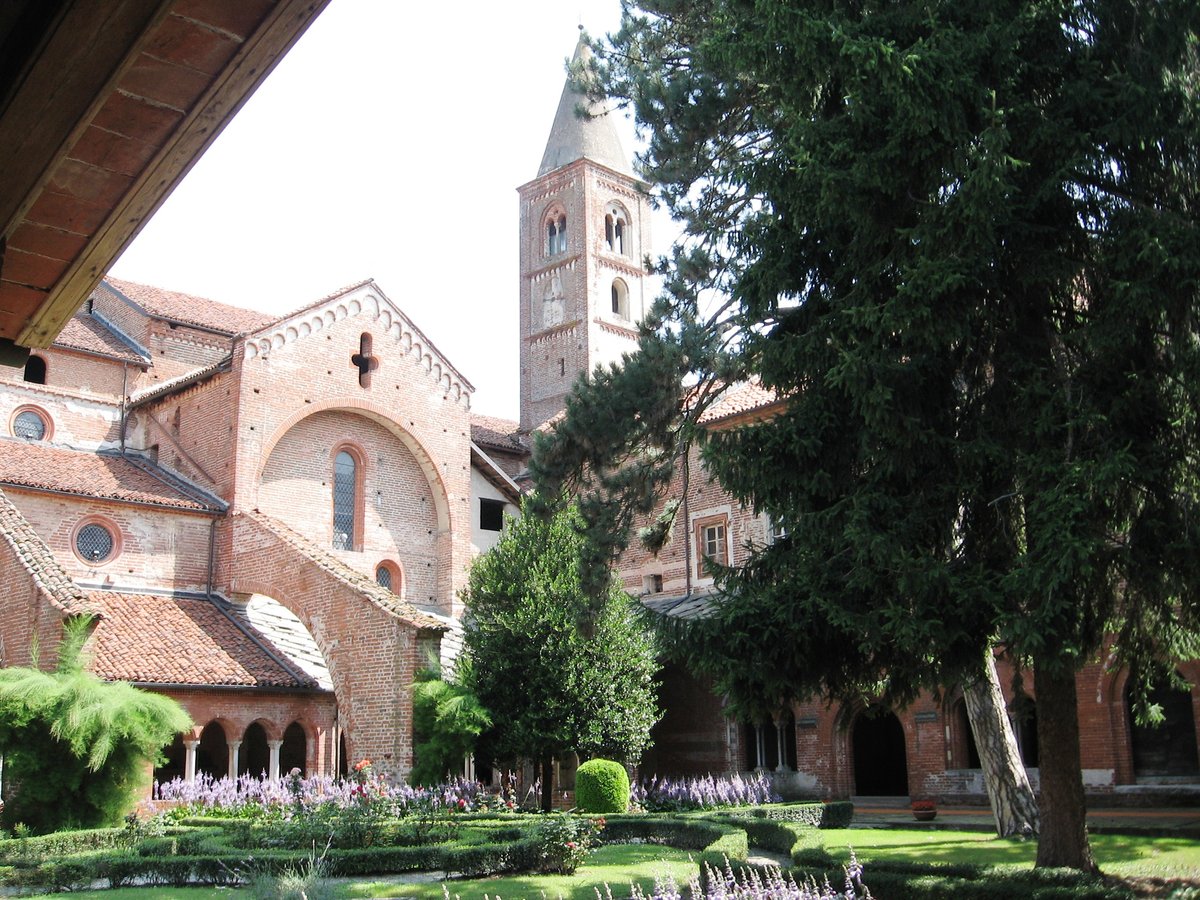 If you're in the Revello area, don't miss the Abbey of Staffarda. It's one of those places that leaves you breathless, a perfect blend of spirituality and history. Founded around 1135 by Cistercian monks, it sits on a lush green plain with Monviso peeking on the horizon. The church, in Romanesque-Gothic style with exposed brick, is simple yet imposing. But the real highlight is the cloister, built around 1250 with its twin columns, though unfortunately damaged in the battle of 1690. Inside, don't miss the polyptych by Oddone Pascale from 1531, an 'altarpiece machine' over six meters tall with sculptures and paintings. And then there's the Gothic covered market, a testament to the abbey's agricultural past. Today it's managed by the Order of Saints Maurice and Lazarus and open Tuesday to Sunday (closed Monday). Bring a sweater, because even in summer it's cool inside. Oh, and if you come between April and late summer, you might see a colony of bats in the 'warm room' – a natural spectacle coexisting with history. In short, a place that combines art, faith, and biodiversity, all in one.
Valcasotto Royal Palace: A Savoy Jewel in the Woods
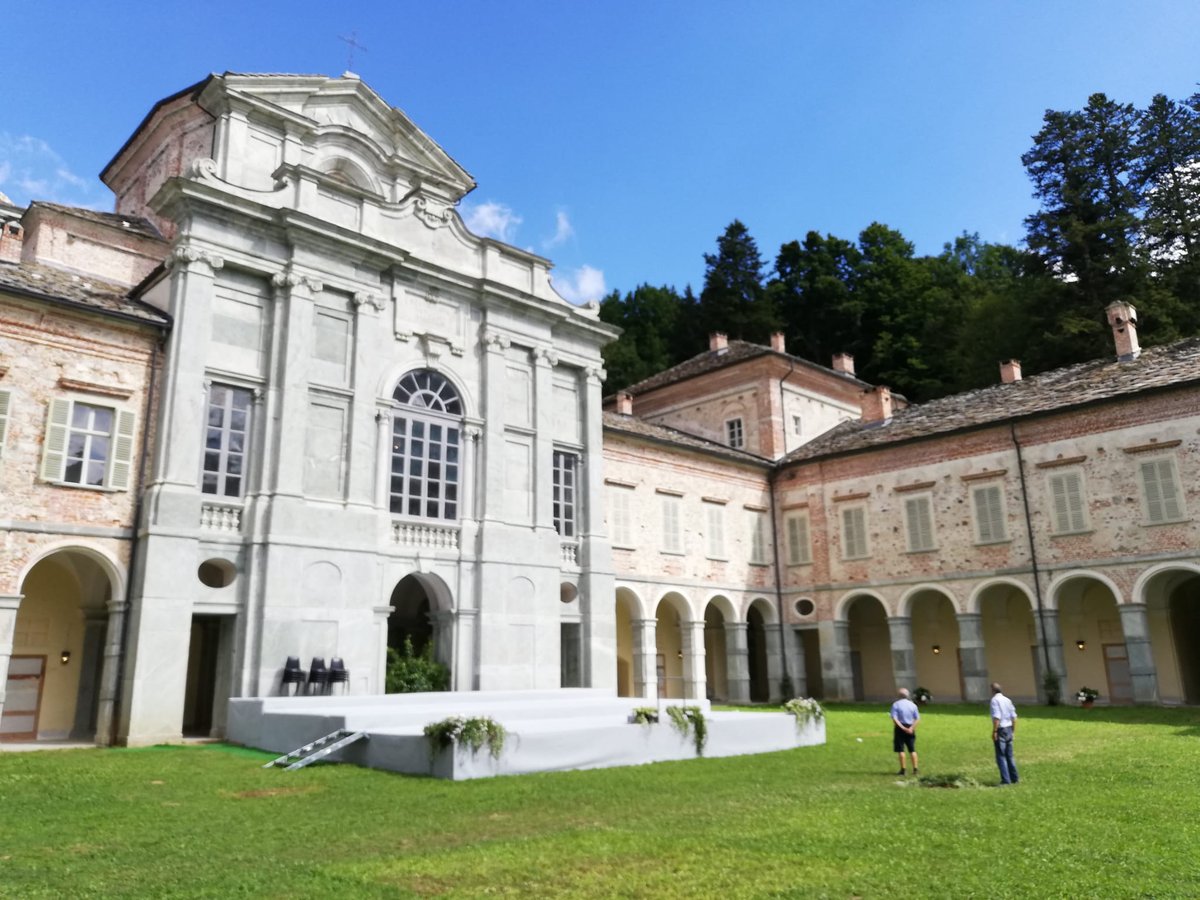 Valcasotto Royal Palace, at an altitude of 1090 meters in the municipality of Garessio, is one of the most fascinating and lesser-known Savoy residences. Originally a Carthusian monastery founded in the 11th century, possibly by Saint Bruno himself, it still retains the intimate atmosphere of an ancient monastery. Charles Albert of Savoy purchased it in 1837 and transformed it into a summer hunting residence, while his son Victor Emmanuel II frequented it regularly with his children. Here, Princess Maria Clotilde received news of her arranged marriage to a cousin of Napoleon III – a historical episode that still lingers in the rooms. Today, after a long restoration, the palace is open to the public with guided tours from April to October. The tour includes the fully furnished north wing: from Prince Umberto's room with its canopy and porcelain service, to Maria Clotilde's room with original embroideries. The royal chapel, a work by Vittone, houses columns of local marble and 18th-century frescoes. Don't miss the bell tower and the archaeological area with the ruins of the ancient church. The full ticket costs 10 euros, reduced 8, and the tour lasts about an hour. The site is immersed in beech and pine forests, ideal for a walk after the tour. The simplicity of the interiors, far from the opulence of other palaces, tells of a more intimate and family-oriented court life. A gem to discover.
Castello di Pollenzo: History, Architecture, and Flavors
- Piazza Vittorio Emanuele II, Bra (CN)
- Open in Google Maps
- View on Google Images
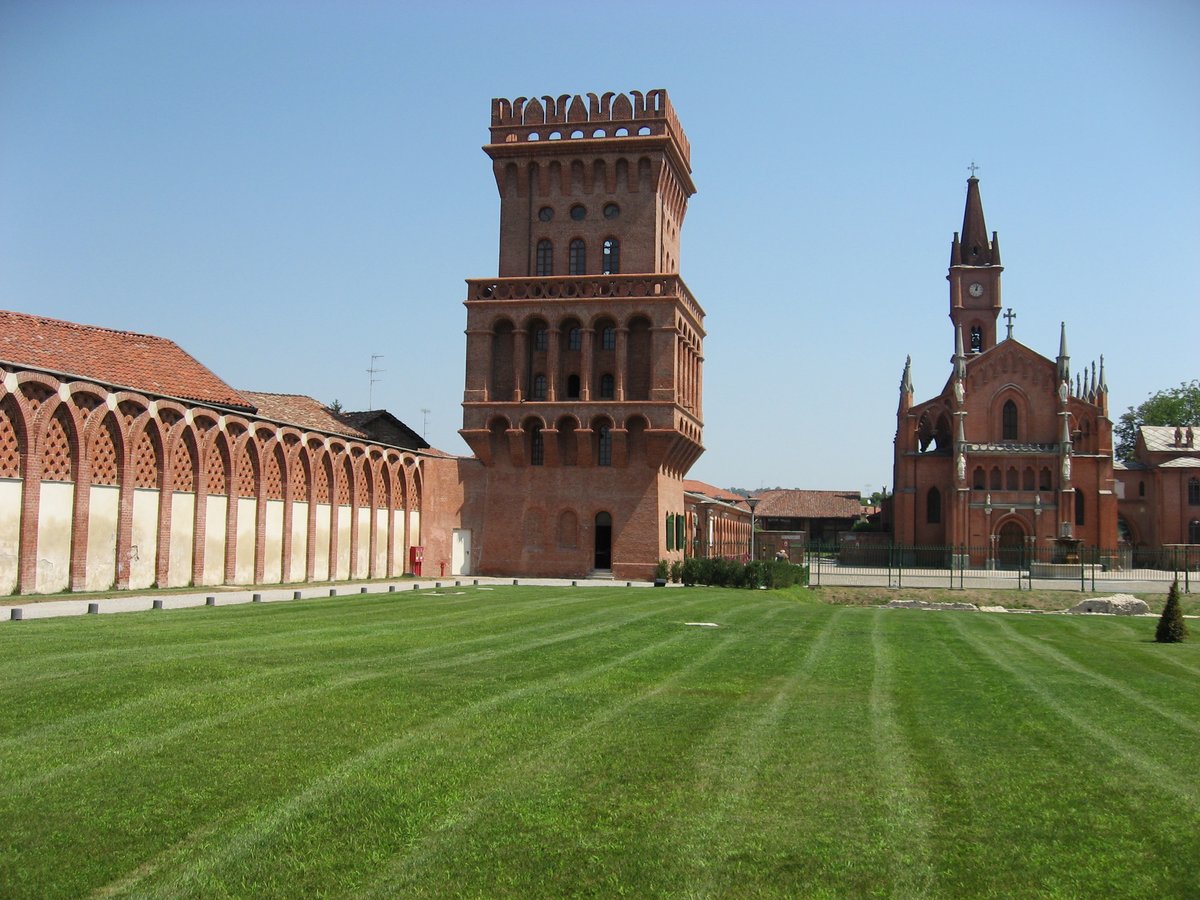 If you think Castello di Pollenzo is just a noble residence, you're wrong. This complex, just a few kilometers from Bra, is today the beating heart of Italian food culture. A UNESCO World Heritage Site since 1997, it has ancient origins: it stands on the site of the Roman city of Pollentia, and the current castle was built in 1386 by Antonio Porro. The real turning point came with Carlo Alberto, who between 1832 and 1847 transformed it into a model estate in Neo-Gothic style, with the help of architects such as Pelagio Palagi and Xavier Kurten. Today, however, the royal castle is privately owned and not open to visitors. Don't worry: the Agenzia complex is all to be discovered. It houses the University of Gastronomic Sciences, founded by Slow Food, and the Wine Bank, a cellar with over 40,000 labels, open to the public for tastings. The architecture is worth a stroll: the cylindrical tower 46 meters high, the portico with round arches, the ballroom with glass ceiling and fountain. The interiors are rich in neoclassical paintings and gilded pilasters. To visit the Agenzia, admission is free every day from 9 am to 7 pm. The Wine Bank is open Monday to Saturday, 10 am-2 pm and 2:30 pm-6 pm. If you want to learn more, download the Pollenzo Web App for a multimedia tour. In short, a place that combines history, architecture and taste. Not to be missed.
Ecomuseo delle Rocche del Roero: The Roero's Dispersed Museum
- Via Cavour 20, Montà (CN)
- https://www.ecomuseodellerocche.it/it/
- Open in Google Maps
- View on Google Images
- info@ecomuseodellerocche.it
- +39 0173 976181
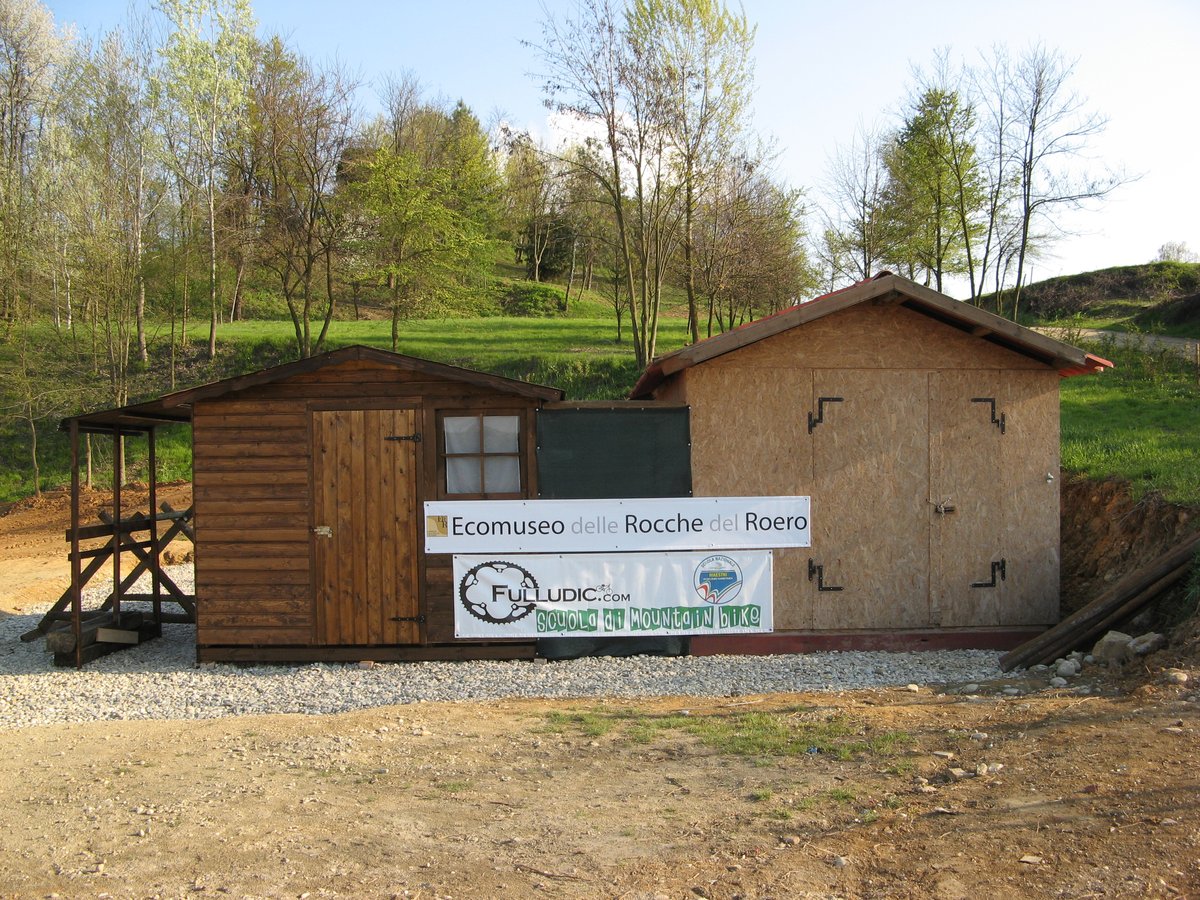 Ecomuseo delle Rocche del Roero: don't call it a traditional museum. It is an open-air museum that embraces eight villages perched on the hills of the Roero, starting from Montà, where the information point is located. Established in 2003 by the Piedmont Region, this widespread ecomuseum tells the story of a unique territory, marked by a spectacular geological phenomenon: the Rocche, sand chasms formed about 250,000 years ago when the Tanaro River changed its course. The result? A lunar landscape, with sandy walls and microclimates that alternate between arid and humid zones, recognized by UNESCO. What to do here? Walk, cycle, explore. The ecomuseum has mapped over 250 km of themed trails, 26 loop paths crossing woods, Arneis and Nebbiolo vineyards, and medieval villages. Each trail has its own soul: there's the Truffle Trail, following the tracks of truffle hunters; the Wolf Trail, recalling the historical presence of wolves; the Chestnut Trail, with centuries-old specimens like the Castagna Granda in Monteu Roero (over 400 years old). To avoid getting lost, download the izi.Travel app and activate the GPS audio guide: it will tell you curiosities and legends as you walk. Practical info: the Montà office is at Piazzetta della Vecchia Segheria 2/b. Open Tuesday to Saturday 9:30-12:30, Wednesday and Thursday also 2:30-5:00 PM; from April to October also Sunday mornings. Closed on Mondays. Phone 0173 976181, website ecomuseodellerocche.it. Online reviews (average 4.5/5) praise the views but suggest downloading GPS tracks because signage is not always perfect. A tip from a passionate traveler: bring comfortable shoes, a water bottle, and the curiosity to discover a Roero far from mass tourism.
Prunetto Castle: History and Panoramic Views
- Go to the page: Prunetto Castle: Medieval Fortress with Panoramic Views over the UNESCO Langhe
- Vialetto Castello, Borgo Carro (CN)
- Open in Google Maps
- View on Google Images
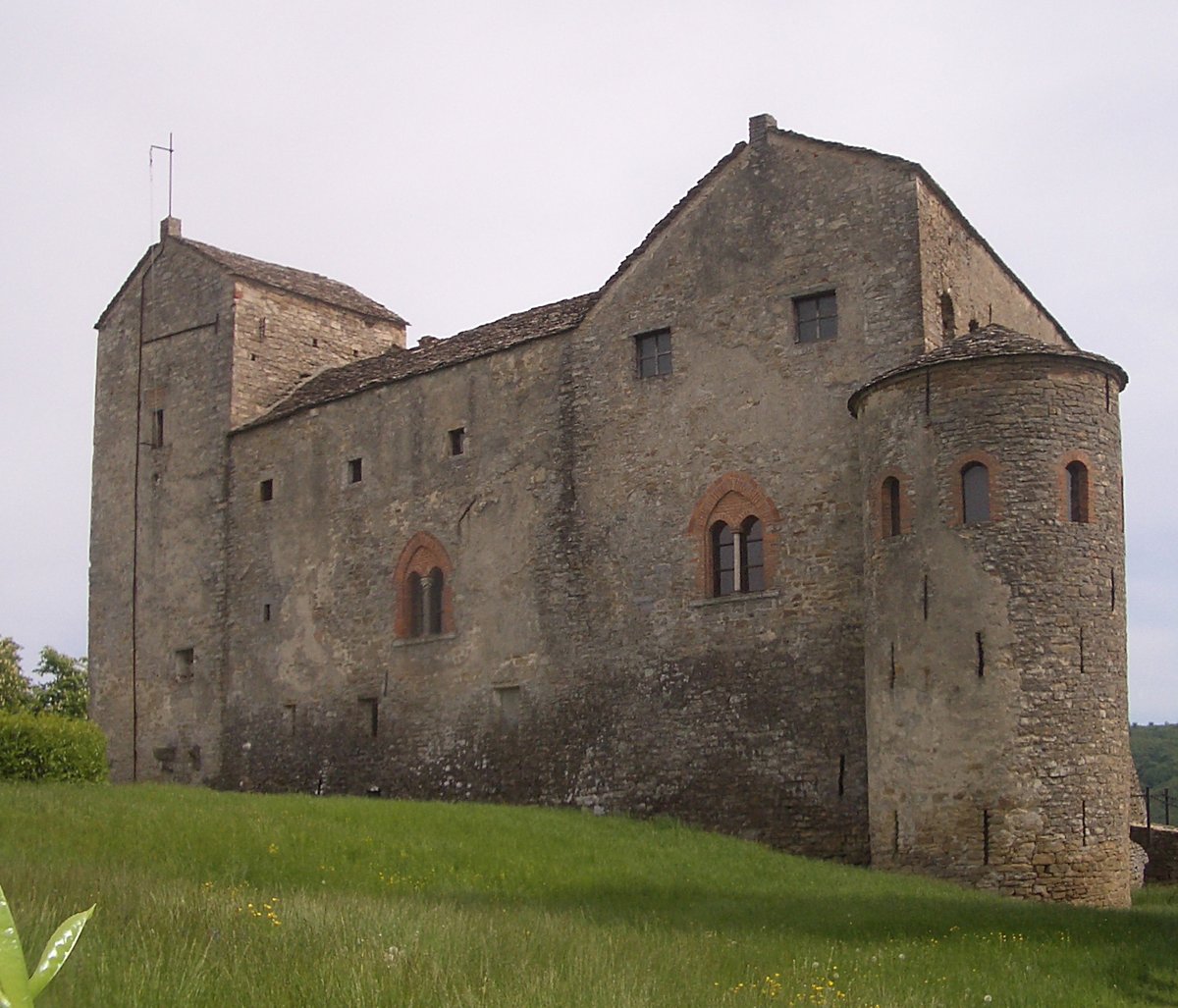 Perched on a hill at 750 meters above sea level, Prunetto Castle is one of the most fascinating manors of Alta Langa. Built between the 12th and 13th centuries around an 11th-century square tower, it was a fief of the Del Carretto Marquises, then the Scarampi family, and finally passed to the House of Savoy in 1735. Today, it is almost entirely open to visitors, including the cellars. Its local stone walls tell centuries of history: inside, the Scarampi chapel has become a library, while the upper-floor rooms feature 18th-century furniture and a hall with a wooden ceiling and monumental fireplace. The visit is made easy by an interactive route with audio guides in four languages (Italian, English, German, and Piedmontese), accessible year-round via QR code. In summer (May to October), guided tours are available on Sundays at 3, 4, and 5 p.m. Don't miss a walk to the nearby Sanctuary of Madonna del Carmine, from the 17th century, and the view that stretches to Monviso on clear days.
Roddi Castle: A Medieval Jewel in the Langhe, Where Truffles Reign
- Via Carlo Alberto, Roddi (CN)
- Open in Google Maps
- View on Google Images
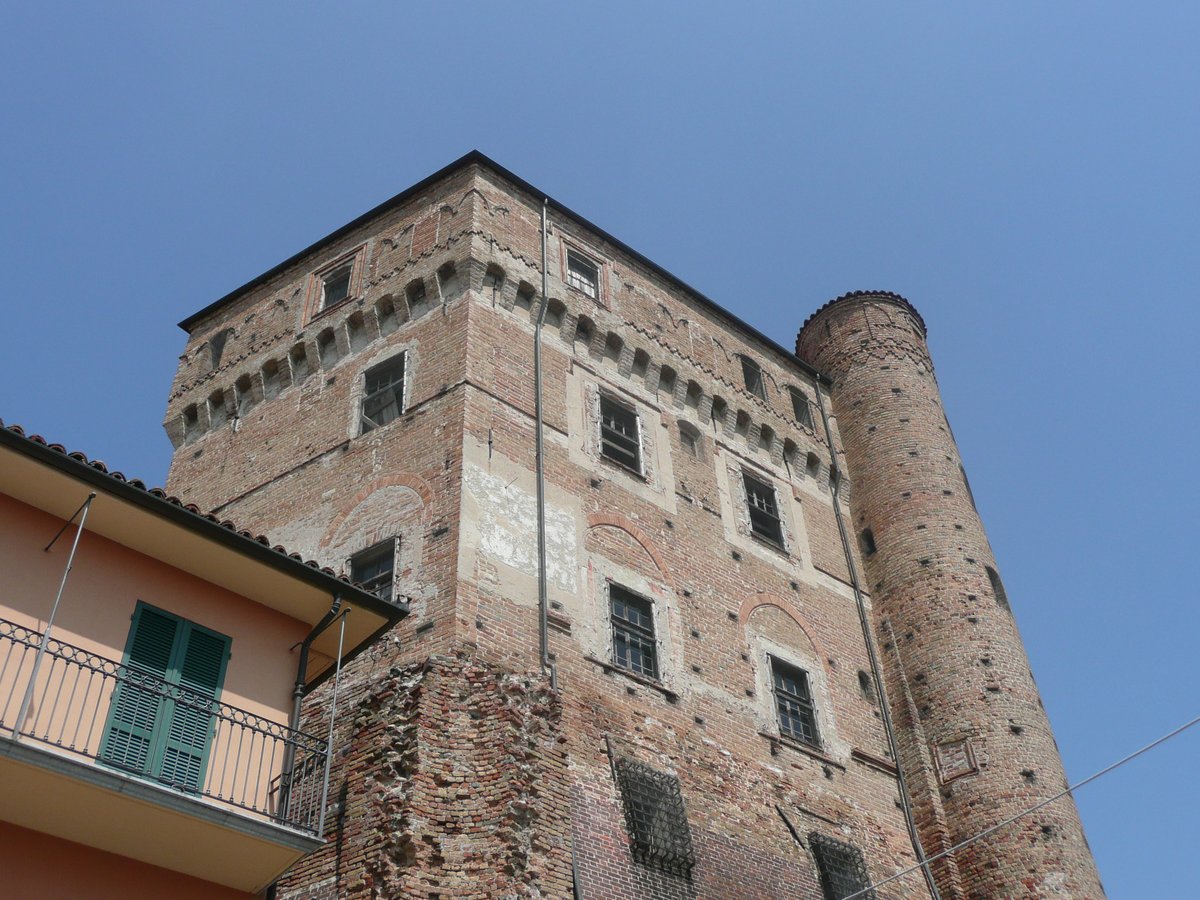 Perched on a hill overlooking the village of Roddi, Roddi Castle is one of the most fascinating examples of medieval fortified architecture in the Langhe. Its origins date back to the 11th century, but its current appearance is the result of renovations commissioned by the Faletti family between the late 14th and early 15th centuries. The structure is imposing: a three-story central body flanked by two cylindrical towers—one slender and tall (the main tower, designed as a lookout and last refuge) and the other lower, with machicolations on the top floor testifying to the original defenses. Inside, coffered wooden ceilings and 16th-century kitchens retain their period charm.
The castle's history is tied to great families: in 1526 it was purchased by Giovanna Carafa on behalf of Giovanni Francesco II Pico della Mirandola, and after his assassination it became a refuge for his heirs. It then passed to the Della Chiesa of Saluzzo in 1690, to the House of Savoy after the Congress of Vienna, and finally to the Municipality of Roddi in 2001. Today, the castle is a food and wine hub: inside is the International School of White Truffle Alba Cooking, with a teaching kitchen equipped with 12 stations, and at its foot, since 1880, the University of Truffle Dogs founded by Antonio Monchiero. The castle is part of the UNESCO site "Vineyard Landscape of Piedmont: Langhe-Roero and Monferrato."
Visits are only possible with a guide (duration 45 minutes) from May to November, on Sundays and holidays, from 10:30 AM to 1:30 PM and from 2:30 PM to 6:30 PM. Full ticket €6, free for under 14s and holders of the Abbonamento Musei. Not wheelchair accessible. An experience that combines history, architecture, and the unmistakable aroma of truffles.
Piemontese Railway Museum: Trains, Memories, and Marvels
- Via Coloira 7, Savigliano (CN)
- http://www.museoferroviariopiemontese.it
- Open in Google Maps
- View on Google Images
- savigliano@museoferroviariopiemontese.it
- +39 0172 31192
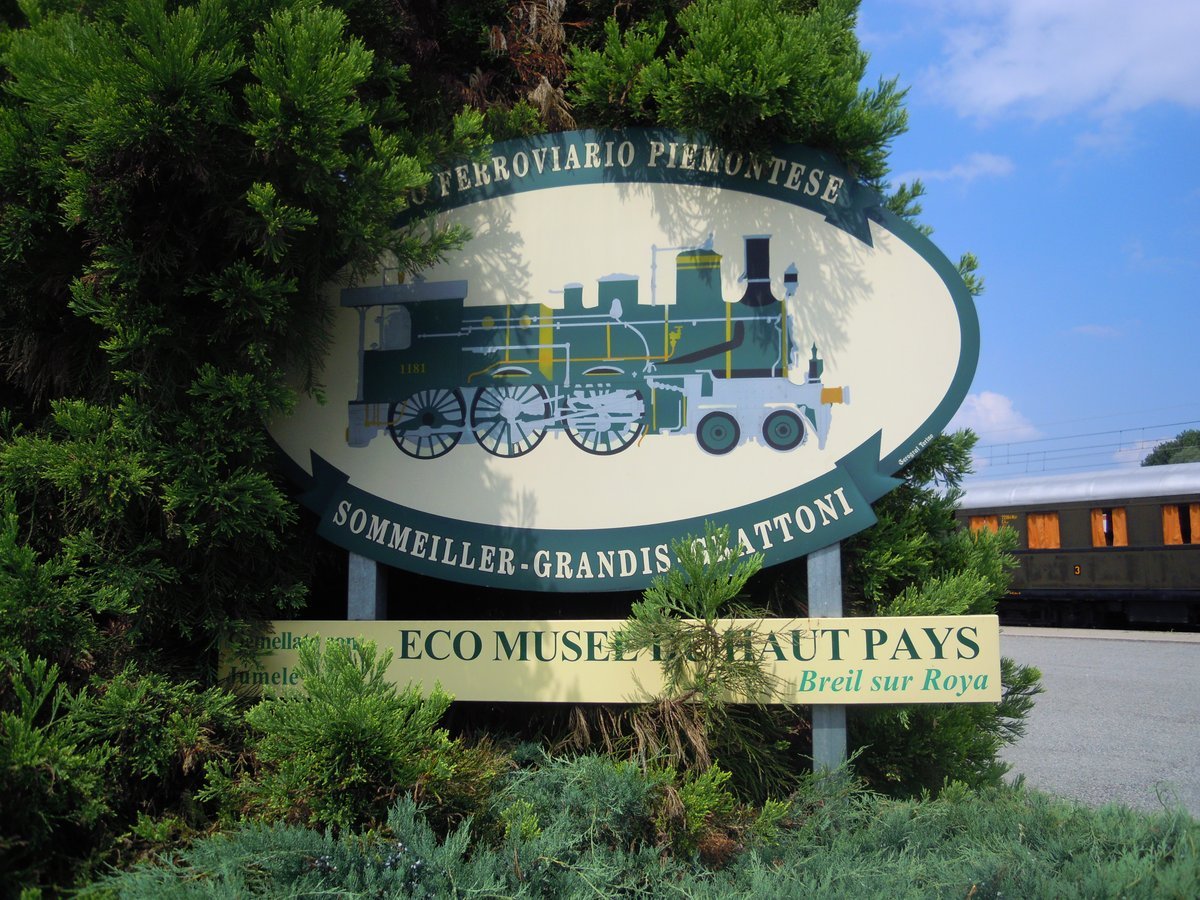 If you think a railway museum is just a row of stationary old trains, the Piemontese Railway Museum in Savigliano will change your mind. Here, on an area of 31,500 square meters, the tracks are still active and the vehicles actually move. The beating heart is the 21-meter turntable from the 1920s: watching it rotate with a steam locomotive on top is a spectacle that tastes of living history. And then there are over sixty rolling stock: steam, electric, and diesel locomotives, carriages, freight cars, and even a crane from 1860. The best part? You can board many of them. Kids go crazy for the pedal cars and the miniature train, while nostalgics get emotional in front of the Pendolino, the first Italian high-speed train born right here. The setup is curated by passionate volunteers who restore the vehicles with dedication. There is also an indoor section with dioramas and models, including a giant digital system that simulates real traffic. The museum is accessible to all, without architectural barriers, and parking is free. The atmosphere is that of a dream workshop: smell of iron and coal, sounds of whistles and screeching wheels. A place that feels authentic, far from dusty museums. Come at a leisurely pace, because here time stops as in a station from another era.
Saluzzo's Castiglia: A Journey Between Knights and Prisons
- Via San Lorenzo, Saluzzo (CN)
- Open in Google Maps
- View on Google Images
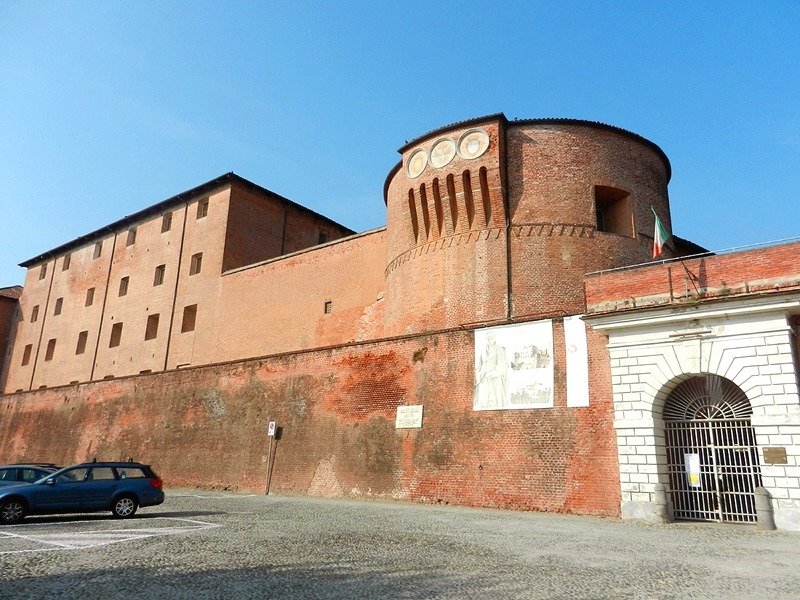 La Castiglia dominates the medieval village of Saluzzo from its highest point, with Monviso in the background. Built between 1270 and 1286 at the behest of Marquis Tommaso I, its name derives from the Latin 'castella'. The original quadrangular fortress was transformed into a noble residence by Ludovico II on the occasion of his marriage to Margherita of Foix in 1492, when the massive circular tower was added. For centuries it was a prison: from 1825 to 1992 it functioned as a jail, profoundly shaping its structure. Today, the Castiglia is an extraordinary museum complex. On the third floor, the Museum of Chivalric Civilization tells the story of the Marquisate of Saluzzo through 11 multimedia rooms: films, document reproductions, interactive games. Visitors discover figures such as Ludovico II, Margherita of Foix, and the legendary Griselda. In the basement, the Prison Memory Museum is set up in the cells of the former penitentiary: found objects, testimonies, life stories like that of the brigand Delpero. A touching and thought-provoking experience. The perimeter walls offer an unmissable panoramic walkway. Inside there is also a restaurant (closed Tuesday and Wednesday) for a gastronomic break, with dishes such as ravioli and vitello tonnato. Practical info: Piazza Castello 1, entrance €8 (reduced €5), open from March to October on Monday, Thursday, Friday, and Saturday 10am-1pm and 2pm-6pm, Sunday until 7pm. Reduced hours in winter. Accessible for the disabled. If you pass through Saluzzo, don't miss the Castiglia: it uniquely combines history, art, and memory.