
🧭 What to Expect
Ideal for a weekend getaway or a week between lake and mountains Highlights: Villa Panza, Torba Monastery, Rocca di Angera Outdoor experiences on Campo dei Fiori and along the Lake Maggiore trails UNESCO Heritage of the Sacro Monte and authentic villages like Arcumeggia Culture and tradition in Varese's museums and local flavors
Events nearby

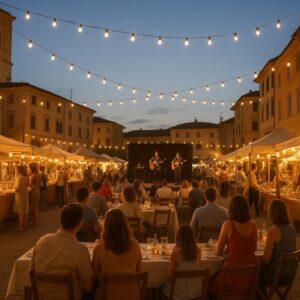

The province of Varese is a concentrated surprise: not only Lake Maggiore with its islands, but also the Sacro Monte UNESCO heritage site, neoclassical villas, medieval villages, and a green hinterland. Start from Varese city to visit Villa Panza with its contemporary art collection and Italian gardens. Just outside, the Torba Monastery offers a dive into the early Middle Ages. On the Lombard shore of the lake, Rocca di Angera dominates the village with its doll museum. For aviation enthusiasts, Volandia in Somma Lombardo is a unique theme park. Don't miss Arcumeggia, the painted village, and Villa Cicogna Mozzoni in Bisuschio, an example of a stately home. In Besano, the fossil museum tells the prehistoric past. For hikers, the trails of Campo dei Fiori offer breathtaking views. Finally, Castelseprio with its early Christian basilica and the Verbano Railway Museum in Luino complete a rich and varied picture. Every stop is easily reachable, ideal for a slow journey between art and nature.
Overview
- Villa Panza: Lights, Colors, and History on Biumo Hill
- Torba Monastery: Lombard History Amidst Nature and Silence
- Rocca di Angera: Lakeside Fortress
- Rocca di Angera: Lakeside Fortress
- Volandia: the dream of flight a stone's throw from Malpensa
- Arcumeggia: Italy's First Painted Village
- Villa Cicogna Mozzoni: A Renaissance Gem
- Besano Civic Fossil Museum: A 240-Million-Year Journey
- What to see: Basilica of Saint John the Evangelist
- Baroffio Museum: Masterpieces on the Sacred Mountain of Varese
- Villa Toeplitz: An Eclectic Jewel Between East and West
- Civic Museums of Villa Mirabello: Archaeology and the Risorgimento
- Verbano Railway Museum: A Journey Along the Tracks of History
- Enrico Butti Museum in Viggiù: Plaster Casts, History, and Sculpture
- G. Gianetti Ceramics Museum: Porcelain and Family History in Saronno
- Grand Hotel Campo dei Fiori: Decadent Charm and a Future
Itineraries nearby
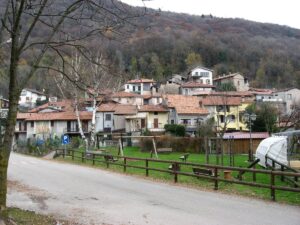


Villa Panza: Lights, Colors, and History on Biumo Hill
- Piazza Litta 1, Varese (VA)
- https://fondoambiente.it/luoghi/villa-e-collezione-panza
- Open in Google Maps
- View on Google Images
- faibiumo@fondoambiente.it
- +39 0332 283960
 If you think a historic villa is all mirrors and stucco, Villa Panza will change your mind. Perched on Biumo Hill in Varese, this 18th-century residence is a temple of contemporary art. Giuseppe Panza, a visionary collector, began transforming it in the 1950s, bringing over 150 works by American artists. The common thread? Light and color. In every room, you'll find installations by giants like Dan Flavin (the collection boasts the largest permanent exhibition of his works), James Turrell, and Robert Irwin – truly breathtaking. But the villa is also a dive into the past: Renaissance furnishings and African and pre-Columbian collections coexist in perfect harmony with modern art. Outside, the 33,000 sqm park is an English-style gem, with Land Art pieces and romantic corners. For a full experience, stop by Ristorante Luce: dishes use produce from the park's vegetable garden and orchards. Hours: open Tuesday to Sunday from 10 am to 6 pm (last entry at 5:15 pm), closed Mondays. Full ticket is €15 and includes the current exhibition. If arriving by car, there's internal parking at €3 per day. Tip: don't miss the rustico wing, where site-specific installations alternate – it's a true cathedral of light.
Torba Monastery: Lombard History Amidst Nature and Silence
- Via Stazione 2, Biciccera (VA)
- https://fondoambiente.it/luoghi/monastero-di-torba
- Open in Google Maps
- View on Google Images
- faitorba@fondoambiente.it
- +39 0331 820301
 If you're passing through the province of Varese, the Torba Monastery is an unmissable stop. Located in Biciccera, a hamlet of Gornate Olona, it is immersed in the green countryside. Upon arrival, you are struck by the blend of antiquity and tranquility: the site is one of the best-preserved from the Lombard era in Italy. Entering, your first glance goes to the bell tower, imposing and austere, built with river pebbles and bricks. Inside, the Church of Santa Maria preserves medieval frescoes that tell stories of saints and angels. The atmosphere is almost magical, with silence broken only by birdsong. Walking among the buildings, you come across the cloister, a peaceful corner where monks once prayed. Today, the monastery is managed by the FAI, which has carefully restored it and opens it to the public. It is a place that invites reflection, to slow down, and to imagine life centuries ago. Guided tours are available, but you can also explore independently with an audio guide. Don't forget to look out from the walkway along the walls: the view over the valley is splendid, especially in autumn when the colors come alive. In short, a hidden gem worth a stop, far from the city chaos.
Rocca di Angera: Lakeside Fortress
- Go to the page: Rocca di Angera: medieval fortress on Lake Maggiore
- Via Rocca Castello, Angera (VA)
- Open in Google Maps
- View on Google Images
 Perched on a rocky spur overlooking Lake Maggiore, the Rocca di Angera is one of those places that takes your breath away as soon as you see it. Getting here, between the greenery and the water, already gives you an idea of how strategic this fortress was for controlling lake traffic. Taken over by the Borromeo family in 1449, the Rocca is a complex of five buildings constructed between the 11th and 17th centuries. One of the things that struck me most is the Hall of Justice with its frescoes by the Master of Angera: they tell the story of Ottone Visconti's victory over the Torriani in 1277, and are among the best-preserved medieval cycles in Lombardy. A leap back in time, almost magical.
Then there's the Doll and Toy Museum, founded by Princess Bona Borromeo in 1988. It houses over a thousand dolls from the 18th century to today, made of porcelain, wax, wood, and cloth. There are French and German automata, miniature houses, music boxes: an incredible collection that makes you feel like a child again. And it's not over: the Medieval Garden, reconstructed in 2008 based on ancient codes and manuscripts, is a peaceful corner with medicinal plants and a panorama that stretches over the lake and the Alps.
If you're short on time, head straight to the Castellana Tower: the view from up there is amazing. The Rocca is open from March 12 to November 8, 2026, every day from 10 am. Tickets cost €18 for adults, reduced for children. I recommend pairing the visit with a boat trip on the lake or a stop at Isola Bella.
Rocca di Angera: Lakeside Fortress
- Go to the page: Angera Fortress: Borromeo Castle with Europe's Largest Doll Museum
- Via Rocca Castello, Angera (VA)
- Open in Google Maps
- View on Google Images
Perched on a rocky spur overlooking Lake Maggiore, the Rocca di Angera is one of those places that takes your breath away as soon as you see it. Getting here, between the greenery and the water, already gives you an idea of how strategic this fortress was for controlling lake traffic. Taken over by the Borromeo family in 1449, the Rocca is a complex of five buildings constructed between the 11th and 17th centuries. One of the things that struck me most is the Hall of Justice with its frescoes by the Master of Angera: they tell the story of Ottone Visconti's victory over the Torriani in 1277, and are among the best-preserved medieval cycles in Lombardy. A leap back in time, almost magical.Then there's the Doll and Toy Museum, founded by Princess Bona Borromeo in 1988. It houses over a thousand dolls from the 18th century to today, made of porcelain, wax, wood, and cloth. There are French and German automata, miniature houses, music boxes: an incredible collection that makes you feel like a child again. And it's not over: the Medieval Garden, reconstructed in 2008 based on ancient codes and manuscripts, is a peaceful corner with medicinal plants and a panorama that stretches over the lake and the Alps.
If you're short on time, head straight to the Castellana Tower: the view from up there is amazing. The Rocca is open from March 12 to November 8, 2026, every day from 10 am. Tickets cost €18 for adults, reduced for children. I recommend pairing the visit with a boat trip on the lake or a stop at Isola Bella.
Volandia: the dream of flight a stone's throw from Malpensa
- Go to the page: Volandia: 100 Historic Aircraft in the Caproni Hangars at Malpensa
- Via per Tornavento 15, Somma Lombardo (VA)
- https://www.volandia.it/
- Open in Google Maps
- View on Google Images
- info@volandia.it
- +39 0331 230642
 If you think an aviation museum is just for engineers or enthusiasts, think again. Volandia, in Somma Lombardo, is a park-museum that captivates everyone, young and old. Picture 60,000 square meters of indoor space inside the historic Caproni workshops, just steps from Malpensa Airport. Here you can breathe the history of flight, from hot air balloons to modern convertiplanes, and even step inside real aircraft. The exhibit is divided into 11 themed areas: fixed wing, rotary wing, space, and much more. Among the unique pieces is the Caproni Ca.1 biplane, the oldest preserved Italian aircraft. Traveling with kids? Don't miss the indoor and outdoor play areas, flight simulators (for ages 12+), and the planetarium. The museum also houses the Piazzai collection of 1,200 model aircraft and the Ogliari Transport Museum. Full-price tickets cost €15, children's tickets €10. Tip: arrive on foot from Malpensa T1 station (15 minutes) and park for free. Open Tuesday to Sunday, closed Mondays. An experience that blends culture and fun, ideal even in winter since everything is indoors.
Arcumeggia: Italy's First Painted Village
 Perched on the Varese Prealps at 570 meters above sea level, Arcumeggia is a hamlet of Casalzuigno worth a detour. Here, since 1956, the Provincial Tourist Board has turned houses into living canvases, inviting artists of the caliber of Treccani, Sassu, Carpi, and Brindisi to paint frescoes directly on the facades. Today the village boasts over 160 works, an open-air gallery ranging from religious scenes to moments of peasant life. Strolling through alleys and lanes, you come across the Via Crucis on the parvis of Sant’Ambrogio, with 14 stations created by various masters. Don't miss the Casa del Pittore, the artists' residence that holds sketches and preparatory cartoons. If you visit at Christmas, you'll find the 'Adoremus' initiative with about 60 illuminated nativity scenes until January 7. The view spans from Monte Rosa to Lake Maggiore, and in the surroundings you can discover remnants of the Cadorna Line. The village is free, open 24 hours a day, with accessible parking and a restaurant. Perfect for a day trip, to be paired with Villa Della Porta Bozzolo. Wear comfortable shoes: the charm is all uphill.
Villa Cicogna Mozzoni: A Renaissance Gem
- Viale Cicogna 8, Bisuschio (VA)
- https://www.villacicognamozzoni.it
- Open in Google Maps
- View on Google Images
- +39 0332 471134
 Nestled in the green Valceresio, Villa Cicogna Mozzoni is one of the most enchanting Renaissance villas in the province of Varese. Its story begins in 1440, when the Mozzoni family built a hunting lodge for bears and wild boars. It was during a hunting party that Duke Galeazzo Maria Sforza was saved from a bear thanks to Agostino Mozzoni's dog: for this, the family obtained ducal privileges. Around 1530, the complex was expanded and transformed into a pleasure villa, with the addition of a second wing and an Italian garden on seven levels, inspired by the Medici villas. Today, the villa retains its intact charm. The courtyard of honor, with its red porphyry from Cuasso floor and the family coat of arms, is surrounded by a portico with Tuscan columns in Viggiù stone. The frescoes, attributed to the Campi brothers of Cremona, adorn the porticoes and rooms with mythological and hunting scenes. 12 rooms are open to visitors, furnished with period pieces, including the library with over 5,000 volumes and the Grand Hall of Honor with a stone fireplace. The garden is a true masterpiece: terraces, fountains, box hedges, and a 16th-century water staircase leading up to a panoramic temple. Don't miss the double staircase of 156 steps flanked by cypress trees. The villa is open from late March to late October every Sunday and holiday, with guided tours. Full ticket is 8 euros, reduced for groups and FAI members. A place that enchants with its timeless atmosphere, perfect for a day trip to discover Lombard Renaissance.
Besano Civic Fossil Museum: A 240-Million-Year Journey
- Via Pietro Prestini 5, Besano (VA)
- Open in Google Maps
- View on Google Images
- +39 349 2182498
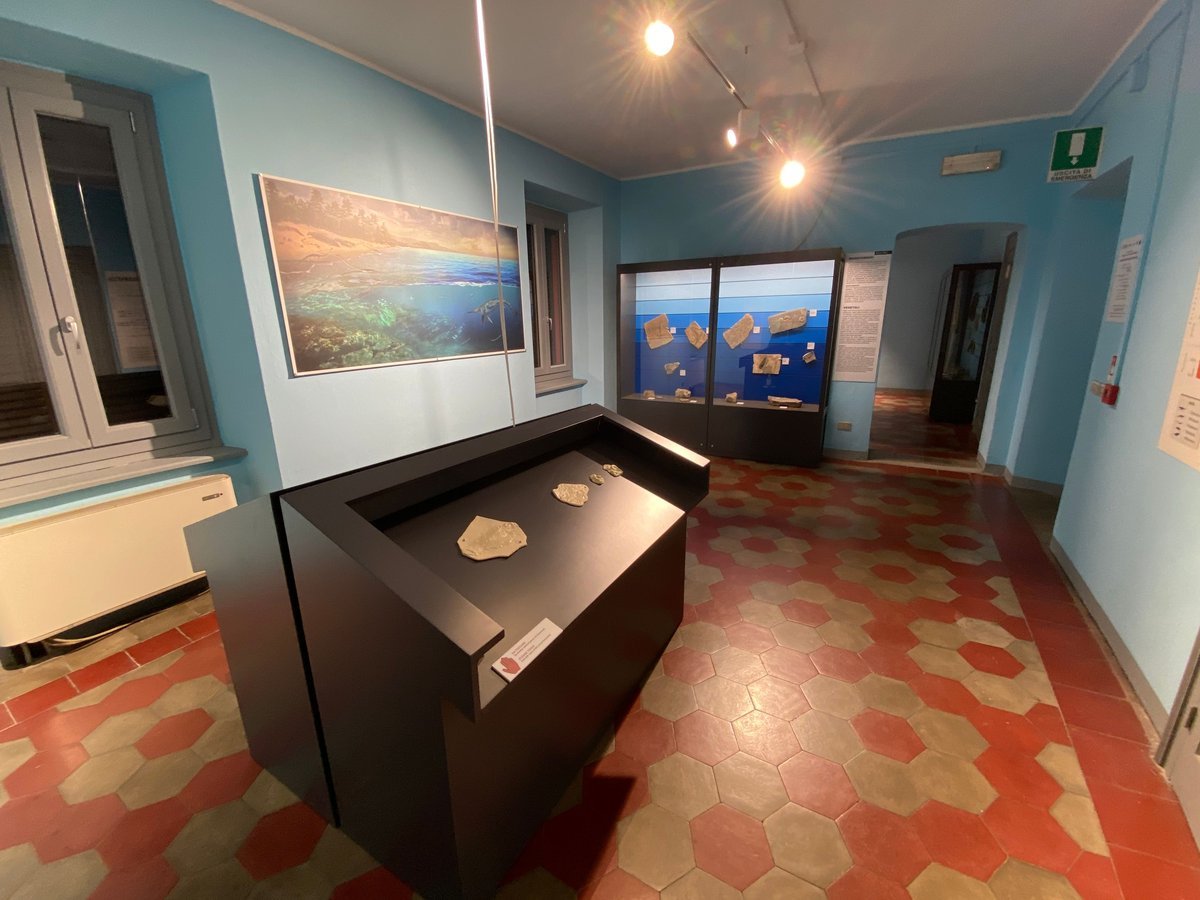 If you're a paleontology enthusiast or simply curious to see creatures that lived 240 million years ago up close, the Besano Civic Fossil Museum is an unmissable stop on your tour of the province of Varese. Inaugurated in 1981 and recently renovated, the museum is part of the UNESCO Monte San Giorgio site, one of the richest fossil deposits in the world. Here you can admire specimens from the Middle Triassic, when the area was a shallow tropical sea. The highlight is the skeleton of the Besanosaurus, an ichthyosaur nearly 6 meters long discovered in 1993, which astonishingly preserves four embryos in its abdomen – an exceptional find. Equally fascinating is the Saltriovenator, the only large carnivorous dinosaur ever found in Italy. The five exhibition halls are dedicated to marine reptiles, fish, invertebrates, and fossil plants, all enhanced by life-size reconstructions and informative panels. The museum is open on Tuesdays, Saturdays, and Sundays (closed the rest of the week), with a full ticket at €4.50 (reduced €3). Note: it may currently be closed for renovation until 2026 – best to check the official website before planning your visit. In short, a place that combines science and wonder, perfect for families and enthusiasts.
What to see: Basilica of Saint John the Evangelist
- Via Castelvecchio, Castelseprio (VA)
- Open in Google Maps
- View on Google Images
 In the heart of the Castelseprio archaeological park, a stone's throw from Varese, the ruins of the Basilica of Saint John the Evangelist tell a thousand-year story. This is one of the UNESCO 'Longobards in Italy' sites, inscribed in 2011. The original complex, built between the 5th and 6th centuries, was an imposing example of early Christian architecture, with an octagonal baptistery, a bell tower, a sacristy, a cistern, and a well. But it was the Lombards in the 7th century who gave new life to the castrum, turning the basilica and baptistery into burial grounds for their nobles. Byzantine decorations – frescoes and mosaics – once covered the walls, testifying to a glorious past. Unfortunately, after the destruction of the castrum by the Visconti in the 13th century, the basilica slowly fell into ruin. Today, walking among the remains, you feel a unique atmosphere: silence broken only by the wind, ancient stones emerging from the grass. It's a place I recommend for those who love archaeology away from the crowds. The structures are reduced to ruins, but the site is well-maintained and accessible, with parking nearby. The Antiquarium, which displays artifacts, is not always open, so it's best to check hours and tickets on the official website. Guided tours are available on request. On Google, the site has an average rating of 4/5: visitors praise the tranquility and the evocative nature of the place. If you are in Varese and want to immerse yourself in Lombard history, don't miss this stop.
Baroffio Museum: Masterpieces on the Sacred Mountain of Varese
- Piazzetta del Monastero, Varese (VA)
- http://www.museobaroffio.it/
- Open in Google Maps
- View on Google Images
- info@museobaroffio.it
- +39 0332 212042
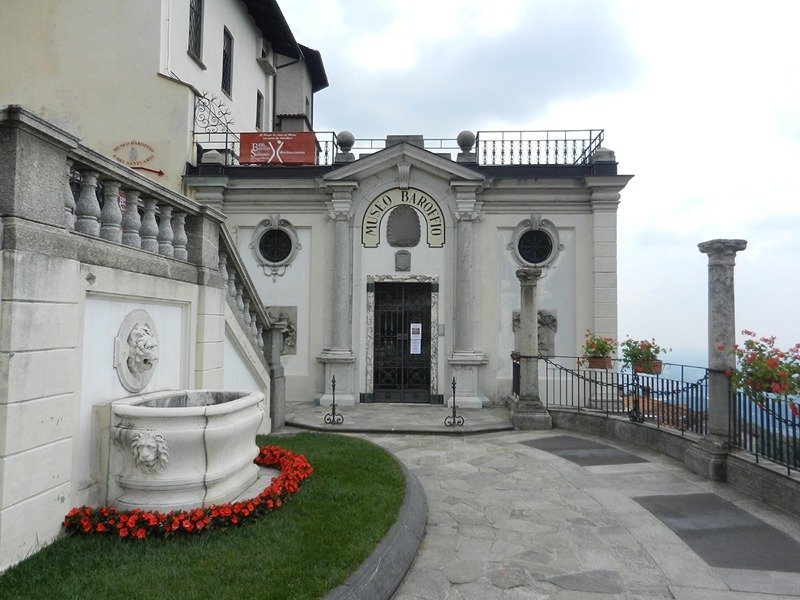 If you visit the Sacred Mountain of Varese, don't miss the Baroffio Museum and Sanctuary. Founded in 1929 thanks to the donation of Baron Giuseppe Baroffio Dall'Aglio and inaugurated in 1936, it is the oldest museum in the city still open to the public. The building was designed by Ludovico Pogliaghi, a talented painter, sculptor, and set designer. The itinerary unfolds over three floors, alternating bright rooms with hidden chambers beneath the Sanctuary, featuring remnants of 15th-century frescoes. Highlights include two altar frontals: one in gold brocade donated by Ludovico il Moro and Beatrice d'Este in 1494, and another nicknamed "Leonardesque" because it reproduces the Virgin of the Rocks. Also unmissable is the Madonna and Child by Domenico and Lanfranco da Ligurno (late 12th century). The contemporary art section, desired by Monsignor Pasquale Macchi, displays works by Guttuso, Matisse, and Rouault. Climb to the private terrace for a spectacular view over the Campo dei Fiori Park and the lakes of Varese, Comabbio, and Monate. Practical info: the museum is open Wednesday to Friday (2-6 PM) and Saturday-Sunday (10 AM-6 PM) from March to November. The ticket includes access to the Crypt, the ancient 9th-century church with 14th-century frescoes. A traveler's tip: book a guided tour on holidays to discover all the secrets of this treasure trove of art.
Villa Toeplitz: An Eclectic Jewel Between East and West
 Nestled in the Sant’Ambrogio district, Villa Toeplitz is one of those surprises that make you fall in love with Varese. Built at the beginning of the 20th century as a country residence for a German family, in 1914 it passed to banker Giuseppe Toeplitz, who radically transformed it. The result? An eclectic style blending Art Nouveau, Eastern influences, and a personal touch. But the real showstopper is the 8-hectare park, designed by his wife Edvige Mrozowska after her travels to Kashmir. Here, water takes center stage: fountains, streams, and pools lined with turquoise majolica tiles that seem straight out of a Mughal dream. The monumental porphyry staircase, water chains, and belvedere offer breathtaking views of the Sacro Monte. Don’t miss the Castiglioni Ethno-Archaeological Museum, housed in a historic villa: Egyptian and African artifacts recount decades of expeditions by the Castiglioni brothers. And if you’re a plant lover, the park boasts monumental trees such as a centuries-old beech, a Himalayan cedar, and a giant sequoia. The villa now houses the University of Insubria, but the interiors are not open to the public – the beauty is all outside. My advice: visit in the morning when the light plays with the fountains, and bring a book to lie on the grass. The park is free, open daily from 8:00 am (closing time varies, until 11:00 pm in summer). The museum is open Thursday to Sunday (full ticket €7). A peaceful oasis just a stone’s throw from the center.
Civic Museums of Villa Mirabello: Archaeology and the Risorgimento
- Piazza della Motta 4, Varese (VA)
- https://cultura.gov.it/luogo/civico-museo-archeologico-di-villa-mirabello
- Open in Google Maps
- View on Google Images
- museoarcheologico.mirabello@comune.varese.it
- +39 0332 255485
 If you're passing through Varese, the Civic Museums of Villa Mirabello are worth a stop. The villa sits on a hill overlooking the lake and the Alps, and the surrounding English-style garden—with ancient trees like a majestic cedar of Lebanon—is worth the stroll alone. Inside, the Archaeological Museum houses artifacts from the Neolithic to the Roman era, many from the UNESCO World Heritage pile-dwelling sites of Isolino Virginia and Bodio Lomnago. The highlight is the grave goods from the Warrior's Tomb of Sesto Calende (6th century BC), including remnants of a war chariot and horse harnesses. There's also the famous Cagnola glass cup and a rich Roman lapidary collection. The Risorgimento section is equally fascinating: a monumental painting by Eleuterio Pagliano depicts the landing of the Hunters of the Alps at Sesto Calende, and a multimedia project recounts the 1859 Battle of Varese. Admission is 5 euros (reduced 3, free under 18) and also grants entry to Masnago Castle. Open Tuesday to Sunday, with split hours on Friday and Saturday. Closed on Mondays. In short, a museum that tells layers of history in an elegant, relaxed setting.
Verbano Railway Museum: A Journey Along the Tracks of History
- Piazza Guglielmo Marconi 21, Luino (VA)
- https://verbanoexpress.com/
- Open in Google Maps
- View on Google Images
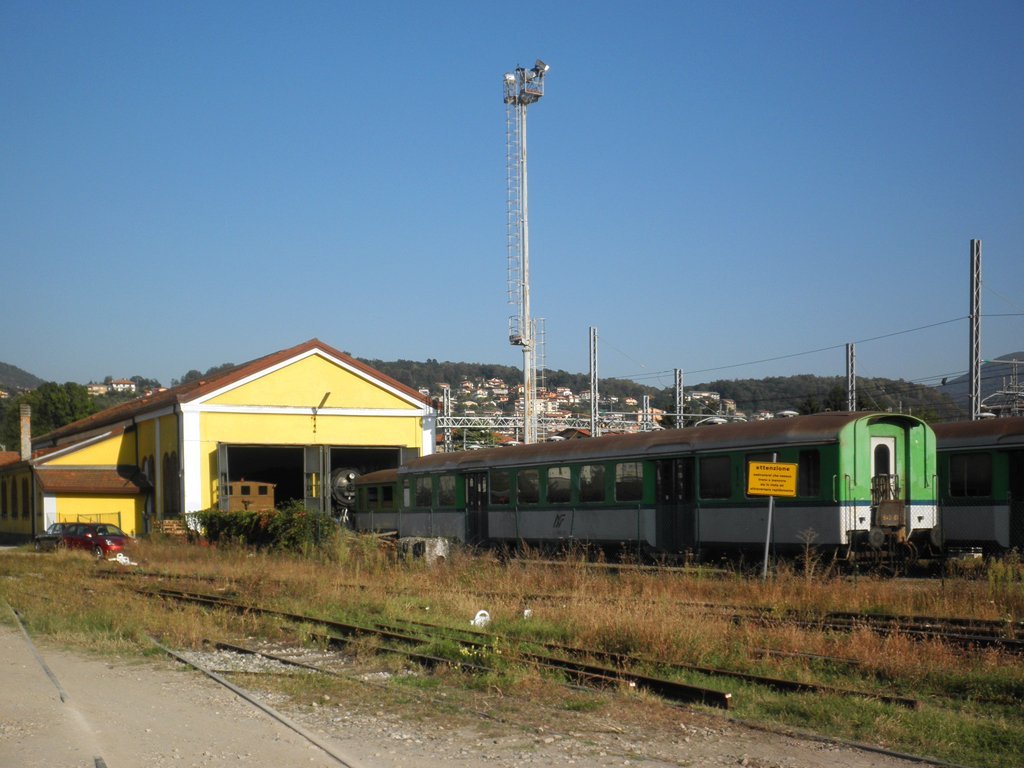 If you're passing through Luino, don't miss the Verbano Railway Museum, a hidden gem in the old 1882 locomotive shed. Here, the Verbano Express Association, active since 1990 (the museum opened in 1998), passionately preserves a unique railway heritage. The highlight? The steam locomotive BR 50 3673, built by Borsig in 1941: still operational, until recently it pulled vintage journeys to Switzerland along the Gotthard line. Alongside it, you'll find the Gr 625.116 from 1922, electric E.428s, Swiss diesel locomotives, and 1930s carriages. All set in a workshop atmosphere, with period tools and a lived-in feel. Unfortunately, since early 2026, the museum faces closure due to a dispute with Rete Ferroviaria Italiana, which demands an annual rent of €15,000 – unsustainable for volunteers. Activities are suspended, but it can still be visited by appointment (contact info@verbanoexpress.it). An authentic experience not to be missed if you love trains and history.
Enrico Butti Museum in Viggiù: Plaster Casts, History, and Sculpture
- Via San Martino, Viggiù (VA)
- Open in Google Maps
- View on Google Images
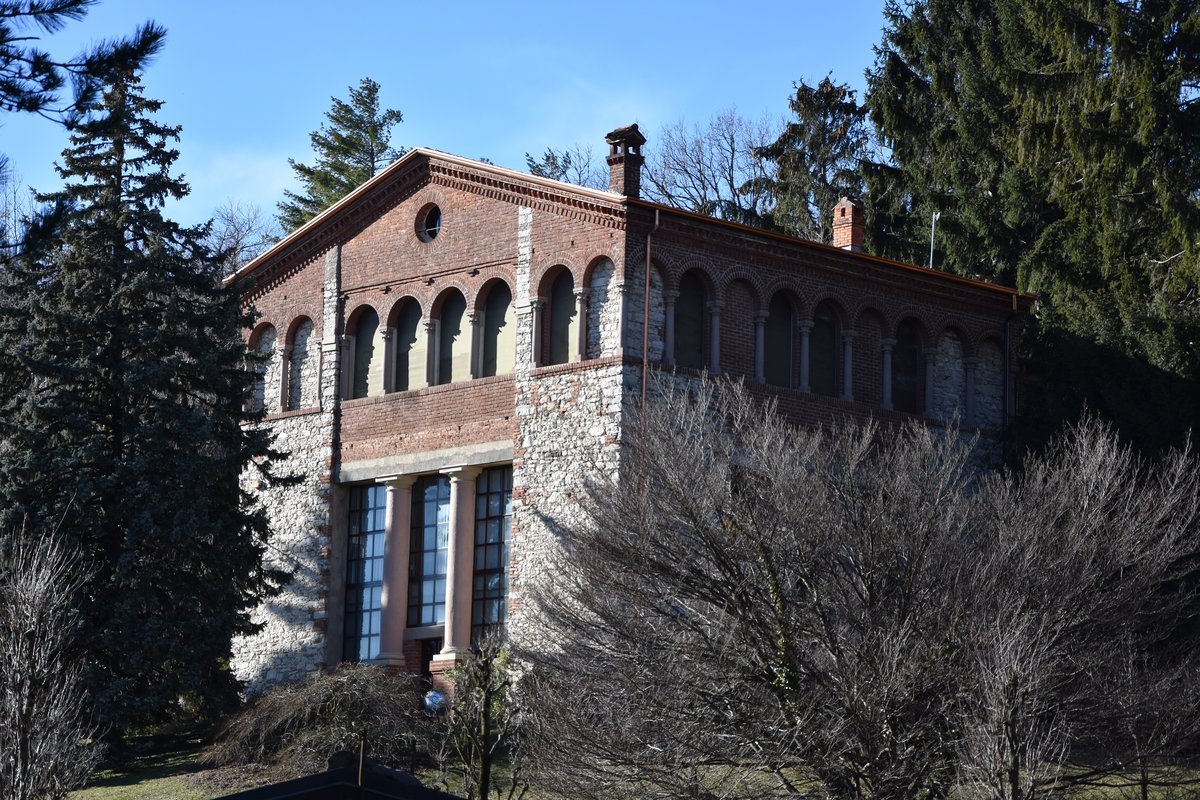 If you find yourself in Viggiù, you can't miss the Enrico Butti Museum. This plaster cast gallery houses 87 original plaster models by the Viggiù-born sculptor Enrico Butti (1847-1932), donated to the town in 1926 with the intention of creating a museum. The curious thing? Butti used to destroy his plaster casts after using them, but this donation saved them. The building was built specifically for the collection, and the original layout was designed by the artist himself in 1927. A true journey into his creative mind.
Wandering through the seven rooms, you'll encounter iconic works such as "The Miner" (which won the Grand Prix at the 1889 Paris Expo), the reliefs for the monument to Giuseppe Verdi in Milan, and moving pieces like "La morente" and "Il guerriero di Legnano". Upstairs, there are also paintings and sketches by the master – yes, Butti also took up painting in his later years.
The museum is part of a larger complex: in the adjacent park, you'll find the Museum of 20th-Century Viggiutese Artists and his home-studio, now the civic library. The park itself is worth a visit: majestic trees and old stone-quarrying machines tell the story of local tradition.
Practical information: the museum is at Viale Varese 4, open Tuesday to Friday 2:00 PM–6:30 PM, Wednesday also 10:00 AM–12:00 PM, Saturday 10:00 AM–12:00 PM and 2:00 PM–6:30 PM (closed Monday and Sunday). Is entrance free? Not specified, but I recommend calling 0332 486510 to confirm. Wheelchair accessible. In short, a corner of art and history that is truly worth experiencing in Viggiù.
G. Gianetti Ceramics Museum: Porcelain and Family History in Saronno
- Via Felice Carcano 9, Saronno (VA)
- http://www.museogianetti.it/
- Open in Google Maps
- View on Google Images
- info@museogianetti.it
- +39 02 9602383
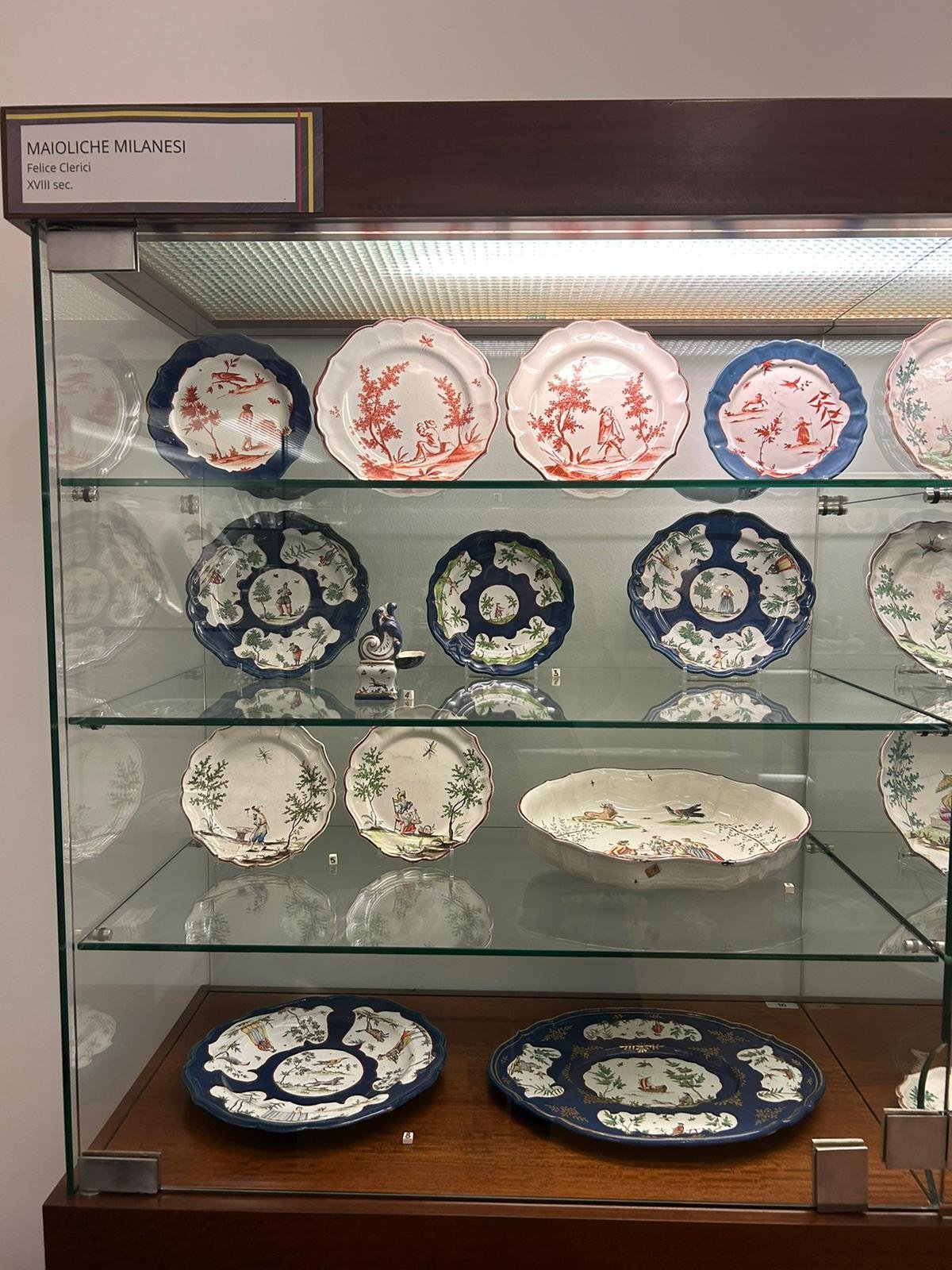 If you're passing through Saronno, don't miss the G. Gianetti Ceramics Museum. It's one of those unexpected surprises: a 1930s villa with original furnishings – parquet floors, marble, Murano chandeliers, even the light switches. It feels like entering someone's home, and indeed it was: the residence of the Biffi family, later donated by Giuseppe Gianetti's wife, Nina, along with her sisters-in-law. The museum opened in 1994 and today houses over 700 ceramics, the fruit of Gianetti's passion, a 20th-century industrialist. The collection is extraordinary: more than 200 Meissen porcelains, including early production pieces, royal dinner services, and even the original trunks. Then there are Italian ceramics (Ginori, Capodimonte, Cozzi), Eastern pieces, and a contemporary section. Each room tells a piece of history, and the staircase railing, designed by Carla Biffi, is a detail worth a photo. Outside, a small rose garden and contemporary art installations complete the atmosphere. To visit, note: open Tuesday and Thursday from 3 to 6 p.m., Saturday from 3 to 7 p.m. Reserve because access is limited. A tip? Don't rush: here every object has a story, and the staff is passionate and helpful. It's one of those museums that makes you want to return.
Grand Hotel Campo dei Fiori: Decadent Charm and a Future
- 8, Varese (VA)
- Open in Google Maps
- View on Google Images
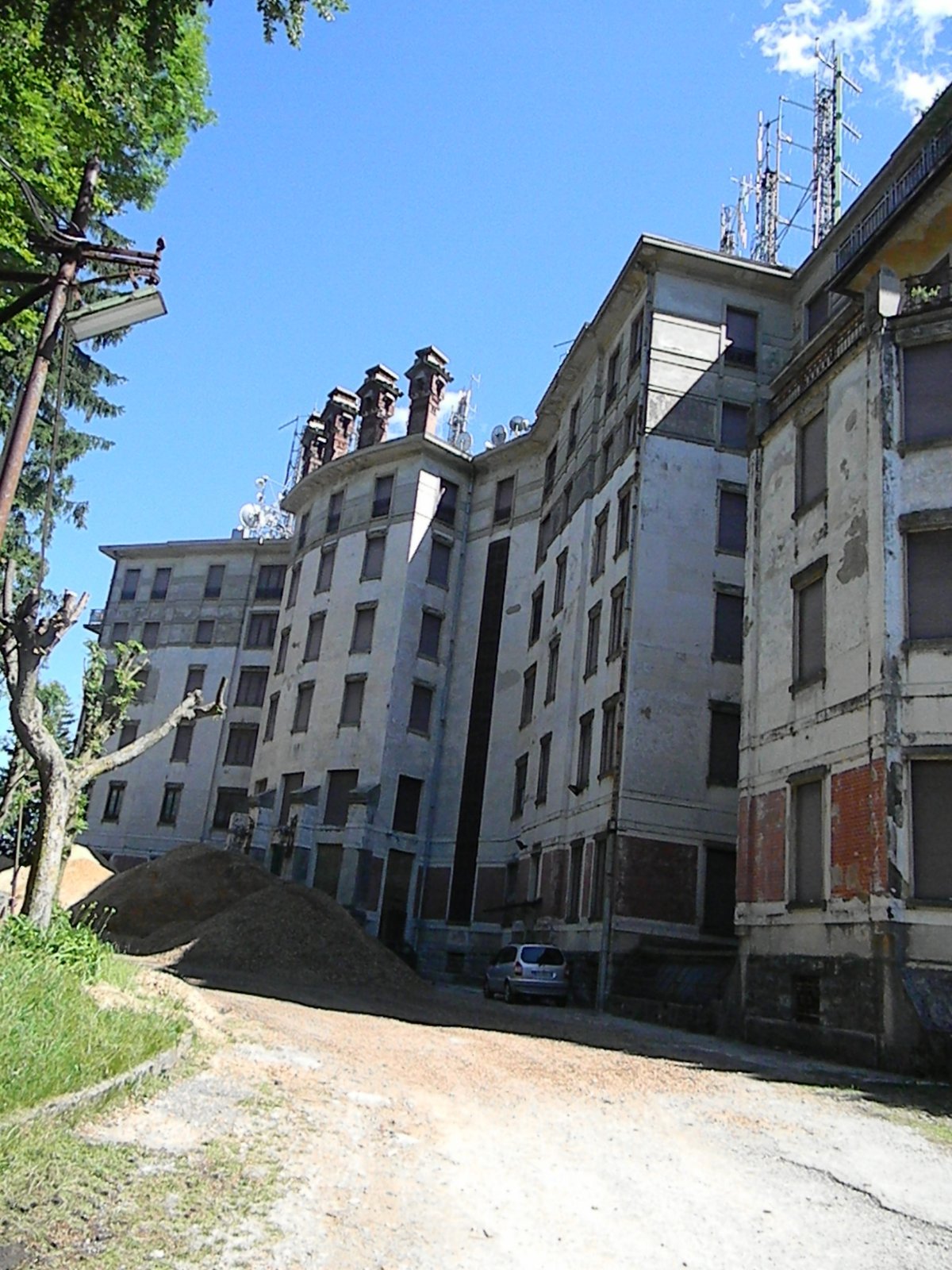 Perched on Monte Tre Croci, at nearly 1,100 meters above sea level, the Grand Hotel Campo dei Fiori is one of those places that leaves you speechless. Designed by Giuseppe Sommaruga and opened in 1912, it was the epitome of luxury for Milan's elite: 200 rooms, a panoramic funicular, a ballroom with a terrace that contemporary newspapers called “the most beautiful balcony in Lombardy.” Today, on a clear day, you can still see Milan's Duomo. Too bad the hotel closed in 1968, after a decline that began with the funicular's closure in 1953 and a 1947 fire that destroyed the top floor. Since then, it has been used as a base for radio and television antennas, and for years it remained abandoned. The good news is that since 2017, thanks to FAI Giovani di Varese, you can visit it (by reservation only, €5–8). The one-hour tour shows the kitchen with its original cast-iron oven, the ballroom, the 140 m² suite, and even the set for the 2016 remake of Suspiria, which was filmed here. The atmosphere is that of a sleeping giant: Mazzucotelli's wrought-iron railings, dragon-shaped gargoyles, brick vaults. Entrepreneur Mauro Morello's redevelopment plan includes 65 rooms and a spa, but for now it's only on paper. In the meantime, a visit here is an experience I recommend to anyone who loves stories suspended in time.