
🧭 What to Expect
Ideal for a cultural weekend or a stop on a tour of Sardinia Highlights: Sanna Museum, Monte d'Accoddi, lively historic center Recommended: visit in spring or autumn for mild climate Not to be missed: Rosello Fountain, Piazza d'Italia, and Sardinian cuisine
Events nearby
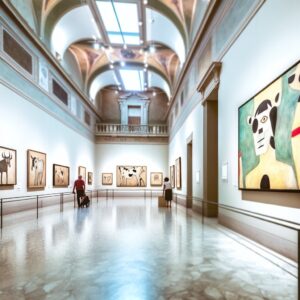
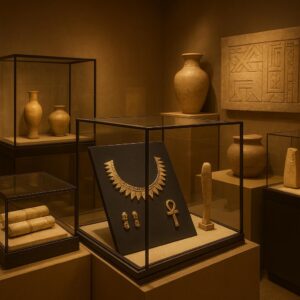
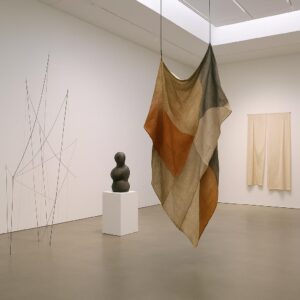
Sassari is a city that surprises: not just a springboard for Sardinia's beaches, but also a lively historic center with monuments that tell centuries of history. In this article, I'll take you to discover the unmissable places: from the National Museum Sanna, with its archaeological finds, to the mysterious pre-Nuragic altar of Monte d'Accoddi, unique of its kind. Strolling through the squares, like Piazza d'Italia, and admiring the Rosello Fountain, you'll understand why Sassari deserves a stop. The Municipal Theatre and the National Picture Gallery complete the cultural offering. Ideal for a weekend or a stop on a tour of Sardinia, Sassari also offers excellent cuisine: taste the fine cheeses and pane carasau. Get ready for a journey among art, archaeology, and traditions.
Overview
- Sanna National Museum: The Archaeological Treasure of Sassari
- Monte d'Accoddi: the enigmatic prehistoric altar at the gates of Sassari
- Monte d'Accoddi: the enigmatic prehistoric altar at the gates of Sassari
- Teatro Comunale: The Temple of Music in Sassari
- Sassari National Art Gallery: Art and History in the Canopoleno
- Museo della Brigata Sassari: Living History Among Relics and Trenches
- Rosello Fountain: The 17th-Century Symbol of Sassari
- Piazza d'Italia: The Elegant Living Room of Sassari
- F. Bande Ethnographic Museum: A Dive into the Colors and Sounds of Sardinia
- Masedu Museum of Contemporary Art
- Palazzo della Frumentaria: A Granary Turned Museum
- Museum of 20th-Century and Contemporary Art
- Torre Negra, the dark sentinel of Porto Ferro
- White Tower: the Spanish Sentinel of Porto Ferro
- The Civic Theatre of Sassari: History, Architecture, and Rebirth
- Domus de Janas of Molafà: A Prehistoric Jewel in Sassari
Itineraries nearby
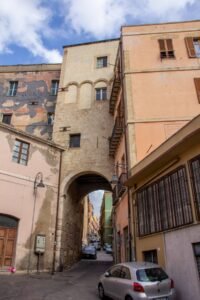


Sanna National Museum: The Archaeological Treasure of Sassari
- Go to the page: Sanna Museum in Sassari: Nuragic Statuettes and Punic Artifacts in the Historic Center
- Via Roma 64, Sassari (SS)
- http://musei.beniculturali.it/musei?mid=239&nome=museo-nazionale-archeologico-ed-etnografico-giovanni-antonio-sanna
- Open in Google Maps
- View on Google Images
- pm-sar.museoarcheo.sassari@beniculturali.it
- +39 079 272203
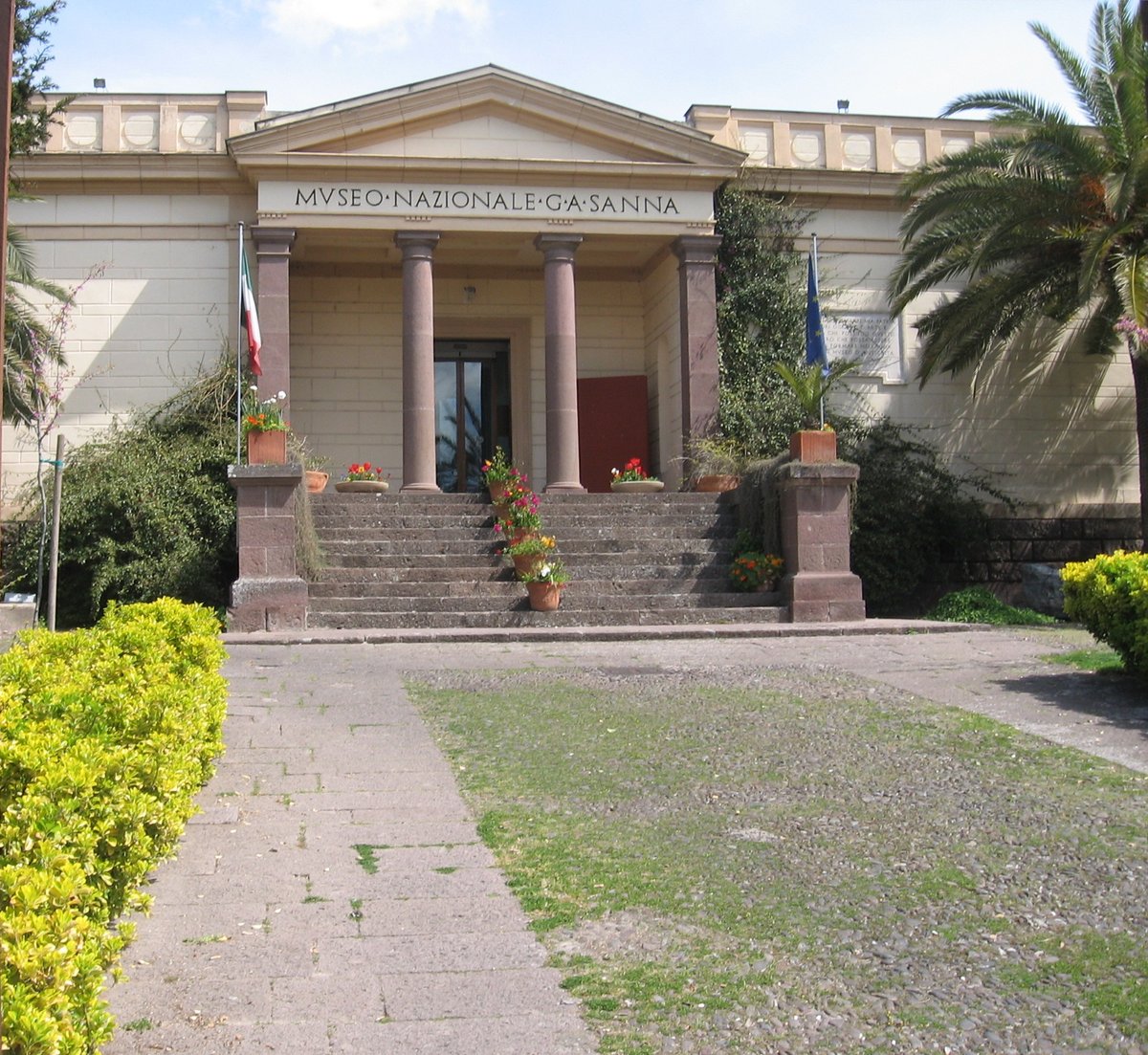 Stepping into the G. A. Sanna National Museum is like diving into Sardinia's history. Located at via Roma 64, the building itself is worth a stop: designed between 1926 and 1932, it recalls a classical temple with its red volcanic stone staircase and Doric columns. The museum is named after Giovanni Antonio Sanna, a deputy and mining entrepreneur who donated his collection of 250 paintings and archaeological finds. Today, the exhibition spans from the Lower Paleolithic (500,000 years ago) to the Middle Ages. Among the highlights, don't miss the petrified forest of Anglona, the statue-menhir of Genna Arrele, and the fragment of Roman mosaic with elliptical shields, the oldest in northern Sardinia. The Nuragic section is spectacular: admire the model of a four-lobed nuraghe from Olmedo and the famous "Sun King" boat model. Note: the original art gallery has been moved to MUS'A, but here you'll find a rich ethnographic section with traditional costumes and jewelry. The museum is fully accessible and offers guided tours. Price: €4, and allow about 2-2.5 hours for a complete visit. In short, a must-stop to understand the authentic Sardinia.
Monte d'Accoddi: the enigmatic prehistoric altar at the gates of Sassari
- Go to the page: Monte d'Accoddi: The Unique Prehistoric Altar in the Mediterranean
- Strada Provinciale ex Strada Statale 131, Sassari (SS)
- http://www.sardegnacultura.it/j/v/300?s=25767&v=2&c=2822&t=1
- Open in Google Maps
- View on Google Images
- pm-sar@beniculturali.it
- +39 079 514433
 If you think prehistoric Sardinia is only about nuraghi, get ready to think again. Just a few kilometers from Sassari, along the SS 131 road to Porto Torres, stands Monte d'Accoddi, a megalithic altar shaped like a truncated pyramid with no equal in the Mediterranean. Discovered in 1952 by archaeologist Ercole Contu, this site reveals a story spanning millennia. The main monument is a stepped structure about 9 meters high, with a base of 37.5 × 30.5 meters and an access ramp 41.5 meters long – a veritable ziggurat ante litteram. But beneath the surface lies a secret: an older temple, the so-called 'Red Temple,' plastered with red ochre, dating back to the Late Neolithic (3500-2900 BC). After a fire, it was incorporated into a larger platform, forming the altar we see today.
Walking among the village ruins, you'll notice truly evocative elements: a huge limestone slab weighing 8.2 tons, pierced with seven holes, used for offerings; a menhir 4.4 meters high; and two mysterious spherical stones, perhaps solar symbols. The atmosphere is magical, almost timeless. And the best part is that the site is well managed: entry costs only 5 euros (4 reduced, free for under 18), and guided tours are included at all times. Open Tuesday to Sunday, with hours varying by season (10-6 from April to October, 10-2 from November to March). To get there, take the SS 131, follow signs for Bancali and then for Monte d'Accoddi. If you prefer public transport, the ARST line 719 connects Sassari and Porto Torres.
A tip: after your visit, stop by the National Museum G.A. Sanna in Sassari, where the most significant artifacts from the site are displayed. Monte d'Accoddi is an unmissable stop for anyone wanting to understand the roots of Sardinian civilization, far from mass tourism.
Monte d'Accoddi: the enigmatic prehistoric altar at the gates of Sassari
- Go to the page: Monte d'Accoddi: Sardinia's Only Stepped Pyramid from the 4th Millennium BC
- Strada Provinciale ex Strada Statale 131, Sassari (SS)
- http://www.sardegnacultura.it/j/v/300?s=25767&v=2&c=2822&t=1
- Open in Google Maps
- View on Google Images
- pm-sar@beniculturali.it
- +39 079 514433
If you think prehistoric Sardinia is only about nuraghi, get ready to think again. Just a few kilometers from Sassari, along the SS 131 road to Porto Torres, stands Monte d'Accoddi, a megalithic altar shaped like a truncated pyramid with no equal in the Mediterranean. Discovered in 1952 by archaeologist Ercole Contu, this site reveals a story spanning millennia. The main monument is a stepped structure about 9 meters high, with a base of 37.5 × 30.5 meters and an access ramp 41.5 meters long – a veritable ziggurat ante litteram. But beneath the surface lies a secret: an older temple, the so-called 'Red Temple,' plastered with red ochre, dating back to the Late Neolithic (3500-2900 BC). After a fire, it was incorporated into a larger platform, forming the altar we see today.Walking among the village ruins, you'll notice truly evocative elements: a huge limestone slab weighing 8.2 tons, pierced with seven holes, used for offerings; a menhir 4.4 meters high; and two mysterious spherical stones, perhaps solar symbols. The atmosphere is magical, almost timeless. And the best part is that the site is well managed: entry costs only 5 euros (4 reduced, free for under 18), and guided tours are included at all times. Open Tuesday to Sunday, with hours varying by season (10-6 from April to October, 10-2 from November to March). To get there, take the SS 131, follow signs for Bancali and then for Monte d'Accoddi. If you prefer public transport, the ARST line 719 connects Sassari and Porto Torres.
A tip: after your visit, stop by the National Museum G.A. Sanna in Sassari, where the most significant artifacts from the site are displayed. Monte d'Accoddi is an unmissable stop for anyone wanting to understand the roots of Sardinian civilization, far from mass tourism.
Teatro Comunale: The Temple of Music in Sassari
- Viale Goffredo Mameli, Sassari (SS)
- Open in Google Maps
- View on Google Images
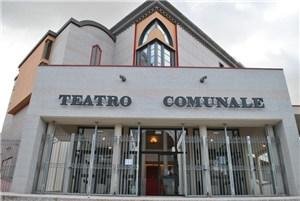 The Teatro Comunale in Sassari is the contemporary gem of the city's cultural scene. With its 1,421 seats, it is the largest in Sardinia and is located in the Liberty-style Cappuccini district, next to the church of the same name and the Luigi Canepa Conservatory, forming the lively artistic hub 'Music and Creativity District'. Its history has been troubled: designed in 1984 by Sassari-born architect Elia Lubiani, construction began in 1990 but dragged on for over twenty years, slowed by scarce funding and a mysterious fire in 2007. Finally, on February 21, 2012, it was informally inaugurated in the presence of President Napolitano, while the official opening production was Gounod's Romeo et Juliette on October 12 of the same year. Today, the theater is home to the Marialisa de Carolis Concert Organization, which stages opera, symphony, drama, and dance seasons of the highest quality. The people of Sassari enjoy it with passion, but also with some grumbling: the front rows of the balcony have reduced visibility, and in winter some cold drafts are bothersome. However, the acoustics are good – though for the most imposing works amplification is used – and the program is extremely rich: from traditional opera to comedy shows, musicals, and international concerts. An insider tip: book center stalls seats well in advance, and if you come in the cold months, bring a scarf. The theater is located at Viale Trieste 5, the box office is at Piazzale Cappuccini (tel. 079 290881), and tickets can also be purchased online via Vivaticket. It's worth a visit even just to admire the modern architecture and breathe in the atmosphere of a place where culture beats strong.
Sassari National Art Gallery: Art and History in the Canopoleno
- Via Santa Caterina 4, Sassari (SS)
- https://musei.sardegna.beniculturali.it/musei/pinacoteca-nazionale-di-sassari/
- Open in Google Maps
- View on Google Images
- pm-sar.pinacoteca.sassari@beniculturali.it
- +39 079 231560
 Located in the heart of Sassari, in Piazza Santa Caterina, the National Art Gallery is housed in the former Jesuit college of Canopoleno, a 17th-century building with an austere charm. Upon entering, you breathe in a solemn atmosphere, amplified by the spacious rooms and the terracotta and marble floors. The museum, inaugurated in 2008, gathers over 400 works, mostly paintings, that tell centuries of Italian and European art. The collection was born thanks to generous patrons: the first was Giovanni Antonio Sanna, who in 1875 donated to the city a collection of over 250 paintings, including the precious Trittico dei Libri (Triptych of Books) by Mariotto di Nardo (circa 1400) and the Madonna and Child by Bartolomeo Vivarini (1473). Soon after, collector Giuseppe Tomè added works by early 20th-century Sardinian artists, such as Giuseppe Biasi and Filippo Figari. The exhibition unfolds over three floors: starting from the Middle Ages, with a wooden crucifix from the 13th century and panels by the Master of Castelsardo, up to the 20th century, with a room dedicated to the Sassari-born painter Edina Altara. Don't miss the canvases by Giovanni Marghinotti, the first Sardinian painter to succeed outside the island, and the graphic works by Biasi and Dessy. If you're an art lover, here you'll find a concentration of history and beauty, away from the crowds. On Sundays, admission is often free (first Sunday of the month), and the reduced ticket costs only 2 euros. A tip: check the opening hours, as the museum is closed on Mondays and some Sundays. Address: Via Santa Caterina 4. For info: 079 231560.
Museo della Brigata Sassari: Living History Among Relics and Trenches
- Piazza Castello, Sassari (SS)
- Open in Google Maps
- View on Google Images
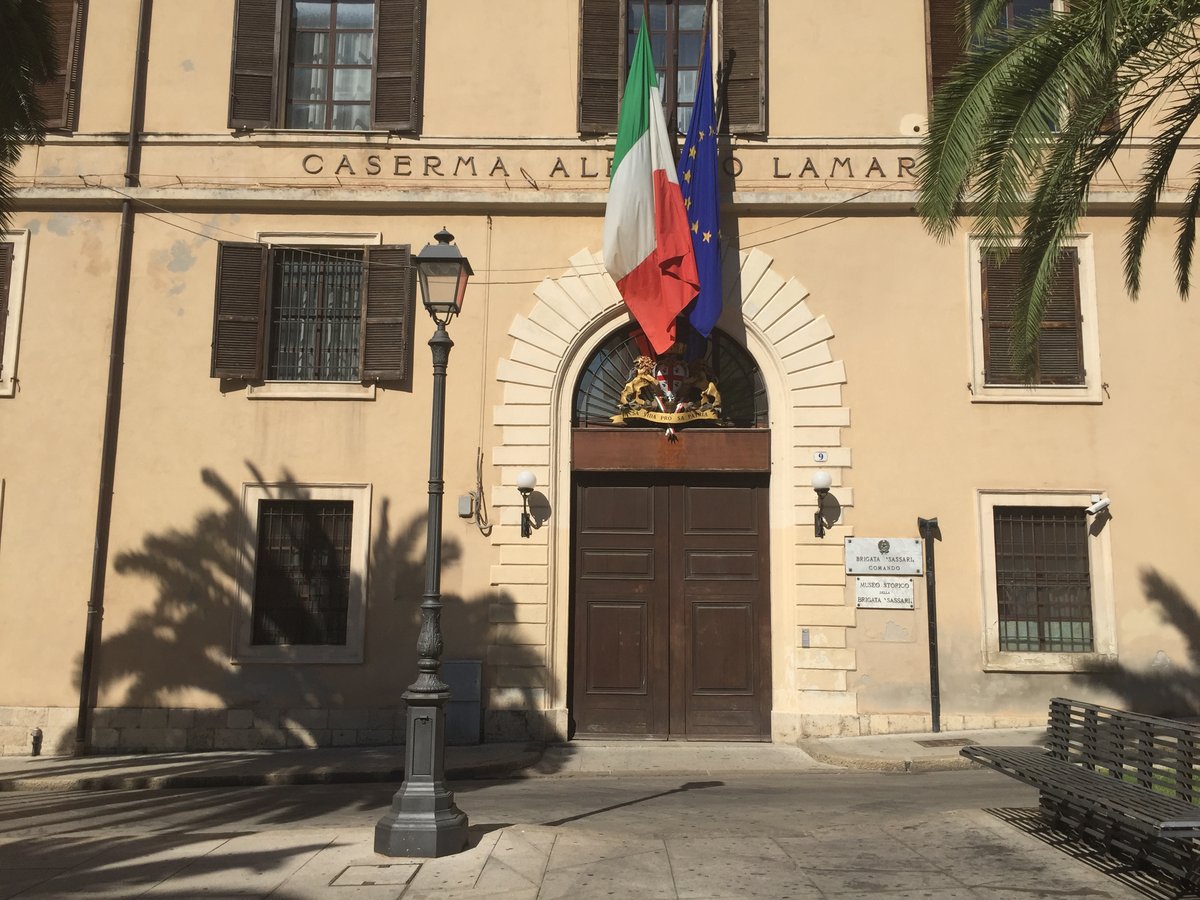 If you’re passing through Sassari, you can’t miss the Museo della Brigata Sassari. It grabs you right away: you find yourself in Piazza Castello, enter the Caserma Lamarmora (a 19th-century building built where the ancient Aragonese castle once stood), and on the ground floor a whole world opens up. The museum was founded in 1992 to commemorate the feats of the mechanized ‘Sassari’ Brigade, a unique unit: recruited exclusively from Sardinia, it distinguished itself for its cohesion and courage during World War I. Inside you’ll see documents, photographs, uniforms, period weapons, and a life-size reconstruction of a trench – it almost makes you smell the earth and gunpowder. The Brigade earned two Gold Medals for Military Valor, and among its officers stood out figures like Emilio Lussu and Alfredo Graziani. The exhibition unfolds across five rooms: starting with battle maps, moving to life in the trenches, and continuing to the present day with peacekeeping missions in Kosovo, Afghanistan, and Lebanon. In 2022 it had about 5,000 visitors, but it’s still a little-known gem. Admission is free, and from Monday to Thursday it’s open from 8:30 AM to 4:30 PM (on Fridays only until 12:00 PM). Saturdays and Sundays by appointment only. For me, it’s one of those places that makes you understand the deep bond between Sardinia and its history – a must-see.
Rosello Fountain: The 17th-Century Symbol of Sassari
- Via Col di Lana, Sassari (SS)
- Open in Google Maps
- View on Google Images
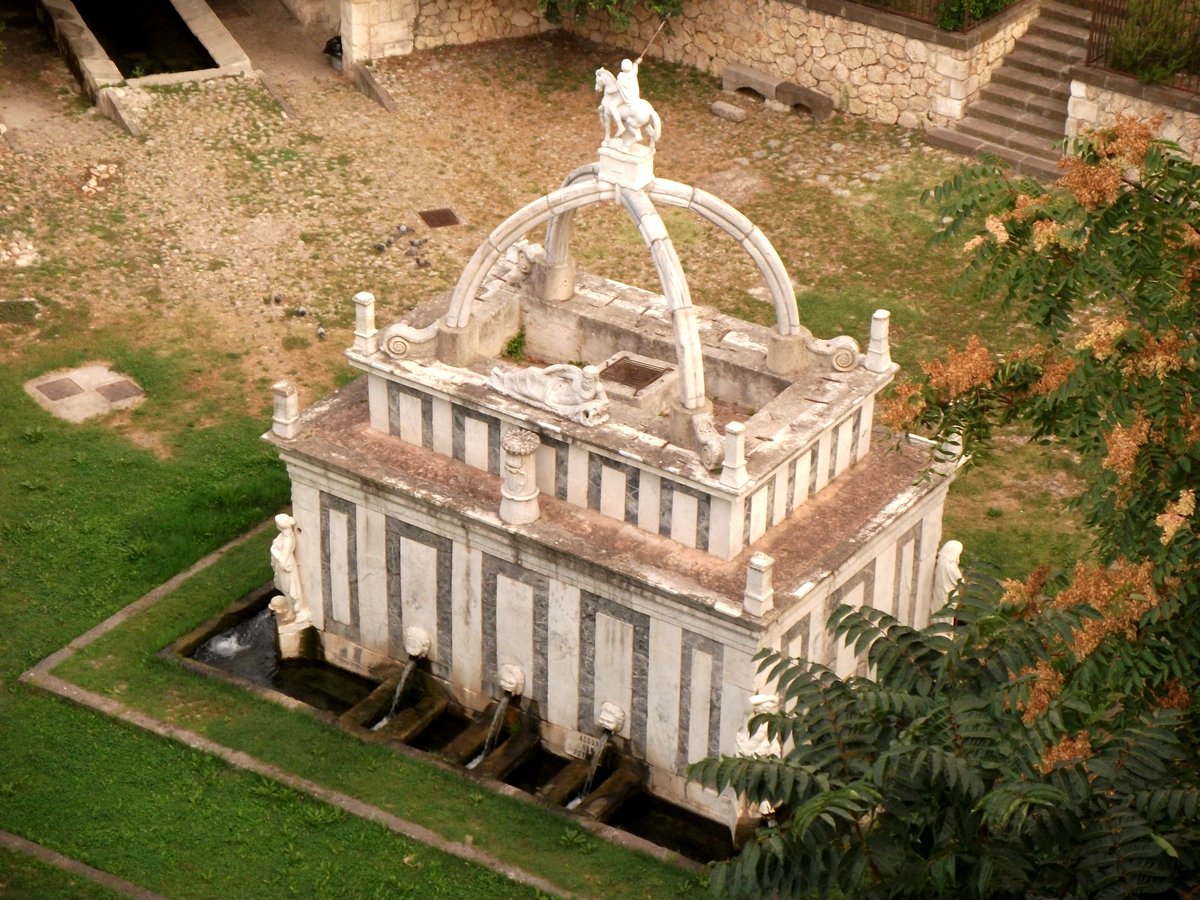 If there is one monument that embodies the soul of Sassari, it is the Rosello Fountain. Built between 1603 and 1606 by Genoese craftsmen, it is a late-Renaissance masterpiece unique in Sardinia. Its cost? A thousand scudi, paid for by a public tax. And it was worth it: twelve spouts, called Cantaros, symbolize the months of the year, while four allegorical statues represent the seasons. Winter, Spring, Summer, and Autumn remind us of the passing of time, like the flowing water. Note: three statues are 19th-century copies. The originals were destroyed during the anti-feudal riots of 1795. The only survivor, Summer, is kept at the Palazzo di Città. The fountain stands above the ancient spring of Gurusele, already used in Roman times to supply the aqueduct of Turris Libisonis (Porto Torres). For centuries it was a vital hub: housewives washed clothes there, water carriers filled barrels loaded onto donkeys. At the end of the 19th century, there were nearly three hundred donkeys for this job! A Sassarese song, Carraioru Di Ruseddu, sings of the toil. Today you can visit it free of charge from Tuesday to Saturday (10-19) and Sunday (10-14). Closed on Mondays. Note: it is not accessible to people with disabilities. If you want a taste of authentic history, book a guided tour. And don't forget: in 1975 it appeared on a stamp issued by the Italian Post Office. The Rosello Fountain is much more than a fountain: it is the beating heart of Sassari.
Piazza d'Italia: The Elegant Living Room of Sassari
- Sassari (SS)
- Open in Google Maps
- View on Google Images
 Piazza d'Italia is the beating heart of Sassari, its elegant living room. Located just outside the ancient medieval walls, this square was born with Italian unification and represents the city's 19th-century expansion. Designed in 1837 by engineer Enrico Marchesi with an octagonal shape, work began in 1872 and within four years the granite pavement and the two palaces framing it were completed. At the center stands the statue of Victor Emmanuel II, created by sculptor Giuseppe Sartorio and inaugurated on April 19, 1899 in the presence of royalty. That event gave birth to the first edition of the Cavalcata Sarda, still one of the most beloved festivals. Overlooking the square are two architectural gems: Palazzo Sciuti, seat of the province, with its 265 rooms and the council chamber frescoed by Giuseppe Sciuti with an allegory of Italian history; and Palazzo Giordano, in neo-Gothic-Venetian style, with its 'yellow room' and staircase decorated with a medieval bestiary. Strolling among the arcades, you come across cafes and bars that keep the square lively day and night. The main streets of the city center start from here: via Roma, via Carlo Alberto and the Bargone Crispo arcades, leading to the cathedral and the Rosello fountain. The square is well-equipped: water and electricity are available, and it is accessible even for large vehicles. A place that tells the story of Sassari and Italy, but lives in the present as a meeting point for locals and visitors.
F. Bande Ethnographic Museum: A Dive into the Colors and Sounds of Sardinia
- Corso Giovanni Maria Angioi, Sassari (SS)
- Open in Google Maps
- View on Google Images
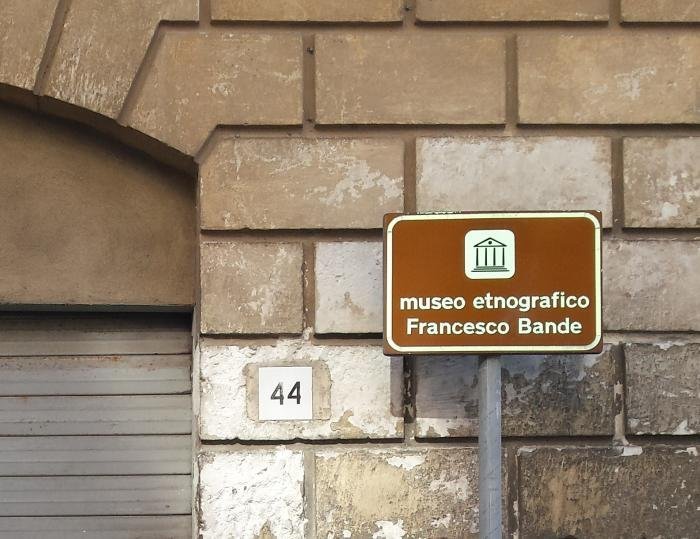 If you're passing through Sassari and want to immerse yourself in Sardinian tradition, the F. Bande Ethnographic Museum at 44 Via Muroni is a stop that won't disappoint. This small museum, run by the folkloric club of the same name, is dedicated to Francesco Bande, a famous accordionist who traveled the world with his music. Here you can feel authenticity: the collection of ancient traditional costumes comes from every corner of the island, with wedding, day, and widow attires. Each piece tells a story, with embroideries and fabrics that make you imagine village festivals from a century ago. Alongside the costumes, there is a nice collection of ancient musical instruments, especially diatonic accordions, some belonging to Bande himself. There are also videos and music tracks to listen to, and if you're lucky, you might catch a live performance or one of the events of the Francesco Bande Festival, which brings musicians and folk groups to Sassari every year. Is entry free? I’m not sure, but it's certainly a place off the classic tourist trails. Little warning: on weekdays it's open only in the morning (from 10 to 12), while on Saturdays and Sundays it's open by reservation for groups. For info, write to info@museobande.it or call 079236572. A tip? Combine it with a walk through the historic center, because Via Muroni is a stone's throw from Piazza d'Italia.
Masedu Museum of Contemporary Art
- Via Monsignor Antonio Piga, Sassari (SS)
- Open in Google Maps
- View on Google Images
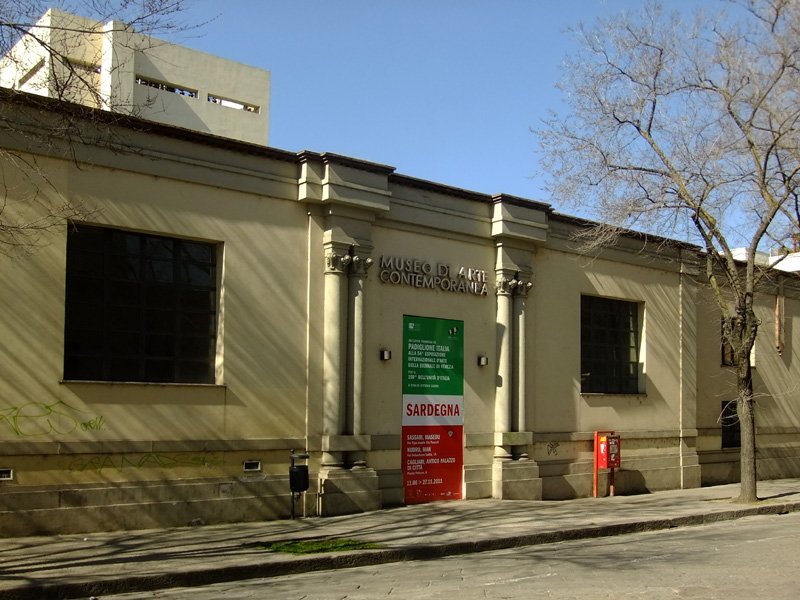 If you're passing through Sassari, the Masedu Museum of Contemporary Art is worth a visit. Inaugurated in 1999, it occupies the spaces of a former soap factory in the Monte Rosello district – a beautiful example of recovered industrial archaeology. The building, with two addresses (via Mons. Antonio Piga 5-7 and corso G. Pascoli 16), was renovated in 2011 and has an area of about 3,000 sq m. Management is entrusted to the metropolitan city of Sassari, but in 2015 it was granted on loan to the Mario Sironi Academy of Fine Arts, which aims to transform it into a multifunctional cultural center with artist residencies and workshops. Unfortunately, at the time of the agreement, the museum had been closed for about two years, but it came back to life with exhibitions like “Faber Faber” dedicated to De André. Among past exhibitions, the 54th Venice Biennale – Sardinia Pavilion (2011) stands out, along with many solo shows by Sardinian and international artists: from Stanis Dessy to Mario Delitala, from David Farrell to Pietrolio. The museum also has an educational vocation – so much so that the name was proposed as “Mas.Edu.” The collections range between contemporary art and the territory, with works by local and non-local artists. For info, call 079234466. A mix of industrial history and modern art that makes Masedu an interesting place, if only for the atmosphere you breathe among the exposed bricks.
Palazzo della Frumentaria: A Granary Turned Museum
- Via delle Muraglie, Sassari (SS)
- Open in Google Maps
- View on Google Images
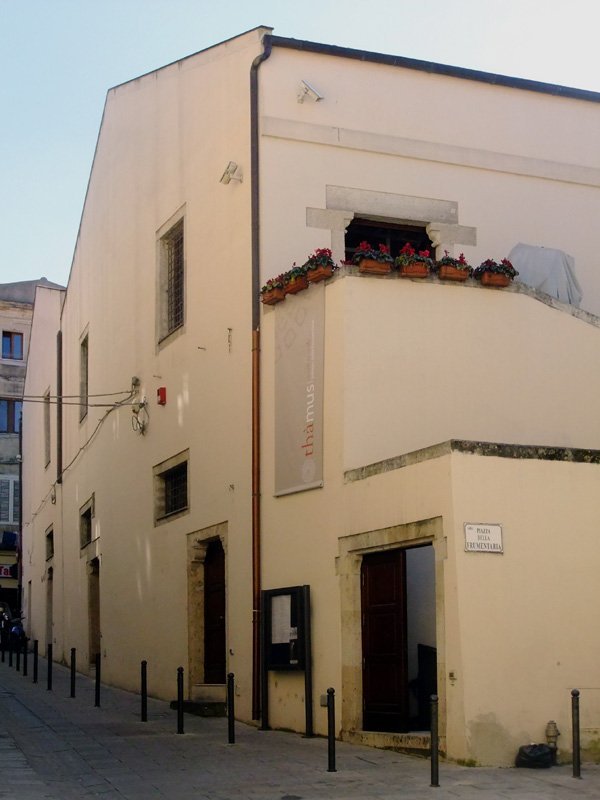 If you're passing through Sassari, don't miss the Palazzo della Frumentaria, a building that tells centuries of city history. Built between 1597 and 1608 in two phases, it was the public granary: here, a year's supply of grain was stored, ready to feed the population in case of famines or sieges. A strategic function that lasted until 1833. Then the building changed its life: barracks, carpentry workshop, warehouse. Fortunately, after a restoration completed in 2000, it was reborn as an exhibition space of the Museo della Città (City Museum).
The architecture is a marvel: outside, the facade on via delle Muraglie features four rectangular doors, two of which are original with the coats of arms of Aragon and Sassari. Inside, the lower floor has three vast halls with barrel vaults, while the upper floor – reachable via an external staircase – impresses with its wooden ceiling supported by large full-centered arches and wide windows that make it bright. In short, a rare example of 16th-century civil architecture.
Today, the palace hosts temporary exhibitions related to Sardinian and international figurative art. But the most exciting news is coming: it will become the home of the Museo dei Candelieri (Museum of the Candelieri), with an interactive pathway telling the tradition of the Ferragosto Festival. On the ground floor, the Candelieri will be projected onto glass columns; on the upper floor, the story of the candles on crystal parallelepipeds. A project worth about 2.6 million euros, with work underway. Currently, access is suspended for restorations, but it's worth keeping an eye on. If you're lucky and there are exhibitions, the entrance is at via delle Muraglie 2, open Tuesday to Sunday (10-13 and 17-20).
Museum of 20th-Century and Contemporary Art
- Via Mercato, Sassari (SS)
- Open in Google Maps
- View on Google Images
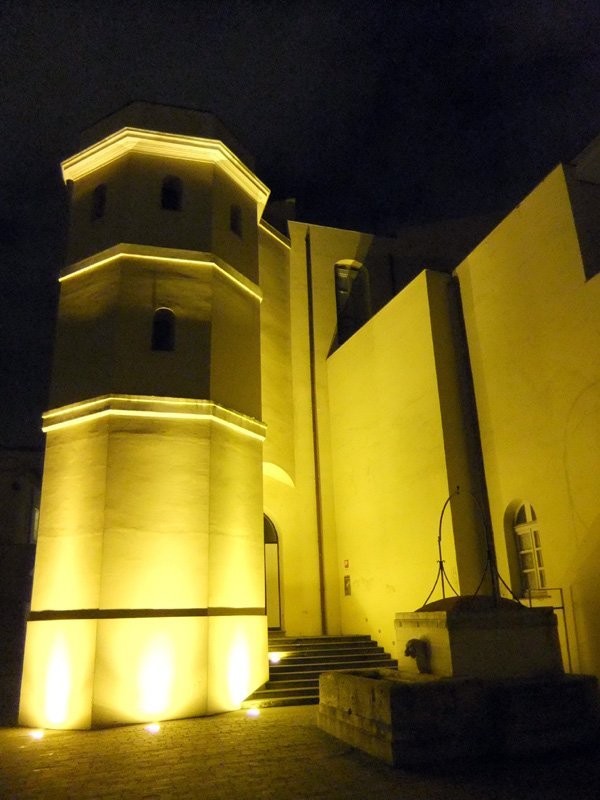 If you're passing through Sassari, the Museum of 20th-Century and Contemporary Art is a stop you can't miss. Opened in 2008, it occupies the spaces of the former Carmelite Convent, an 18th-century building that in itself is worth a visit. Here you'll find the entire collection of works by Giuseppe Biasi, a Sardinian artist who left his mark on the 20th century. The museum is managed by the local council and is part of the Regional Museum System. In addition to the permanent collection, there's a busy calendar of temporary exhibitions: past highlights include "Nuragica" in 2018 and "Mario Sironi" in 2011. A bit confusing? Yes, because for years there's been talk of a redevelopment project with regional funding (2.5 million euros), but the museum is already operational. The atmosphere is intimate, far from the more beaten tourist tracks. If you like contemporary art, you'll find interesting insights. The museum is located at Viale Umberto I, 11, and is easily reachable on foot from the center. For opening hours, it's best to call (phone: +39 3484879802).
Torre Negra, the dark sentinel of Porto Ferro
- Sentiero x Torre Negra, Sassari (SS)
- Open in Google Maps
- View on Google Images
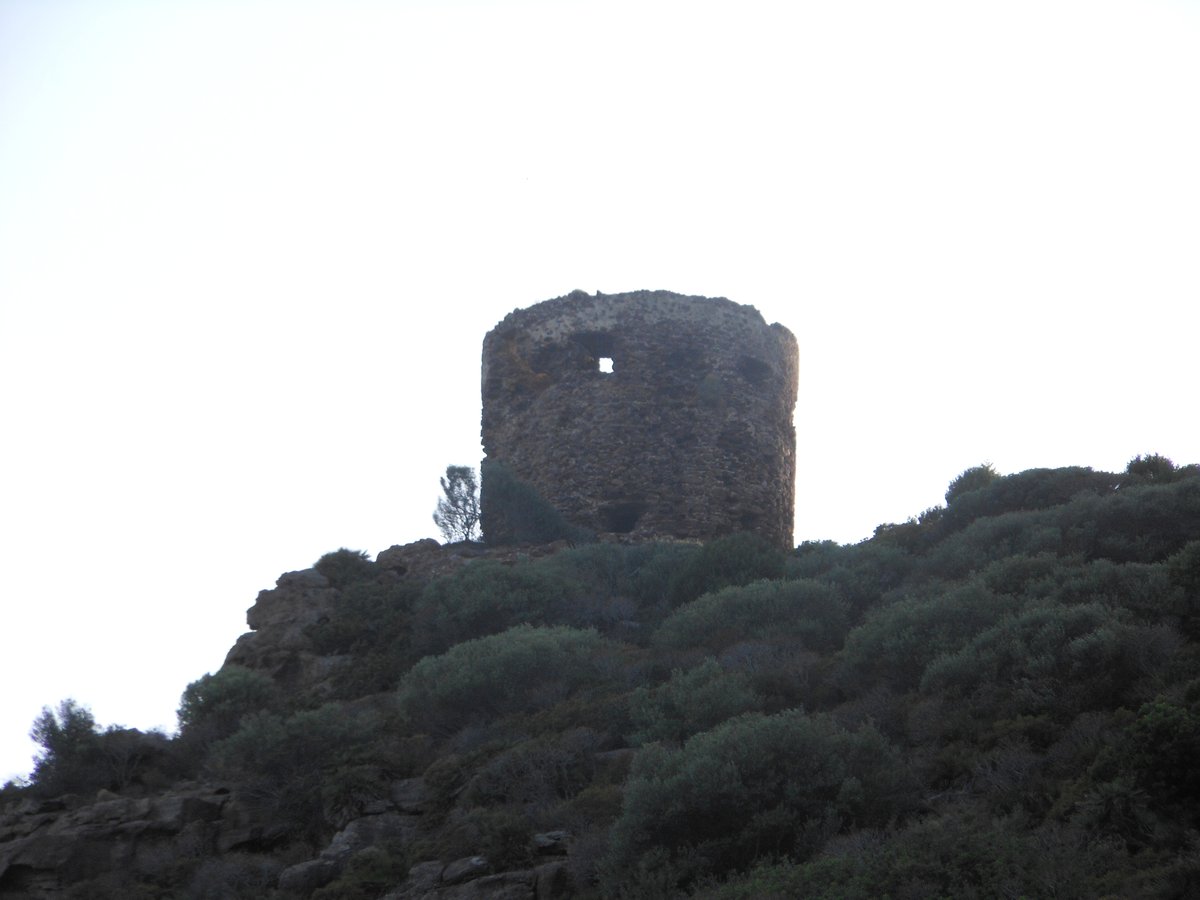 If you think Sassari is only about historical centers and museums, you're greatly mistaken. Just a few kilometers from the city, in Porto Ferro Bay, stands Torre Negra, one of the most captivating coastal towers in Sardinia. Built in the second half of the 16th century by the Spanish, it rises on a promontory about 60 meters above sea level, with its characteristic cone-cylindrical shape topped by a dome. Its name comes from the dark color of the limestone and sandstone used for the rubble masonry, making it almost camouflaged among the rocks. It was part of a defensive system of three towers – together with Torre Bianca and Torre Bantine Sale – that guarded the coast against Saracen incursions, relaying signals as far as Alghero. Today it can be visited through a ground-level opening (the original entrance was five meters up, with a trapdoor on the terrace). Inside, the domed vault has a central oculus and walls full of niches and arrow slits. The walk up is short but steep, starting from Porto Ferro beach. And what a beach! Yellow-reddish sand, perfect waves for surfing and windsurfing, and a section dedicated to naturism. At the top, the view is breathtaking: on one side the sea, on the other Lake Baratz, Sardinia's only natural lake. In the surroundings, remains of World War II fortifications add an extra historical touch. A tip? Go at sunset: the warm light on the tower and sea is pure magic.
White Tower: the Spanish Sentinel of Porto Ferro
- Sentiero x Torre Negra, Sassari (SS)
- Open in Google Maps
- View on Google Images
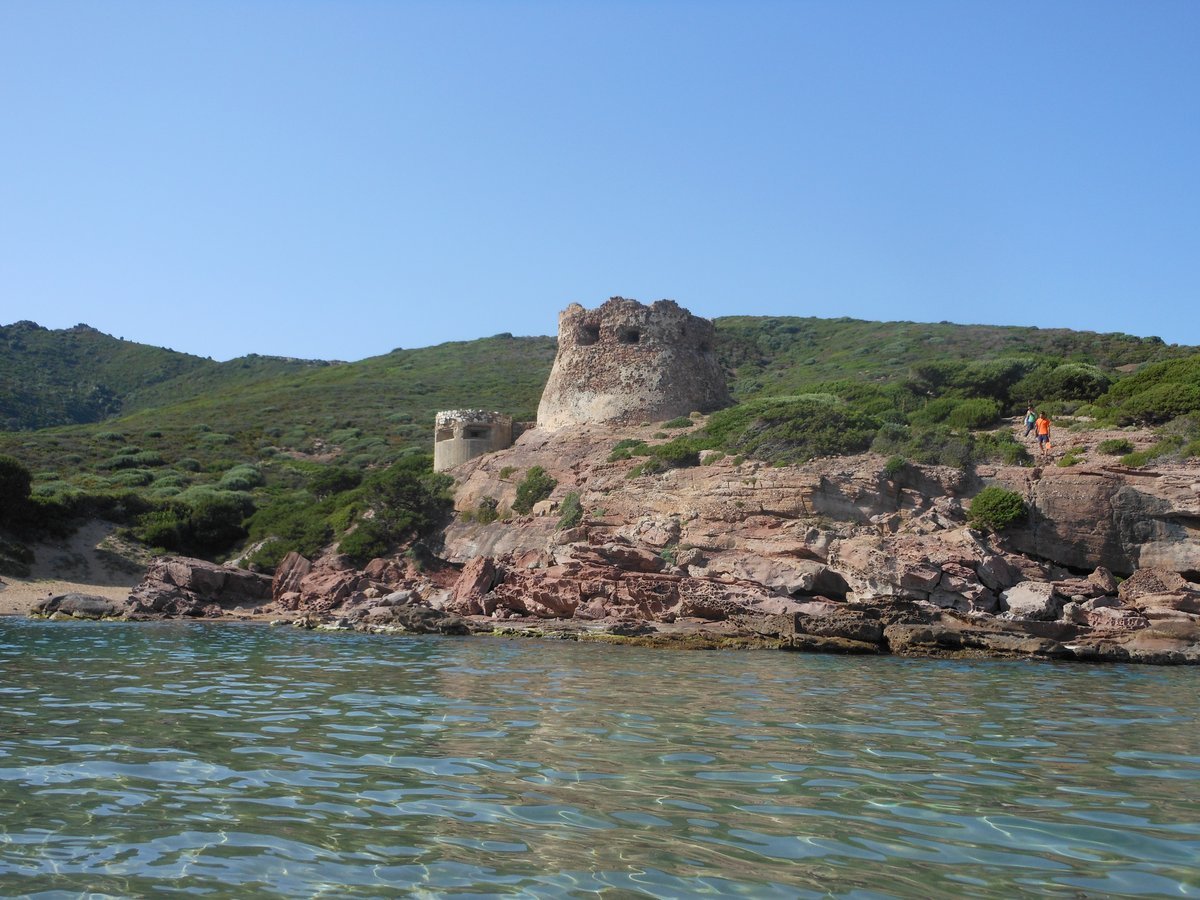 When you arrive at Porto Ferro, one of the first things that will strike you is the White Tower, towering over the beach like an old guardian. Built in the first half of the 16th century by order of the Spanish Crown, it was part of a defense system against Barbary raids. It has a truncated cone shape, a base diameter of 12 meters and a height of 6 meters, and is also called Torre Airadu or Torre di Mezzo. Its peculiarity? It was never very useful as a fortress – it seems the soldiers abandoned it almost immediately – and it ended up being used as a storage for coral fishermen. Even today, you can see the original plaster on the walls, and at its feet you'll find the remains of World War II bunkers. To reach it, you need to walk about 1 km from the beach (or 1.5 km from the main parking lot), no cars beyond a certain point. The effort is rewarded: from the top (you climb an external and then internal staircase) the view of the bay is stunning, with the pine forest and crystal-clear waters. The beach below has been officially naturist since 2018, with golden sand and often rough sea, ideal for surfers. Bring something to shield yourself from the wind, and if you come in summer, avoid peak hours because it gets crowded. Tip: arrive at sunset, when the tower turns pink and everything feels more magical.
The Civic Theatre of Sassari: History, Architecture, and Rebirth
- Corso Vittorio Emanuele Secondo, Sassari (SS)
- Open in Google Maps
- View on Google Images
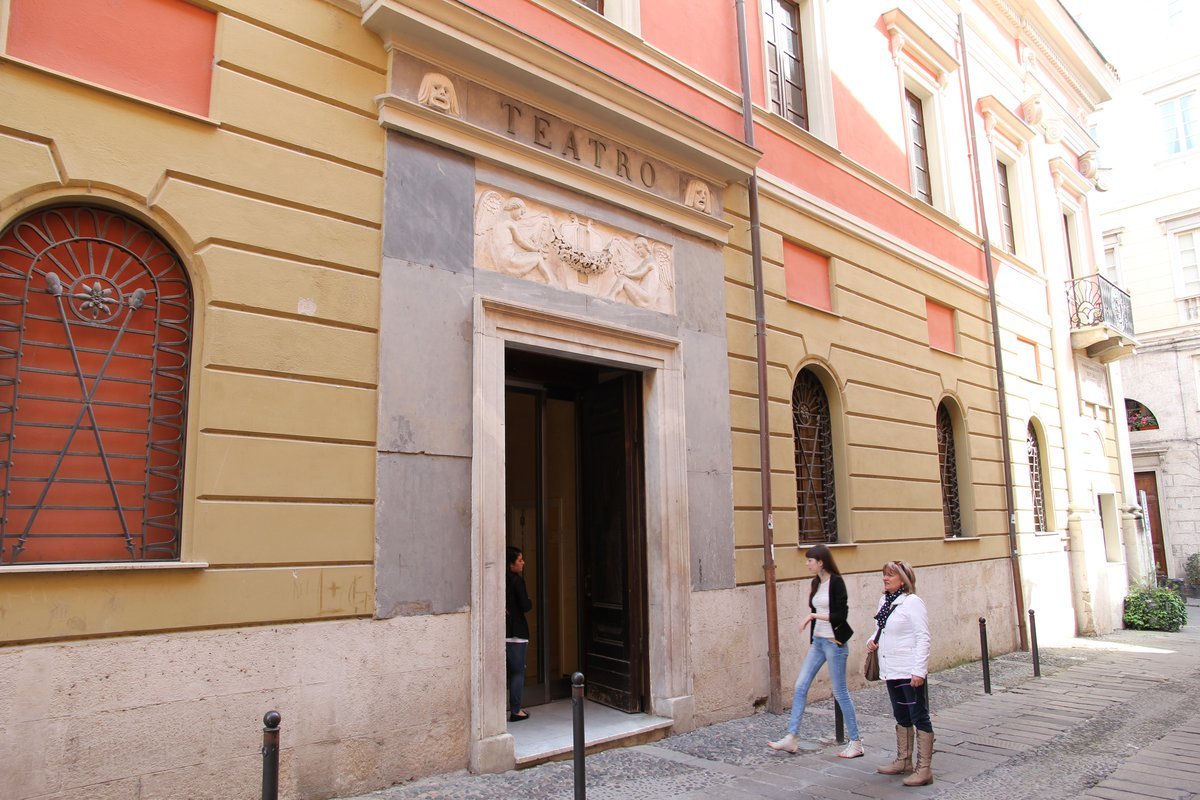 If you're in Sassari, the Teatro Civico is worth a stop. It's on Corso Vittorio Emanuele II, the main thoroughfare, and as soon as you see it, you understand why it's a symbol of the city. Built between 1826 and 1829 to a design by Giuseppe Cominotti, it's a perfect example of neoclassical architecture. The facade features a triangular pediment and four Ionic pilasters: simple yet elegant. Inside, the foyer houses two statues representing Vittorio Alfieri and Carlo Goldoni, crafted by Francesco Orsolino. The auditorium is horseshoe-shaped, like the Teatro Carignano in Turin, with three tiers of boxes and a capacity of 290 seats. It's not huge, but the acoustics are incredible. The history? Fascinating. It stands on the site of the medieval town hall, demolished to make way for this building that combined a theatre and offices. Then, in 1947, the wooden structures were dismantled due to decay; after a fire, the theatre was restored and reopened in 1967. In recent years, it was closed for renovations until its reopening on January 6, 2025 with a concert by the Sardinian Jazz Orchestra. A long-awaited rebirth. Today it hosts concerts, theatrical performances (often in Sassarese dialect) and exhibitions. If you visit during the Faradda di li candareri on August 14, you'll see the mayor step onto the balcony for the ritual of the intregu. Moreover, inside there's a small museum with thematic rooms and the mechanism of the ancient clock. In short, a place that has been telling the city's story for two centuries.
Domus de Janas of Molafà: A Prehistoric Jewel in Sassari
- Via Caniga, Sassari (SS)
- Open in Google Maps
- View on Google Images
 If you think Sassari is only about museums and squares, you're wrong: just a few kilometers from the city center, along the old state road 127bis, a small archaeological masterpiece lies hidden. The Domus de Janas of Molafà is not just a simple tomb carved into the rock: it is one of the rare 'domus with architectural facade,' a hybrid that reproduces in stone the monumental facade of Nuragic giants' tombs. A semicircular exedra 10 meters wide and 3 meters high welcomes the visitor. At the center, the arched stele with a lunette and frame: all carved using the sunken panel technique, which leaves only the edges in relief. Above, an upper exedra and the mound relief, with three square holes that perhaps held sacred betyls. Too bad the original entrance was widened over the centuries until it became a 1.50-meter door, erasing part of the stele. Inside, the burial chamber has an ogival vault, a bench along the walls, and a rectangular pit over 2 meters long – scholars debate whether these are original or medieval. Because yes, like many domus, this one was also repurposed as a rock-cut chapel in the Early Middle Ages: two graffiti on the northwest wall bear witness – a monogrammatic cross with alpha and omega and a probable cross on Golgotha. The best part? Entry is free and always open, but you need to pay attention to find it: stop just before the Molafà railway station, on the left coming down from Sassari. A dive into prehistory just a stone's throw from the city.