
If you think Lake Como is all about glamorous villas and Italian gardens, this 3-day itinerary is for you. Starting from Menaggio, we’ll take you to discover forgotten castles and hidden sanctuaries, far from the beaten paths. We’ll cross the Brianza of villages, then climb up to Brunate, Como’s balcony with breathtaking views. Castel Nozzole? The Sanctuary of Madonna del Soccorso? Places few guides mention, but that can give you genuine emotions. Each stop is designed for those seeking authenticity, with practical tips on how to get around and what not to miss. A journey that will make you fall in love with Lake Como in a new way, far from the stereotype of mass tourism.
🗺️ Your trip at a glance
An itinerary that reveals the most authentic side of Lake Como, among castles and sanctuaries away from the crowds. Perfect for those seeking genuine experiences and breathtaking landscapes.
- Explore castles and sanctuaries off the classic routes, away from the crowd, ideal for curious travelers and history lovers.
- Ideal for: history enthusiasts, hikers, and anyone wanting to discover lesser-known corners.
- Highlights: unique itinerary, spectacular panoramas, genuine and authentic experiences.
Itinerary stops
Day 1 – Stop no. 1
Menaggio Castle: Between History and Ruins
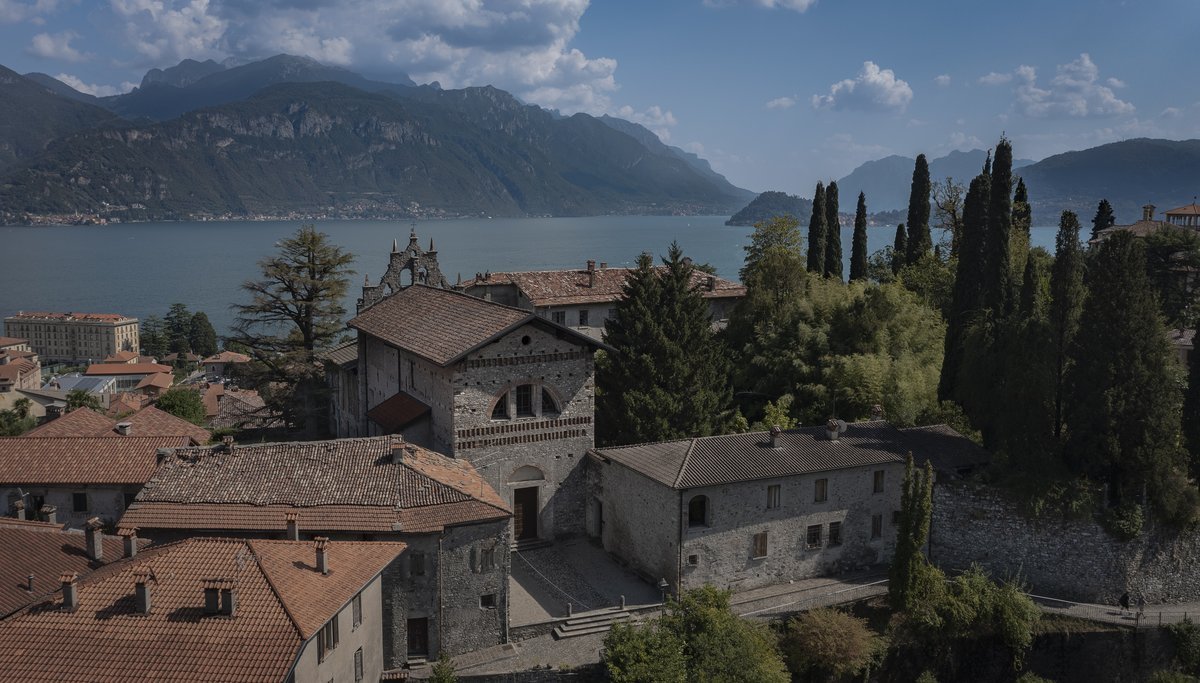 We begin our journey by heading up to Loveno, a hamlet of Menaggio, where the remains of Menaggio Castle tell a thousand-year story. Built in the 10th century, likely on a Roman fort, it served for centuries as a defensive stronghold, contested between the people of Como and Milan. After a brutal siege, the Grisons razed it to the ground in 1523. Today, of that imposing fortress, only massive walls along Via Fabbri and the perimeter walls visible when climbing Via Castellino da Castello remain. On the site stands the Church of San Carlo Borromeo, built in 1614 by the nobleman Cinzio Calvi as his burial place. Its Spanish-style bell gable is a landmark visible from the center. Don’t miss the Romanesque artifacts along the way: an 11th-century bull’s head and the Fontana del Salvatore with an ancient marble bust. An authentic place, off the tourist trail, offering stunning views of the lake.
- Via dei Fabbri, Loveno (CO)
- Open in Google Maps
- View on Google Images

You should go if…
Day 1 – Stop no. 2
Villa Camozzi: the town hall that is a museum
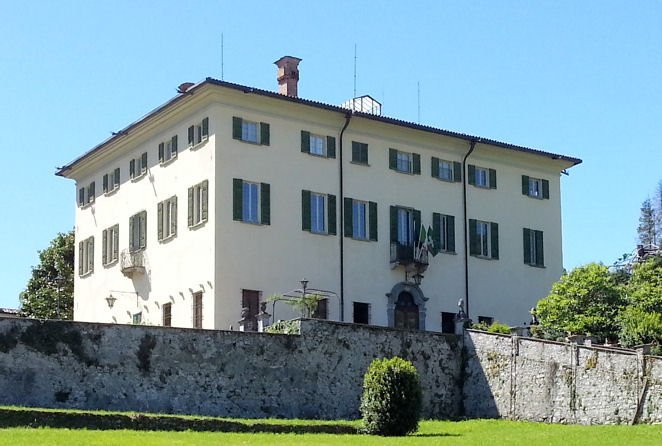 I climb to Grandola ed Uniti and find myself in front of Villa Camozzi, which is not just the town hall: it is a concentration of history, art, and culture. Built in the mid-18th century by the Guaita family, it later passed to the Camozzi family, and today houses municipal offices, a conference center, and the Ethnographic and Naturalistic Museum of Val Sanagra. The exterior is sober, but the granite portal in Rococo style lets you know there’s something special here. Inside, period frescoes, wooden coffered ceilings, and a ballroom that now serves as the council chamber. On the second floor, the museum is a discovery: reconstructions of rural environments, fossils, a section on the Menaggio-Porlezza railway. All with a panoramic view of the valley that takes your breath away. Perfect for those who love lived-in historic homes, where past and present mix without fear.
- Piazzale Luigi Camozzi 2, Grandola ed Uniti (CO)
- https://www.lombardiabeniculturali.it/architetture/schede/CO250-00523/
- Open in Google Maps
- View on Google Images
You should go if…
Day 1 – Stop no. 3
Sanctuary of Madonna di Campoè
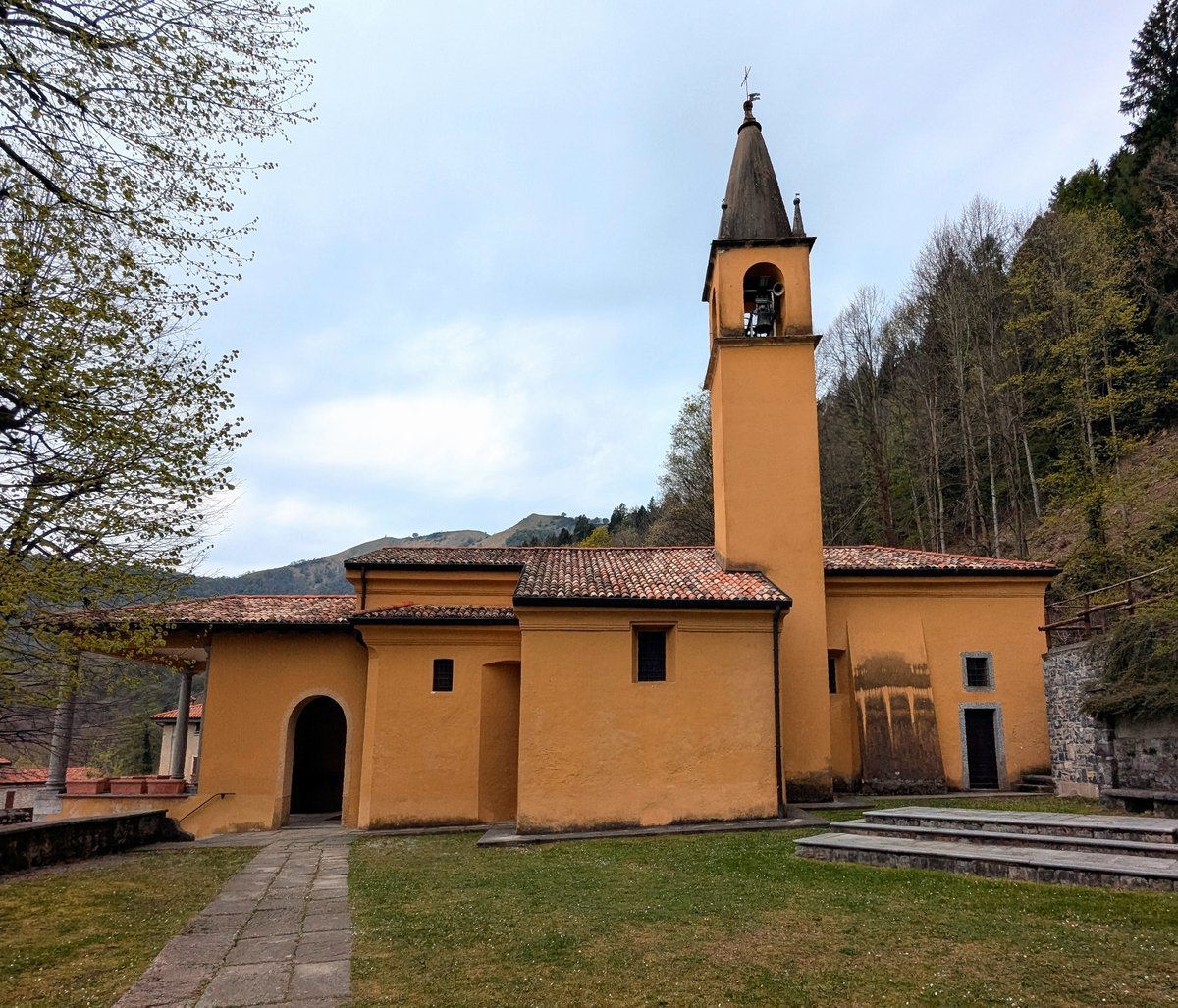 I leave Villa Camozzi and head up to Caglio, where the Sanctuary of Madonna di Campoè emerges in a silent hollow at 883 meters, at the foot of Mount Palanzone. Here, as early as the Middle Ages, there was a wayside shrine for travelers, but the real story begins in 1508, when Antonio Pellecani had a chapel built with a fresco of the Nursing Madonna, still visible on the altar. Then, on July 2, 1626, a sixteen-year-old shepherdess healed after a Marian apparition: the news spread and the sanctuary became a pilgrimage destination. Saint Charles Borromeo visited it as early as 1570, and today the interior is a triumph of Baroque stuccowork (pink and sky blue), recently restored. Outside, the portico welcomes visitors, while two large free parking lots make stopping convenient. If you like, explore the short path to Colle di Pomè, the site of the apparition. A jewel of faith and art, far from the chaos of the lake.
You should go if…
Day 2 – Stop no. 4
Volta Lighthouse: The Beacon Embracing the Lake
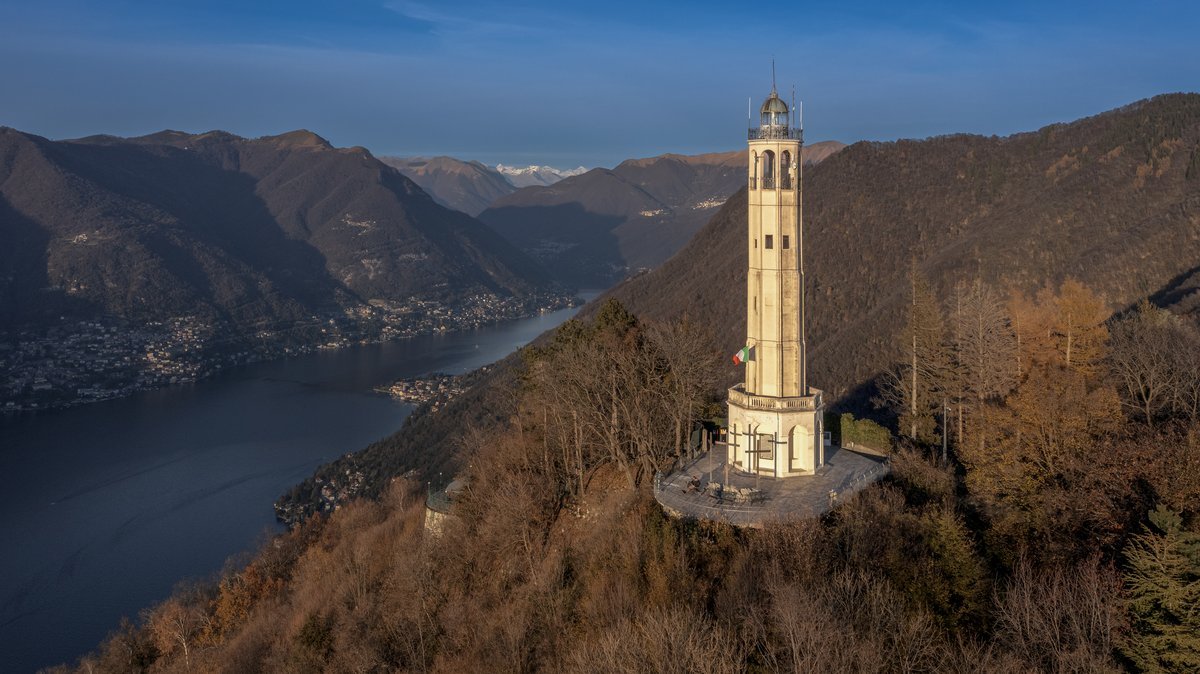 After the sanctuary, I continue climbing to Brunate, where the Volta Lighthouse stands at 909 meters. Built in 1927 for the centenary of Alessandro Volta’s death, it’s a 29-meter-high octagonal tower designed by engineer Gabriele Giussani. I climb the 143 spiral steps and reach the balcony: the view is incredible, from Lake Como to the Alps, all the way to Milan on a clear day. At night, the lighthouse illuminates the valley with white, red, and green beams, a tribute to the flag and Volta’s values. Open Saturday and Sunday (€2), but note: there’s a dispute between the municipalities of Como and Brunate over management, so hours may change. Getting there on foot from the Brunate funicular is a half-hour walk on paved road then dirt path, simple and suitable for everyone.
- Via Giacomo Scalini, Brunate (CO)
- https://www.lombardiabeniculturali.it/architetture/schede/CO250-00742/
- Open in Google Maps
- View on Google Images
You should go if…
Day 2 – Stop no. 5
Villa Pirotta Bonacossa
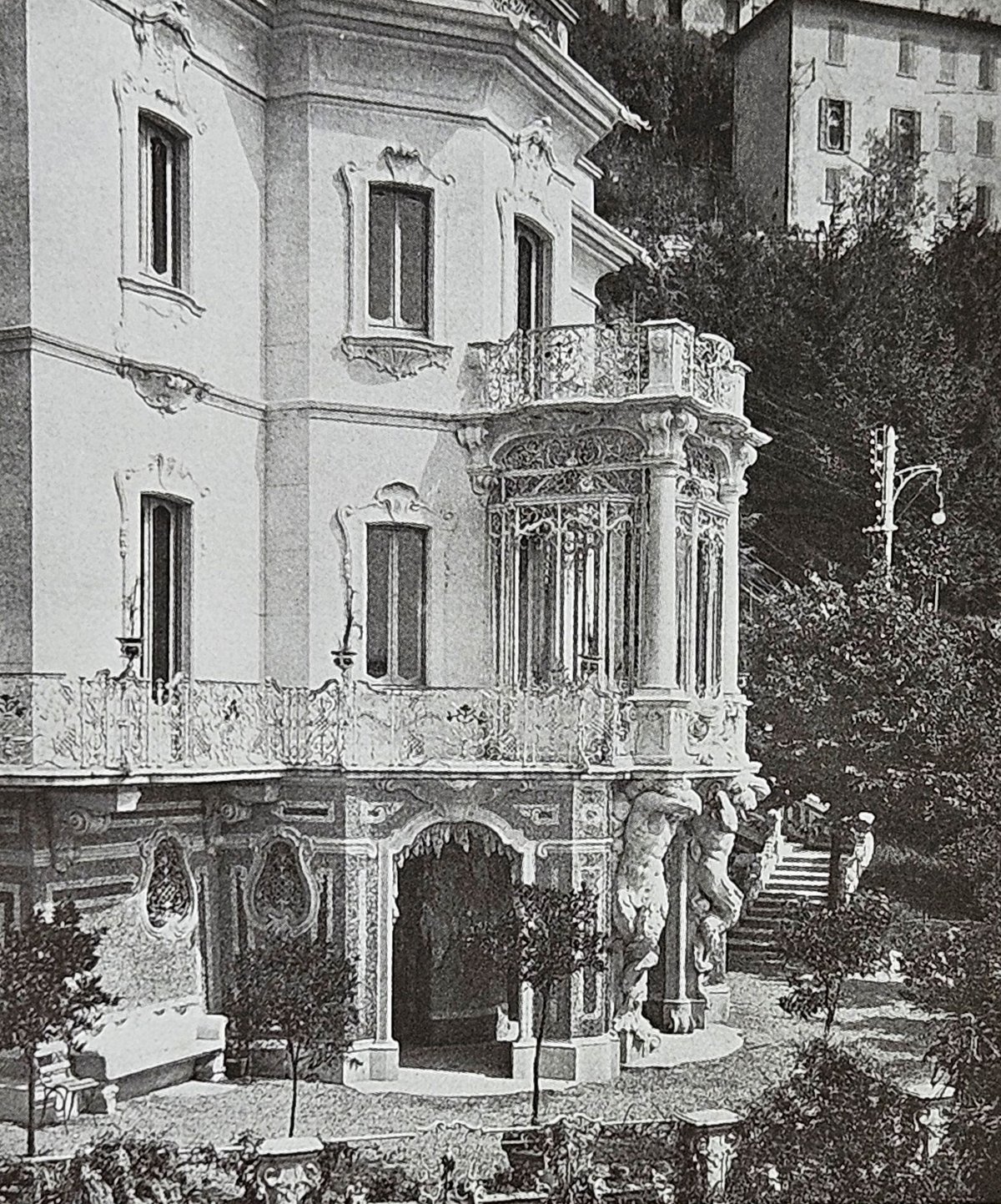 From the Volta Lighthouse, I walk down a few hundred meters and find myself in front of Villa Pirotta Bonacossa, one of the most fascinating Art Nouveau residences on the lake. Designed by Federico Frigerio in 1902 for the industrialist Attilio Pirotta, it is nicknamed the Little Versailles for its decorative richness and lavish park. Unfortunately, it is private and can only be seen from the outside, but even from the gate, you can sense its splendor: statues, grottoes, rare plants, and hanging paths overlooking the lake. The interiors, with neo-Rococo halls frescoed by artists such as Lodovico Pogliaghi and Ambrogio Alciati, are a riot of swirls and gilding. The garden extends over 10 terraced hectares, with little balconies and copies of classical sculptures like Bernini’s Apollo and Daphne. A dependency designed by Giovanni Muzio completes the complex. If you pass through Brunate, don’t miss this marvel: peeking through the gate is already an experience.
- Via Attilio Pirotta, Brunate (CO)
- Open in Google Maps
- View on Google Images
You should go if…
Day 2 – Stop no. 6
Church of Saint Andrew the Apostle
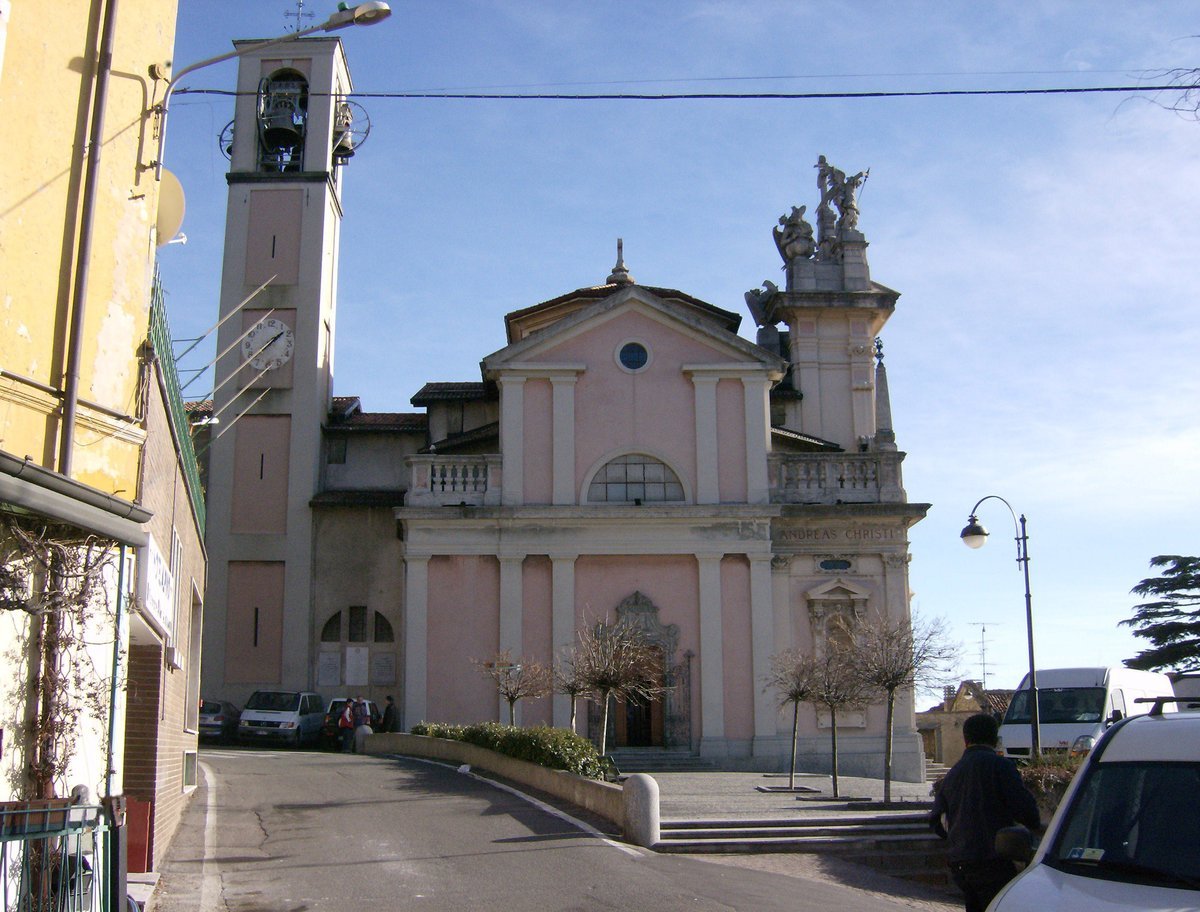 I continue my walk and arrive at Piazza della Chiesa, where the parish church of Brunate, dedicated to Saint Andrew, welcomes me. It has two facades – one more monumental facing Como – and a history dating back to the 14th century, when a monastery stood here. Rebuilt in the 19th century and expanded between 1914 and 1927, it preserves inside frescoes by the Recchi brothers, 17th-century painters from Como. In the vault, the patrons Andrew and Maurice stand out; in the medallions, among others, the Blessed Maddalena Albrici, whose relics are kept in a side niche. On the main altar, an altarpiece dedicated to Saint Andrew. Don’t miss the Prestinari pipe organ from 1827, which incorporates sound material from a 1774 Serassi: a gem for sacred music enthusiasts. Admission is free, and the intimate atmosphere invites a moment of silence.
- Piazza della Chiesa, Brunate (CO)
- https://fondoambiente.it/luoghi/chiesa-di-sant-andrea-apostolo-brunate
- Open in Google Maps
- View on Google Images
You should go if…
Day 2 – Stop no. 7
Campari Fountain
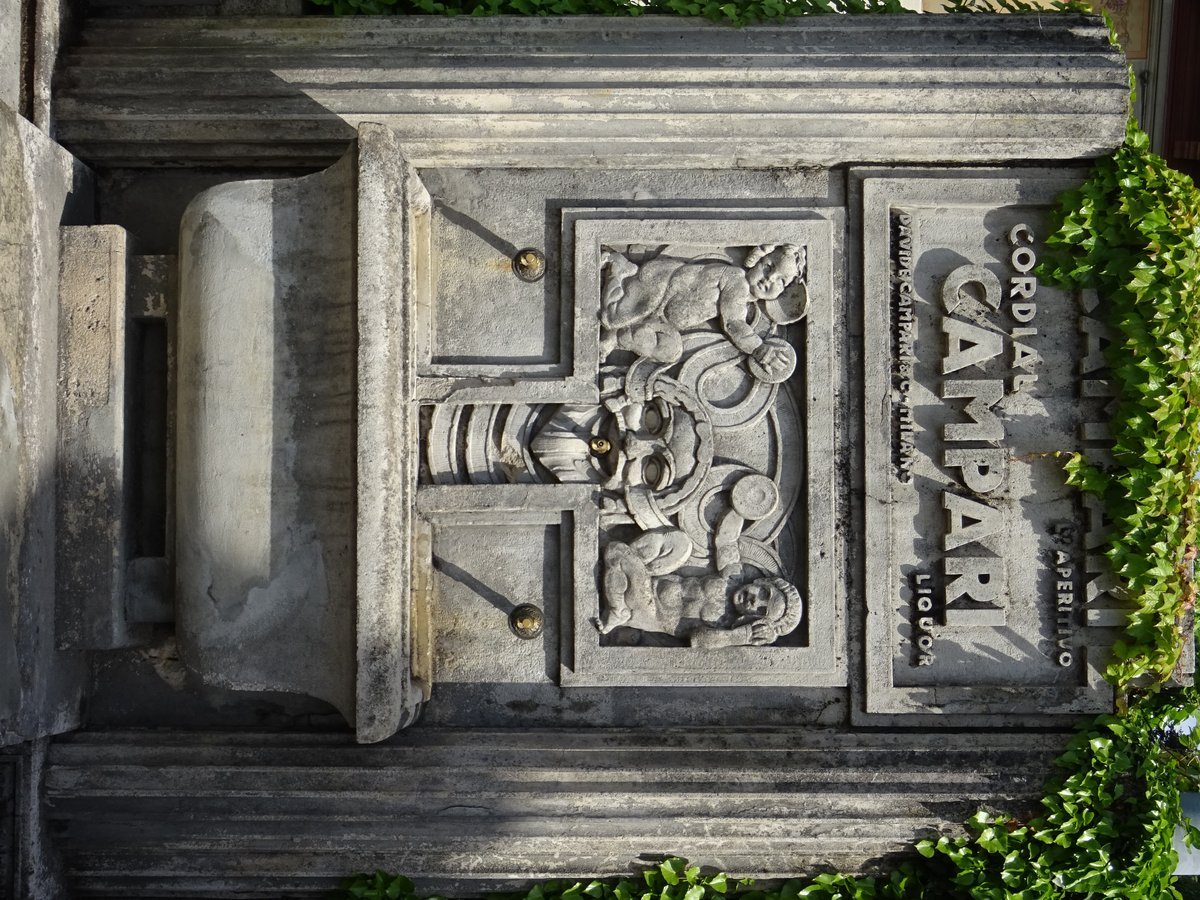 Just a few steps from the church, I come across an unexpected monument: an advertising fountain. Yes, you read that right. The Campari Fountain was created in 1935 by Florentine sculptor Giuseppe Gronchi for the aperitif company, as one of about thirty installed across Italy. Today only three remain, and this one in Brunate is the only one in Lombardy. It’s located along Via Roma, just minutes from the funicular station, and its water is still drinkable. The structure is made of travertine or reinforced concrete, with a grotesque bas-relief from which three taps emerge – hence its dialect name ‘i tre funtan’. On the sides, two fluted columns that once, according to some accounts, bore the heads of Mussolini and Victor Emmanuel II, later removed. Whether true or legend, the charm of this bizarre object remains: a three-dimensional billboard that combined advertising and public utility. As I take a sip of cool water, I think about how a simple brand left such a tangible mark. A perfect spot for an ironic photo.
- Via Roma, Brunate (CO)
- Open in Google Maps
- View on Google Images
You should go if…
Day 3 – Stop no. 8
Monguzzo Castle
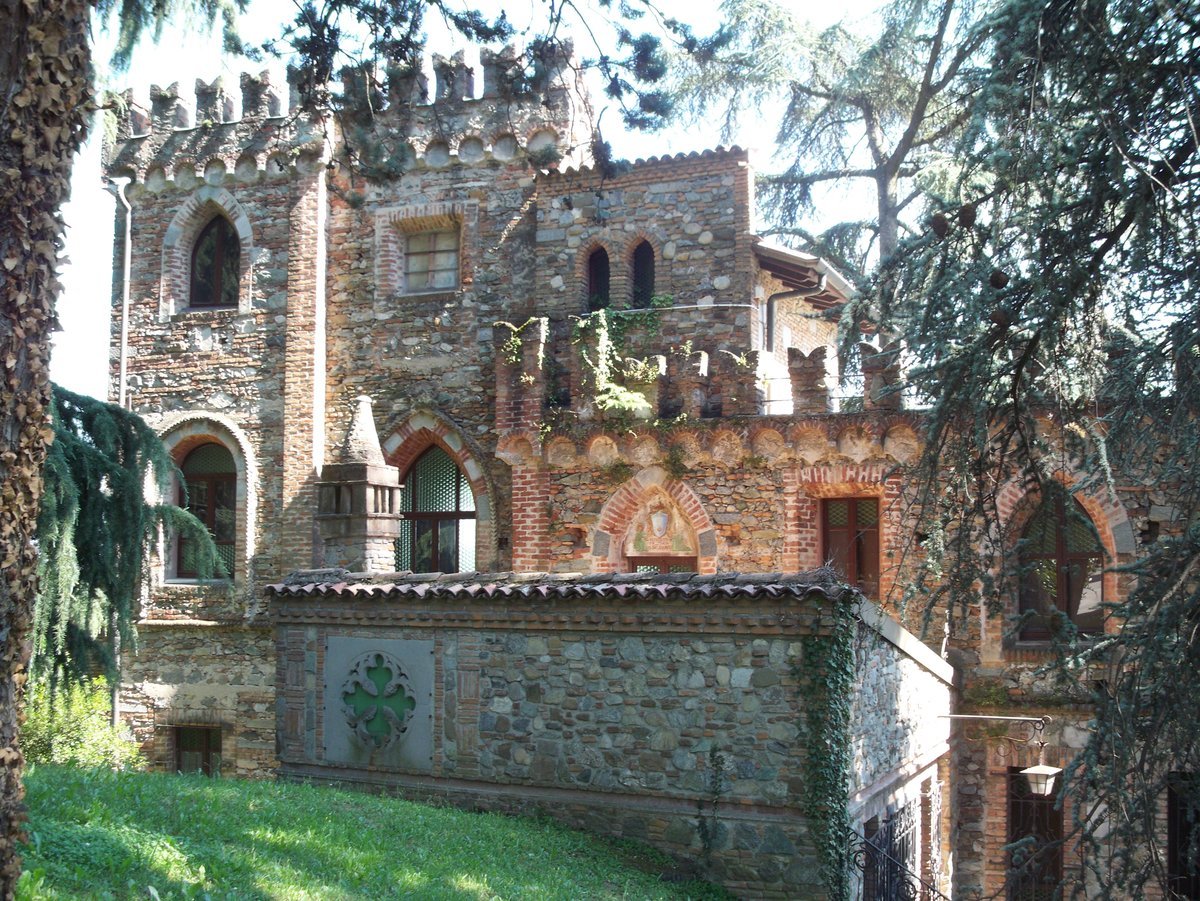 After leaving Brunate and its advertising fountain, the next stop is a plunge into the Middle Ages: I head up to the hill Mons Acutus, where Monguzzo Castle stands. The earliest written records date back to 920, when Berengar of Friuli donated these lands to the canons of Monza. Over the centuries, the castle experienced turbulent lordships: from the Visconti to the Dal Verme, from the Bentivoglio to the feared Gian Giacomo Medici, known as the Medeghino, who between 1527 and 1531 turned it into an impregnable stronghold, with underground tunnels and secret passages. Today, after a restoration in the 1970s, it is owned by the Fatebenefratelli order and houses a study center. Access is usually restricted, but occasionally doors open for events – a rare chance to admire the U-shaped layout, the small castle with the library, and the postern gate. If you get the chance, write to the proloco or call the listed number. A place steeped in stories, where the past mingles with the silence of Brianza.
- Via Giuseppe Verdi, Monguzzo (CO)
- Open in Google Maps
- View on Google Images
You should go if…
Day 3 – Stop no. 9
Castello Durini
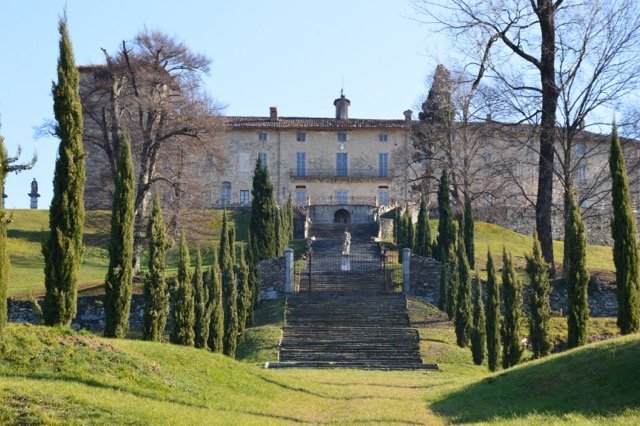 From Monguzzo, in just a few minutes you arrive at Fabbrica Durini, a hamlet of Alzate Brianza. Here stands Castello Durini, a complex blending late-Roman origins and Baroque splendor. The oldest tower dates back to the 5th century, but the castle is mentioned as early as 860. Its current appearance is thanks to architect Carlo Amati, who redesigned the façade and added the Chapel of Sant’Anna in 1815. Strolling through the hanging Italian garden, a unique feature in Lombardy, you enjoy a view spanning from Monte Rosa to the Grigne. Inside, 13th-century frescoes, painted wooden ceilings, and a library with period furnishings. Fun fact: Parini, Rossini, Verga, and the Savoy family once stayed here. Today the castle is open for guided tours (Saturday mornings, but it’s best to call ahead) and hosts concerts for the LacMus Festival. If you’re passionate about history and architecture, don’t miss it.
- Via Giuseppe Parini, Alzate Brianza (CO)
- Open in Google Maps
- View on Google Images
You should go if…
Day 3 – Stop no. 10
Madonna del Ghisallo Cycling Museum
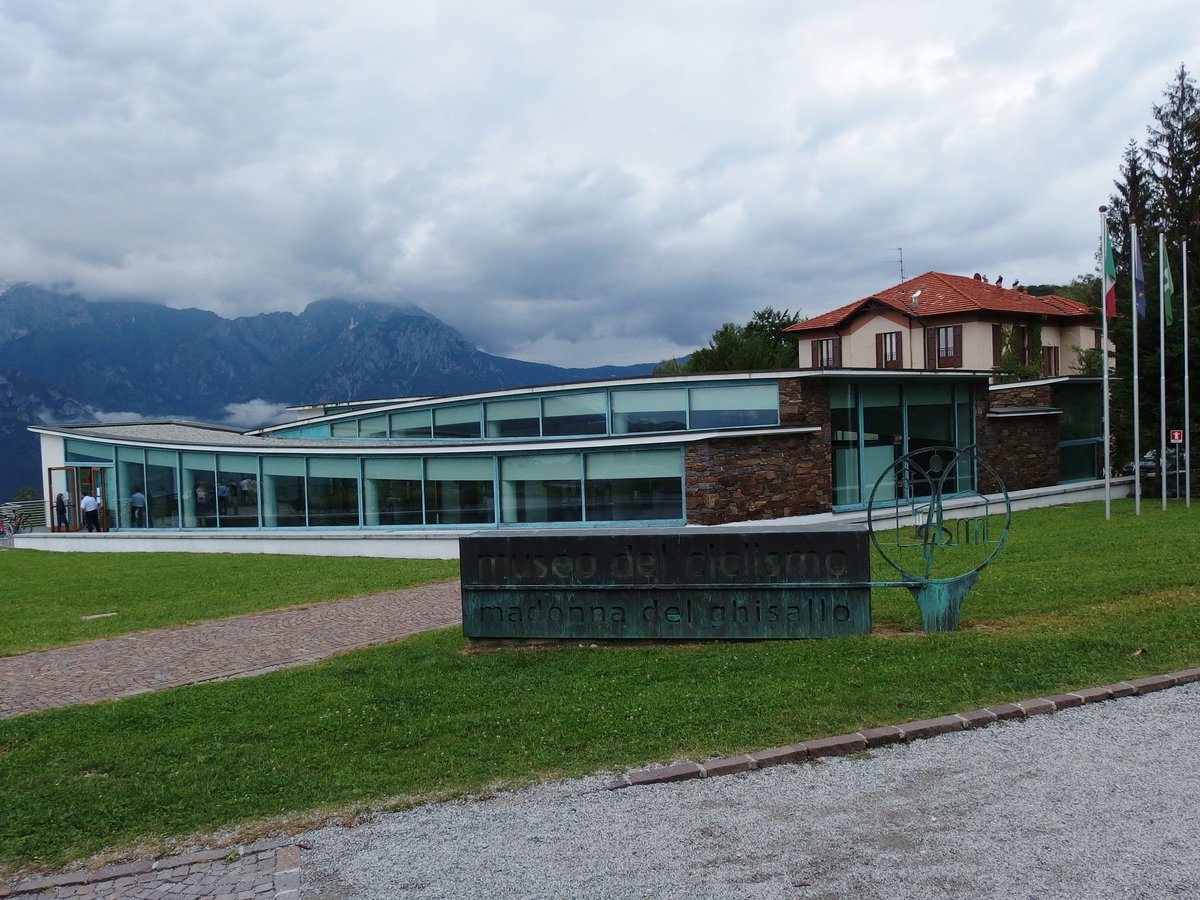 Last stop of the day, but perhaps the most thrilling: the Cycling Museum at Ghisallo. Here, in Magreglio, the passion for bicycles intertwines with devotion. The museum, inaugurated in 2006 thanks to Fiorenzo Magni, stands next to the Sanctuary that has housed the patron saint of cyclists since 1949. The architecture is a masterpiece: a switchback ramp leads you to the exhibition floor, as if you were climbing the last kilometer of Ghisallo. Inside, an impossible collection: Bartali’s Legnano, Coppi’s hour record bike, and Magni’s Wilier Triestina. But not only: the world’s largest collection of pink jerseys, a gift from Gazzetta dello Sport, and dozens of military and city bicycles, up to carbon frames. And then films, encyclopedias, and the Women’s section. Six hours are not enough. The best part? You can also enter for free with the Museums Abbonamento. Tip: arrive by bike, sweaty, then admire the memorabilia. You’ll feel the history on you.
- Via Marie Therese Steiert 4, Magreglio (CO)
- https://www.museodelghisallo.it/it/
- Open in Google Maps
- View on Google Images
You should go if…

