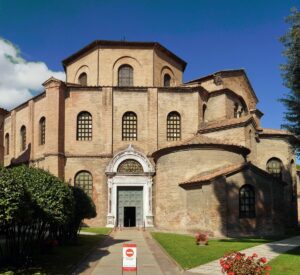
The Sanctuary of the Madonna di San Luca is a symbol of Bologna, perched on Colle della Guardia at 280 meters. The most evocative way to get there is to walk the longest portico in the world: 3.8 km with 666 arches, starting from Porta Saragozza. At the top, a Baroque jewel awaits you with a wonderful 12th-century Byzantine icon. Here’s what not to miss:
– Record-breaking portico: 666 arches gently climbing among chapels and views, a UNESCO World Heritage site.
– Icon of the Madonna: painted on cedar wood, according to tradition by Saint Luke, displayed on the high altar.
– Panoramic dome: at 42 meters high, offering a breathtaking view of Bologna and the Apennines.
– Works of art: masterpieces by Guido Reni, Guercino, and Donato Creti enrich the Baroque interiors.
Introduction
The Sanctuary of San Luca is the undisputed symbol of Bologna. Perched on Colle della Guardia, it can be seen from afar. To get there, you walk along the longest portico in the world: nearly 4 km of arches gently rising from the city. It’s an almost mystical experience, among the Rosary chapels and views that open up at every turn. Once at the top, the view of the city and hills is breathtaking. And then there’s the Byzantine icon, which according to tradition was painted by St. Luke himself. In short, a place that gets under your skin.
Introduction
The Sanctuary of San Luca is the undisputed symbol of Bologna. Perched on Colle della Guardia, it can be seen from afar. To get there, you walk along the longest portico in the world: nearly 4 km of arches gently rising from the city. It’s an almost mystical experience, among the Rosary chapels and views that open up at every turn. Once at the top, the view of the city and hills is breathtaking. And then there’s the Byzantine icon, which according to tradition was painted by St. Luke himself. In short, a place that gets under your skin.
Historical Notes
The history of the sanctuary begins in 1194, when Angelica Bonfantini donated the land for a church. The icon of the Madonna, of Byzantine origin (12th century), is said to have been brought by a hermit from Constantinople. In 1433, during a procession for rain, the miracle occurred: the deluge stopped at Porta Saragozza. Since then, every May, the Madonna descends into the city. The current building is Baroque, built between 1723 and 1757 by Carlo Francesco Dotti. Here are the key moments:
Historical Notes
The history of the sanctuary begins in 1194, when Angelica Bonfantini donated the land for a church. The icon of the Madonna, of Byzantine origin (12th century), is said to have been brought by a hermit from Constantinople. In 1433, during a procession for rain, the miracle occurred: the deluge stopped at Porta Saragozza. Since then, every May, the Madonna descends into the city. The current building is Baroque, built between 1723 and 1757 by Carlo Francesco Dotti. Here are the key moments:
- 1194: Foundation stone of the original church
- 1433: Miracle of the rain, beginning of annual procession
- 1674-1732: Construction of the portico (666 arches)
- 1723-1757: New Baroque sanctuary by Dotti
- 1765: Consecration of the sanctuary
- 2017: Opening of panoramic terrace on the dome
- 1194: Foundation stone of the original church
- 1433: Miracle of the rain, beginning of annual procession
- 1674-1732: Construction of the portico (666 arches)
- 1723-1757: New Baroque sanctuary by Dotti
- 1765: Consecration of the sanctuary
- 2017: Opening of panoramic terrace on the dome
The world’s longest portico
The Portico of San Luca is an engineering and symbolic marvel. It starts at Porta Saragozza and winds for 3.8 km with 666 arches. The number is no coincidence: it represents the devil, and the serpentine shape of the path recalls evil defeated by the Madonna. The first arches are flat, then you ascend with 15 chapels of the Mysteries of the Rosary. Every 20 arches, a chapel. The Arco del Meloncello, designed by Dotti, marks the beginning of the climb. It’s a route I would take every day, if only for the shade of the porticos.
The world’s longest portico
The Portico of San Luca is an engineering and symbolic marvel. It starts at Porta Saragozza and winds for 3.8 km with 666 arches. The number is no coincidence: it represents the devil, and the serpentine shape of the path recalls evil defeated by the Madonna. The first arches are flat, then you ascend with 15 chapels of the Mysteries of the Rosary. Every 20 arches, a chapel. The Arco del Meloncello, designed by Dotti, marks the beginning of the climb. It’s a route I would take every day, if only for the shade of the porticos.
The Byzantine Icon and Art Treasures
Behind the high altar, a case protects the ancient icon of the Madonna and Child. Although tradition says it was painted by Saint Luke, scholars date it to the 12th century, Byzantine style. It is visible only at certain times (covered from 1:00 to 2:30 PM). The sanctuary also hosts masterpieces: Guido Reni’s Madonna of the Rosary, Guercino’s Christ Appearing to His Mother, and works by Donato Creti. The dome, 42 meters high, offers a 180-degree panoramic view of Bologna and the hills – not to be missed.
The Byzantine Icon and Art Treasures
Behind the high altar, a case protects the ancient icon of the Madonna and Child. Although tradition says it was painted by Saint Luke, scholars date it to the 12th century, Byzantine style. It is visible only at certain times (covered from 1:00 to 2:30 PM). The sanctuary also hosts masterpieces: Guido Reni’s Madonna of the Rosary, Guercino’s Christ Appearing to His Mother, and works by Donato Creti. The dome, 42 meters high, offers a 180-degree panoramic view of Bologna and the hills – not to be missed.
Why Visit It
Three practical reasons. First: admission is free. Yes, gratis. You can enter, admire the icon and the artworks without spending a euro. Second: the uphill walk under the portico is a unique experience in the world, a UNESCO heritage site. Third: from the dome, opened in 2017, you see Bologna like a postcard – perfect for photos. If you like, you can also visit the Malvasia Meteorological Observatory in the convent premises.
Why Visit It
Three practical reasons. First: admission is free. Yes, gratis. You can enter, admire the icon and the artworks without spending a euro. Second: the uphill walk under the portico is a unique experience in the world, a UNESCO heritage site. Third: from the dome, opened in 2017, you see Bologna like a postcard – perfect for photos. If you like, you can also visit the Malvasia Meteorological Observatory in the convent premises.
When to Go
The best time? A clear spring dawn. The portico is lit by the rising sun, and the city awakens below you. Alternatively, late afternoon: the warm light on the hills is magical. If you want to experience tradition, go in May during the procession of the Madonna: the icon comes down to the city and the atmosphere is festive. Avoid the midday hours in summer—the climb under the portico is cool, but the sun beats down hard on the square.
When to Go
The best time? A clear spring dawn. The portico is lit by the rising sun, and the city awakens below you. Alternatively, late afternoon: the warm light on the hills is magical. If you want to experience tradition, go in May during the procession of the Madonna: the icon comes down to the city and the atmosphere is festive. Avoid the midday hours in summer—the climb under the portico is cool, but the sun beats down hard on the square.
Nearby
Two ideas. Certosa di Bologna (a short walk from Porta Saragozza): a monumental cemetery, almost an open-air museum. Here rest Lucio Dalla and Giosue Carducci. Sentiero dei Bregoli: an ancient mule track starting from the church of San Martino and arriving near the sanctuary, for those who want a more rustic alternative to the portico. Both places enrich the visit with a different touch.
Nearby
Two ideas. Certosa di Bologna (a short walk from Porta Saragozza): a monumental cemetery, almost an open-air museum. Here rest Lucio Dalla and Giosue Carducci. Sentiero dei Bregoli: an ancient mule track starting from the church of San Martino and arriving near the sanctuary, for those who want a more rustic alternative to the portico. Both places enrich the visit with a different touch.