
The Caltanissetta Archaeological Museum offers a journey into the ancient history of central Sicily through unique artifacts. The permanent collection includes Greek vases with mythological scenes, votive statuettes, and everyday objects from sites such as Sabucina, Gibil Gabib, and Capodarso. The exhibition layout is well-organized and accessible.
- Collection of Greek vases with painted amphorae and symposium craters
- Artifacts from the Sabucina treasures, including terracotta statuettes and everyday utensils
- Section dedicated to necropolises with exceptionally beautiful funerary goods
- Intimate and engaging atmosphere, away from tourist crowds
Events nearby


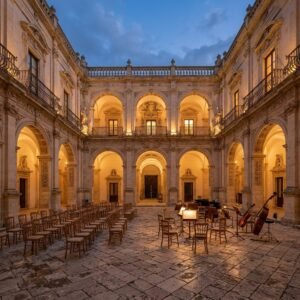
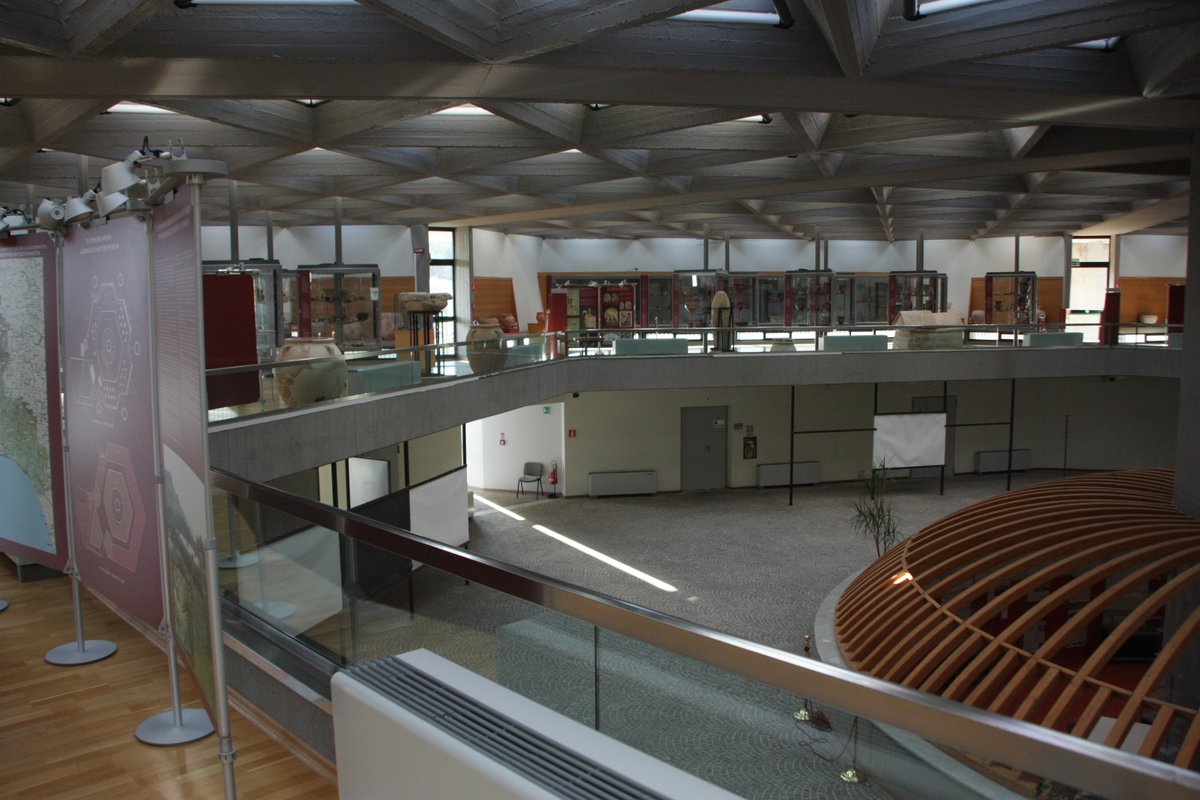
The Caltanissetta Archaeological Museum houses unique artifacts from central Sicily, including the famous collection of Greek vases decorated with mythological scenes and treasures from the Sican settlement of Sabucina.
- Via Santo Spirito, Caltanissetta (CL)
- Open in Google Maps
- View on Google Images Museo Archeologico a Caltanissetta
Good to know
Introduction
Crossing the threshold of the Archaeological Museum of Caltanissetta means immersing yourself in a breathtaking journey through time. Located in the heart of central Sicily, this museum safeguards treasures that tell millennia-old stories through unique artifacts. The famous collection of Greek vases captivates with its vibrant colors and elegant shapes, while the Sabucina treasures reveal the ancient splendor of this land. Each room is an invitation to discover past civilizations, with artifacts that speak of daily life, rituals, and cultural exchanges. The atmosphere is intimate and engaging, perfect for those seeking an authentic cultural experience away from tourist crowds. Don’t miss the opportunity to admire these masterpieces up close, which make the museum a hidden gem of the Nisseno province.
Historical Overview
The Archaeological Museum of Caltanissetta was officially established in 1962, but its origins trace back to archaeological discoveries from the late 19th century. Excavations at Sabucina and Gibil Gabib unearthed artifacts ranging from the Bronze Age to the Greek period, highlighting the strategic importance of this area. Figures like archaeologist Paolo Orsi played a key role in enhancing the value of these findings, laying the groundwork for today’s collection. Over time, the museum has evolved, enriched with materials from sites such as Policoro and Monte San Giuliano, now offering a comprehensive picture of ancient history in central Sicily.
- 12th century BC: Earliest traces of settlements at Sabucina
- 6th century BC: Peak period with Greek influences
- 1962: Official opening of the museum
- 2000s: Reorganization of collections and expansion of spaces
The Collection of Greek Vases
The collection of Greek vases is the museum’s crown jewel, featuring specimens ranging from the Geometric to the Hellenistic period. Admire the amphorae painted with mythological scenes, such as the one depicting Hercules battling the Nemean Lion, and the kraters used for mixing wine and water during symposia. Each vase tells a story: some come from local necropolises, others are the result of trade with Greek colonies along the coast. The meticulous details and well-preserved colors transport you to an era of skilled artisans and flourishing commerce. Don’t miss the red-figure vase with a hunting scene, a masterpiece showcasing the evolution of painting technique in the 5th century BC. This section is a must-see for enthusiasts of ancient art.
The Treasures of Sabucina
The treasures of Sabucina immerse you in the life of an ancient Sican settlement, with artifacts ranging from everyday utensils to ritual objects. Discover the terracotta statuettes representing local deities, used in votive offerings, and fragments of pottery decorated with geometric patterns typical of the indigenous culture. The metal artifacts, such as pins and fibulae, reveal advanced metalworking techniques for the time. Particularly evocative are the remains of a domestic hearth, which evoke moments of family life in a village perched on the hills of Nisseno. This section helps you understand how the local populations interacted with Greek colonists, creating a unique hybrid culture. It’s a journey into the most authentic identity of central Sicily.
Why Visit It
Visit the Archaeological Museum of Caltanissetta for three concrete reasons. First, the collection of Greek vases is among the most significant in inland Sicily, with rare pieces you won’t find elsewhere. Second, the Sabucina treasures offer a unique glimpse into Sican culture, away from the more common narratives. Third, the museum is easily accessible and rarely crowded, allowing you to enjoy the artifacts at your own pace. Additionally, the labels are clear and in Italian, ideal for those who want to delve deeper without a guide. Bring a camera with you: many artifacts are photogenic and deserve to be captured. Tip: dedicate at least one hour to the Greek section so you don’t miss the finer details.
When to Go
The best time to visit the museum is in the morning hours, when natural light streams through the windows and illuminates the exhibits in a captivating way. Avoid crowded weekends and opt for weekdays for a more peaceful experience. In terms of seasons, spring is ideal: the mild climate invites you to explore the surrounding areas after your visit. If you go in summer, take advantage of the hottest hours to retreat into the museum’s cool halls. In autumn, the colors of the surrounding hills create a perfect contrast with the historic atmosphere of the interiors. Plan your visit based on your interests: if you love art, focus on the Greek collection; if you prefer archaeology, dedicate more time to Sabucina.
In the Surroundings
Complete your day with a visit to Pietrarossa Castle, an imposing medieval fortress that overlooks the city and offers breathtaking views of the valley. For a themed experience, explore the Abbey of Santo Spirito, a religious complex with frescoes and architecture that narrate centuries of monastic history. Both sites are just minutes from the museum and enrich the historical context of the area. If you have time, stop by a local bar to sample cannoli nisseni, a sweet specialty that blends tradition and flavor. These places allow you to fully immerse yourself in Caltanissetta’s cultural heritage, creating a coherent and memorable itinerary.
Itineraries nearby


💡 Did You Know…?
Did you know that the museum houses the famous Attic red-figure crater found at Sabucina? It depicts a hunting scene and is considered one of the most precious pieces in the collection. Another fascinating detail: some artifacts come from abandoned sulfur mines, showing how industrial archaeology and classical archaeology intertwine in this territory.