
🧭 What to Expect
- Ideal for cultural weekends and families.
- Art and music with the Torrazzo and Cremona's Violin Museum.
- Medieval architecture in the castles of Soncino, Pandino, and Ostiano.
- River landscapes along the Po and Oglio rivers for walks.
- Authentic gastronomy with local cured meats and cheeses.
Events nearby

The Province of Cremona is a land of unique musical traditions and rural landscapes stretching along the Po River. In Cremona, the Torrazzo dominates the square with its 112 meters, symbol of the city of master violin makers. Nearby, the Violin Museum preserves instruments by Stradivari and Guarneri. In Crema, the Cathedral in Lombard brickwork and the Sanctuary of Santa Maria della Croce tell centuries of art and devotion. Outside the main centers, castles like those in Soncino and Pandino evoke the Visconti era, while villages along the Oglio River, such as Pizzighettone with its walls, offer peaceful glimpses. The cuisine here is authentic: from Cremona salami to marubini in broth, every dish speaks of the territory. Ideal for a weekend discovering authentic Italy, away from the beaten track.
Overview
- Cremona Cathedral
- The Torrazzo of Cremona
- Violin Museum
- Crema Cathedral
- Sanctuary of Santa Maria della Croce
- Sforza Fortress of Soncino
- Visconti Castle of Pandino
- Castello Gazzo
- Civic Museum Ala Ponzone
- Civic Museum of Crema and the Cremasco Region
- Diotti Museum
- Prehistory Park
- Sommi Picenardi Cassano Castle
- Pizzighettone Civic Museum
- Ostiano Castle
Itineraries nearby
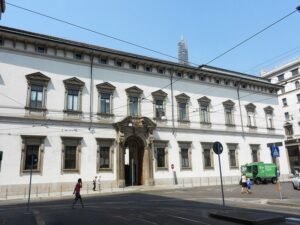
Cremona Cathedral
- Go to the page: Cremona Cathedral: Renaissance Frescoes and Record-Breaking Torrazzo
- Piazza del Comune, Cremona (CR)
- Open in Google Maps
- View on Google Images
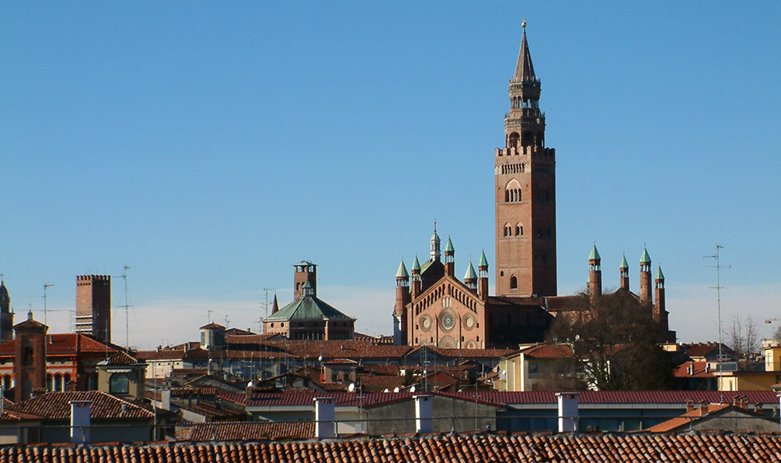 The Cathedral of Santa Maria Assunta is the heart of Cremona, an architectural jewel that stands majestically in Piazza del Comune. Built starting from the 12th century in Romanesque style, the white and pink marble facade immediately captures attention with its reliefs and sculptures depicting biblical stories. Upon entering, you're enveloped in a solemn atmosphere: the naves are imposing, and your eyes wander among the frescoes by Pordenone and Boccaccio Boccaccino, decorating the vaults with scenes from the lives of Mary and Christ. Don't miss the crypt, where the relics of Saint Homobonus, the city's patron saint, are preserved. The Cathedral is closely linked to the Torrazzo, Italy's tallest brick bell tower: climbing its 502 steps (if you have the breath!) offers a breathtaking view over the Po Valley and the Prealps. For a complete experience, also visit the adjacent Baptistery, another example of medieval architecture. The Cathedral is open year-round, with slightly varying hours between summer and winter; admission is free, but a ticket is required to climb the Torrazzo. I recommend going in the morning to avoid crowds and enjoy the light filtering through the stained glass windows, creating plays of shadows on the ancient walls.
The Torrazzo of Cremona
- Largo Boccaccino, Cremona (CR)
- Open in Google Maps
- View on Google Images
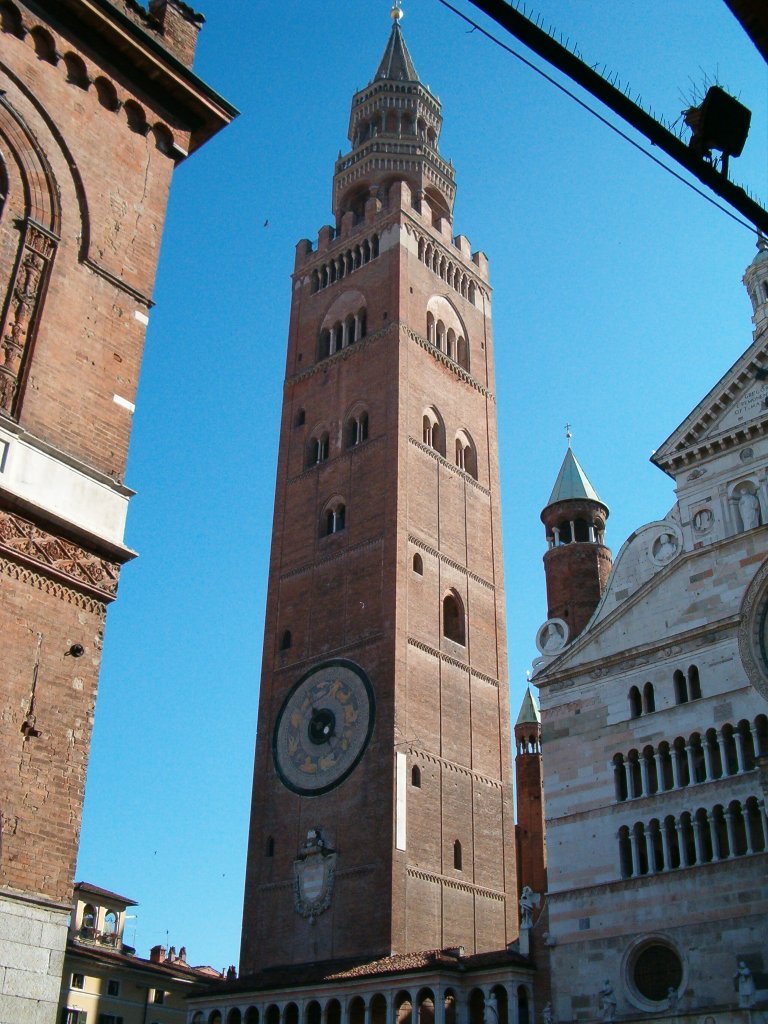 The Torrazzo of Cremona is not just a symbol of the city, but an experience that delivers unique emotions. Standing at 112 meters tall, it is Italy's tallest brick bell tower, built between the 13th and 14th centuries. Climbing its 502 steps is a challenge worth every effort: the view from the top embraces all of Cremona, with the Po River winding through the plain and the Alps on the horizon on clear days. Inside, you can admire the mechanism of the 16th-century astronomical clock, one of the oldest still functioning in the world, displaying lunar phases, zodiac signs, and planetary motions. The tower is an integral part of the Cathedral complex, and its red brick structure is a masterpiece of medieval engineering. For those visiting Cremona, the Torrazzo is a must-see stop: not just for the history, but for that thrill you feel looking down at the city from above. I recommend booking online to avoid queues, especially on weekends.
Violin Museum
- Piazza Guglielmo Marconi 5, Cremona (CR)
- https://www.museodelviolino.org/it/
- Open in Google Maps
- View on Google Images
- info@museodelviolino.org
- +39 0372 801801
 If you love music, the Violin Museum in Cremona is an essential stop. It's not just a museum, but a true journey into the world of lutherie, the art that has made Cremona famous worldwide. Here you can admire ancient instruments of extraordinary value, such as violins by Antonio Stradivari and Giuseppe Guarneri del Gesù, preserved in climate-controlled cases that maintain their integrity. The exhibition halls guide you through the history of lutherie, with educational panels explaining construction techniques and the secrets of the masters. Don't miss the Giovanni Arvedi Auditorium, where concerts are often held using the museum's instruments: hearing a Stradivarius violin live is a unique experience. In the basement, the Collection of Models displays Stradivari's original drawings, a treasure for enthusiasts and scholars. The museum also organizes workshops for children and guided tours that make the experience accessible to everyone. If you want to take home a souvenir, the bookshop offers specialized publications and miniature reproductions of the instruments. The Violin Museum is located in Piazza Marconi, just steps from the Duomo and the Torrazzo, perfect for an itinerary in Cremona's historic center. I recommend checking opening hours on the official website, especially if you plan to attend a concert.
Crema Cathedral
- Via Vescovado, Crema (CR)
- Open in Google Maps
- View on Google Images
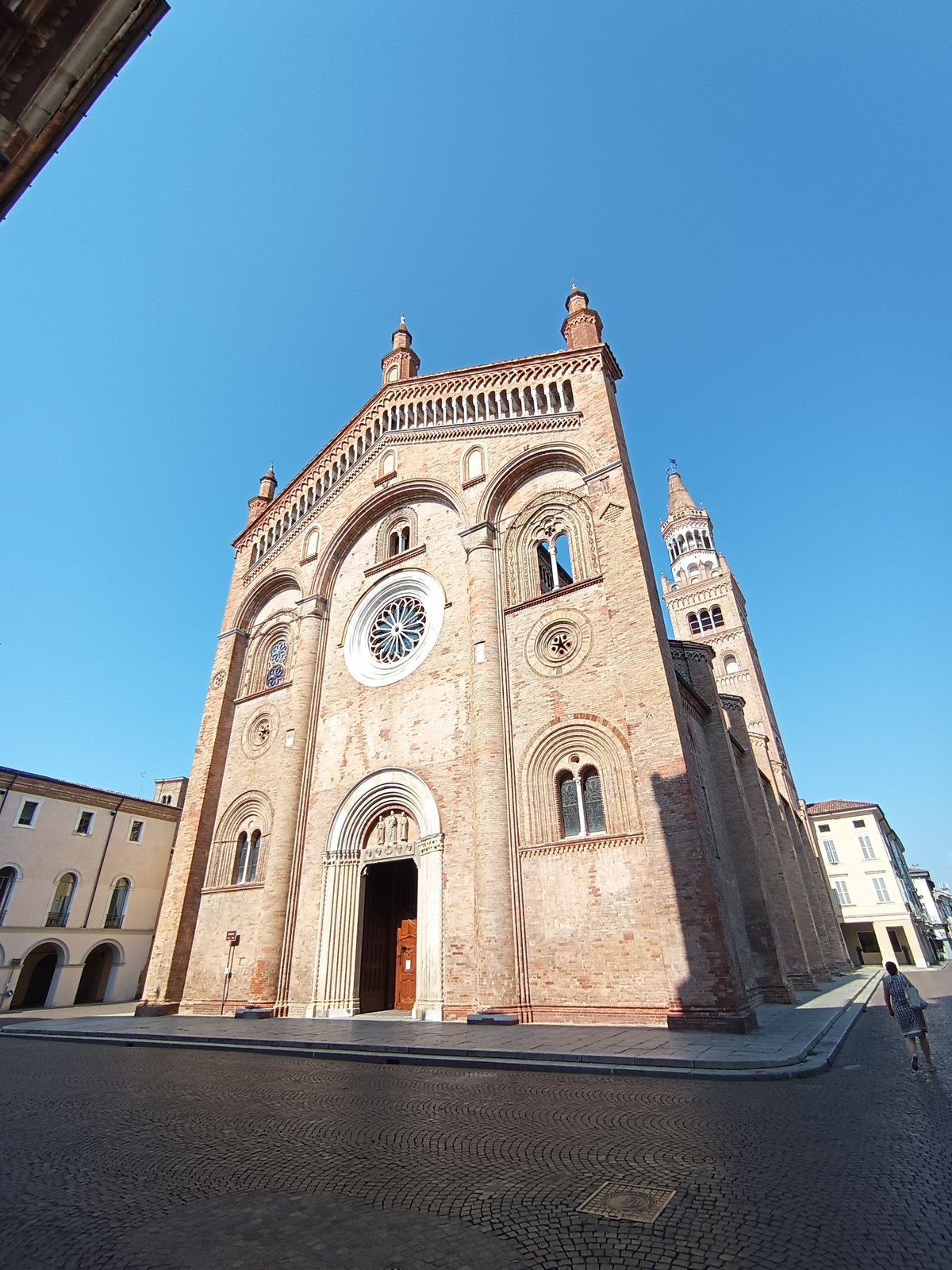 Crema Cathedral, dedicated to Saint Mary of the Assumption, is the religious and architectural heart of the city. Its Lombard brick facade, with the characteristic rose window and central portal, welcomes you to Piazza Duomo with the understated elegance typical of Lombard Renaissance. Upon entering, you'll be struck by the polygonal apse, unique in the area, which gives the interior a special luminosity. Don't miss the Pala di San Pantaleone by Giovanni Battista Lucini, a Baroque masterpiece that stands out among the naves. The Chapel of the Blessed Sacrament preserves sixteenth-century frescoes, while the eighteenth-century organ is still used for concerts. The bell tower, 47 meters high, offers a panoramic view of the Cremasco plain. The Cathedral stands on an area where a Romanesque church once stood, destroyed in the Middle Ages, and its current construction dates back to the 15th century. During holidays, such as Crema Carnival, the square becomes the stage for traditional events. For a complete visit, take advantage of morning openings and weekday afternoons, avoiding mass hours.
Sanctuary of Santa Maria della Croce
- Via Giovanni Battaglio, Crema (CR)
- Open in Google Maps
- View on Google Images
 The Sanctuary of Santa Maria della Croce is one of the most evocative sites in the province of Cremona, a Renaissance masterpiece standing isolated in the countryside just a few kilometers from the center of Crema. Its construction began in 1490 at the behest of the blessed Stefana Quinzani, based on a design by Giovanni Battagio, a pupil of Bramante. The building impresses with its central Greek cross plan, a rare example of Renaissance architecture in Lombardy. Inside, the octagonal dome dominates the space, creating plays of light that illuminate the 16th-century frescoes. Particularly precious is the wooden group of the Madonna and Child, the object of centuries-old devotion. The sanctuary is surrounded by a portico that invites meditation, with arches framing the surrounding agricultural landscape. The tranquility of the place makes it perfect for a restorative stop, far from the city noise. I recommend visiting the crypt, where relics and ex-votos are preserved, telling centuries of popular faith. Admission is free, and parking is convenient right in front of the entrance.
Sforza Fortress of Soncino
- Go to the page: Rocca Sforzesca Soncino: Intact Renaissance Fortress with Prisons and Panoramic Keep
- Via Carlo Cattaneo, Soncino (CR)
- Open in Google Maps
- View on Google Images
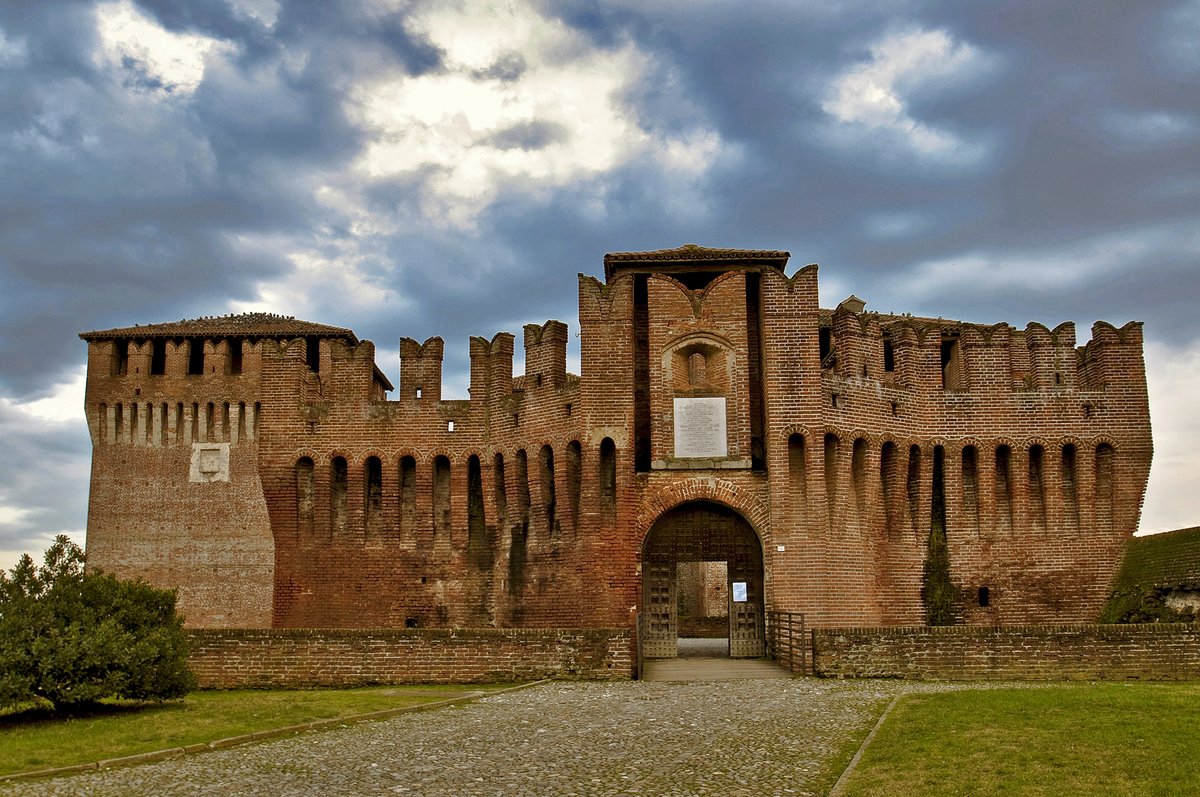 The Sforza Fortress of Soncino is one of the architectural jewels of the Cremona province, an imposing Renaissance fortress that stands out in the heart of Lower Lombardy. Built between 1473 and 1475 by order of Galeazzo Maria Sforza, this fortress represents a perfect example of 15th-century military architecture, with its four corner towers connected by patrol walkways and the characteristic entrance ravelin that still welcomes visitors today. Walking through its inner courtyards means immersing yourself in centuries of history: here you breathe the atmosphere of the Duchy of Milan, when Soncino was a strategic outpost on the border with Venice. Climbing the towers offers a breathtaking panorama of the Cremonese countryside, with cultivated fields stretching to the horizon. Inside, the spaces preserve traces of ancient uses: from the prisons to the reception halls, every corner tells stories of dukes, military leaders, and daily life. The fortress is perfectly preserved thanks to careful restorations that have maintained its authenticity, making it one of the best-preserved fortresses in Lombardy. The visit is completed by exploring the medieval village of Soncino, which develops around the fortress with its cobbled streets and brick houses. I recommend dedicating at least an hour and a half to discovering this complex, without rushing, to appreciate every architectural and historical detail.
Visconti Castle of Pandino
- Go to the page: Visconti Castle of Pandino: Perfectly Preserved 14th-Century Frescoes and Porticoed Courtyard
- Via Stefano da Pandino, Pandino (CR)
- Open in Google Maps
- View on Google Images
 The Visconti Castle of Pandino is one of the rare examples of 14th-century fortified architecture that has maintained its original structure intact. Built between 1355 and 1361 at the behest of Bernabò Visconti, Lord of Milan, this castle represents an exceptional case in the Lombard landscape: it was never transformed into a Renaissance noble residence, thus preserving its medieval military characteristics. The square plan with four corner towers and the moat still filled with water create an authentic atmosphere that transports you directly to the 14th century. The interior halls, recently restored, house original frescoes depicting hunting scenes and courtly life, among which those in the Hall of Vices and Virtues stand out. Particularly interesting is the medieval heating system still visible, with its characteristic wall fireplaces. Today the castle is municipal property and hosts cultural events, exhibitions, and weddings. The visit also allows you to appreciate the underground areas, where supplies were stored, and the original prisons. For those visiting the province of Cremona, this monument offers a plunge into history without the need for reconstructions: here the Middle Ages are still palpable.
Castello Gazzo
- Go to the page: Castello Gazzo: Medieval Fortress on the Oglio River with Tower and Pier
- Vicolo Castello, Scandolara Ripa d'Oglio (CR)
- Open in Google Maps
- View on Google Images
 Castello Gazzo in Scandolara Ripa d'Oglio is one of those places that transports you back in time, when manors marked the territory and protected communities. Situated right on the banks of the Oglio River, this medieval castle has a history dating back to the 12th century, although its current appearance mainly dates from the 15th century. The structure presents itself as a fortified complex with towers, crenellated walls, and a moat that once made it inaccessible. Today, although it is a private property, its majestic profile dominates the agricultural landscape of Lower Cremona, offering unforgettable photographic views especially at sunset. The architecture is a mix of defensive and residential elements, typical of Po Valley fortresses, with inner courtyards that tell centuries of transformations. Unfortunately, it is not always open for interior visits, but its exterior is enough to understand the strategic importance it had, controlling river traffic and communication routes between Cremona and Brescia. For those who love history and architecture, it is an unmissable stop on an itinerary exploring the castles of the province. I recommend combining the visit with a walk along the river embankment, where nature and history blend in a unique atmosphere.
Civic Museum Ala Ponzone
- Via Ugolani Dati 4, Cremona (CR)
- https://musei.comune.cremona.it/it/musei/museo-civico-ala-ponzone
- Open in Google Maps
- View on Google Images
- museo.alaponzone@comune.cremona.it
- +39 0372 407770
 The Civic Museum Ala Ponzone is a true jewel in the heart of Cremona, housed in the seventeenth-century Palazzo Affaitati. The collection, born from the bequest of Marquis Giovanni Ala Ponzone in 1842, ranges from archaeology to painting, with a special focus on Cremonese violin making. Here you can admire works by local artists such as Giulio Campi and Bernardino Campi, as well as a section dedicated to historic violins, which tells the story of the city's artisanal heritage. Don't miss the Picture Gallery, with paintings from the Middle Ages to the nineteenth century, and the collection of ceramics and ivories. The museum is well organized, with clear explanatory panels, and offers an immersive experience without being too crowded. Ideal for those seeking culture without frills, it's a must to understand the soul of Cremona beyond the Torrazzo. We recommend dedicating a couple of hours, perhaps combining it with a visit to the nearby Violin Museum for a complete journey through the art of sound.
Civic Museum of Crema and the Cremasco Region
- Piazzetta Winifred Terni de Gregorj, Crema (CR)
- http://www.museocrema.it/
- Open in Google Maps
- View on Google Images
- museo@comune.crema.cr.it
- +39 0373 257161
 The Civic Museum of Crema and the Cremasco Region is a cultural gem awaiting you in the heart of Crema, housed in the prestigious Bishop's Palace in Piazza Duomo. Entering here means immersing yourself in centuries of local history, with collections ranging from archaeology to painting, including unique artifacts from the territory. Among the rooms, the paintings of Vincenzo Civerchio stand out, a Renaissance artist who left an indelible mark on the Cremasco school, and the section dedicated to Crema Ceramics, with artifacts that tell the story of traditional craftsmanship. Don't miss the Sacred Art Collection, with works from local churches, and the archaeological evidence tracing life in the Cremasco region from Roman times to the Middle Ages. The museum is clearly organized, with explanatory panels that make the visit accessible to everyone, even those who aren't experts. I recommend dedicating a couple of hours to appreciate every detail, perhaps combining the visit with the nearby Crema Cathedral for a complete experience. The atmosphere is intimate and authentic, perfect for those who want to discover the soul of this city without rushing. Remember to check opening hours on the official website, especially during holiday periods.
Diotti Museum
- Via Aldo Formis 17, Casalmaggiore (CR)
- https://www.museodiotti.it/index.html
- Open in Google Maps
- View on Google Images
- info@museodiotti.it
- +39 0375 200416
 If you're passing through Casalmaggiore, the Diotti Museum is a stop you simply can't miss. This civic museum is located in the heart of the historic center, housed in a former 17th-century Augustinian convent that's worth visiting in its own right. You'll find three floors of local art and history, with a permanent collection spanning the 19th and 20th centuries, featuring works by Giuseppe Diotti – the Cremonese painter the museum is named after – and other regional artists. The ground floor houses the archaeological section with Roman and medieval artifacts discovered in the area, while the first floor immerses you in 19th and 20th-century painting, with works that depict the life and landscapes of the Lower Po Valley. The second floor, on the other hand, features temporary exhibitions that always bring something fresh, often related to contemporary art or social themes. The museum is well-organized, with clear explanatory panels and an intimate atmosphere that lets you appreciate every detail. If you're traveling with children, ask at the entrance about educational activities: they sometimes organize creative workshops that make the visit more engaging. Hours: usually open Tuesday through Sunday, but always check the website before going. The ticket costs just a few euros and also includes access to the nearby Bijou Museum, another gem of Casalmaggiore.
Prehistory Park
- Viale Ponte Vecchio 21, Rivolta d'Adda (CR)
- https://www.parcodellapreistoria.it/
- Open in Google Maps
- View on Google Images
- +39 0363 78184
 The Prehistory Park in Rivolta d'Adda is a unique experience that takes you back millions of years. Located along the banks of the Adda River, this theme park extends over 100 hectares of ancient woodland where scientifically accurate reconstructions of dinosaurs and prehistoric animals coexist at life-size scale. The 30 reconstructions include the majestic T-Rex, Triceratops, and Diplodocus, all crafted with meticulous attention to paleontological details. Beyond the dinosaurs, the park offers a botanical trail with ancient plant species, a hedge maze for family fun with children, and a fully equipped picnic area. The Paleontological Museum inside completes the visit with fossil exhibits and accessible explanations. The park's natural environment, with its shaded pathways and proximity to the river, makes the walk enjoyable in every season. The children's playground is spacious and well-maintained, with slides and swings that echo the prehistoric theme. The park also organizes educational activities for schools and families, featuring hands-on paleontology workshops. Its location in Rivolta d'Adda makes it easily accessible from the city of Cremona, ideal for an unusual day trip away from the ordinary.
Sommi Picenardi Cassano Castle
- Via Torre Angiolini, San Lorenzo de' Picenardi (CR)
- Open in Google Maps
- View on Google Images
 The Sommi Picenardi Cassano Castle in San Lorenzo de' Picenardi is an architectural surprise that welcomes you with its elegant Renaissance facade. Built between the 15th and 16th centuries, this manor house retains the timeless charm of its era, with crenellated towers standing out against the sky of the Po Valley. The original structure, traces of which remain in the perimeter walls, was expanded and embellished by the Sommi Picenardi family, who made it their residence. Today, the castle is open to visitors by reservation and offers unique emotions: crossing the inner courtyard, you breathe in the atmosphere of an era when Lombard courts were centers of culture and power. The interiors preserve period furnishings and frescoes that tell stories of nobles and artists, while the private chapel, dedicated to Saint Lawrence, offers a corner of spirituality. The surrounding park, with ancient trees, invites peaceful walks away from the crowds. For those seeking authenticity, cultural events and weddings are organized here, making the castle a vibrant and participatory place. The isolated location, immersed in the fields, adds a touch of magic: it feels like stepping back in time, without the need for large crowds or busy tourist routes. A practical tip: check the opening hours, often tied to guided tours, and take the opportunity to explore the surroundings, rich in rural traditions.
Pizzighettone Civic Museum
- Via Giuseppe Garibaldi, Pizzighettone (CR)
- Open in Google Maps
- View on Google Images
 The Pizzighettone Civic Museum is a hidden gem nestled within the village walls, perfect for those seeking an authentic immersion into Cremonese history. Located inside the Guado Tower, a medieval building overlooking the Adda River, the museum offers an engaging journey through archaeological finds, documents, and everyday objects that narrate centuries of local traditions. Don't miss the section dedicated to Renaissance ceramics, featuring unique pieces unearthed from local excavations, and the display of weapons and armor that evoke the era of battles between the Visconti and Venetians. The visit concludes with a climb up the tower, where you can enjoy a breathtaking panoramic view of the river and surrounding countryside. The museum is small but well-maintained, ideal for a one-hour stop, and admission is free, making it an accessible destination for everyone. I recommend pairing the visit with a stroll along the walls to fully appreciate the charm of this corner of Lombardy.
Ostiano Castle
- Go to the page: Ostiano Castle: Medieval Fortress with Perfect Walls and Views Over the Plain
- Piazza Castello, Ostiano (CR)
- Open in Google Maps
- View on Google Images
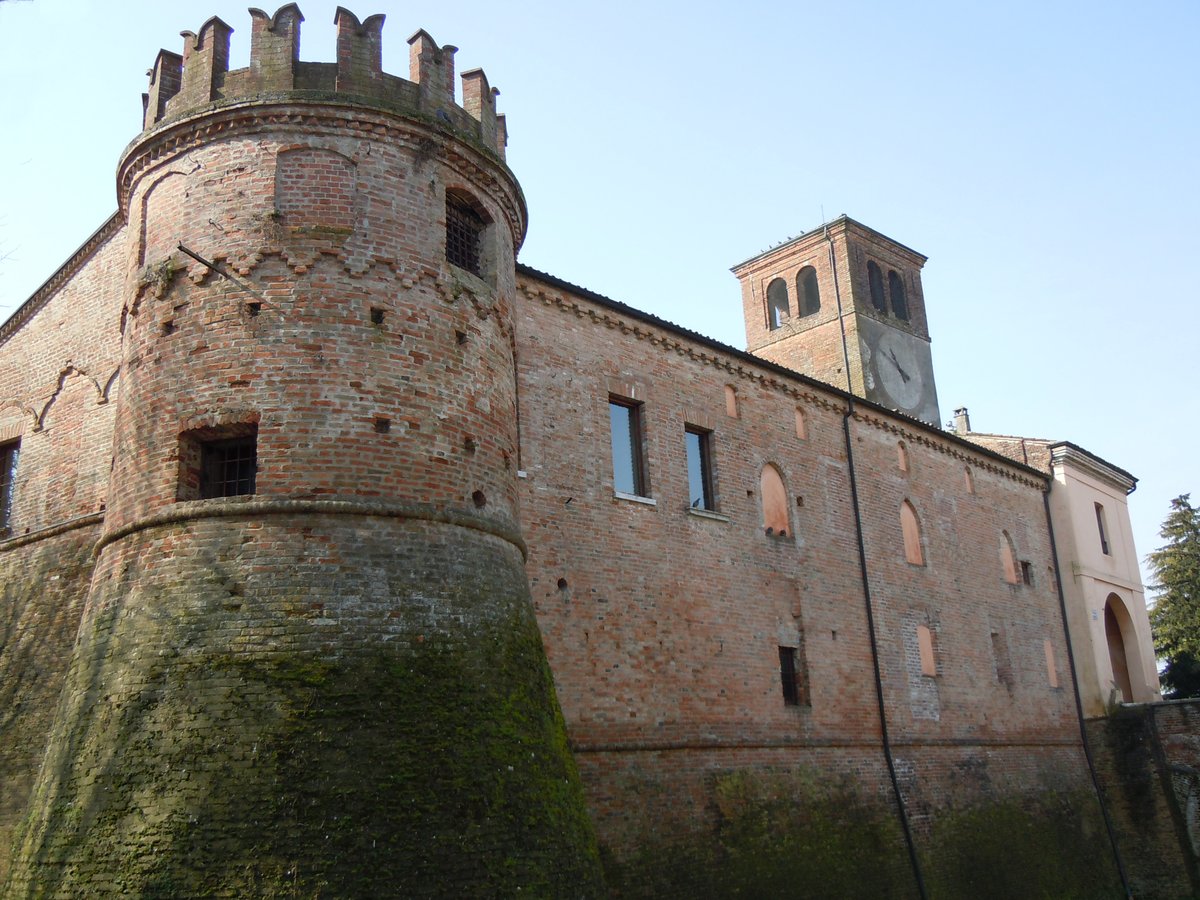 The Ostiano Castle stands imposingly at the heart of the village, a military architecture that tells centuries of Lombard history. Built in the 12th century as a defensive stronghold, it has witnessed the passage of Visconti and Sforza, the powerful families that shaped the territory. Today, despite the transformations it has undergone over time, it retains an authentic charm. The structure, with its exposed brickwork, still shows traces of the ancient moat and perimeter walls. Inside, the spaces have been repurposed for civic functions, yet the atmosphere of times past is palpable. Climbing the tower offers a unique panoramic view of the Cremonese countryside, with cultivated fields stretching to the horizon. The castle often hosts cultural events and exhibitions, enlivening the village with initiatives that enhance the local heritage. The visit pairs well with a stroll through Ostiano's historic center, where you can discover charming corners and still-living rural traditions. A tip: check the opening hours, as access may vary depending on ongoing activities. Bring your camera: the architectural details and glimpses of the plain are worth capturing.