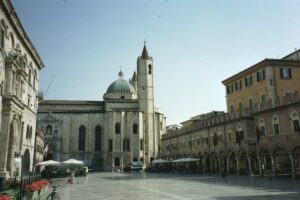
Are you ready to discover the Picene roots of Fermo Province? This Fermo province archaeological itinerary takes you on a 2-day journey through Roman theaters and history-rich museums. Start from Fermo to explore its fascinating Roman theater, then visit the Archaeological Museum with unique artifacts. The second day awaits you at the Falerio Picenus site with its well-preserved remains and the Roman City Museum. A perfect route for history lovers wanting to discover hidden treasures away from the more beaten tourist paths. All the practical information to best organize your visit!
🗺️ Your trip at a glance
A 2-day itinerary exploring the Picene and Roman heritage of the Province of Fermo, from open-air archaeological sites to museums rich in artifacts.
- Ideal for
history and archaeology enthusiasts seeking an experience away from the most crowded tourist circuits.- Highlights
six stops among well-preserved Roman theaters, an amphitheater, an Italic sanctuary, and museums with unique artifacts.- Perfect for those who
want to discover the ancient roots of the territory through a structured itinerary with maps and practical information.
Itinerary stops
Day 1 - Stop no. 1
Roman Amphitheatre of Falerio Picenus
 Starting the Ancient Fermo: History and Archaeology itinerary from the Roman Amphitheatre of Falerio Picenus means immediately immersing yourself in the heart of Picene civilization. This archaeological site in Piane, along Via Anfiteatro romano, preserves the remains of an amphitheatre that once hosted gladiator battles and spectacles for thousands of spectators. The structures made of local stone, partially carved into the hillside, showcase Roman engineering applied to the Marche landscape. The elliptical arena and vomitoria are still recognizable, offering an authentic glimpse into public life in ancient Falerio. The panoramic position overlooking the surrounding countryside adds unique landscape value, making the visit an experience that combines archaeology and nature.
- Via Anfiteatro romano, Piane (FM)
- Open in Google Maps
- View on Google Images

You should go if...
Day 1 - Stop no. 2
Roman Theatre of Falerio Picenus
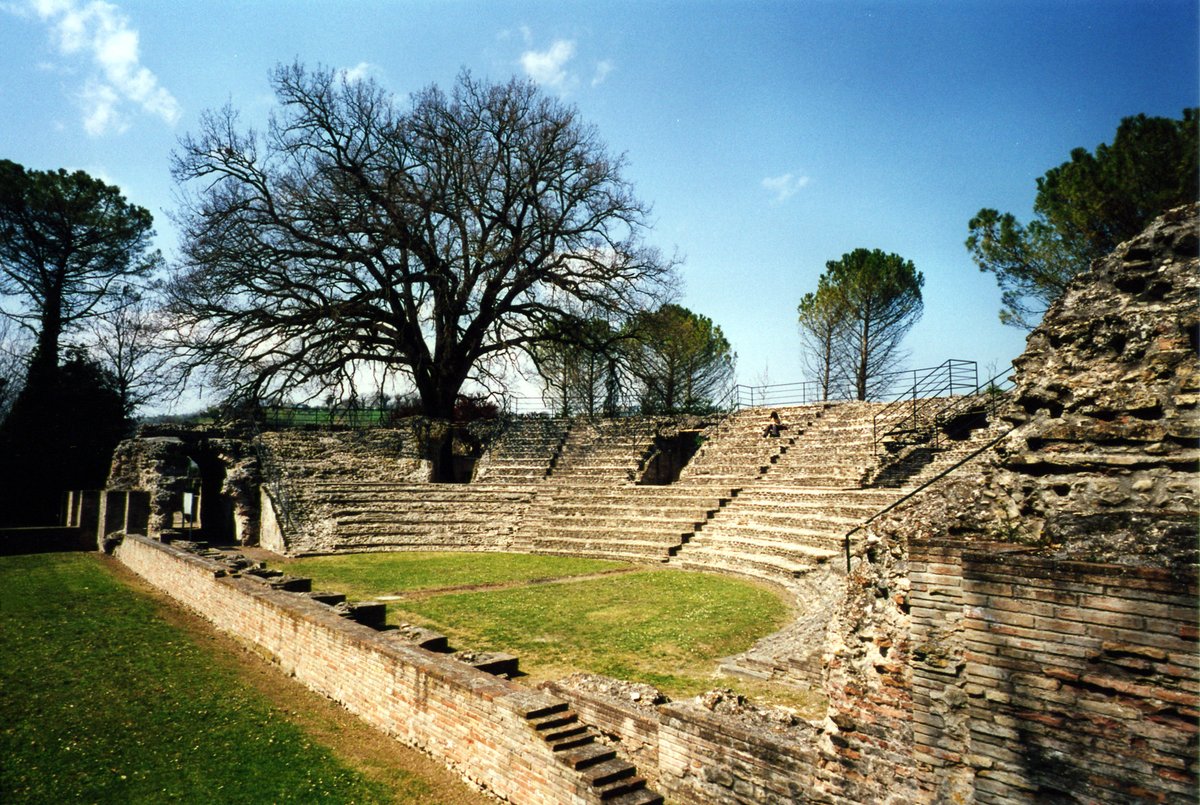 Leaving behind the first archaeological site of the day, you immerse yourself in the heart of ancient Falerio Picenus with its Roman theatre located in Piane, along Via Pozzo. This complex, dating back to the 1st century BC, represents one of the best-preserved archaeological gems in the province of Fermo, capable of seating up to 1,500 spectators. The semicircular cavea, divided into three sections, opens onto a rural landscape that seems unchanged over the centuries. The remains of the stage and vomitoria reveal advanced construction techniques for the time, with perfectly squared blocks of local travertine. During excavations, fragments of marble decorations emerged, hinting at the ancient splendour of this social gathering place. The peripheral location, away from urban chaos, allows you to fully appreciate the acoustics, which still function excellently today.
- Via Pozzo, Piane (FM)
- Open in Google Maps
- View on Google Images
You should go if...
Day 1 - Stop no. 3
Civic Archaeological Museum
 After exploring the Roman theaters, the Civic Archaeological Museum of Monte Rinaldo offers a more intimate perspective on the daily life of the Picenes. Located on Via Crocifisso, this small but rich museum houses unique artifacts from the La Cuma archaeological area, including ceramics, domestic utensils, and ritual objects that narrate life between the 6th and 3rd centuries BC. The well-organized displays allow visitors to follow the evolution of local settlements, with particular attention to burials and funeral goods that reveal the customs and beliefs of the era. The exhibited materials, the result of systematic excavations, include bronze fibulae, decorated pottery, and agricultural tools that testify to the economic activities of the community. The visit concludes with a section dedicated to commercial contacts with nearby Greek colonies, highlighting the strategic importance of this territory in antiquity.
- Go to the page: Monte Rinaldo Archaeological Museum: Piceni artifacts and Hellenistic-Roman sanctuary
- Via Crocifisso, Monte Rinaldo (FM)
- Open in Google Maps
- View on Google Images
You should go if...
Day 2 - Stop no. 4
La Cuma Archaeological Area
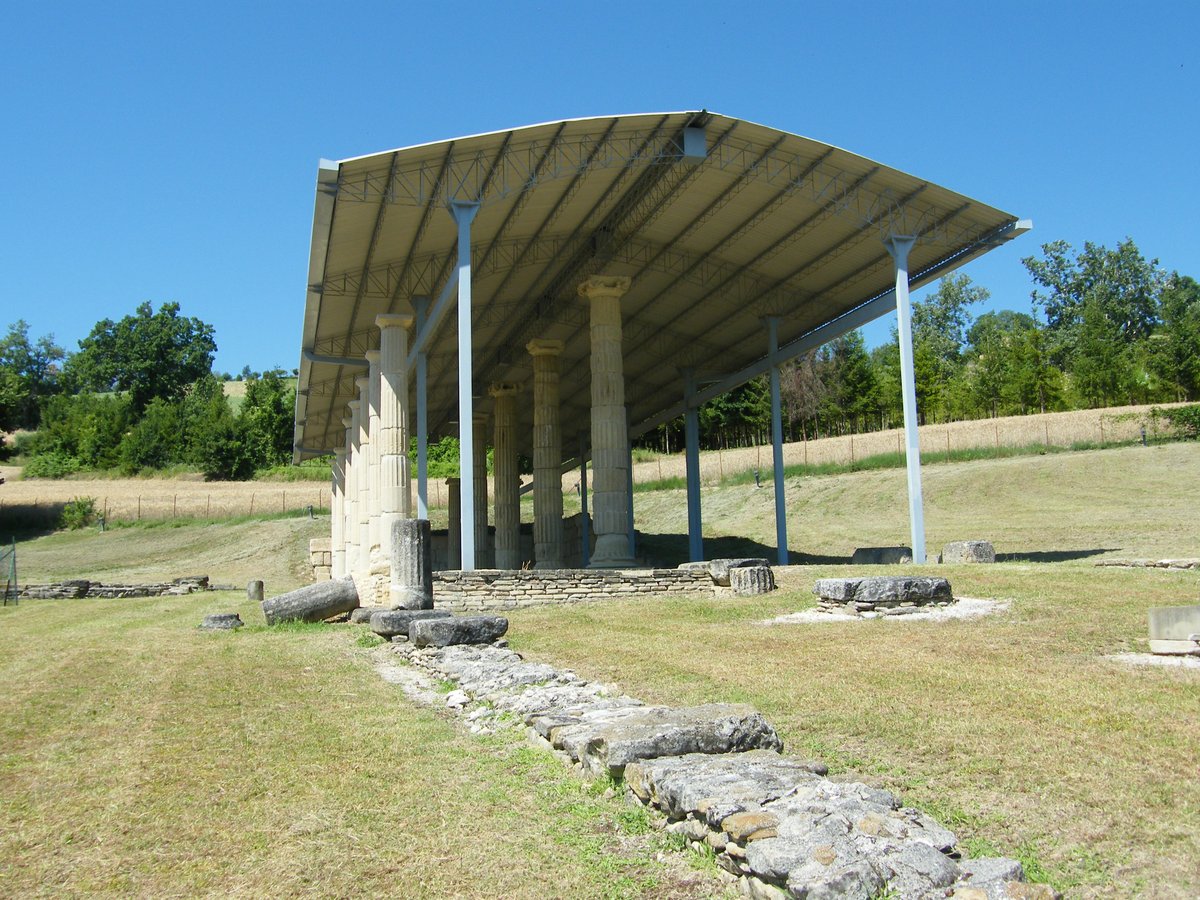 The La Cuma Archaeological Area represents the pinnacle of our historical itinerary, offering an open-air experience that complements what was seen at the Civic Archaeological Museum. This site, located along Provincial Road 174 Cuma, preserves the remains of an Italic sanctuary from the 3rd century BC, likely dedicated to a female deity. Excavations have uncovered a sacred complex with altar foundations and temple structures where the Piceni people celebrated their rituals. The materials discovered, including bronze and terracotta ex-votos, testify to the vibrancy of local cults before Romanization. The panoramic position overlooking the gentle Fermo hills adds unique landscape value, allowing visitors to imagine how this place served as a spiritual reference point for ancient communities.
- Strada Provinciale 174 Cuma, Monte Rinaldo (FM)
- https://www.turismo.marche.it/Guida/Eccellenze/Title/Monte-Rinaldo-Localita-La-Cuma--Santuario-tardo-repubblicano/IdPOI/3702/C/109021
- Open in Google Maps
- View on Google Images
You should go if...
Day 2 - Stop no. 5
Roman Theatre
 After exploring the Italic sanctuary of La Cuma, the Roman Theatre of Fermo welcomes us in the heart of the city, along Via del Teatro Antico. This 1st-century BC monument, perfectly preserved in its semicircular structure, represents one of the archaeological jewels of the Marche region. The cavea, originally capable of seating up to 2,000 spectators, still shows the divisions between the sections reserved for different Roman social classes. Recent restorations have brought to light parts of the orchestra and the stage, allowing visitors to appreciate the exceptional acoustics that characterized these architectures. During guided tours, classical text readings are often organized, reviving the atmosphere of theatrical performances from the Augustan era.
- Via del Teatro Antico, Fermo (FM)
- Open in Google Maps
- View on Google Images
You should go if...
Day 2 - Stop no. 6
Diocesan Museum
 Just steps from the Roman Theatre, the Diocesan Museum of Fermo fits perfectly into the second day's archaeological itinerary. Located along Via del Teatro Antico, this museum houses an extraordinary collection of sacred art and medieval artifacts from the cathedral and local churches. Among the most significant pieces are the 13th-century liturgical vestments and panel paintings from the Marche school, documenting the local artistic evolution from Romanesque to Gothic. The archaeological section includes Picene and Roman-era materials discovered during excavations in the cathedral area, including ceramics and coins that testify to the site's continuous settlement. Guided tours allow visitors to appreciate details such as the illuminated manuscripts from the 13th century and Byzantine ivories, offering a fresh perspective on the religious history of the province.
- Via del Teatro Antico, Fermo (FM)
- http://www.museodiocesanofermo.it/
- Open in Google Maps
- View on Google Images
You should go if...