
🧭 What to Expect
- Ideal for history and culture enthusiasts, with Roman theaters, medieval castles, and art museums.
- Highlights: Arena Sferisterio for opera, Urbs Salvia Archaeological Park for ancient Rome, Rocca Varano for panoramic views.
- Includes an interactive map with all 15 main stops to plan your trip.
- Authentic local food and wine offerings tied to the territory, such as regional wines.
Events nearby

The Province of Macerata is a territory rich in history and culture, where every village tells a different story. Arena Sferisterio in Macerata is an iconic venue for opera lovers, while the Helvia Recina Roman Theatre takes you back in time. In Urbisaglia, the Urbs Salvia Archaeological Park offers a journey into ancient Rome, and in Recanati, the Civic Museum Villa Colloredo Mels houses precious works of art. Don't miss Rocca Varano in Camerino, with its breathtaking view, and the Castle of Rancia in Tolentino, perfect for a day immersed in history and nature. This area is ideal for those seeking authenticity, away from the more beaten tourist trails.
Overview
- Arena Sferisterio
- Helvia Recina Roman Theatre
- Urbs Salvia Archaeological Park
- Civic Museum Villa Colloredo Mels
- Rocca Varano
- Castle of Rancia
- Abbadia Fiastra
- Potentia Archaeological Area
- Teatro Feronia
- Giuseppe Persiani Theatre
- Pallotta Castle
- Lanciano Castle
- Teatro Della Vittoria
- Teatro Comunale di Treia
- Apollo Theatre of Mogliano
Itineraries nearby

Arena Sferisterio
- Go to the page: Arena Sferisterio Macerata: Open-air theatre with perfect acoustics and opera season
- Via Diomede Pantaleoni, Macerata (MC)
- https://www.sferisterio.it/
- Open in Google Maps
- View on Google Images
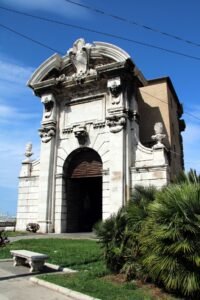
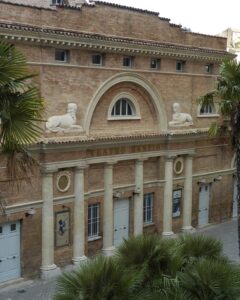
 The Arena Sferisterio in Macerata will take your breath away the moment you lay eyes on it. This imposing neoclassical amphitheater, built in 1829 from a design by Ireneo Aleandri, is a unique architectural gem. Its semicircular shape and majestic red brick arches create an evocative atmosphere that transports you to another era. The acoustics are exceptional, which is why it hosts international-level concerts and operas. It's no coincidence that every summer it hosts the famous Macerata Opera Festival, attracting enthusiasts from all over Italy. But it's not just a venue for opera: here you'll also find rock concerts, dance performances, and cultural events that bring summer evenings to life. The unique feature? The floor is sloped, a detail that improves visibility for all spectators. If you visit Macerata, don't miss a stroll here, even just to admire the architecture and imagine the emotions experienced by those sitting on those steps. It's one of those places that tells stories, and you can be part of them.
Arena Sferisterio
Helvia Recina Roman Theatre
- Go to the page: Roman Theater of Helvia Recina: 2000-seat cavea in the Potenza Valley
- Borgo Publio Ennio Pertinace, Macerata (MC)
- http://musei.beniculturali.it/musei?mid=414&nome=area-archeologica-di-helvia-recina
- Open in Google Maps
- View on Google Images
- sar-mar@beniculturali.it
- +39 0733 271709
 If you think Roman relics are only at the Colosseum, prepare to reconsider. The Helvia Recina Roman Theatre in Macerata offers you an authentic immersion into the imperial era without having to face endless queues. This archaeological gem, located in the area of ancient Helvia Recina along the Via Flaminia, still perfectly preserves the semicircular cavea that could accommodate up to 2,000 spectators. Walking among the remains of the orchestra and the stage, you'll almost feel as if you can still hear the applause for Seneca's tragedies or Plautus' comedies. The unique feature of this site? Its panoramic position over the gentle Marche hills, creating a striking contrast between antiquity and the contemporary rural landscape. Don't miss the remains of the tabernae (the shops) that surrounded the theatre, evidence of the vibrant commercial life of the time. Access is free and the site is always open, perfect for a spontaneous visit while exploring the area. The theatre was part of a larger complex that included baths and a forum, traces of which can still be glimpsed. I recommend visiting at sunset, when the warm light enhances the ancient stones and creates a magical atmosphere. Remember to wear comfortable shoes because the ground is uneven and bring a water bottle, especially in summer. For photography enthusiasts, the travertine steps of the cavea offer incredible views of the surrounding countryside.
Helvia Recina Roman Theatre
Urbs Salvia Archaeological Park
- Go to the page: Urbs Salvia: Amphitheater for 5,000 Spectators and Roman Cisterns in the Marche Region
- Strada Statale 78 Picena, Urbisaglia (MC)
- https://www.beniculturali.it/mibac/opencms/MiBAC/sito-MiBAC/Luogo/MibacUnif/Luoghi-della-Cultura/visualizza_asset.html?id=151488&pagename=57
- Open in Google Maps
- View on Google Images
- sar.mar@beniculturali.it
- +39 071 5029811
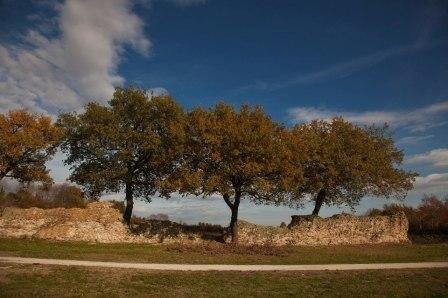 If you love ancient history, the Urbs Salvia Archaeological Park in Urbisaglia is an unmissable stop in the province of Macerata. This site, one of the most important in the Marche region, transports you directly to the heart of a Roman colony from the 1st century BC, founded along the Via Salaria. Strolling among the ruins, you can admire the amphitheatre, perfectly preserved and capable of hosting up to 5,000 spectators, where gladiator fights and public spectacles once took place. Nearby, the Roman theatre, with its semicircular cavea, offers a captivating atmosphere, especially during summer events that recreate ancient performances. Don't miss the cryptoporticus, an underground corridor used for storing supplies, which showcases the ingenuity of Roman architecture. The park also includes the remains of the baths, domus, and forum, where you can still sense the essence of daily life from that era. To complete the experience, visit the nearby State Archaeological Museum, which houses artifacts such as statues, coins, and mosaics uncovered during excavations. Everything is set within a hilly landscape, perfect for a day outdoors. Remember: the site is accessible year-round, but spring and autumn are the best times to avoid crowds and enjoy the tranquility.
Urbs Salvia Archaeological Park
Civic Museum Villa Colloredo Mels
- Go to the page: Colloredo Mels Museum Recanati: Lotto's Annunciation and Picene Artifacts in a Renaissance Villa
- Via Gregorio XII, Recanati (MC)
- Open in Google Maps
- View on Google Images
 The Civic Museum Villa Colloredo Mels is a cultural gem in the heart of Recanati, housed in a magnificent Renaissance villa that overlooks the city. Here, art and history merge in an exhibition journey that captivates you from the very first glance. The true star of the museum is Lorenzo Lotto, with works like the famous Polyptych of San Domenico and the Annunciation, masterpieces that alone are worth the trip. But it's not just Lotto: the archaeological section takes you back in time with Picene and Roman artifacts unearthed in the area, while the rooms dedicated to Beniamino Gigli immerse you in the world of the celebrated Recanati tenor through memorabilia and documents. The villa itself is a work of art, with its frescoes and period furnishings that narrate centuries of local history. The layout is well-organized and accessible, with clear explanatory panels that make the visit enjoyable even for non-experts. Don't miss the panoramic terrace: from there, the view over Recanati and the Marche hills is simply breathtaking. A tip? Take your time to admire every detail: here, art breathes and speaks directly to you.
Civic Museum Villa Colloredo Mels
Rocca Varano
- Strada Provinciale 132 Varanese, Camerino (MC)
- http://www.roccavarano.info/
- Open in Google Maps
- View on Google Images
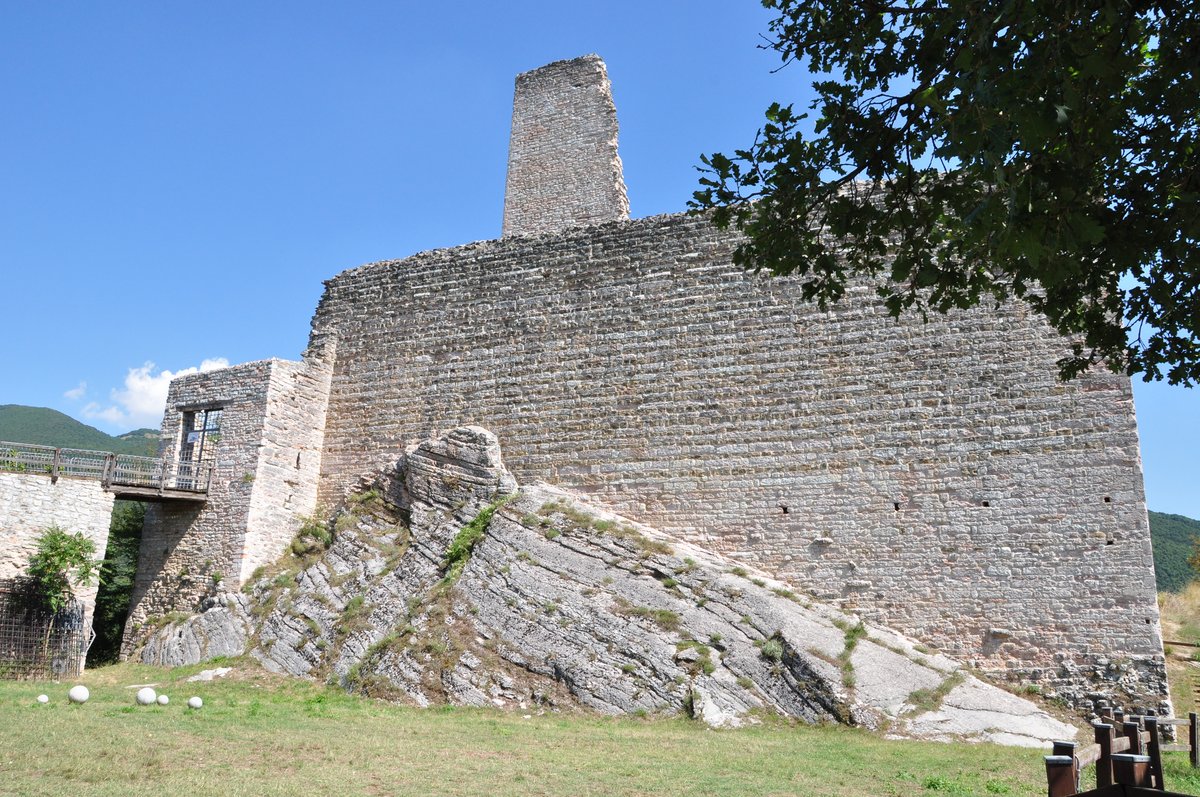 Rocca Varano stands majestically on a rocky spur overlooking the Chienti valley, offering one of the most spectacular views in the province of Macerata. This medieval fortress, built between the 13th and 14th centuries by the powerful Da Varano family, represents one of the best-preserved examples of military architecture in the Marche region. Its strategic position allowed control over communication routes between the Apennines and the Adriatic coast, making it a crucial stronghold for territorial dominance. Today, ascending the path leading to the fortress, you can admire the imposing quadrangular tower soaring over 20 meters high and the perimeter walls enclosing an area of approximately 2000 square meters. Inside, the remains of rainwater collection cisterns and the foundations of residential quarters are still visible. The distinctive feature of Rocca Varano is its double defensive walls, an advanced defensive system for its time that also included a now-vanished drawbridge. From the main courtyard, you can enjoy a breathtaking panoramic view stretching from the Sibillini Mountains to the sea, with Camerino appearing like a jewel nestled among the hills. The fortress is open year-round and represents an unmissable stop for those wanting to immerse themselves in the medieval history of the Marche region, far from the more beaten tourist trails.
Rocca Varano
Castle of Rancia
- Strada Statale 77 della Val di Chienti, Tolentino (MC)
- Open in Google Maps
- View on Google Images
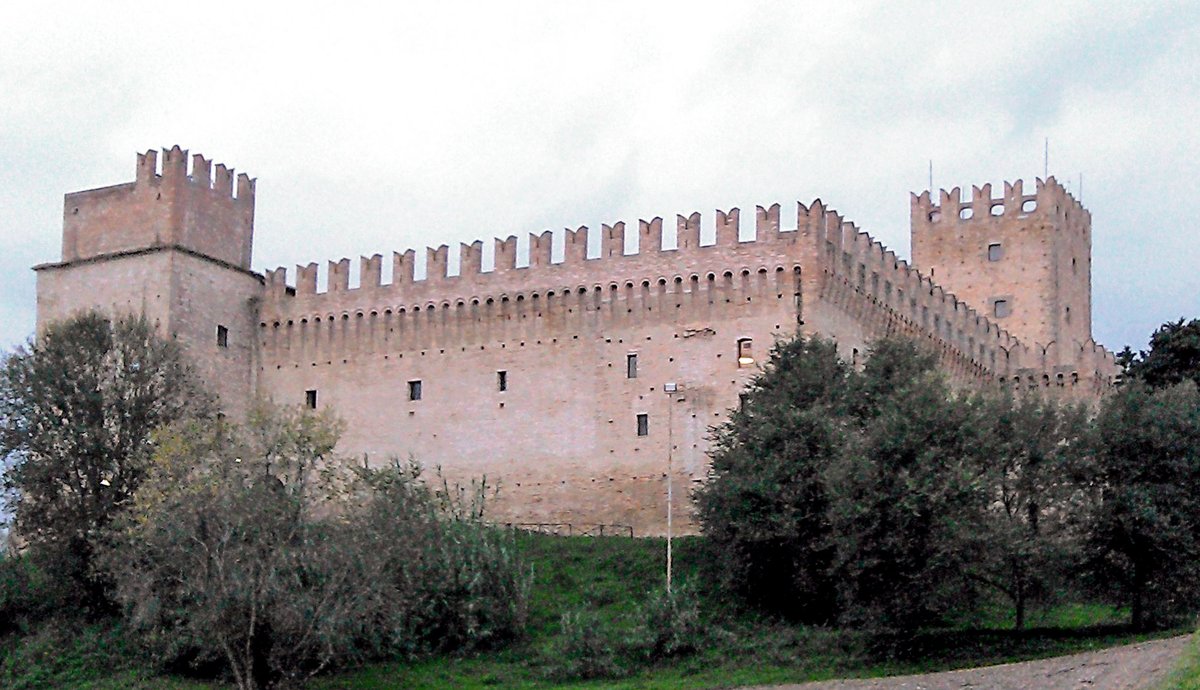 The Castle of Rancia stands imposingly in the Tolentino countryside, just a few kilometers from the town center. This 14th-century fortress, commissioned by the Cistercian monks of Fiastra Abbey and later fortified by the Da Varano family, dominates the Chienti valley with its massive structure and still-visible moat. Its strategic position along the ancient Via Salaria made it a crucial commercial and military crossroads for the Macerata territory. Today the castle is a living museum: its halls host local archaeological finds, ancient weapons, and temporary exhibitions that tell the story of the Marche region. Climbing the towers offers breathtaking views of the surrounding countryside, with the Sibillini Mountains on the horizon. The Inner Courtyard, perfectly preserved, is the beating heart of the complex, where you can still breathe the medieval atmosphere. Throughout the year, the castle becomes a stage for historical reenactments, concerts, and cultural events that animate its ancient walls. The legend of the ghost of a white lady said to wander through the rooms adds a touch of mystery to the visit. For history enthusiasts, don't miss the collection of Renaissance ceramics and the frescoes decorating some noble halls.
Castle of Rancia
Abbadia Fiastra
- Strada Provinciale 1 Abbadia di Fiastra - Mogliano, Urbisaglia (MC)
- Open in Google Maps
- View on Google Images
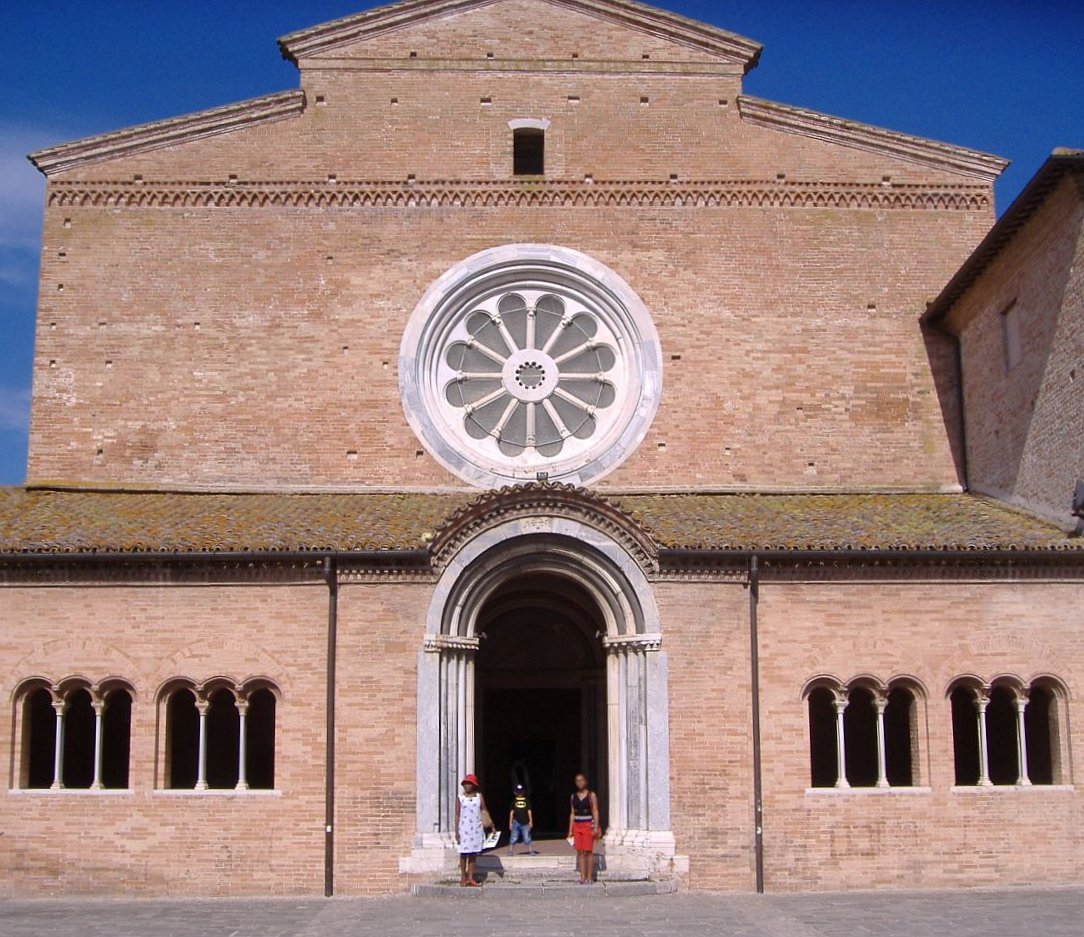 The Abbadia Fiastra monastic complex in Urbisaglia is a hidden gem that will surprise you with its unique atmosphere. Founded in the 12th century by Cistercian monks, this place perfectly embodies the balance between spirituality and rural life typical of the order. The church of Santa Maria a Piè di Chienti, with its Romanesque facade and austere interior, transports you back in time. The cloister, with its rounded arches and central well, is a peaceful corner where you can stop and reflect. But Abbadia is not just history: it's also nature. The Fiastra Woods, surrounding the complex, is a nature reserve where you can take walks among centuries-old oaks and well-marked trails. Here you'll also find the educational farm, perfect for families with children, where you can discover the rural traditions of the Marche region. Don't miss the wine cellar, where local wines like Verdicchio are still produced, and the extra virgin olive oil from the surrounding lands. If you visit in spring or summer, you might catch one of the cultural events that animate the complex, such as concerts or temporary exhibitions. Abbadia Fiastra is a place that harmoniously combines art, history and nature, offering an authentic experience away from tourist crowds.
Abbadia Fiastra Monastic Complex
Potentia Archaeological Area
- Go to the page: Potentia Archaeological Area: Roman Baths and Frescoed Domus in Porto Recanati
- Via Adriatica, Porto Recanati (MC)
- Open in Google Maps
- View on Google Images
- +39 071 5029811
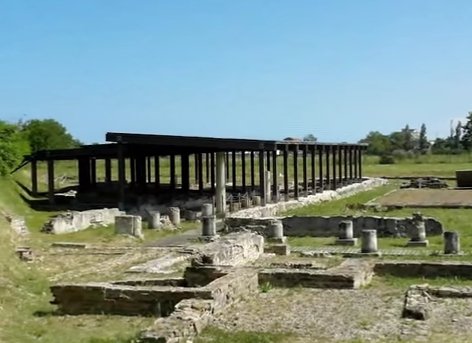 The Potentia Archaeological Area in Porto Recanati is a site that will surprise you with its unique location, just steps from the sea. These are the remains of a Roman colony founded in 184 BC, where you can still see traces of the ancient urban layout. Walking among the ruins, you'll immediately notice the regular grid plan typical of Roman cities, with clearly defined cardo and decumanus streets. Excavations have uncovered sections of the city walls, several domus with mosaic floors, and a thermal bath complex. What's striking is how the site was built in a strategic position near the mouth of the Potenza River, which facilitated trade at the time. Today, visiting Potentia means immersing yourself in a piece of history that's often overlooked, away from the crowds of more famous sites. The route is well-marked and accessible, with informative panels explaining each structure. If you love archaeology, don't miss the artifacts preserved in the nearby Civic Museum Villa Colloredo Mels in Recanati, where objects found here are displayed. The area is perfect for a peaceful outing, perhaps combined with a walk on the nearby beach. Remember that the site is outdoors and free, ideal for an authentic experience without spending a euro.
Potentia Archaeological Area
Teatro Feronia
- Piazza del Popolo, San Severino Marche (MC)
- Open in Google Maps
- View on Google Images
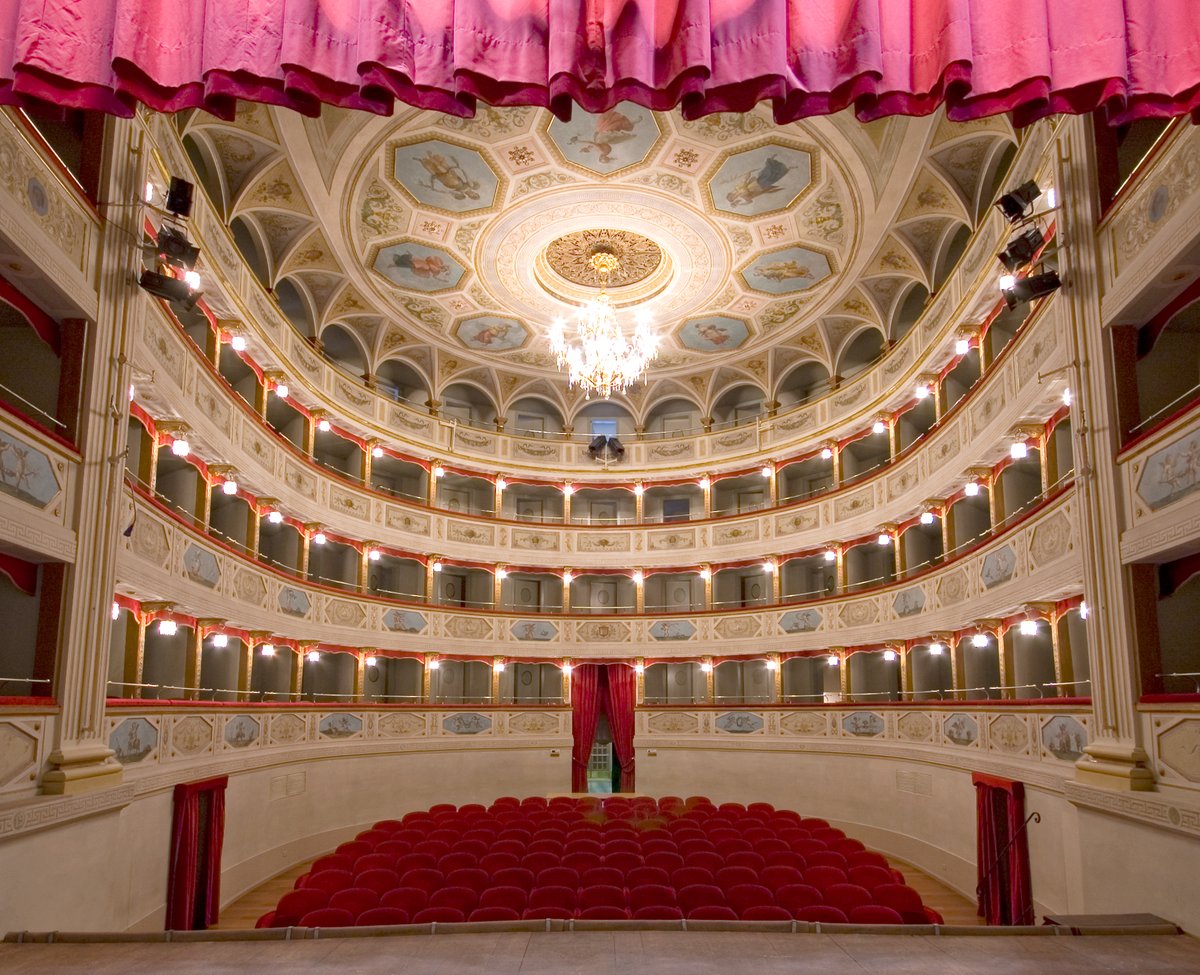 The Teatro Feronia is one of the most captivating places you'll discover in San Severino Marche. Built in 1827 based on a design by architect Ireneo Aleandri, who also created the Sferisterio in Macerata, this theatre perfectly embodies the Neoclassical style with its elegant façade and horseshoe-shaped interior. Upon entering, you'll be struck by the richness of the gilded stuccoes and the paintings by the Fermo-born artist Luigi Fontana, which adorn the ceiling with mythological allegories related to the goddess Feronia, protector of freedmen and fertility. The hall, with its three tiers of boxes and gallery, can accommodate around 300 spectators, creating an intimate and cozy atmosphere ideal for plays, concerts, and operas. The theatre was meticulously restored in 1994, recovering all its original splendour after years of neglect. Today, it is a vibrant cultural hub, home to a rich theatre season featuring events ranging from classical comedy to chamber music. Its excellent acoustics make it particularly appreciated for symphonic concerts and recitals. During your visit, don't miss the chance to admire up close the historical curtain, painted with allegorical scenes, and the foyer, where temporary exhibitions by local artists are often held. The Teatro Feronia is located in Piazza del Popolo, in the heart of San Severino Marche's historic centre, easily reachable on foot after a stroll through the medieval alleyways. It's an unmissable experience for theatre and architecture lovers, capable of transporting you back in time with its authentic and evocative atmosphere.
Teatro Feronia
Giuseppe Persiani Theatre
- Via Cavour, Recanati (MC)
- Open in Google Maps
- View on Google Images
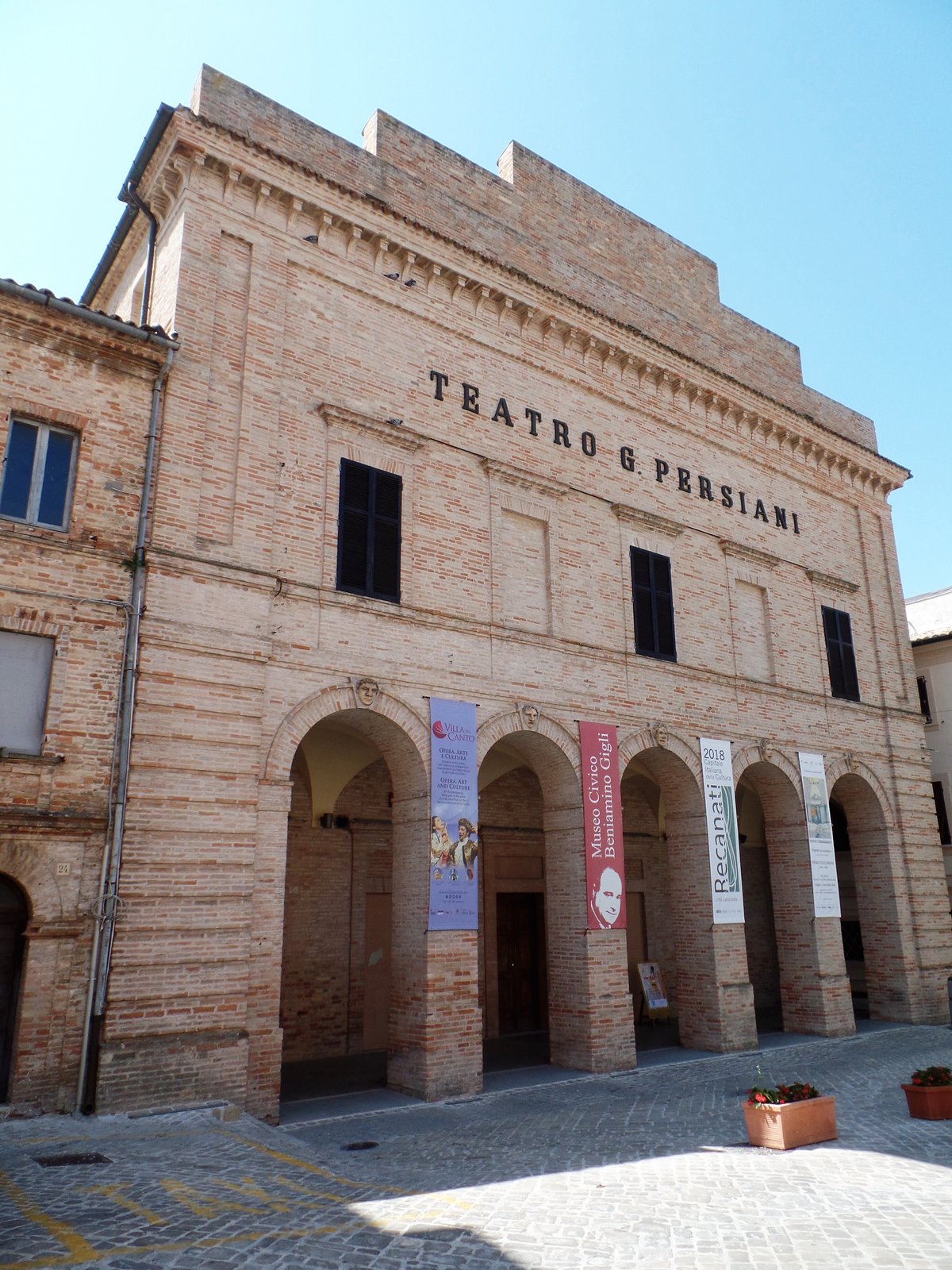 The Giuseppe Persiani Theatre is an authentic nineteenth-century gem that perfectly blends into the cultural fabric of Recanati, the birthplace of Giacomo Leopardi. Inaugurated in 1846, this Italian-style theatre takes its name from the Recanati-born composer Giuseppe Persiani, author of operas such as 'Ines de Castro'. Designed by architect Ireneo Aleandri, the structure stands out for the elegance of its neoclassical facade and its interior with three tiers of boxes, adorned with golden stuccoes and red velvets. The intimate auditorium ensures excellent acoustics, ideal for chamber music concerts and operas. Today, the theatre is a vibrant cultural hub, with a season ranging from melodrama to prose theatre, not forgetting events dedicated to Leopardi's poetry. Its location, just a stone's throw from Palazzo Leopardi, makes it an essential stop for those wishing to immerse themselves in the cultured and refined atmosphere of Recanati. Visiting it means discovering a place where art and history merge, offering unique emotions.
Giuseppe Persiani Theatre
Pallotta Castle
- Via Favorino, Caldarola (MC)
- https://www.castellopallotta.com/
- Open in Google Maps
- View on Google Images
- info@castellopallotta.com
- +39 0733 905467; +39 0733 906505; +39 347 7974639
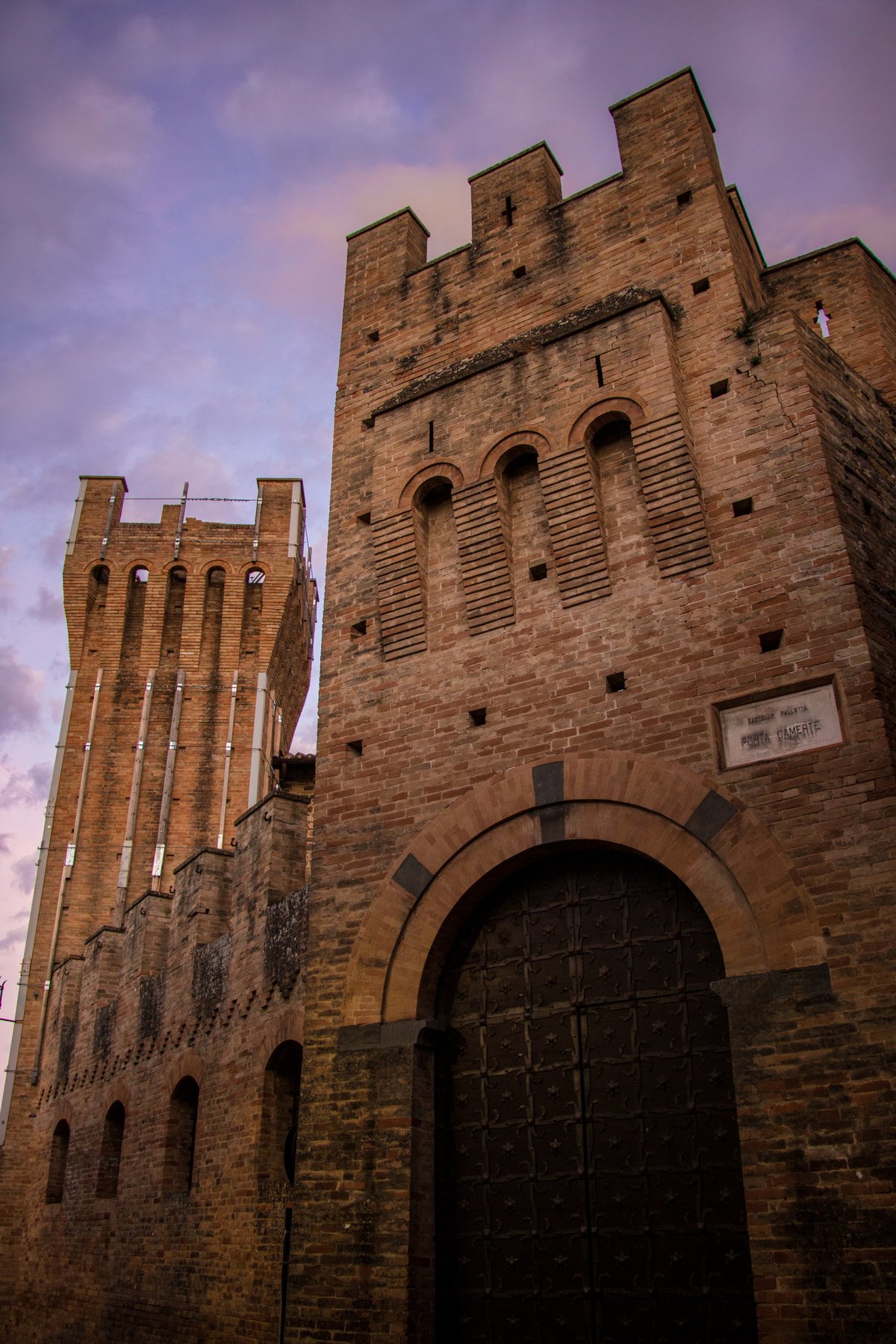 The Pallotta Castle in Caldarola is one of those places that makes you understand why the Marche region is called 'Italy in miniature'. This 16th-century fortress, commissioned by the powerful Pallotta family, dominates the village from above with its imposing quadrangular structure and corner towers that seem to scan the horizon. What immediately strikes you is how perfectly the castle is integrated into Caldarola's medieval urban fabric, as if it were born together with the town. Upon entering, you are welcomed by the inner courtyard with its central well and elegant Renaissance arches that testify to the transition from the Middle Ages to Humanism. The interior halls still preserve original frescoes and decorations, among which those in the Hall of Arms with its family coats of arms stand out. Particularly interesting is the collection of ancient weapons and armor that tells centuries of local history. Climbing up the towers, the view opens onto the gentle Marche hills dotted with olive groves and vineyards, a sight that alone is worth the visit. The castle is not just a monument to admire, but a living place that often hosts temporary exhibitions and cultural events, thus maintaining its role as a gathering hub for the community. The peculiarity of this fortress is its dual soul: a defensive stronghold but also a noble residence, as shown by the private rooms with their monumental fireplaces and mullioned windows. Visiting it means taking a plunge into an era where power, art, and daily life mingled within these stone walls.
Pallotta Castle
Lanciano Castle
- Strada Statale 361 Septempedana, Castelraimondo (MC)
- https://www.fondazionemasogiba.it/
- Open in Google Maps
- View on Google Images
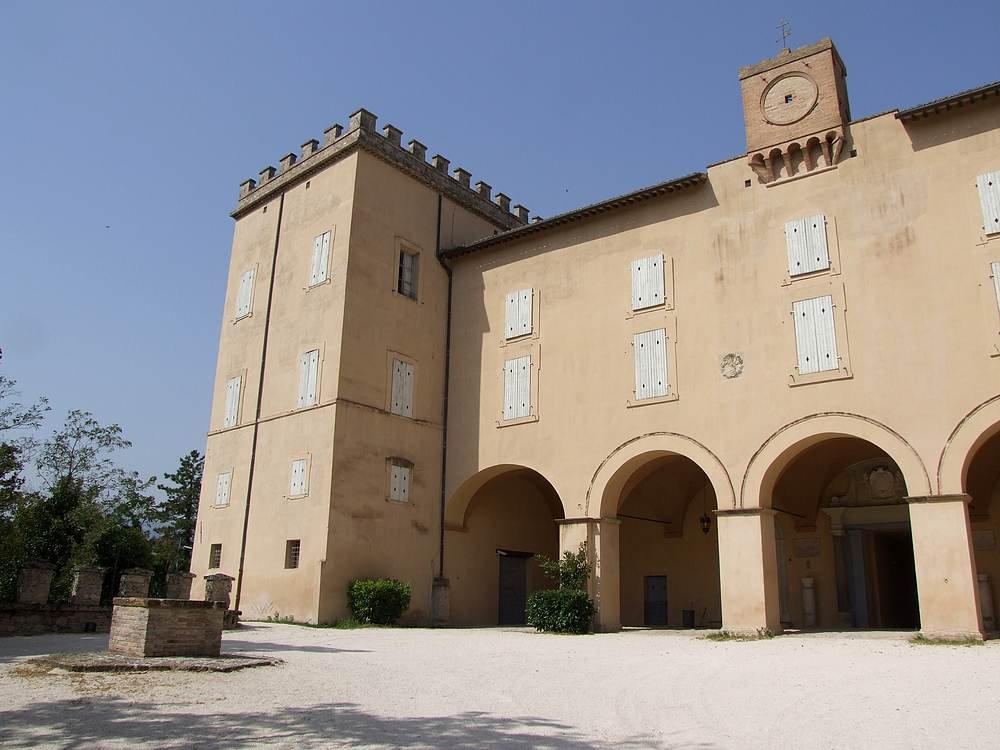 Lanciano Castle rises majestically on a hill at 360 meters above sea level, dominating the Potenza River valley with an atmosphere that transports you directly to the Middle Ages. Built between the 13th and 14th centuries as a defensive fortress of the Da Varano family, lords of Camerino, it still preserves its original structure intact with its crenellated walls and imposing quadrangular tower. What immediately strikes you is the exceptional state of preservation: this is not a ruin, but a perfectly maintained castle where you can walk along the patrol paths and imagine the life of the knights who inhabited it. The strategic position was crucial for controlling communication routes between the Apennines and the Adriatic coast, and even today offers breathtaking panoramas of the Sibillini Mountains and the Marche hills. Inside, the rooms have been skillfully restored while maintaining the authentic atmosphere: the weapons room with ancient armor, the prisons carved into the rock, and the kitchens with the large fireplace make you feel part of history. Particularly evocative is the family chapel with still visible 15th-century frescoes. The castle is open to visitors year-round and often hosts cultural events, historical reenactments, and weddings, keeping alive the tradition that has characterized it for centuries. The visit is an immersive experience that allows you to touch the history of the Marche region without the need for fanciful reconstructions.
Lanciano Castle
Teatro Della Vittoria
- Piazza Alta, Sarnano (MC)
- Open in Google Maps
- View on Google Images
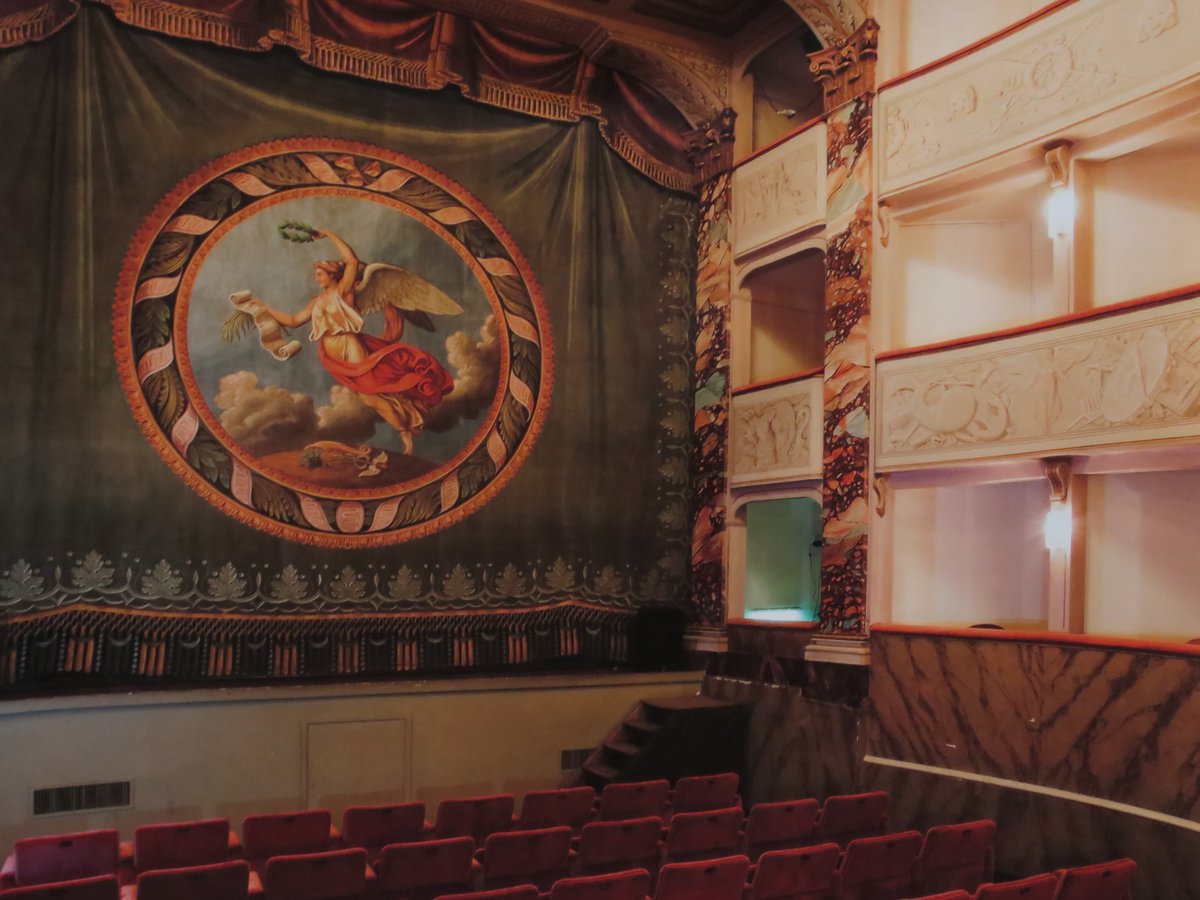 The Teatro Della Vittoria in Sarnano is an authentic architectural gem that captures attention with its elegant Liberty-style facade, a rare example in the Marche region. Built in 1927 based on a design by engineer Giuseppe Rossi, it stands in the historic center of the village, just steps from Piazza Alta and the Palazzo del Popolo. The interior, with its horseshoe-shaped plan and three tiers of boxes, preserves the period atmosphere intact, enriched with golden stuccoes and decorations reminiscent of the golden age of Italian theatres. Today, the theatre is a vibrant cultural hub: it hosts a drama season, classical and contemporary music concerts, dance performances, and shows for children. The programming is curated by the Municipal Administration in collaboration with local associations, with events ranging from the Storytelling Festival to jazz evenings. The acoustics are excellent, the result of a conservative restoration completed in 2010, which also enhanced the foyer spaces, where temporary exhibitions are often set up. For visitors, access is possible during events or by requesting a guided tour through the Sarnano Tourist Office. The theatre fits perfectly into the fabric of the village, a destination for those seeking culture without sacrificing the charm of a well-preserved medieval historic center, among cobblestone alleys and views of the Sibillini Mountains.
Teatro Della Vittoria
Teatro Comunale di Treia
- Piazza Don Pacifico Arcangeli 1, Treia (MC)
- https://www.treiamusei.it/teatro-comunale/
- Open in Google Maps
- View on Google Images
- +39 0733 217385; +39 0733 215919
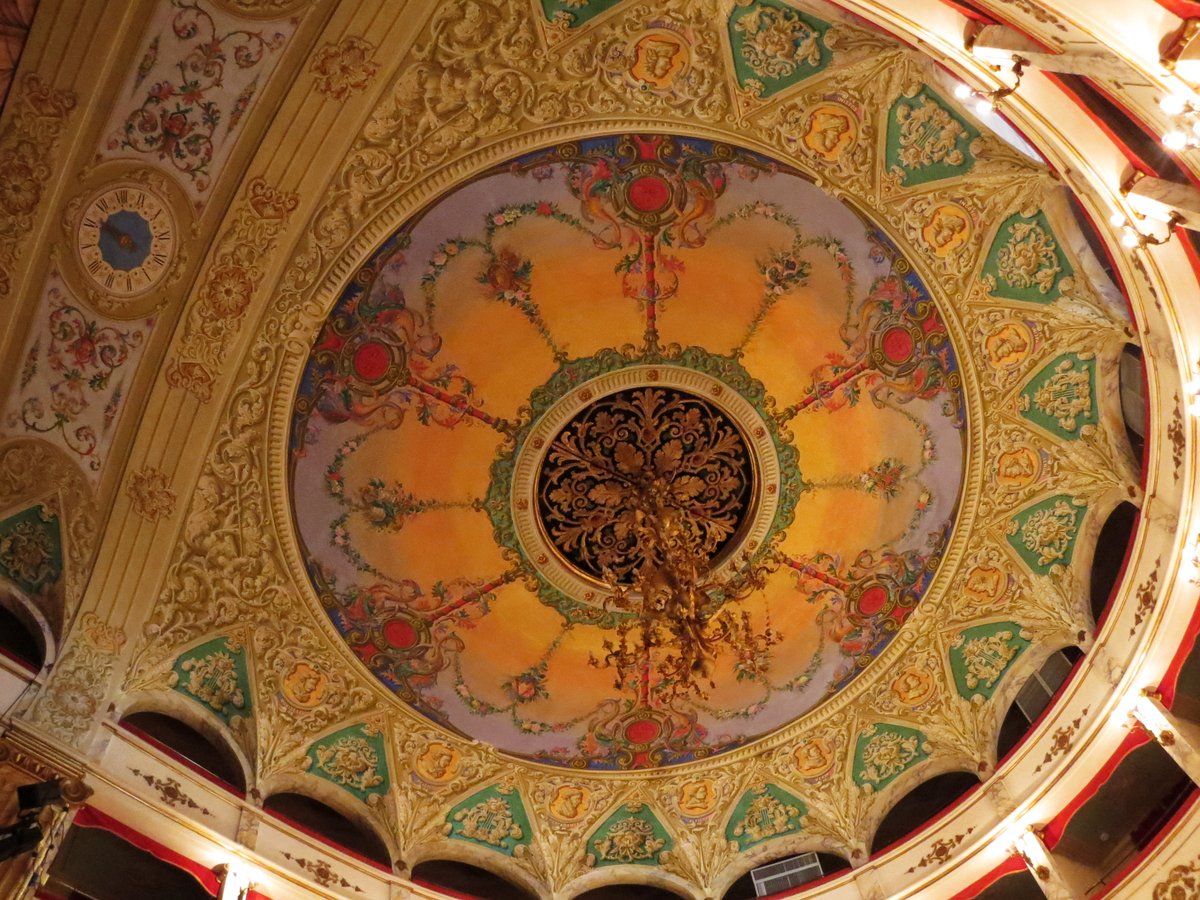 The Teatro Comunale di Treia is one of those places that surprises you with its elegance and atmosphere. Built in 1865 based on a design by architect Ireneo Aleandri, the same mind behind Macerata's Sferisterio, this theatre is a perfect example of 19th-century theatrical architecture. As soon as you step through the entrance, you're welcomed by the typical horseshoe structure with three tiers of boxes, all made of finely decorated precious wood. The intimate-sized hall creates a special closeness between audience and performers. The historic curtain, painted by Treia native Luigi Fontana, depicts scenes from local life and adds an authentic Marche touch. Today the theatre is perfectly restored and hosts a rich season of performances: from drama to opera, from classical music concerts to showcases dedicated to emerging talents. Its acoustics are exceptional, the result of a restoration that preserved the original characteristics. To visit, check opening hours on the Municipality's website or attend one of the scheduled events. If you love historic theatres, this is a must: small but full of character, it gives you the thrill of a journey back in time without frills.
Municipal Theatre
Apollo Theatre of Mogliano
- Via Roma, Mogliano (MC)
- Open in Google Maps
- View on Google Images
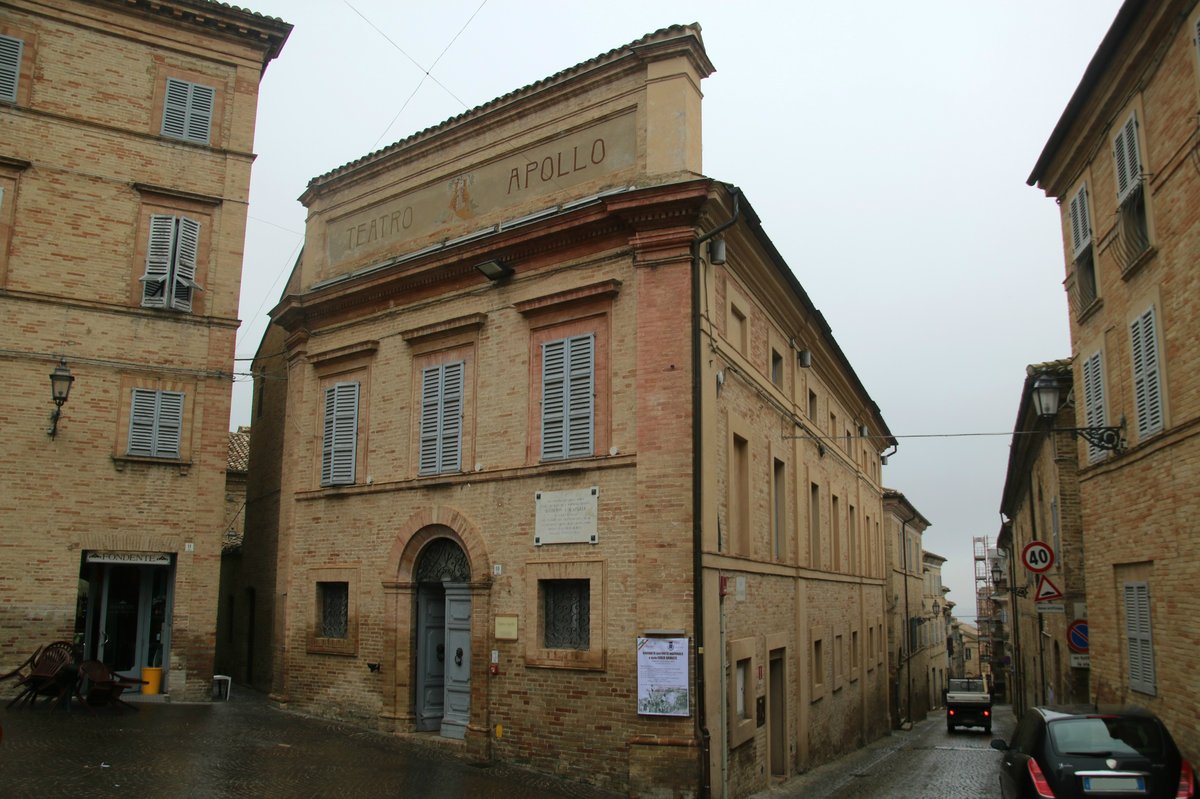 The Apollo Theatre in Mogliano is one of those places that surprises you with its discreet elegance and intimate history. Built in 1870, this 19th-century theatre is an authentic architectural jewel that fits perfectly into the urban fabric of this Marche village. The external facade, sober and linear, conceals an interior that immediately captures attention with its horseshoe-shaped auditorium and three tiers of finely decorated boxes. The acoustics are exceptional, the result of masterful design that still makes it the ideal stage for drama performances, concerts, and theatrical productions. What strikes you is the intimate and familiar atmosphere: here you're not just a spectator, but part of a community that has been gathering for over a century to share emotions. The theatre has been restored several times, most recently in 2010, preserving original features like the historic curtain and stucco decorations. Today it's managed by the municipal administration and local associations that enliven its programming with events ranging from dialect theatre to classical music concerts, and showcases dedicated to young talents. Visiting means immersing yourself in a piece of living history, where every detail tells a story: from the carved wooden boxes to the red velvet armchairs, everything speaks of an era when the theatre was the beating heart of social life. If you happen to be in Mogliano, don't miss the opportunity to attend a performance or, alternatively, join one of the guided tours that will reveal anecdotes and curiosities about this corner of Marche culture.
Apollo Theatre