Montechiaro Castle: Medieval Fortress with 360° Views and Historic Wine Cellars

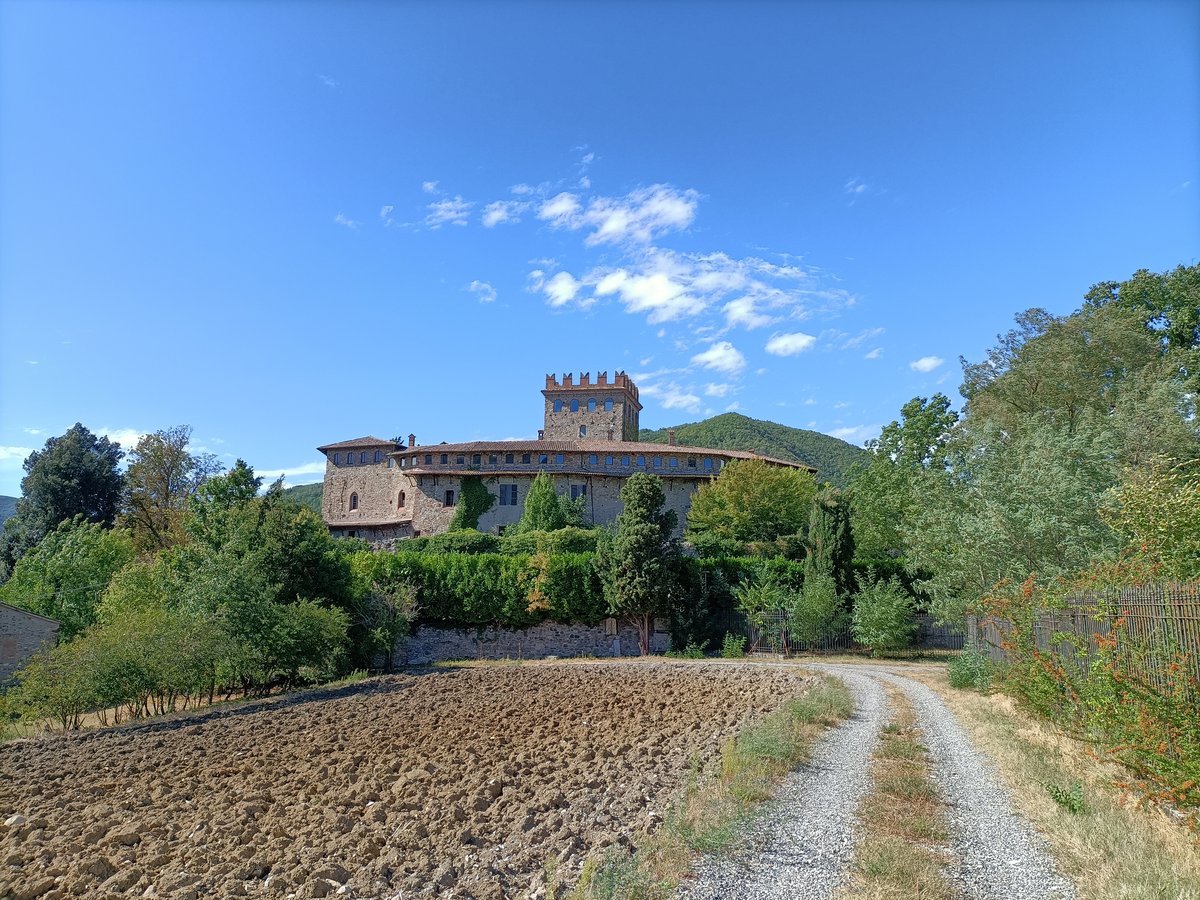
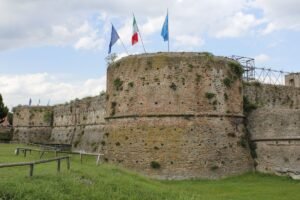
Montechiaro Castle in Denavolo, in the Piacenza Apennines, is a perfectly preserved 13th-century medieval fortress. It overlooks the Nure Valley from a 400-meter-high hill, offering a 360-degree panoramic view of the surrounding hills. The structure retains its original features, including crenellated towers, inner courtyards, and sturdy walls.

  • 360° panoramic view from the 25-meter-high tower, embracing the Tidone and Trebbia valleys
  • Intact medieval architecture with a pointed arch portal, paved courtyard, and a 20-meter-deep well
  • Hanging garden with aromatic herbs and ancient roses planted according to 16th-century documents
  • Historic cellars carved into the rock with wooden barrels for aging Monterosso Val Trebbia wine

Copertina itinerario Montechiaro Castle: Medieval Fortress with 360° Views and Historic Wine Cellars
A perfectly preserved 13th-century medieval fortress featuring a panoramic tower, hanging garden, and cellars for tasting local wines. Visits by appointment only.

Good to know


Introduction

Arriving at the Castle of Montechiaro in Denavolo feels like discovering a well-kept secret nestled among the Piacenza hills. This medieval fortress rises on a hilltop at 400 meters, commanding breathtaking views over the Tidone Valley. It’s not just a monument but an immersive experience: its stone walls whisper centuries of history, while the panorama stretches from vineyards to Apennine ridges. Less known than other castles in the area, it offers an authentic and intimate atmosphere, perfect for those seeking places off the tourist trail. The ascent to the fortress, along country lanes, already sets the stage for enchantment. Once at the top, you feel suspended between past and present, with a silence broken only by the wind and birdsong.

Historical Overview

Montechiaro Castle was established in the 13th century as a defensive outpost for the Malaspina family, powerful feudal lords. It later passed to the Dal Verme family, who transformed it into an administrative center to control trade routes between Piacenza and Genoa. In the 15th century, under Francesco Sforza, it was reinforced with towers and bastions, becoming a stronghold against enemy incursions. By the 18th century, it lost its military function and was converted into an agricultural residence while preserving its original structure. Today, following careful restoration, it is open to visitors and occasionally hosts cultural events.

  • 13th century: Construction commissioned by the Malaspina family
  • 15th century: Expansion under the Dal Verme family and Francesco Sforza
  • 18th century: Transformation into an agricultural residence
  • 21st century: Restoration and opening to the public

Architecture and Hidden Details

The castle’s structure exemplifies medieval military architecture perfectly integrated with the surrounding landscape. Access is through a pointed arch portal, topped by a stone coat of arms of the Dal Verme family. Inside, the paved courtyard preserves a 20-meter deep well, still functional, which ensured water supply during sieges. The halls, with cross-vaulted ceilings and monumental fireplaces, display traces of 15th-century frescoes, particularly in the private chapel dedicated to Saint George. Climbing the main tower, standing 25 meters high, one notices the Ghibelline swallowtail merlons, typical of castles loyal to the Empire. An intriguing detail: some arrow slits are oriented toward the Via Francigena, controlling the passage of pilgrims.

The Secret Garden and the Cellars

Beyond the walls, the castle conceals a hanging garden on the southern side, where aromatic herbs and ancient roses grow, planted according to 16th-century documents. This sheltered space, protected from the winds, was used for the lords’ relaxation and for cultivating medicinal plants. Beneath the courtyard, the cellars carved into the rock still house wooden barrels for aging wine: here, Monterosso Val Trebbia was produced, a local wine made from Barbera and Croatina grapes. During the visit, you can sense the aroma of damp wood and must, evoking centuries of winemaking tradition. The guides recount how these cellars also served as a refuge during wars, with secret passages that are no longer accessible today.

Why Visit

Visiting Montechiaro Castle is worthwhile for three concrete reasons. First, the 360-degree panoramic view from the tower, which embraces the Tidone and Trebbia valleys—on clear days you can even spot the Ligurian Apennines. Second, the authenticity: it’s not a sterile museum but a lived-in place, with period furnishings and everyday objects that tell the story of castle life. Third, the opportunity for tastings in the adjacent rooms, where you can sample local wines like Gutturnio and artisanal cured meats, tied to the history of the territory. It’s an experience that combines culture, nature, and taste in one go.

When to Go

The ideal time to visit is during the late autumn afternoon, when the slanting light enhances the colors of the stones and the hills are painted in shades of red and gold. During this season, the morning fog often dissipates, revealing clear skies, and the temperature is perfect for exploring without strain. Avoid days of heavy rain, as the road access can become slippery. In summer, opt for the evening hours to enjoy the cool air and the spectacular sunsets reflected on the towers.

In the Surroundings

Complete your excursion with a stop at Rivalta Village, just a few kilometers away, where another medieval castle houses a traditional restaurant in a timeless atmosphere. Alternatively, head to the Wineries of Val Tidone for wine tours through hilly vineyards, with tastings of local wines like Ortrugo. Both locations share with Montechiaro the same feudal history and passion for local agricultural products.

💡 Did You Know…?

Legend has it that the castle was connected by secret underground passages to the nearby Rocca d’Olgisio, used during the wars between the noble families of Piacenza. It is said that on full moon nights, you can still hear the footsteps of the sentinels who patrolled the walls. A real historical detail: the castle belonged for centuries to the powerful Anguissola family, who transformed it into one of the most impregnable fortresses in the Apennines.