
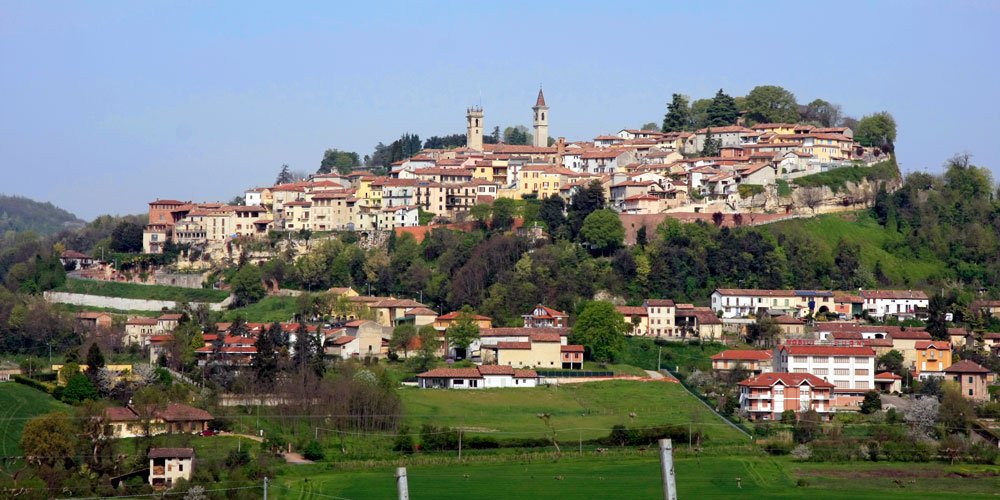
Uviglie Castle overlooks the hills of Rosignano Monferrato with its medieval tower, offering an authentic blend of history and wine. The tufa-carved cellars age Barbera and Grignolino, while frescoed halls recount centuries of history. Ideal for those seeking culture and genuine tastings away from mass tourism.
- Historic tufa-carved cellars with tastings of Barbera d’Asti and Grignolino
- Medieval tower and halls featuring 19th-century frescoes and period furniture
- Breathtaking views over the UNESCO-listed Monferrato hills
- Guided tours explaining winemaking and the history of the Ravizza family
Events nearby
Visit Uviglie Castle in Rosignano Monferrato: a medieval manor with tufa-carved cellars producing Barbera d’Asti and Grignolino, frescoed halls, and UNESCO hilltop views.
- https://www.castellodiuviglie.com/index.php
- reception@castellodiuviglie.com
- SP42 73b, Alessandria (AL)
- +39 0142 488792
- Open in Google Maps
- View on Google Images Castello di Uviglie a Alessandria
Good to know
Introduction
As soon as you arrive at Castello di Uviglie, you immediately understand this is no ordinary manor. Perched on the hills of Rosignano Monferrato, it overlooks a panorama of vineyards that seems painted. The view stretches across the Langhe and Monferrato, a UNESCO World Heritage site, with orderly rows of vines disappearing into the horizon. It’s not just a castle, but a living place: here history blends with the scent of wine maturing in ancient cellars. The atmosphere is authentic, unadorned, as if time has stood still. You’re welcomed by a silence broken only by the wind through the cypress trees, perfect for disconnecting from routine. The medieval tower rises imposingly, recalling ancient origins, while the terraced gardens invite you to stroll among roses and aromatic herbs. Ideal for those seeking an immersive experience, away from mass tourism.
Historical Notes
The earliest traces of the castle date back to the 13th century, when it was built as a fortress by the Marquises of Monferrato. It then passed to the Counts Callori in the 18th century, who transformed it into a noble residence, adding Renaissance elements. In the 20th century, it became the property of the Ravizza family, who are still involved in its management today. The cellars, carved into the rock, preserve oak barrels where Barbera and Grignolino wines age. During World War II, the castle hosted refugees, bearing witness to its role of hospitality. Today, it is a privately owned cultural heritage site open to the public, with guided tours revealing frescoes and period furnishings.
- 13th century: construction as a fortress
- 18th century: transformation into a residence
- 20th century: acquisition by the Ravizza family
Wineries and Tastings
The historic cellars of the castle are a gem not to be missed. Carved into tuff stone, they maintain a constant ideal temperature for wine aging. Here they produce Barbera d’Asti and Grignolino del Monferrato Casalese, native grape varieties that express the unique terroir of these hills. The tours include explanations of the winemaking process, from hand-harvested grapes to aging in oak barrels. Then, the tasting: samples directly in the cellar or in the garden, with views over the vineyards. The wines feature fruity and spicy notes, perfect with local cured meats. This isn’t just a winery, but a sensory experience connecting land, history, and flavors. Ideal for those who want to understand wine beyond the glass.
Architecture and Interiors
The castle blends different styles: the medieval tower rises with battlements, while the main body features Renaissance windows and loggias. Inside, halls with nineteenth-century frescoes depicting scenes of courtly life and coffered ceilings. The dining room stands out with a monumental fireplace and period furniture. Stone staircases lead to private rooms, some with balconies overlooking the valley. It’s not a static museum: the spaces are lived-in, with everyday objects telling family stories. The terraced gardens, with ancient roses and pathways, are ideal for a quiet break. The atmosphere is intimate, far from crowded tourist routes. Perfect for architecture enthusiasts seeking authenticity.
Why Visit
Three practical reasons: first, the winery tastings let you sample wines produced on-site, with clear explanations of the processes. Second, the panoramic view from the terraces is breathtaking, especially at sunset, when the hills turn golden. Third, it’s a prime example of private conservation: you’ll see how a family keeps a heritage alive with passion and care. You don’t need to be a history or wine expert; just bring your curiosity for an immersive and authentic experience.
When to Go
The best time is late spring or early autumn, when the vineyards are lush or turn red, and the weather is ideal for walking. Avoid rainy days to fully enjoy the views. Mornings are quiet, perfect for crowd-free visits.
In the Surroundings
Just a few minutes away, visit Rosignano Monferrato, a medieval village with cobblestone alleys and the Church of San Vittore. For wine lovers, the Casale Monferrato Wineries offer additional Barbera tastings in a setting of established winemaking tradition.
Itineraries nearby


💡 Did You Know…?
Legend has it that the castle is home to a ghost, that of a lady who wanders at night. Additionally, in the underground cellars, you’ll find century-old barrels where prized wines still mature today. An interesting detail: the castle has been a filming location for movies and TV series, adding a touch of glamour to its centuries-old history.