
🧭 What to Expect
- Ideal for history and art enthusiasts in a compact historic center.
- Highlights: Romanesque-Gothic Basilica Cathedral with a unique silver altar frontal and Roman archaeological sites (amphitheater, theater, Domus).
- Includes an interactive map with 12 marked locations for a walking itinerary.
- Offers authentic Abruzzo charm away from mass tourism, with museums and medieval architecture.
Events nearby



Teramo is a city that encapsulates centuries of history within a compact historic center easily explored on foot. The Basilica Cathedral of Santa Maria Assunta and San Berardo dominates the skyline with its Romanesque-Gothic style and the portal by Deodato da Cosmato. Nearby, the Roman amphitheater and theater bear witness to ancient Interamnia Praetuttiorum, while the Torre Bruciata and Casa del Melatino recount the Middle Ages. The Civic Museum and the Francesco Savini Archaeological Museum house local artifacts, and the Domus with the Lion Mosaic offers a glimpse into Roman life. Piazza Sant'Anna is the heart of the city, an ideal starting point for exploring the alleyways and sampling Abruzzese cuisine in authentic trattorias.
Overview
- Basilica Cathedral of Santa Maria Assunta and San Berardo
- Roman Amphitheatre of Teramo
- Roman Theatre of Teramo
- Teramo Civic Museum
- Francesco Savini Archaeological Museum
- Burnt Tower
- Casa del Melatino
- Delfico Palace
- Piazza Sant'Anna
- Domus and Lion Mosaic
- Ponte Messato Necropolis
- Collurania Astronomical Observatory
Itineraries nearby
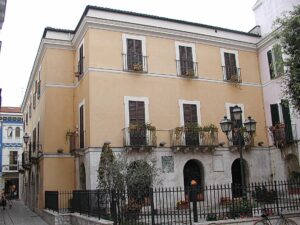


Basilica Cathedral of Santa Maria Assunta and San Berardo
- Go to the page: Teramo Cathedral: Silver Altar Frontal and 14th-Century Frescoes in the Historic Heart
- Piazza Ercole Vincenzo Orsini, Teramo (TE)
- Open in Google Maps
- View on Google Images
 The Basilica Cathedral of Santa Maria Assunta and San Berardo dominates Teramo's historic center with its imposing Romanesque facade. Built between the 12th and 14th centuries, this cathedral is a masterpiece of Abruzzese architecture that blends Romanesque and Gothic elements. Upon entering, you'll immediately be struck by the silver antependium by Nicola da Guardiagrele, a unique sacred artwork in Italy, created in the 15th century and rich in meticulous details. Don't miss the chapel dedicated to San Berardo, the city's patron saint, where the saint's relics are preserved. The interior structure, with its three naves, is enriched by 14th-century frescoes and the Gothic ciborium that towers over the main altar. Look closely at the side portal with sculptures depicting biblical stories, typical of the Abruzzese medieval artistic tradition. For a complete view, climb the bell tower: from there you can embrace the entire historic center, with terracotta roofs and the Apennine mountains in the background. The cathedral is always open to visitors, but avoid mass times to enjoy it in peace. Takeaway: focus on the silver antependium and San Berardo's relics to grasp the essence of this place.
Roman Amphitheatre of Teramo
- Go to the page: Roman Amphitheatre of Teramo: Brick Arches and Underground Galleries from the 1st Century AD
- Via Vincenzo Irelli, Teramo (TE)
- Open in Google Maps
- View on Google Images
 The Roman Amphitheatre of Teramo is one of the best-preserved archaeological gems in Abruzzo, located in the heart of the historic centre, just steps away from the Cathedral. Built between the 1st and 2nd centuries AD, this imposing structure could accommodate up to 10,000 spectators, demonstrating the importance of ancient Interamnia Praetutiorum. Today you can admire the remains of the seating tiers, the arena and the vomitoria, perfectly integrated into the modern urban fabric. The unique feature of this site is its elevated position, which offered a panoramic view over the ancient city. During your visit, you'll notice the details of Roman construction techniques: the local travertine blocks, drainage systems and the orientation that made the most of natural light. The archaeological area is always accessible and free, perfect for a stop during your exploration of the city centre. My advice: visit at sunset, when the slanting light enhances the ancient forms creating evocative atmospheres. Don't miss the information panels that explain the function of the different areas and the connection with daily life of the Romans in Abruzzo. For those travelling with children, it's an excellent opportunity to bring history to life, thanks to the possibility of walking directly on the ancient arena.
Roman Theatre of Teramo
- Go to the page: Roman Theatre of Teramo: 3,000-seat cavea in the historic heart
- Largo Anfiteatro, Teramo (TE)
- Open in Google Maps
- View on Google Images
 The Roman Theatre of Teramo is one of Abruzzo's archaeological gems, located in the heart of the city's historic centre. Built in the 1st century AD under Emperor Augustus, this theatre could accommodate up to 3,000 spectators who attended theatrical performances and musical shows. Today you can admire what remains of the cavea, the orchestra and part of the stage, with the remains of corridors and service areas. The unique feature of this site is its underground location: it lies about 4 metres below the current street level, surrounded by modern buildings that partially conceal it from outside view. Access is possible through an entrance in Largo Madonna delle Grazie, where descending transports you back in time. The materials used for construction include local bricks and marble from quarries in Asia Minor, testifying to Teramo's commercial importance in Roman times. During your visit, notice the remains of the post-scenic portico and traces of drainage systems that ensured rainwater runoff. The theatre was part of the monumental complex of the Roman city of Interamnia Praetutiorum, along with the nearby amphitheatre. To best appreciate the site, visit the nearby Francesco Savini Archaeological Museum where artefacts discovered during excavations are preserved. The area is well signposted and admission is free, with information panels explaining the history and function of the various areas. A practical tip: afternoon light particularly enhances the textures of the ancient stones, making photos even more evocative.
Teramo Civic Museum
- Go to the page: Teramo Civic Museum: Artifacts of Ancient Interamnia in Palazzo Savini
- Viale Giovanni Bovio, Teramo (TE)
- Open in Google Maps
- View on Google Images
 The Teramo Civic Museum is a true treasure chest that guides you through centuries of the city's history. Located in the heart of the historic center, it occupies the spaces of Palazzo Delfico, an 18th-century building that's worth a visit in its own right. The permanent collection is organized into several sections: archaeological, medieval, Renaissance, and modern. The archaeological section is particularly rich, with artifacts from ancient Interamnia Praetuttiorum, including ceramics, coins, and sculptures that testify to the city's Roman past. Don't miss the Lion Mosaic, a late antique masterpiece discovered in a local Roman domus, which impresses with its vibrant colors and masterful execution. The art gallery features works by Abruzzo artists such as Gennaro Della Monica and Pasquale Celommi, offering an authentic glimpse into regional artistic production between the 19th and 20th centuries. The museum also organizes temporary exhibitions and educational workshops, making it a dynamic cultural hub. For a complete visit, allow at least an hour and a half: the layout is clear and well-maintained, with explanatory panels in Italian and English. Practical tip: purchase the combined ticket that includes access to the Roman Theatre and Amphitheatre for an in-depth tour of Teramo's classical heritage.
Francesco Savini Archaeological Museum
- Via Melchiorre Delfico, Teramo (TE)
- Open in Google Maps
- View on Google Images
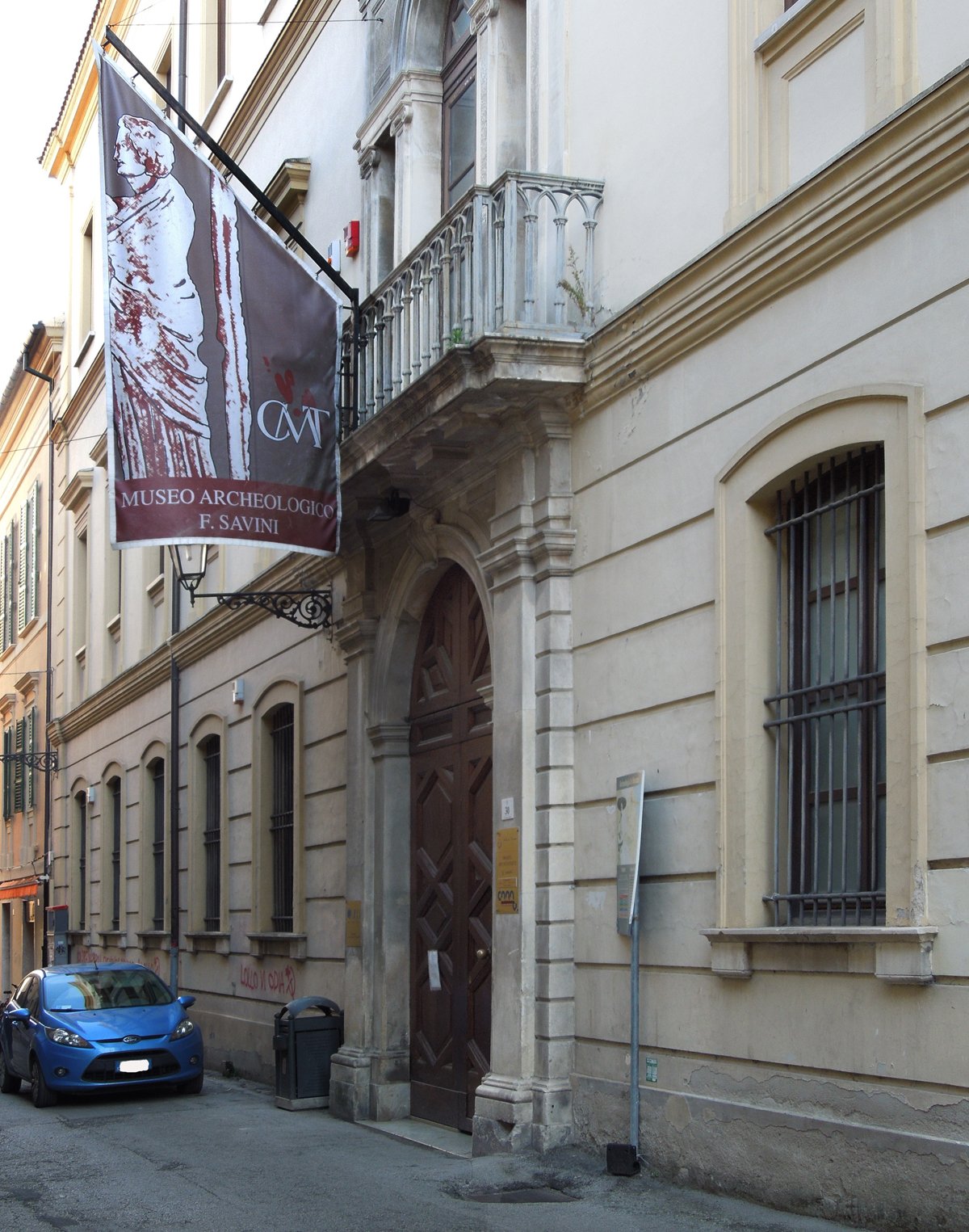 The Francesco Savini Archaeological Museum is a jewel in the heart of Teramo that catapults you directly into the history of ancient Interamnia. Located in the former convent of San Francesco, the museum welcomes you with a chronological journey starting from prehistory and continuing through the Roman era. The most spectacular section is undoubtedly the one dedicated to the Roman period, where artifacts from the city's theater and amphitheater stand out. Don't miss the polychrome mosaic discovered in the city, showcasing extraordinary artistic mastery. The collection of ceramics, coins, and everyday tools gives you insight into how the ancient inhabitants of this area lived. The museum is organized on two floors, with clear explanatory panels that make the visit accessible to everyone. One striking detail is the section dedicated to local necropolises, with funerary goods that tell the stories of rituals and beliefs of the time. For those who want to delve deeper, there are often temporary exhibitions that enrich the experience. The entrance ticket is affordable and includes access to all rooms. I recommend dedicating at least an hour to appreciate every detail, especially the unique artifacts you won't find in other Abruzzo museums. Conclude your visit with a stroll through the historic center to see firsthand the places from which many of these treasures originate.
Burnt Tower
- Via Antica Cattedrale, Teramo (TE)
- Open in Google Maps
- View on Google Images
 The Burnt Tower stands in the historic center of Teramo as a silent witness to the city's medieval past. This cylindrical brick tower, approximately 30 meters high, owes its evocative name to a fire that devastated it in the 15th century, but its history dates back to the Norman-Swabian period. Observing it up close, you'll immediately notice the characteristic structure of regular brickwork and the arrow slits that once served for defense. Its strategic location, between Via dei Mille and Via Stazio, makes it an essential stop during your exploration of Teramo's historic center. Despite the damage it has suffered, the tower retains a particular charm, especially when illuminated in the evening. The fact that it has been incorporated into later buildings adds an additional layer of historical interest. To appreciate it fully, pause to observe the architectural details and imagine how it must have appeared when it dominated the urban landscape. Visiting the Burnt Tower will give you an authentic snapshot of medieval Teramo, perfectly integrated with the Roman remains that characterize the city. A practical tip: combine your visit with the nearby Roman Theatre for an immediate comparison between different eras.
Casa del Melatino
- Largo dei Melatini, Teramo (TE)
- Open in Google Maps
- View on Google Images
 If you're looking for a place that tells the story of Teramo's most authentic side, Casa del Melatino is a must-see stop. This historic building, located right in the city center, is one of the few surviving examples of medieval civil architecture in the city. Its stone façade, with its characteristic pointed arch windows, immediately transports you back to the 14th century, when Teramo was a vibrant commercial and cultural hub. The building takes its name from the Melatino family, who had their residences here, and represents a rare example of a patrician dwelling from that era. Today, although it's not always open for interior visits, its exterior structure is perfectly preserved and offers a unique glimpse into daily life in medieval Abruzzo. Observe the details: the squared stone blocks, the terracotta frames, and its strategic position along the ancient urban route. To fully appreciate its value, combine your visit with the nearby Civic Museum, where you can delve deeper into the city's history. Practical tip: stop by at sunset, when the warm light enhances the stone tones and creates a suggestive atmosphere. It's a place that speaks of Abruzzese identity, away from the more beaten tourist paths.
Delfico Palace
- Via Melchiorre Delfico, Teramo (TE)
- Open in Google Maps
- View on Google Images
 If you're looking for an elegant corner in the heart of Teramo, Delfico Palace is your must-visit stop. This 18th-century building, located on Corso San Giorgio, welcomes you with its perfectly preserved Neoclassical facade. Built at the request of the noble Delfico family, it now houses the Melchiorre Delfico Provincial Library, one of the most important in Abruzzo. Upon entering, you'll be struck by the monumental staircase and frescoed halls that transport you to the atmosphere of 18th-century Teramo aristocracy. The reading room still preserves its original furnishings and hosts a book collection of over 300,000 volumes, including precious manuscripts and incunabula. Pay close attention to the details: the terracotta floors, coffered ceilings, and walnut wood bookshelves tell centuries of Abruzzo's cultural history. The palace also hosts temporary exhibitions and cultural events, maintaining its vocation as a center of intellectual gathering. For a complete visit, don't miss the inner courtyard, where the silence allows you to fully appreciate the architectural harmony. Admission is free and the staff is always available to share anecdotes about the Delfico family and the palace's role in city life. A practical tip: check the opening hours on the library's website, especially if you plan to visit on weekends.
Piazza Sant'Anna
- Piazza Sant'Anna, Teramo (TE)
- Open in Google Maps
- View on Google Images
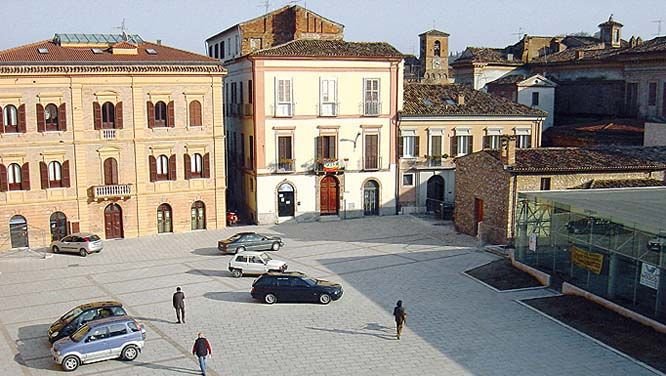 Piazza Sant'Anna is one of those places that immediately captures the essence of Teramo. Located in the historic center, this square tells centuries of history through its buildings and the atmosphere you breathe here. The name comes from the nearby Church of Sant'Anna dei Pompetti, a Romanesque jewel that preserves traces of the ancient medieval cathedral. Walking through the square, you'll immediately notice the historic palaces surrounding it, some with stone facades and portals that speak of a noble past. The square isn't just an open-air museum: it's a meeting point for the people of Teramo, where life flows between chats, coffee, and strolls. Observe the details: the ancient cobblestones, the flower-filled windows, the signs of establishments blending tradition and modernity. Here you breathe authentic Abruzzo, far from mass tourist flows. The location is strategic: just a few steps away you'll find the Cathedral, the Roman Theatre, and shopping streets. I recommend visiting in the morning, when the light caresses the stones, or in the evening, when the lighting creates a magical atmosphere. Bring a camera: the views are perfect for memorable shots. If you love history, don't miss the Roman remains visible nearby, which testify to Teramo's ancient origins. Piazza Sant'Anna is a must for anyone who wants to truly understand the city.
Domus and Lion Mosaic
- Via Antica Cattedrale, Teramo (TE)
- Open in Google Maps
- View on Google Images
 If you're looking for a dive into antiquity without leaving Teramo's historic center, the Domus and Lion Mosaic is your must-visit destination. This archaeological site transports you directly into the heart of daily life in ancient Interamnia, the Roman name for Teramo. What makes this place special is precisely the polychrome lion mosaic that gives the site its name: a perfectly preserved floor depicting a lion in majestic pose, surrounded by geometric and vegetal motifs. The domus dates back to the 1st century AD and represents one of the best-preserved examples of a patrician residence in the Teramo province. Walking among the remains, you can still clearly distinguish the main spaces: the peristyle with its colonnaded portico, the cubicula (bedrooms), and the triclinium where banquets took place. The unique feature of this site is its underground location beneath Palazzo Savini, allowing you to discover layers of history literally beneath your feet. Access is convenient from the city center and the visit takes about 30-40 minutes. The lion mosaic isn't just a work of art, but a symbol of the power and prestige of the domus owner, likely a wealthy Roman merchant or official. To best appreciate your visit, focus on the mosaic details: the vibrancy of colors, the precision of the tesserae, and the craftsmanship of Roman artisans working in Abruzzo. Bring your camera because the play of light on ancient surfaces creates unique shots.
Ponte Messato Necropolis
- SP48b, Teramo (TE)
- Open in Google Maps
- View on Google Images
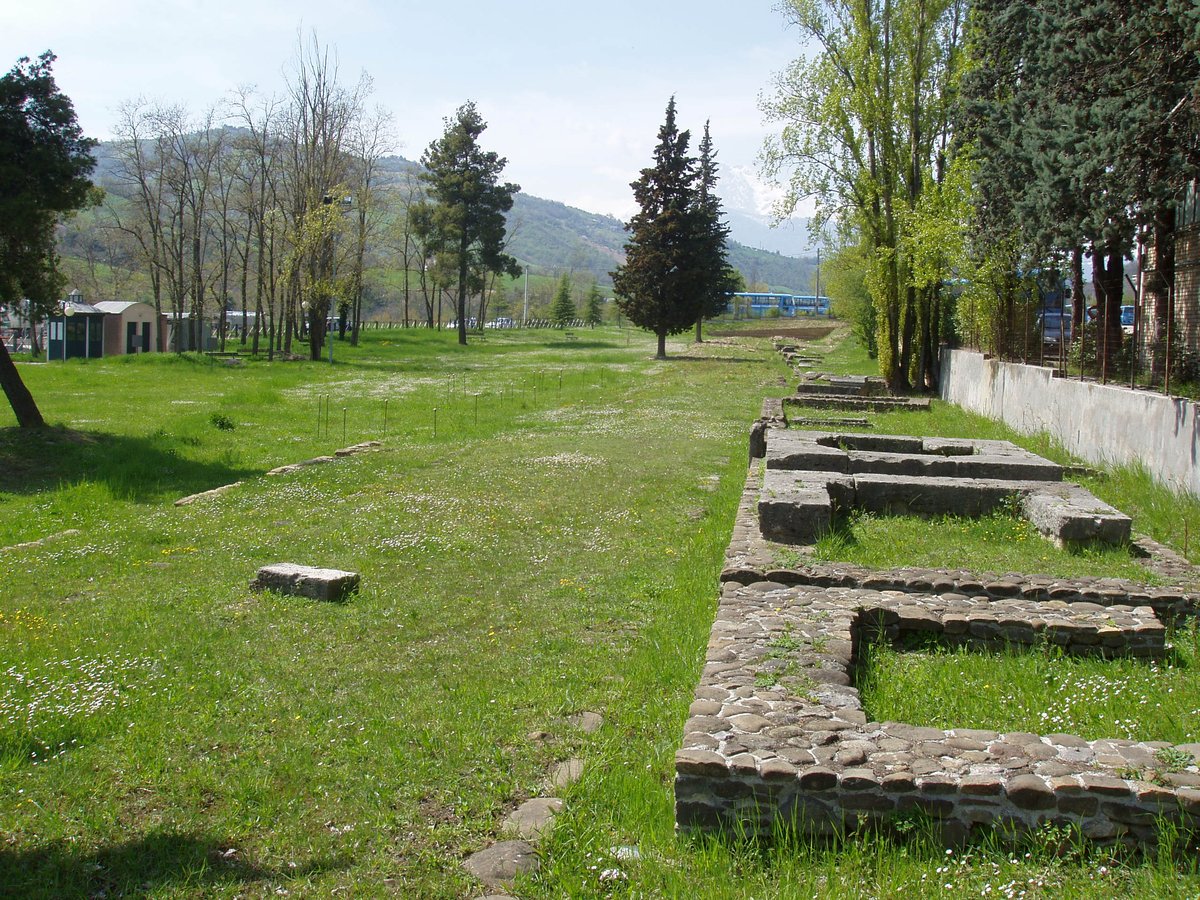 The Ponte Messato Necropolis transports you directly to the heart of Roman Teramo, along the banks of the Tordino River. This archaeological site, located right at the entrance to the modern city, preserves Roman-era tombs dating from the 1st century BC to the 4th century AD. What makes this place special is its strategic location: Roman necropolises were always built outside city walls, along the main access routes, and Ponte Messato was precisely one of these crucial points for ancient Interamnia.
Walking among the remains, you'll notice different types of burials: from simple pit graves to more elaborate chamber tombs that reflect the various social classes of the Roman city. The artifacts discovered here, now preserved at the Francesco Savini Archaeological Museum, include cinerary urns, oil lamps, and grave goods that tell the story of funeral rituals from that era.
The visit is particularly evocative because the site unfolds right next to the modern bridge, creating a fascinating contrast between ancient and contemporary. Practical tip: reach the site on foot from the historic center—it's a pleasant 15-minute walk that allows you to appreciate the city's urban continuity. The site is always accessible and free, perfect for a stop while exploring Teramo.
Collurania Astronomical Observatory
 If you're looking for an experience that combines science and nature, the Collurania Astronomical Observatory is an unmissable stop in Teramo. Located about 3 km from the city center, on a hill at 470 meters above sea level, this research institute of the INAF (National Institute for Astrophysics) offers guided tours that take you into the world of astronomy. The main telescope, a 40 cm reflector, allows direct observations of the sky, with evening sessions dedicated to planets, stars, and galaxies. It's not just for enthusiasts: the guides clearly explain how the instruments work and what you're observing, making everything accessible. The building itself, constructed in 1890, has historical charm, with domes that open towards the clear Abruzzo sky. Observation evenings are organized by reservation, often in collaboration with local associations, and include practical demonstrations. Bring a jacket: even in summer, nights on the hill can be cool. For those traveling with children, it's a unique opportunity to spark scientific curiosity, with educational activities that explain celestial movements in a fun way. Always check the event calendar on the official website, because openings vary based on weather conditions and research projects. If you love photography, don't miss the night panorama: with little light pollution, the stars seem closer. In summary, it's an experience that enriches any itinerary in Teramo, adding a cultural and practical dimension to your visit.