
The Alfredo Majorano Ethnographic Museum, in the heart of Taranto’s Old Town, preserves the memory of daily life in Taranto between the 19th and 20th centuries through authentic objects. The collection, gathered by scholar Alfredo Majorano, is organized in thematic rooms with detailed captions.
- Traditional costumes of local women and fishermen’s tools
- Papier-mâché nativity scenes and reconstructions of domestic environments
- Tools of vanished crafts such as shoemaking and basket weaving
- Room dedicated to folk music with tambourines and recordings of traditional songs
Events nearby


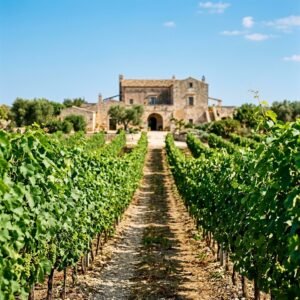
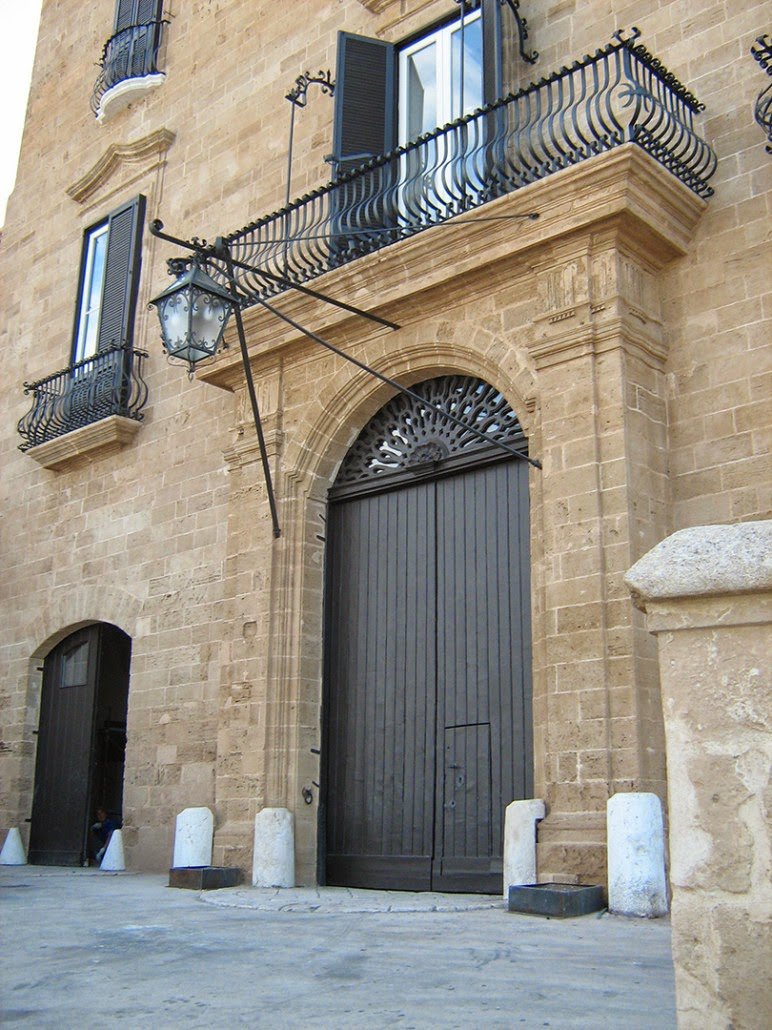
The Alfredo Majorano Ethnographic Museum in Taranto’s Old Town displays traditional costumes, fishing tools, and artisan equipment. Discover papier-mâché nativity scenes and listen to recordings of Taranto folk songs.
- https://www.museoetnograficomajorano.it/
- Vico Civico, Taranto (TA)
- +39 333 3716581
- Open in Google Maps
- View on Google Images Museo etnografico Alfredo Majorano a Taranto
Good to know
A Dive into Taranto’s Memory
Entering the Alfredo Majorano Ethnographic Museum is like opening an old chest of Taranto memories. You won’t find famous artworks, but everyday objects that tell authentic stories: from the traditional costumes of women in the old town to the tools of fishermen. The collection unfolds in thematic rooms where papier-mâché nativity scenes and reconstructions of domestic environments stand out. The atmosphere is intimate, almost familiar, because every displayed piece speaks of a community and its roots. Visiting it means truly understanding what it means to be from Taranto, beyond the usual tourist stereotypes.
Historical Background
The museum originated from the passion of Alfredo Majorano, a local scholar who meticulously collected objects of Tarantine popular culture between the 1960s and 1970s. The collection was initially housed in temporary spaces until 1999, when it found its permanent home in the former Convent of San Francesco. Majorano documented not only objects but also songs, proverbs, and rituals, creating a unique archive of life in the farmhouses and historic districts. His work saved from oblivion traditions that would otherwise have disappeared with passing generations.
- 1960s-1970s: Majorano begins his collection
- 1999: Opening of permanent location
- Today: Reference museum for Apulian ethnography
The Room of Lost Crafts
A particularly evocative section is dedicated to traditional crafts that have now disappeared. Here you’ll find the tools of the Tarantine shoemaker, with shoe lasts for styles that no longer exist, and the workbench of the basket weaver who used to weave willow gathered along the Tara River. The tools for tobacco processing stand out – an activity that employed entire families in the early 1900s. Each object is accompanied by period photographs showing the craftspeople at work, creating a visual bridge between past and present. These are not cold museum artifacts, but testimonies of real lives.
The Sounds of Tradition
What sets the Majorano apart from other ethnographic museums is its focus on folk music. In a dedicated room, you can listen to original recordings of rice weeders’ work songs and Taranto lullabies. The collection of hand-decorated tambourines stands out – a central instrument in the pizzica and village festivals. The captions explain how certain rhythms accompanied specific moments in peasant life, from harvesting to weddings. It’s a multisensory approach that makes you understand how culture isn’t just about objects, but also about sounds and emotions.
Why Visit It
Three concrete reasons not to miss it: first, because it reveals an authentic side of Taranto often overshadowed by the city’s industrial image. Second, the detailed captions explain the use of each object, turning visitors into witnesses of real stories. Third, the affordable admission fee makes it a smart choice for those who want to delve deeper without spending too much. It’s the perfect place for those seeking something different from the usual tourist trails and wanting to understand the true soul of this land.
When to Go
The best time is a winter afternoon, when the low light filtering through the ancient windows creates an intimate and evocative atmosphere. Avoid the peak summer hours: the small museum gets crowded and loses its intimate charm. In autumn, however, the visit perfectly complements the melancholic mood of the season, enhancing the sense of discovering a past that comes back to life. It’s an experience that gains depth when the weather outside invites reflection.
In the Surroundings
Complete your experience with a visit to the National Archaeological Museum (MArTA), just a few minutes’ walk away, for a fascinating comparison between ancient Taranto and its popular traditions. For a taste of living heritage, seek out the artisan workshops in the old town, where papier-mâché is still crafted using centuries-old techniques. These places perfectly complement the narrative of the Majorano Museum, showcasing how certain manual skills endure despite changing times.
Itineraries nearby


💡 Did You Know…?
Alfredo Majorano was not just a collector, but a true guardian of Taranto’s memory. Among the most curious pieces stand out the tools for processing sea silk, a textile fiber obtained from mollusks, a typical local activity now almost forgotten. The vintage photographs show rituals like the ‘ntorciata, an ancient nighttime procession with torches, while personal documents tell stories of local families who made the city’s history.