
🧭 What to Expect
- Ideal for a trip off the beaten Umbrian paths, between nature, ancient history and contemporary art.
- Highlights: Marmore Falls (165m Roman hydraulic work), archaeological site of Carsulae along the Via Flaminia and Palazzo Gazzoli with art museums.
- Includes an interactive map with 11 marked locations, from the historic centre to the Italic Temple of Monte Torre Maggiore.
- Highlights the unique mix of industrial archaeology, contemporary sculpture (like 'Lance of Light') and Roman remains.
Events nearby


18/09/2026 - 20/09/2026

Terni is a city that surprises with its unique blend of ancient history and industrial archaeology. The Marmore Waterfall, created by the Romans, is one of Italy's most spectacular attractions with its 165-meter drop. The historic center preserves Roman remains such as the Fausto Amphitheater and the archaeological site of Carsulae, an ancient city along the Via Flaminia. Palazzo Gazzoli houses the Museum of Modern Art, while the contemporary sculpture 'Lancia di Luce' by Arnaldo Pomodoro dominates Piazza Tacito. Terni is also the city of steel, with an industrial past that intertwines with its artistic present.
Overview
Itineraries nearby


Marmore Falls
- Go to the page: Marmore Falls: 165 Meters of Cascades and Roman Engineering in Terni
- sentiero 5, Terni (TR)
- Open in Google Maps
- View on Google Images
 If you think you've seen waterfalls, prepare to reconsider your assumptions. Marmore Falls isn't just a water drop: it's a Roman engineering masterpiece that has dominated the Terni valley for over 2000 years. With its total drop of 165 meters divided into three leaps, it holds the record as Europe's highest waterfall, but the real surprise is discovering that it's not entirely natural. In 271 BC, the Romans diverted the waters of the Velino River toward the Nera to reclaim the Rieti plain, creating this spectacle we can admire today. The visit unfolds along six marked trails that allow you to discover different corners: from the Upper Belvedere you can enjoy the view from above of all three leaps, while Trail n.1 takes you right to the foot of the main drop, where the water crashes with a power you can feel vibrating in your bones. The most intense emotion? Witnessing the opening of the floodgates: always check the schedule because the waterfall doesn't flow continuously, but is released according to a precise timetable. Bring a raincoat because the water mist will get you wet even from a distance, and comfortable shoes to walk the trails that climb along the course. The best time? The afternoon when the sun's rays create permanent rainbows among the spray. Don't miss the Condotta Cave, carved into the rock, and the view from the Lower Belvedere that gives you the complete perspective of this hydraulic masterpiece transformed into a natural attraction.
Marmore Falls
Carsulae
- Go to the page: Carsulae: Ancient Roman City with Amphitheater, Baths, and Original Via Flaminia
- Via Flamina Vecchia, Terni (TR)
- Open in Google Maps
- View on Google Images
 If you're looking for an experience that transports you directly to ancient Rome, Carsulae is the place for you. This archaeological site, located just a few kilometers from Terni along the ancient Via Flaminia, gives you the thrill of walking among the remains of a Roman city abandoned after an earthquake in the 4th century AD. Strolling along the decumanus maximus, the main paved road that crosses the entire settlement, you can admire the foundations of the tabernae, the shops that animated commercial life. Don't miss the imposing Arch of San Damiano, which marked the city entrance, and the remains of the public baths, where Romans relaxed and socialized. Particularly evocative are the amphitheater and theater, still well-preserved: close your eyes and imagine the voices of the crowd during performances. The basilica forensis, center of judicial and commercial life, and the cisterns for water collection testify to Roman ingenuity. The site is immersed in the typical hilly landscape of Umbria, making the visit even more pleasant. Bring a water bottle and comfortable shoes: the terrain is partly grassy and partly paved. Admission is paid, but the ticket includes access to the archaeological area and the small museum with artifacts found during excavations. Practical tip: visit early in the morning or late afternoon to avoid the hottest hours and enjoy the magical atmosphere of the place with fewer visitors.
Carsulae
Fausto Amphitheatre
- Piazza Paul Harris, Terni (TR)
- Open in Google Maps
- View on Google Images
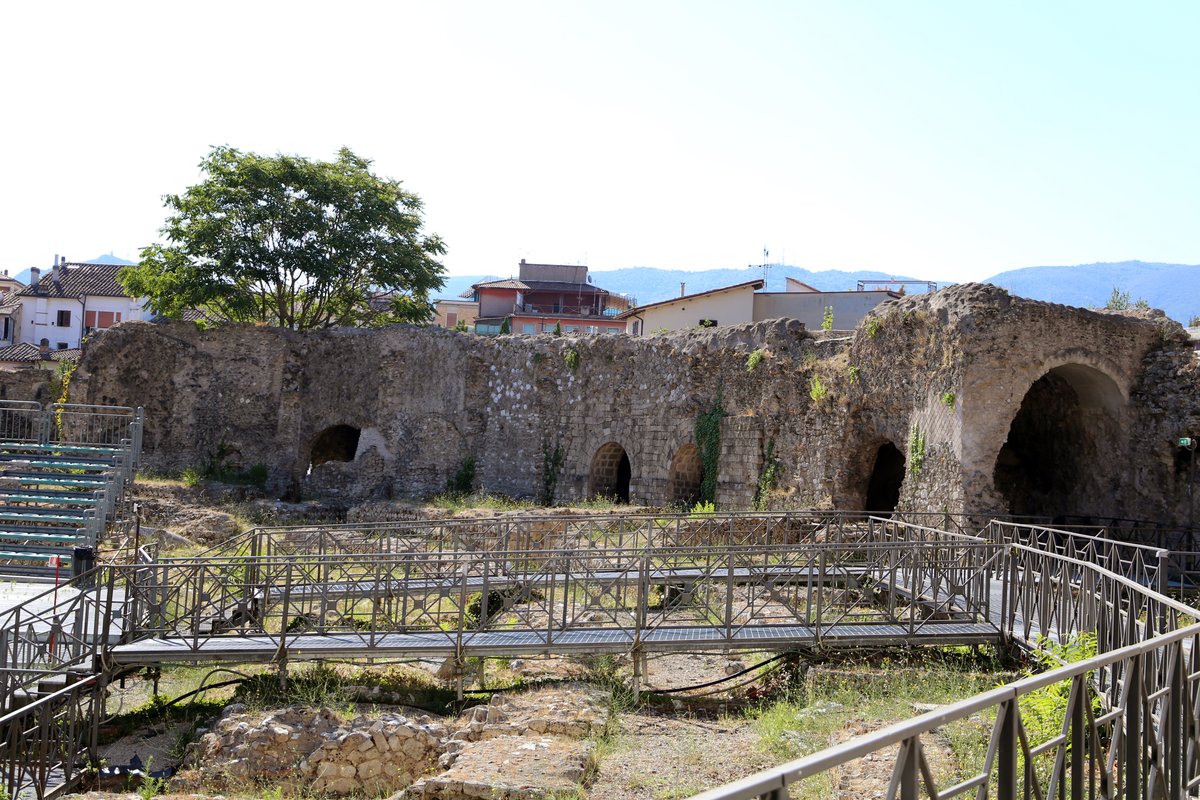 The Fausto Amphitheatre is one of the most fascinating archaeological sites in Terni, a place that transports you directly to ancient Rome. Built in the 1st century AD, this amphitheatre was dedicated to gladiatorial games and public spectacles, and today it presents a well-preserved elliptical structure, especially in the eastern part. Walking among the remains, you'll immediately notice the vomitoria, the passages that allowed the public quick access to the seating tiers, and the central arena, where fights and performances once took place. The unique feature of this site is its location: it's right in the historic centre, just steps from Piazza Tacito, making it a must-see stop for anyone visiting the city. Despite the centuries, the amphitheatre maintains a suggestive atmosphere, especially at sunset, when the warm light enhances the ancient stones. If you're a history enthusiast, don't miss the information panels that explain daily life in ancient Interamna Nahars, the Roman name for Terni. Practical tip: access is free and always open, ideal for a quick stop during a city centre stroll. Bring a water bottle in summer, as there are no shaded areas, and take advantage of the opportunity to take photos from above, perhaps by climbing the side structures for an overall view. It's a place that speaks for itself, without the need for elaborate explanations: perfect for those who love immersing themselves in history without frills.
Fausto Amphitheatre
Archaeological Museum of Terni
- Via Montecucco, Terni (TR)
- Open in Google Maps
- View on Google Images
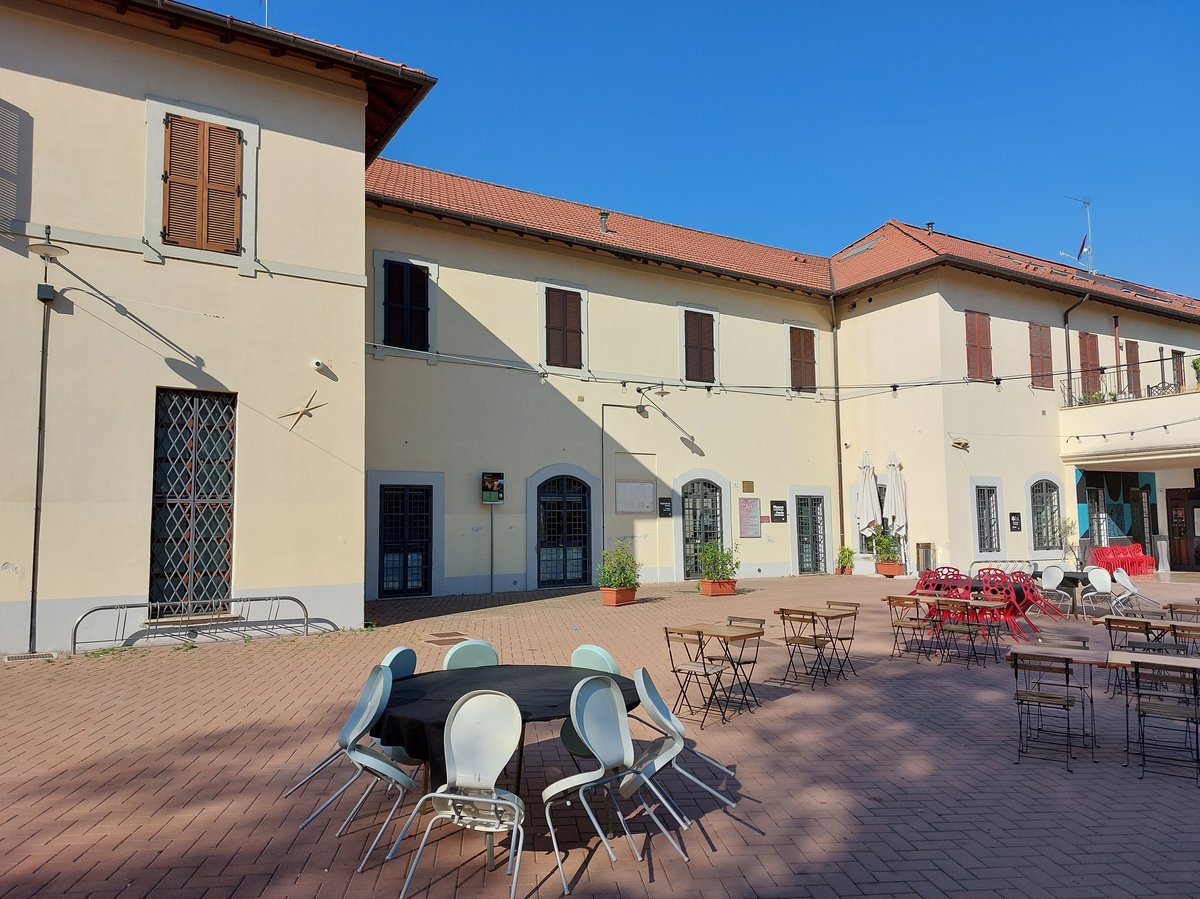 If you think Terni is just an industrial city, prepare to change your mind. The Archaeological Museum, housed in the former San Pietro convent, takes you straight to the heart of ancient Interamna Nahars, the Roman name for the city. The visit begins with a pleasant surprise: admission is free, a significant detail for travelers on a tight budget. Inside, you'll find artifacts that tell the story of the area from prehistory to the early Middle Ages, with particular focus on the Roman period. Don't miss the section dedicated to the necropolises, where well-preserved funeral items stand out, giving you insight into how the ancient inhabitants lived (and died). Many visitors are impressed by the collection of epigraphs and inscriptions, which include dedications to deities and public documents. If you're traveling with children, you'll appreciate the clear explanatory panels and reconstructions that make history accessible to everyone. The museum is small but well-organized: in about an hour, you can see everything at a leisurely pace, without the hassle of large, crowded museums. Practical tip: always check the opening hours on the official website before you go, as they can vary. And if you have time, combine your visit with the nearby Fausto Amphitheatre for a complete immersion in Terni's Roman past.
Archaeological Museum
Gazzoli Palace
- Via del Teatro Romano, Terni (TR)
- Open in Google Maps
- View on Google Images
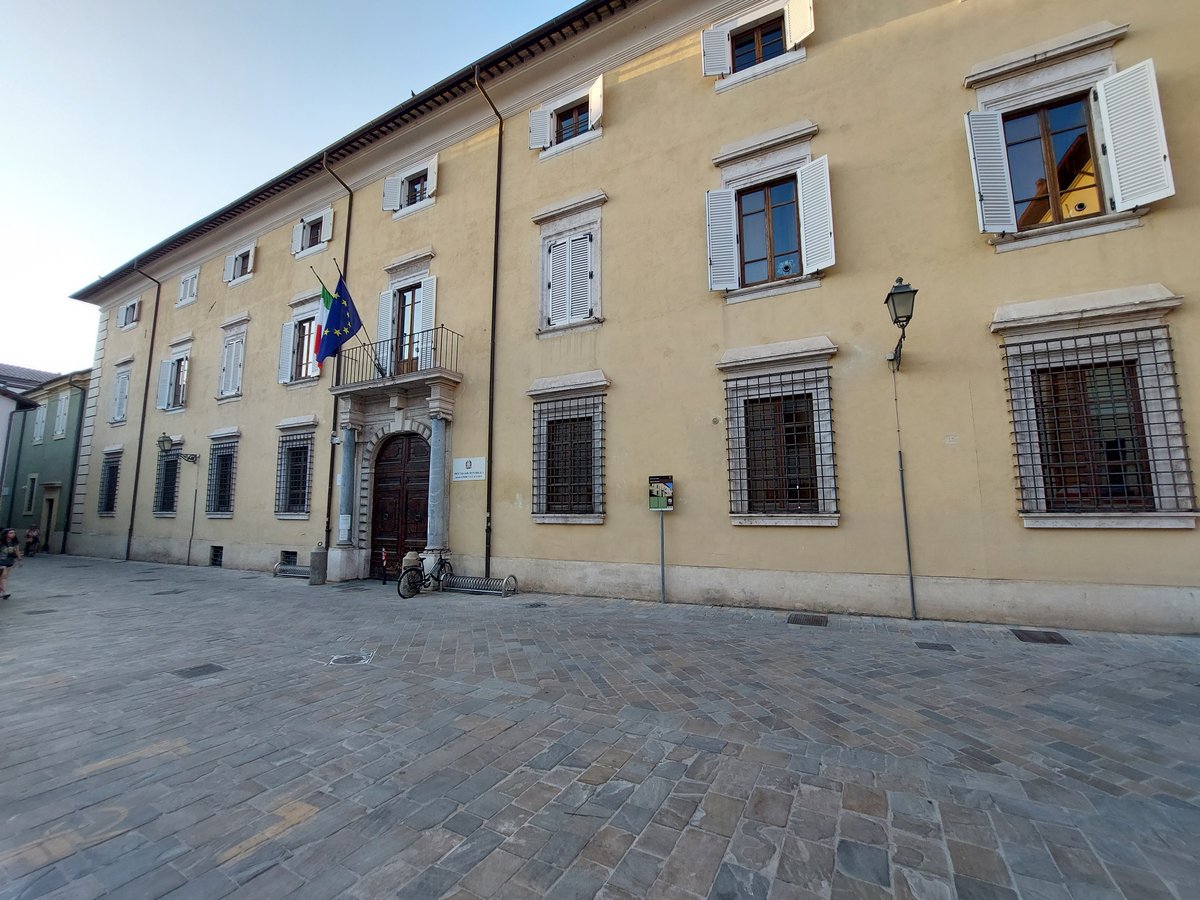 If you're visiting Terni, Gazzoli Palace is an absolute must-see. This 18th-century palace, located right in the historic center, is a true treasure trove of beauty and culture. Built in the 1700s by the Gazzoli family, it now houses the Municipal Art Gallery and the Aurelio De Felice Museum of Modern and Contemporary Art. Step inside and you'll be captivated by the elegant interiors: frescoed ceilings, monumental staircases, and grand halls that transport you back in time. The Art Gallery preserves works by Umbrian artists from the Middle Ages to the Renaissance, while the modern art museum features collections spanning from the 20th century to today, with pieces by De Felice, Burri, and other masters. The Hall of Columns is one of the most spectacular spaces, often used for temporary exhibitions and cultural events. The palace also hosts concerts, conferences, and festivals, so be sure to check the events calendar—you might find something interesting during your visit. Admission is charged, but the cost is affordable and includes access to both museums. I recommend setting aside at least an hour to explore the collections and admire the architectural spaces. If you're an art enthusiast, you'll find plenty to feast your eyes on; if you're more curious, the available guides will help you discover fascinating details about the palace's and the city's history.
Gazzoli Palace
Aurelio De Felice Museum of Modern and Contemporary Art
- Viale Luigi Campofregoso 98, Terni (TR)
- https://www.caos.museum/luogo/museo-d-arte-moderna-e-contemporanea-aurelio-de-felice/
- Open in Google Maps
- View on Google Images
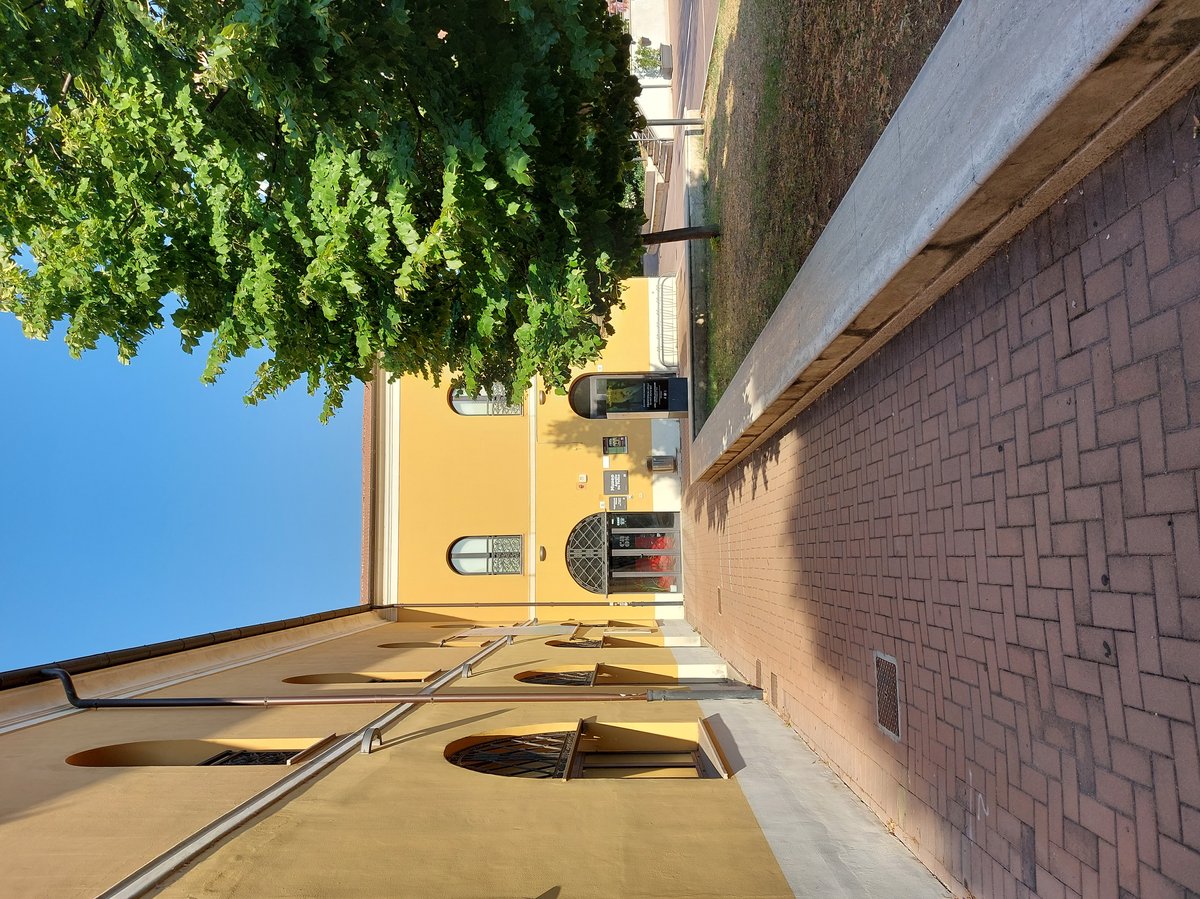 If you love 20th-century art, the Aurelio De Felice Museum of Modern and Contemporary Art in Terni is an unmissable stop. Located in the very central Palazzo Gazzoli, a historic building that's worth a visit in its own right, the museum welcomes you with a collection spanning from the first half of the 1900s to the most recent artistic expressions. The heart of the museum is dedicated to Aurelio De Felice, an internationally renowned sculptor from Terni: here you can admire works like 'The Singer' and 'The Family', which showcase his unique style, blending figuration and abstraction. But it's not just De Felice: you'll also find works by artists like Orneore Metelli, the Umbrian 'naïve painter', and Gerardo Dottori, a representative of Futurism. The rooms are well-organized, with clear explanatory panels guiding you through the artistic movements. A practical tip: don't miss the section dedicated to contemporary sculpture, with pieces that interact with the architectural spaces of Palazzo Gazzoli. The museum is small but rich in insights, ideal for a one- or two-hour visit without tiring yourself out. Admission is affordable, and there are often temporary exhibitions that enrich the offering. Perfect for those seeking a cultural experience away from the usual crowded circuits.
Aurelio De Felice Museum of Modern and Contemporary Art
Lance of Light
- Rotonda obelisco Lancia di Luce, Terni (TR)
- Open in Google Maps
- View on Google Images
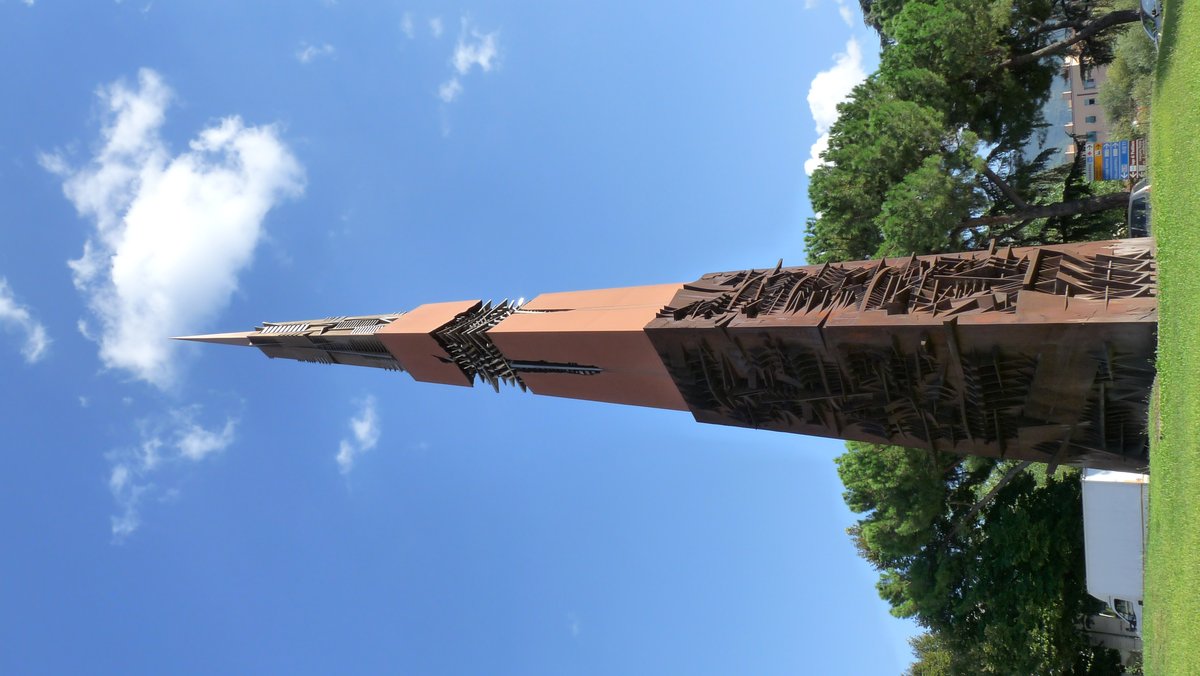 If you think Terni is just an industrial city, Lance of Light will make you think again. This contemporary sculpture by artist Arnaldo Pomodoro stands right in Piazza Tacito, becoming an unexpected landmark in the city center. Standing over 20 meters tall, the stainless steel work reflects light spectacularly, creating shimmering effects that change with the time of day and weather conditions. Its geometric and dynamic form represents a lance reaching toward the sky, symbolizing energy and rebirth for a city that has successfully transformed itself. The square itself, with its circular fountain, creates the perfect setting to admire the artwork from different angles. Many visitors stop to photograph the unique light effects that occur at sunset, when the sun's rays strike the metallic surface. It has become a gathering place for locals and tourists alike, who often sit on the surrounding benches to observe the installation from various perspectives. The nighttime lighting makes the experience even more magical, with the sculpture appearing to almost float in the darkness. To fully appreciate it, I recommend visiting at different times of day - each moment offers a unique atmosphere.
Lance of Light
Italic Temple of Monte Torre Maggiore
- Sentiero per il Tempio italico di Monte Torre Maggiore, Terni (TR)
- Open in Google Maps
- View on Google Images
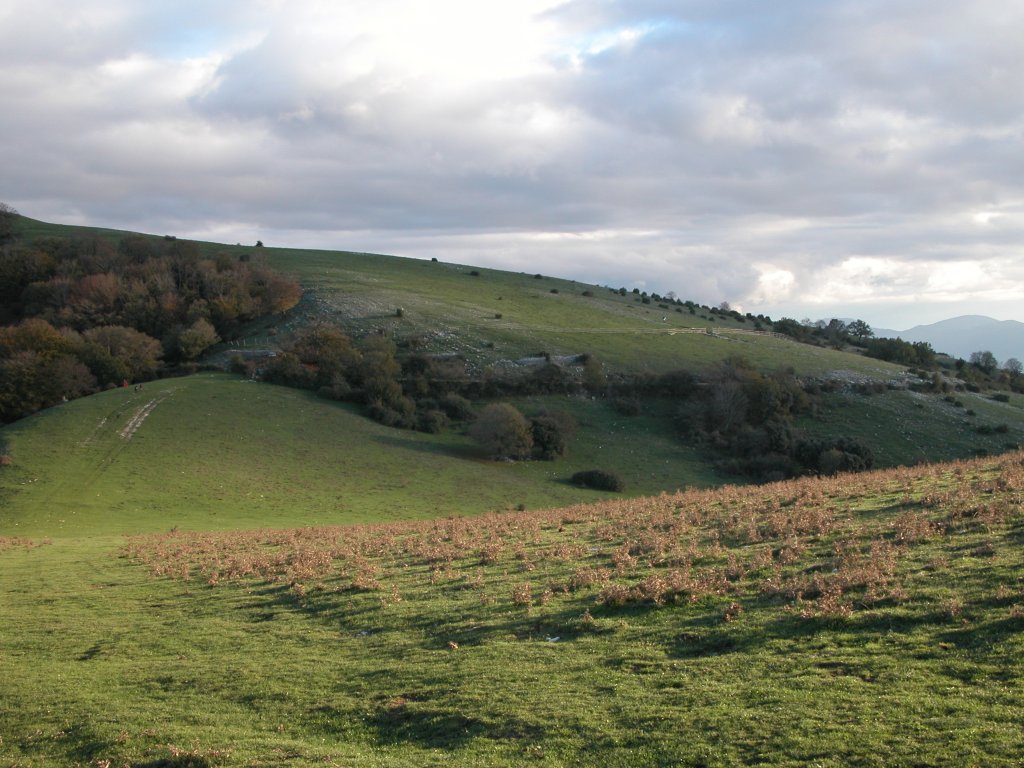 If you're looking for a place that makes you feel like a true explorer, the Italic Temple of Monte Torre Maggiore is just for you. This archaeological site, located about 10 km from the center of Terni, represents one of the most important Italic sanctuaries of pre-Roman Umbria. Built between the 3rd and 2nd centuries BC, it was dedicated to the deity Jupiter and served as a place of worship for local populations before the Roman conquest. What immediately strikes you are the massive limestone blocks that form the temple's foundations, still visible today despite the centuries. The location is strategic: at 860 meters above sea level, it dominates the Nera Valley with a breathtaking panorama stretching to the Martani Mountains. The site was accidentally discovered in 1926 during agricultural work, but systematic excavations only began in the 1970s. Today you can admire the remains of the temple podium, the altar base, and some water collection cisterns. The visit route is well-marked and includes explanatory panels that guide you through the history of the place. I recommend wearing comfortable shoes because the terrain is uneven and bringing a water bottle with you, especially in summer. Access is free and the site is always open, but the best time to visit is early morning or late afternoon, when the light is most suggestive. If you're passionate about archaeology, don't miss the nearby Terni Archaeological Museum where artifacts found during excavations are preserved.
Italic Temple of Monte Torre Maggiore
Evolving Forms of Space No. 1
- Viale Antonio Fratti, Terni (TR)
- Open in Google Maps
- View on Google Images
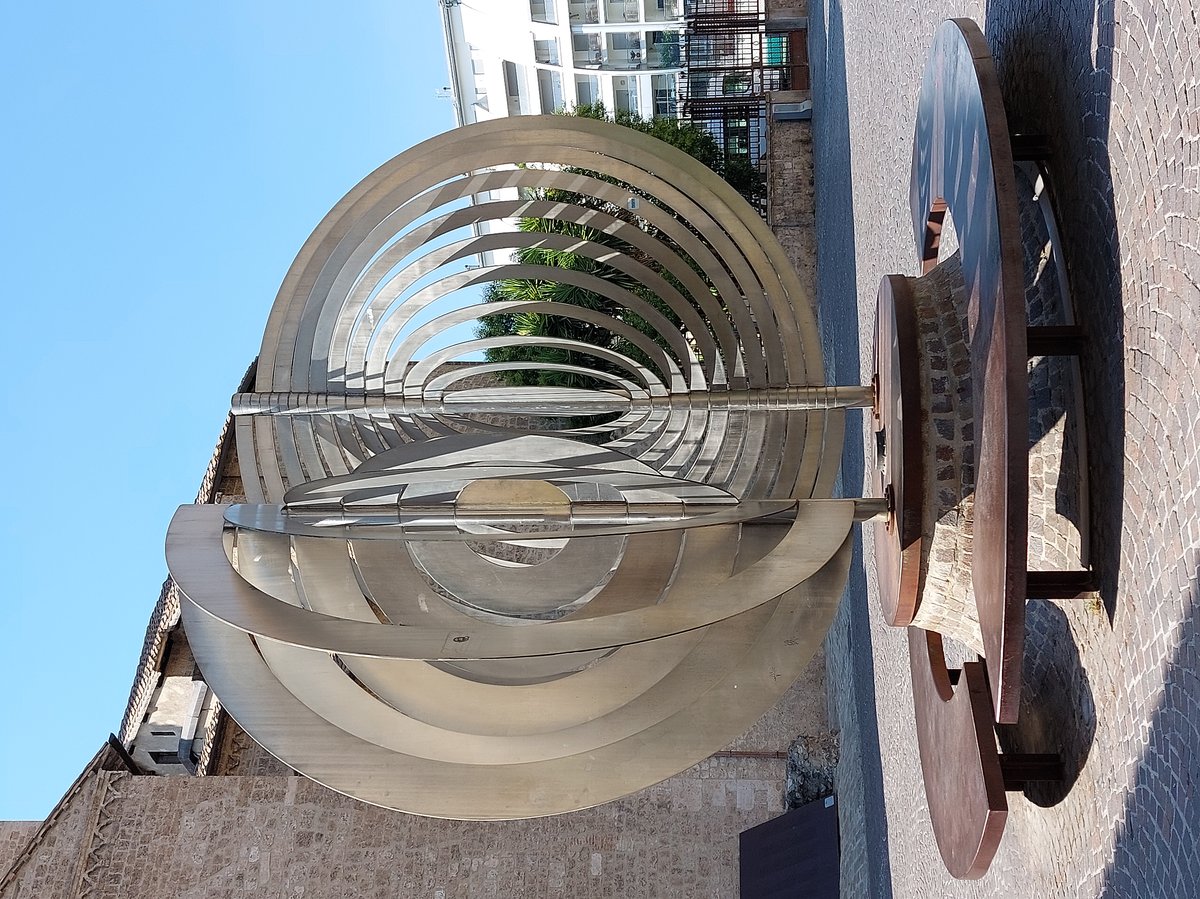 If you think Terni is only about industrial archaeology and ancient history, Evolving Forms of Space No. 1 will make you think again. This contemporary sculpture by Aurelio De Felice, located in the heart of the city, is truly worth a stop. Created in 1971 in patinated bronze, it represents one of the most significant expressions of 20th-century art in Umbria. You'll find it in Piazza Tacito, right in front of the Post Office building, in a position that makes it perfectly integrated with the surrounding architecture. The work, about three meters high, plays with volumes and empty spaces, creating a continuous dialogue between solid and void that changes perspective depending on the angle from which you view it. It's particularly evocative at sunset, when the artificial lights of the square create shadow plays that accentuate its organic and fluid forms. Many visitors describe it as 'an island of modernity' in a traditional urban context. To appreciate it fully, I recommend walking slowly around it: you'll notice how its curves visually transform, offering ever-new interpretations. It's accessible 24/7 and requires no entrance ticket, perfect for a quick break while exploring the city center. If you're passionate about photography, bring a wide-angle lens to capture the entire structure within its architectural context.
Evolving Forms of Space No. 1
Faustus Amphitheatre
- Decumanus Maximus, Terni (TR)
- Open in Google Maps
- View on Google Images
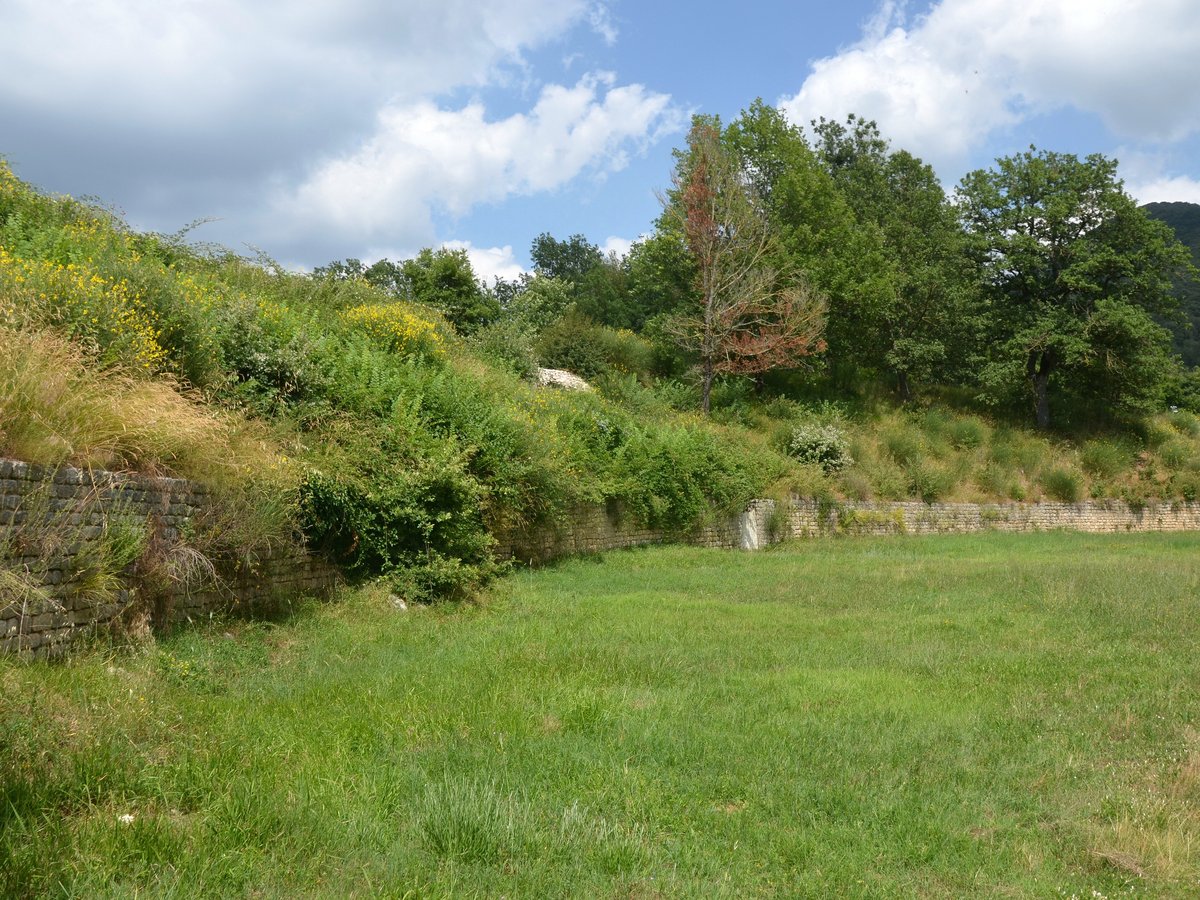 The Faustus Amphitheatre in Terni is one of the most fascinating archaeological surprises in Umbria. Built in the 1st century AD, this Roman amphitheatre is located right in the historic centre, just a stone's throw from Piazza Tacito. Imagine: it could hold up to 10,000 spectators, an impressive number for the time! Today, you can admire what remains of the seating tiers and the arena, where gladiator fights and spectacles with wild animals once took place. What's special? The amphitheatre was built by taking advantage of the natural slope of the hill, an ingenious solution typical of Roman architecture. As you walk among the remains, you'll notice the vomitoria, the passageways that allowed the public to quickly access the seating tiers. The site is well-preserved and recently enhanced, with informative panels to guide your discovery. Practical tip: admission is free and accessible year-round, perfect for a stop while exploring Terni's centre. If you love history, don't miss the details of the walls in opus reticulatum, that diamond-pattern construction technique the Romans used to make structures more resilient. The amphitheatre is easily reachable on foot and is an ideal spot to understand how important Terni was in Roman times, when it was called Interamna Nahars.
Amphitheatre
Ruins of the Church of Sant'Andrea
- Via Sant'Andrea, Terni (TR)
- Open in Google Maps
- View on Google Images
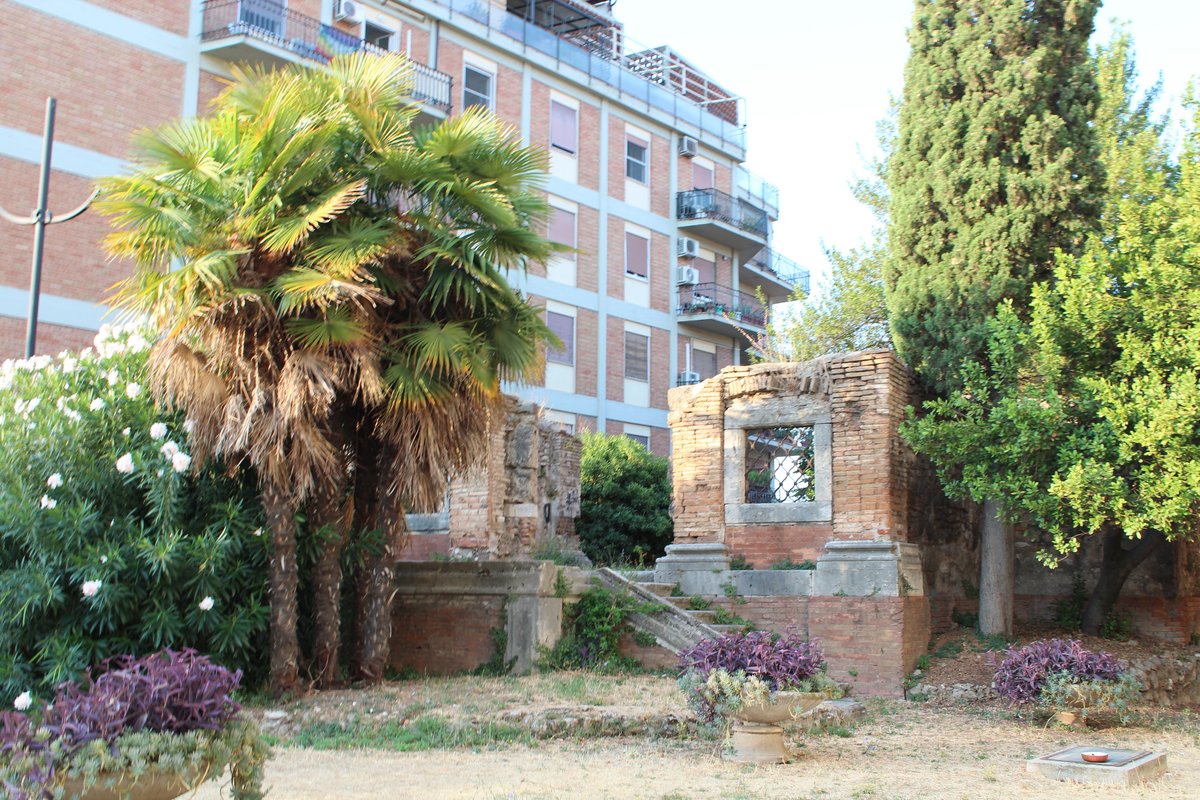 The Ruins of the Church of Sant'Andrea represent one of the most evocative testimonies of Terni's medieval past. Located in the historic center, just steps from Piazza Tacito, these archaeological remains tell a story rooted in the 12th century. The church, originally dedicated to Saint Andrew the Apostle, was built in Romanesque style and remained active until the 18th century, when it was gradually abandoned. Today, what remains are mainly the perimeter walls and some stone arches that outline the original layout of the building. The location is particularly interesting because it lies in an area that was once the beating heart of the medieval city, near the ancient route of the city walls. Visiting this site means immersing yourself in an atmosphere suspended in time, where the silence and the evocative power of ancient stones take over. The site is freely accessible and can be visited at any time of day, although sunset offers particularly magical lighting. I recommend combining the visit with a stroll through the historic center to discover other gems like the Duomo and Palazzo Gazzoli. For photography enthusiasts, the ruins offer unique perspectives, especially when the slanting afternoon light enhances the stone textures. A practical tip: wear comfortable shoes as the ground can be uneven.
Ruins of the Church of Sant'Andrea