
Petritoli’s Iride Theatre, built in 1876, is a perfectly preserved 19th-century gem in the Marche region. Its exceptional acoustics and intimate atmosphere make it ideal for theatrical performances and concerts, with an active season running from October to May.
- Horseshoe-shaped hall with three tiers of decorated wooden boxes
- Natural acoustics designed to amplify every sound without microphones
- Theatre season featuring drama performances, concerts, and children’s events
- Located in the heart of Petritoli’s medieval village, near traditional trattorias
Events nearby


Historic 1876 theatre in the medieval village of Petritoli, featuring a horseshoe-shaped hall, decorated wooden boxes, and exceptional acoustics. Hosts drama performances, concerts, and cultural events.
- https://www.comune.petritoli.fm.it/
- Via del Teatro 4, Fermo (FM)
- +390734658141
- Open in Google Maps
- View on Google Images Teatro comunale dell’Iride a Fermo
Good to know
Introduction
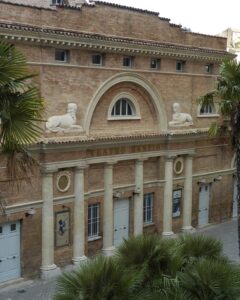
As soon as you cross the threshold of the Iride Theatre in Petritoli, you’re greeted by an atmosphere steeped in history and passion. Built in 1876, this architectural gem in the heart of Le Marche is not just a theatre, but a true cultural salon where every detail tells a story. The neoclassical facade blends harmoniously with the medieval alleyways of the village, creating a stunning contrast. Upon entering, your gaze is drawn to the horseshoe-shaped auditorium and the three tiers of decorated wooden boxes, while the frescoed ceiling with floral and allegorical motifs completes a picture of rare elegance. Here, you don’t just breathe the air of theatre, but the essence of a community that has lovingly preserved this space, making it a vibrant and well-attended venue today. It’s one of those places that, though small, leaves a strong impression, especially when you discover that the acoustics are so perfect they make every performance feel like an intimate and engaging experience.
Historical Notes
The Iride Theatre was established in 1876 through the initiative of the Società Filodrammatica Petritolese, a group of enthusiasts who wanted to provide the town with a dedicated performance venue. Originally a private theatre, it was mainly frequented by the local bourgeoisie and experienced fluctuating fortunes: periods of intense activity alternated with times of neglect, until a major restoration in the 1990s restored its original splendour. Today, managed by the Municipality, it has once again become a vibrant cultural hub, with a theatre season ranging from drama to music, involving both local and national artists. Its history is linked to figures such as the architect Giuseppe Sabbatini, who designed the structure inspired by 19th-century theatres in major cities, but adapted it to the dimensions of the village.
- 1876: Inauguration as the theatre of the Società Filodrammatica
- 1950s: Period of decline and temporary closure
- 1990s: Conservation restoration and reopening to the public
- Today: Active theatre season and regular cultural events
Perfect Acoustics
One of the features that makes the Iride Theatre unique is its exceptional acoustics, designed to naturally amplify every sound without the need for microphones. Thanks to the bell-shaped auditorium and the materials used, such as the spruce wood of the boxes and the special plaster on the walls, the actors’ voices or the notes of a violin reach every corner with clarity and power. During performances, especially chamber music concerts or poetry readings, you experience total immersion, as if you were sitting in the front row even from the last seat. The theatre technicians explain that this acoustic quality is the result of careful design, typical of the 19th century, when auditory experience was prioritized. For visitors, attending a performance here means not just watching a show, but living it with a rare intensity that makes you appreciate the value of architecture conceived for art.
The Theatre Season
The Iride Theatre is not a museum, but a vibrant space thanks to an active theatre season that engages the community and attracts visitors. Every year, from October to May, the programme features around twenty events: drama performances with emerging companies, classical and jazz concerts, as well as dedicated children’s festivals and workshops for schools. What stands out is the variety: one evening might be dedicated to a Shakespearean monologue, the next to a local wind ensemble. The programming is curated in collaboration with local cultural associations, such as the Accademia dei Filodrammatici, which has been enlivening the theatre with original initiatives for decades. Attending one of these events means connecting with the soul of Petritoli, where culture is not just entertainment, but a way to keep tradition alive while innovating at the same time. It’s an experience that combines artistic quality and human warmth, typical of small provincial theatres.
Why Visit It
Visiting the Iride Theatre is worthwhile for at least three concrete reasons. First, it’s a rare example of a perfectly preserved 19th-century theatre in the Marche region, where details like the carved wooden balustrades and original armchairs transport you to another era. Second, the acoustics allow you to fully enjoy performances without distractions—a luxury few modern theatres offer. Third, its location in Petritoli’s historic centre makes it easy to combine with a visit to the village: after the show, you can take a stroll through the illuminated alleyways and stop at one of the nearby trattorias to sample vincisgrassi, the local specialty. In short, it’s not just a cultural stop but an opportunity to experience an authentic moment, away from the more beaten tourist paths.
When to Go
The most enchanting time to visit the Iride Theatre is during a winter performance evening, when the external chill contrasts with the warmth of the packed hall and the atmosphere becomes magical. In winter, especially on weekends, performances are more frequent and the theatre fills with a special energy, as the local audience gathers here like in a cozy living room. If you prefer a more tranquil visit, spring afternoons are ideal for leisurely admiring the architecture, perhaps taking advantage of special openings during events like the Theatre Festival in March. In any case, avoid the summer closure periods, when activity decreases and you miss the chance to see it ‘in action’.
In the Surroundings
After the theater, explore the historic center of Petritoli, a medieval village with cobblestone alleys, arches, and noble palaces like Palazzo Vannuzzi. A short distance away, the Church of San Francesco is worth a stop, housing 15th-century frescoes and an ancient organ still in working order. If you’re in the mood for a culinary experience, head to one of the wineries in the Aso Valley to taste Rosso Piceno Superiore, a robust wine that pairs perfectly with traditional local dishes.
Itineraries nearby

💡 Did You Know…?
The theatre owes its name ‘Iride’ to the goddess of the rainbow in Greek mythology, chosen to symbolize the union of different arts that find their home here. During the 2000 restorations, original architectural details emerged from beneath layers of plaster, including stucco decorations reminiscent of larger theatres in nearby cities. The unique feature? The orchestra can be transformed into a ballroom by raising the floor, a rare characteristic in theatres of this size.