Introduction
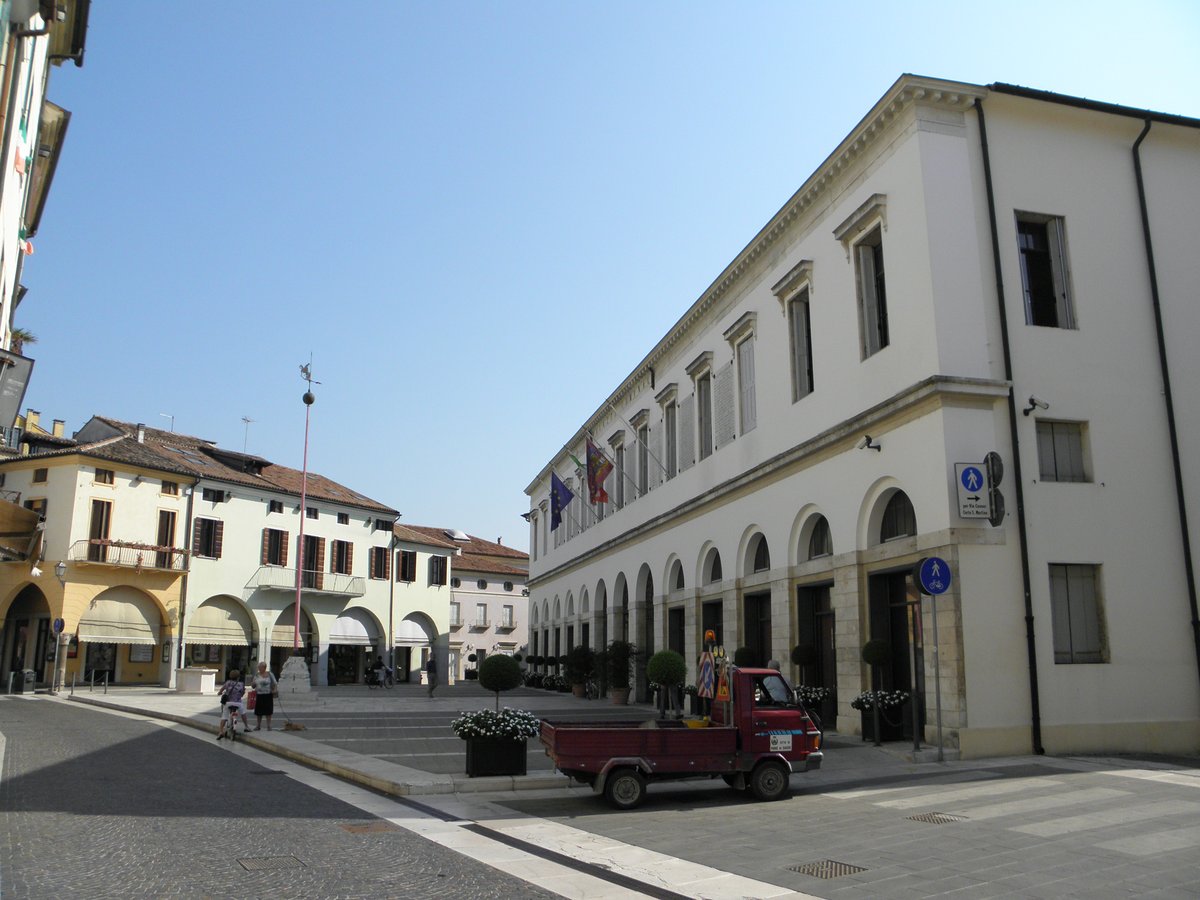
As soon as you step into the Teatro Filarmonico Comunale di Piove di Sacco, you are greeted by an intimate and refined atmosphere. This small cultural gem, with its neoclassical facade standing out in the historic center, is a place where art breathes in every corner. It’s not just a theater, but a vibrant gathering point for the community, with a program ranging from drama theater to classical and contemporary music concerts. The hall, with its orchestra and gallery seats, envelops you in perfect acoustics, ideal for savoring every note or word. Here, every performance becomes an engaging experience, making you feel part of something special, far from the major tourist circuits.
Historical Background
The history of the Teatro Filarmonico dates back to the 19th century, when a group of local music enthusiasts founded the Philharmonic Association in 1860. Initially, activities took place in temporary spaces, but the growing passion for music led to the construction of the current building, officially inaugurated in 1888. Throughout the 20th century, the theater experienced alternating fortunes, between periods of splendor and moments of closure, until a major restoration in the 1990s returned this cultural space to the community. Today, it continues to be a landmark for the artistic life of the area, hosting theater and music seasons curated by the historic association.
- 1860: Foundation of the Philharmonic Association
- 1888: Inauguration of the theater at its current location
- 1990s: Conservation restoration of the building
- Today: Annual program of shows and concerts
Perfect Acoustics and an Intimate Atmosphere
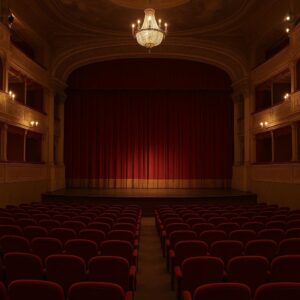
One of the most appreciated aspects of the Teatro Filarmonico is its exceptional acoustics, the result of careful design and high-quality materials. The hall, with a capacity of around 200 seats, is arranged on two levels: orchestra and gallery, creating an intimate setting where every spectator feels close to the stage. This makes it ideal for chamber music performances, theatrical plays, and poetry readings, which gain a unique depth here. The furnishings, with red velvet armchairs and stucco decorations, contribute to a warm and welcoming atmosphere. It’s not uncommon, after the show, to meet the artists in the foyer for a toast, a tradition that strengthens the bond between audience and creativity.
Programming: A Blend of Tradition and Innovation
The strength of the Teatro Filarmonico lies in its diverse programming, which combines classical offerings with contemporary experiments. During the season, typically running from October to May, you can attend symphonic and chamber music concerts organized by the Philharmonic Association, as well as theatrical performances by local and national companies, often focusing on Venetian authors. Family-friendly events are also featured, such as matinées for children, and special series, like those dedicated to jazz or folk music. The calendar is rich and well-curated, with affordable tickets encouraging participation from all. Always check the official website to stay updated on new offerings.
Why Visit It
Visit the Teatro Filarmonico to immerse yourself in an authentic cultural experience, away from tourist crowds. It’s a place where art is alive and accessible, with tickets often under 15 euros. Additionally, its location in the heart of Piove di Sacco allows you to combine the evening with dinner at one of the area’s typical restaurants, perhaps sampling Venetian dishes like risotto or cicchetti. Finally, it’s an opportunity to discover the cultural vibrancy of a small community, where every performance becomes a moment of sharing.
When to Go
The most enchanting time to visit the theater is during an evening performance in winter, when the warm lights of the building contrast with the darkness of the square, creating a magical atmosphere. In spring, take advantage of Sunday matinees, ideal for families, which often include light and interactive shows. Avoid the summer closure periods when the theater is less active, and prefer the autumn or winter theater seasons for the richest programming.
In the Surroundings
After the show, explore the historic center of Piove di Sacco, with its medieval Civic Tower and the Cathedral of San Martino, which houses Renaissance artworks. For a thematic experience, visit the nearby Sile Basin Nature Reserve, ideal for nature walks or bike rides along the embankments, where you can observe local wildlife and enjoy tranquil river landscapes.