
The Palazzo dei Diamanti is the symbol of Renaissance Ferrara, designed by Biagio Rossetti for Ercole I d’Este. It houses the National Art Gallery with Ferrara’s masterpieces and temporary exhibitions of international caliber.
- Unique facade with over 8,500 diamond-shaped bosses creating optical effects with light
- National Art Gallery with works by Cosmè Tura, Dosso Dossi, and the Ferrara school from the 14th to the 18th century
- Temporary exhibitions of international appeal with retrospectives on artists like Boldini and De Pisis
- Strategic location at the crossroads of the Addizione Erculea’s thoroughfares, the Renaissance district
Events nearby
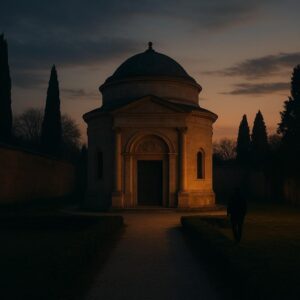
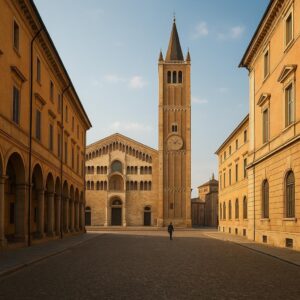
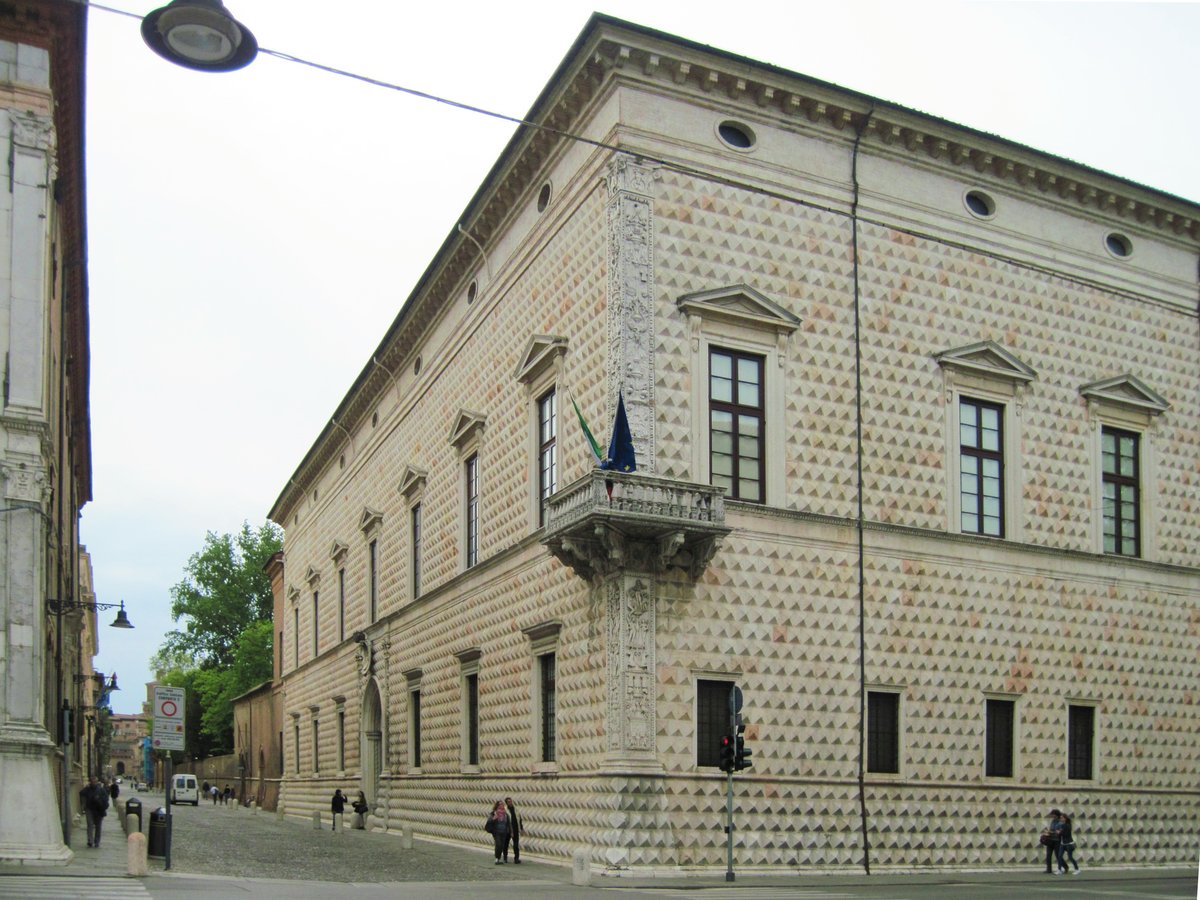
A Renaissance palace with a unique facade featuring over 8,500 diamond-shaped bosses, housing the National Art Gallery and hosting international exhibitions in the heart of the Addizione Erculea.
- Corso Biagio Rossetti, Ferrara (FE)
- Open in Google Maps
- View on Google Images Palazzo dei Diamanti a Ferrara
Good to know
A Jewel That Leaves You Speechless
When you arrive at Corso Ercole I d’Este, the Diamond Palace immediately strikes you: that facade covered with over 8,500 diamond-shaped ashlars isn’t just a Renaissance masterpiece, but a unique visual experience. Designed by Biagio Rossetti for Ercole I d’Este, this palace is the symbol of the Addizione Erculea, the neighborhood that transformed Ferrara into a modern city. Today it houses the National Picture Gallery with masterpieces by local artists like Cosmè Tura and Dosso Dossi, but also internationally renowned temporary exhibitions. Entering here means immersing yourself in five centuries of art and history, in a building that alone is worth the trip.
Living History of the Ferrara Renaissance
The palace was built in 1493 by the will of Ercole I d’Este, Lord of Ferrara, as part of his ambitious urban development project. Biagio Rossetti, the court architect, designed a building that combined elegance and innovation, with its rusticated façade simulating diamonds and creating extraordinary plays of light. In the 16th century, it served as the residence of important families, then in 1832 it became the home of the Pinacoteca, which collects works from the Ferrara school from the Middle Ages to the Baroque period. Today it is state-owned and managed by the Gallerie d’Arte Moderna e Contemporanea di Ferrara.
- 1493: Construction begins for Ercole I d’Este
- 1503: Completion of the main structure
- 1832: Opening of the National Pinacoteca
- 1995: UNESCO recognition for Ferrara as a Renaissance city
The Pinacoteca: Heart of Ferrara’s Art
On the first floor, the National Pinacoteca welcomes you with a permanent collection that is a journey through local art. Here you can admire The Altarpiece of Saint John the Baptist by Cosmè Tura, with its intense colors and elongated figures typical of fifteenth-century Ferrara, and the canvases by Dosso Dossi, which carry the Renaissance toward more romantic atmospheres. The rooms are organized by century, allowing you to follow the city’s artistic evolution, from medieval polyptychs to Baroque experiments. Don’t miss the section dedicated to illuminated manuscripts, which testify to the splendor of the Este court.
International Temporary Exhibitions
In addition to the permanent collection, the palace is renowned for its temporary exhibitions that attract visitors from all over Italy. Recently, they have hosted retrospectives on Boldini, De Pisis, and 20th-century masters, curated with scientific rigor yet accessible to everyone. The exhibitions take place on the ground floor, in spacious and bright areas that enhance the artworks. Always check the schedule before your visit: there are often collateral events such as conferences or guided tours that enrich the experience.
Why You Can’t Miss It
Three concrete reasons to visit the Palazzo dei Diamanti: first, the facade is a unique architectural icon in Italy, perfect for photos that capture the light on the marble diamonds. Second, the Pinacoteca offers a comprehensive journey through Ferrarese art, with works you’d rarely see elsewhere. Third, the temporary exhibitions are always top-notch, often featuring loans from international museums, making each visit different from the last.
The Right Moment for Magic
Go at sunset: the low-angled sunlight enhances the shadows on the facade’s diamond-shaped stones, creating a spectacular three-dimensional effect. In spring or autumn, clear days offer perfect visibility to appreciate the architectural details without the summer crowds. If you prefer exhibitions, check for evening openings during exhibition periods: the nighttime atmosphere adds a touch of mystery to the palace.
Complete your experience in the surroundings
Just steps away, lose yourself in the Quadrivio degli Angeli, the Renaissance crossroads where Corso Ercole I d’Este and Via degli Angeli meet, with historic palaces that transport you back to the 16th century. A little further on, the Castello Estense awaits you with its towers and moats, offering another essential piece to understand the power of the Este family. Both locations are reachable with a pleasant stroll through the streets of the Addizione Erculea.
Itineraries nearby

💡 Did You Know…?
Legend has it that the diamond-shaped blocks were oriented to capture light in a way that would illuminate the facade throughout the day, an architectural trick to impress visitors. Furthermore, during restoration work, traces of the original gilding on the tips emerged, which must have glittered in the sun. The palace also hosted figures like Lucrezia Borgia, who lived in Ferrara after her marriage to Alfonso d’Este.