
🧭 What to Expect
- Ideal for history and archaeology enthusiasts, with MAR.TA and the Doric Temple.
- Highlights: location between two seas, Greek and Aragonese heritage, specialized museums.
- Includes interactive map with the 10 main stops to organize your itinerary.
- Features authentic places like the Majorano Ethnographic Museum and the Peripato Gardens.
Events nearby



Taranto surprises you with its unique blend of millennia-old history and maritime charm. The MAR.TA National Archaeological Museum houses the treasures of Magna Graecia, while the Aragonese Castle dominates the panorama over the Mar Piccolo. Stroll through the historic center between the Cathedral of San Cataldo and the Doric Temple, discover the secrets of the Spartan Hypogeum Museum, and enjoy the cool breeze in the Peripato Gardens. The city of two seas offers unforgettable glimpses between swing bridges, historic palaces, and that salty scent that lingers on you. An authentic experience between a glorious past and a vibrant present.
Overview
Itineraries nearby
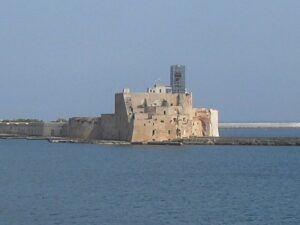


MAR.TA National Archaeological Museum of Taranto
- Go to the page: MAR.TA Taranto: Gold of Taras and Magna Graecia Artifacts in Former Convent
- Via Cavour 10, Taranto (TA)
- https://museotaranto.cultura.gov.it/
- Open in Google Maps
- View on Google Images
- man-ta@beniculturali.it
- +39 099 4532112
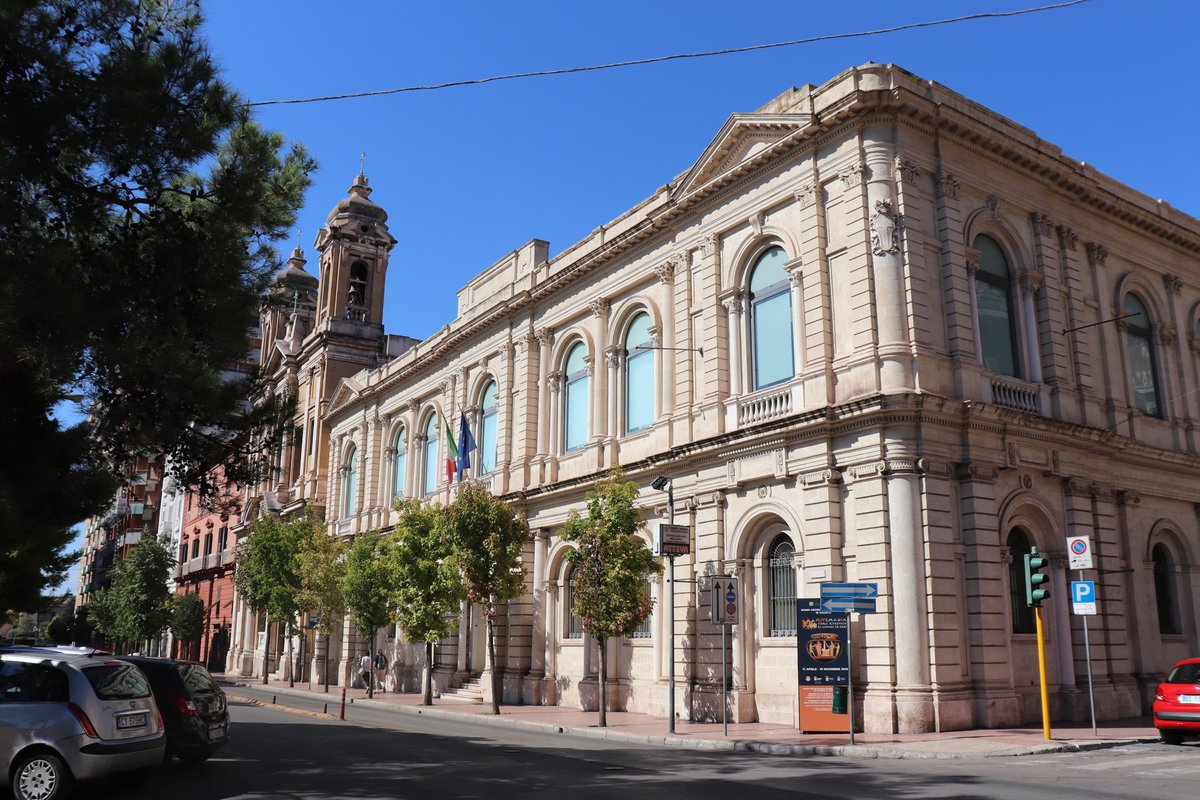 The MAR.TA National Archaeological Museum of Taranto is one of those places that immediately makes you understand why this city was called the 'Sparta of Italy'. Located in the heart of the Old Town, it occupies the former convent of the Alcantarine Friars and welcomes you with a collection that tells 2500 years of Taranto's history. As soon as you enter, you're struck by the Gold of Taranto, finely crafted gold jewelry that demonstrates the skill of ancient artisans. The section dedicated to Greek Taranto is unmissable: here you admire artifacts from the Temple of Poseidon and red-figure pottery that transport you directly to the 5th century BC. Don't miss the Athlete's Tomb, with its complete funeral assemblage, and the marble sculptures that decorated the necropolises. The museum has successfully modernized with multimedia installations that make the visit engaging even for non-experts. For those traveling with children, there are educational paths specifically designed. The entrance ticket costs just a few euros and is worth every cent: I recommend dedicating at least two hours to miss nothing. Remember that it's closed on Tuesdays, so plan your visit for other days.
Aragonese Castle
- Piazza Castello, Taranto (TA)
- Open in Google Maps
- View on Google Images
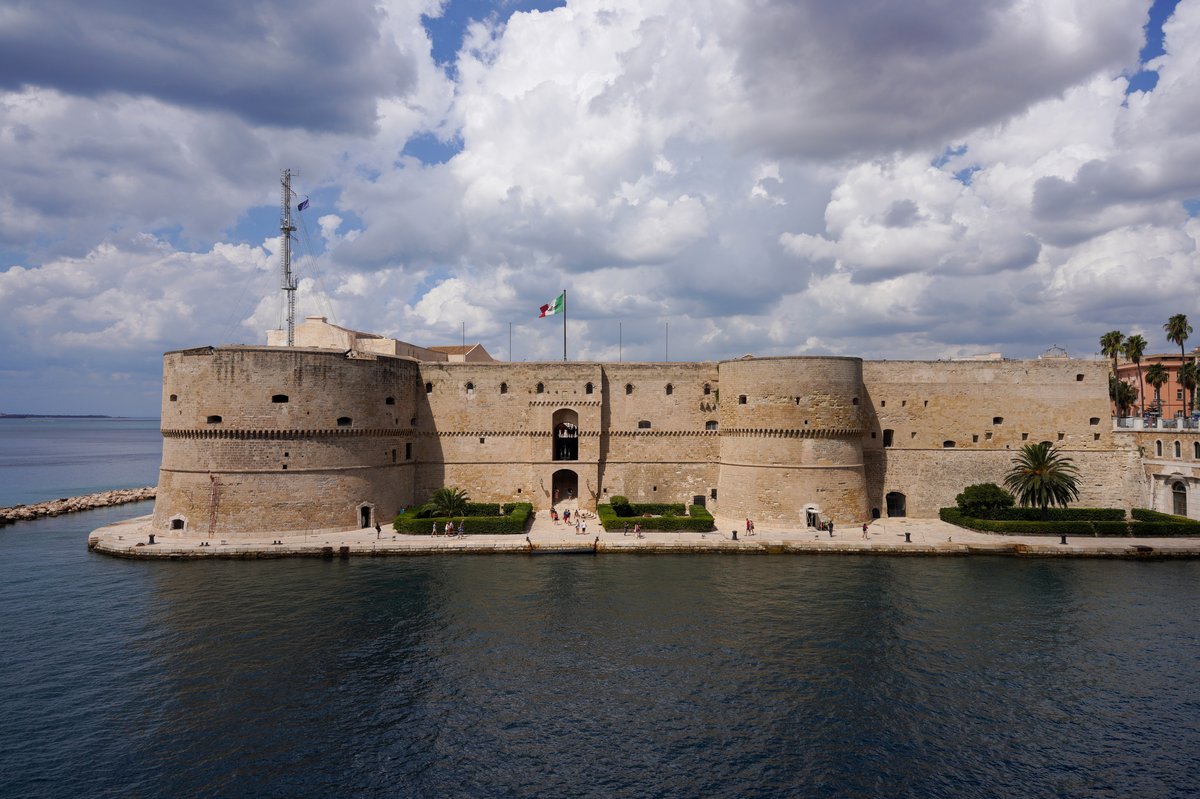 The Aragonese Castle of Taranto, also known as Castel Sant'Angelo, is one of the city's most recognizable landmarks. Strategically positioned at the entrance to the Old Town, this imposing fortress extends directly over the Mar Piccolo, creating a spectacular visual impact. Built between 1486 and 1492 by order of Ferdinand II of Aragon, the castle represents a perfect example of Renaissance military architecture. Its location is no coincidence: it protected access to the historic center through the swing bridge, still operational today. The structure develops on a quadrangular plan with four corner towers, a typical feature of Aragonese fortifications. Today the castle houses the Italian Navy Command, but some areas can be visited during public opening hours. The main entrance is located in Piazza Castello, from which you access the inner courtyard. Here you can admire the ancient gun emplacements still preserved and the patrol walkways that offer breathtaking views of the Mar Piccolo and the waterfront. Particularly suggestive is the view of the Navigable Channel and the port activities that animate the city. Inside, the exhibition halls tell the naval history of Taranto through artifacts and documents. A visit to the Aragonese Castle is a plunge into the military history of Puglia, a place where defensive architecture merges with the marine landscape creating a unique experience in the panorama of Italian castles.
Cathedral of Saint Cataldus
- Go to the page: San Cataldo Cathedral in Taranto: Baroque chapel with silver altar and medieval crypt
- Largo Arcivescovado, Taranto (TA)
- Open in Google Maps
- View on Google Images
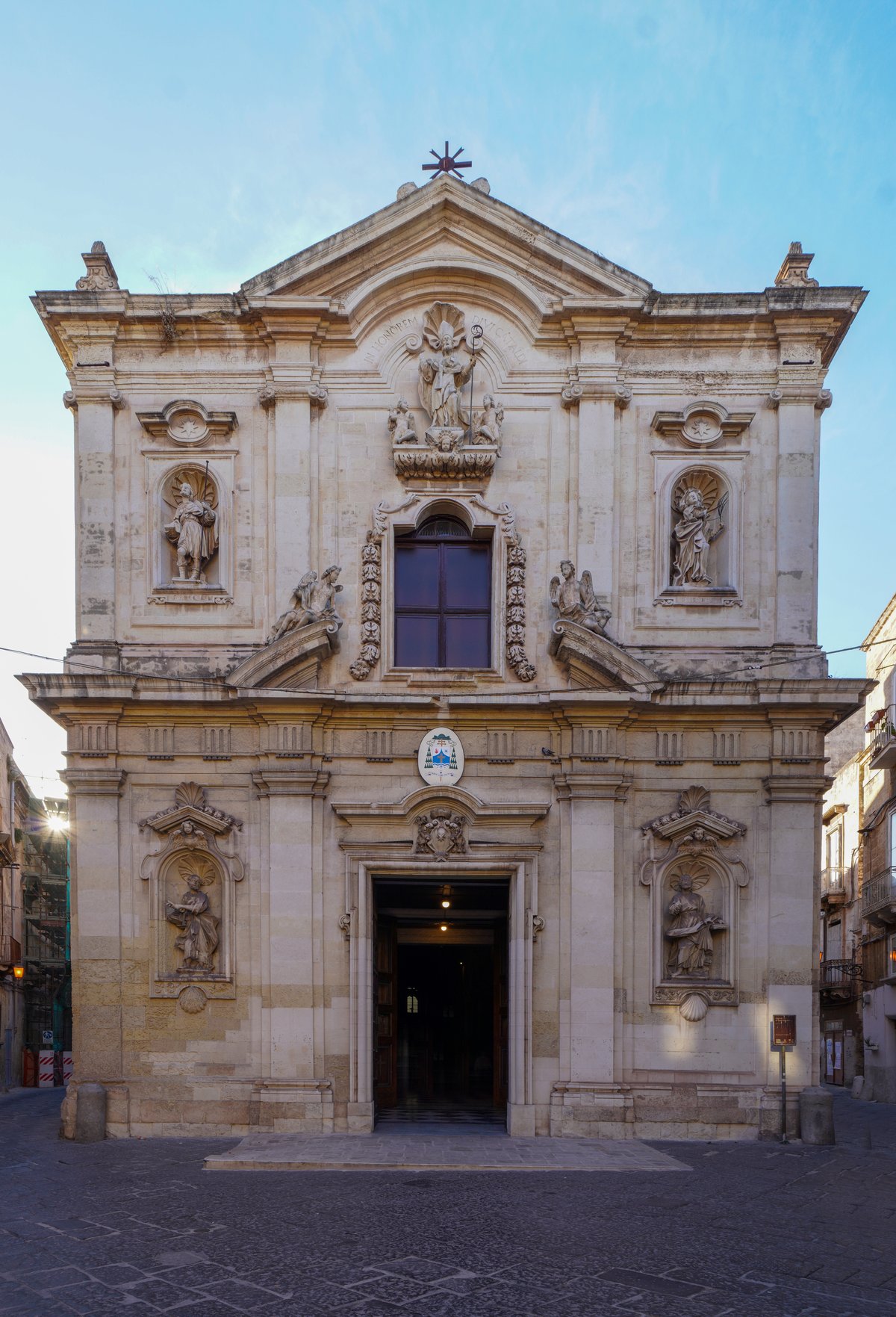 The Cathedral of Saint Cataldus is the spiritual heart of Taranto, a building that narrates centuries of history through its architectural layers. Founded in the 10th century on the site of an earlier Paleo-Christian temple, this place of worship represents one of the oldest examples of Apulian Romanesque architecture. The main facade, remodeled in the 18th century, conceals an interior that still retains Byzantine and Norman traces. The Chapel of Saint Cataldus, built in 1657, is the focal point of the city's devotion: here rest the relics of the patron saint, an Irish bishop who arrived in Taranto in the 7th century. The Baroque chapel, richly decorated with polychrome marbles and statues, contrasts with the sobriety of the Romanesque naves. Particularly evocative is the crypt, which preserves medieval frescoes and capitals with vegetal and animal motifs typical of Apulian art. During the patronal feast on May 10th, the cathedral becomes the center of celebrations, with the historical procession starting right here. Its location in the heart of the old town, overlooking the Mar Piccolo, makes the visit even more thrilling: after admiring the interiors, it's worth stopping on the parvis to enjoy the view over the water.
Doric Temple
- Piazza Castello, Taranto (TA)
- Open in Google Maps
- View on Google Images
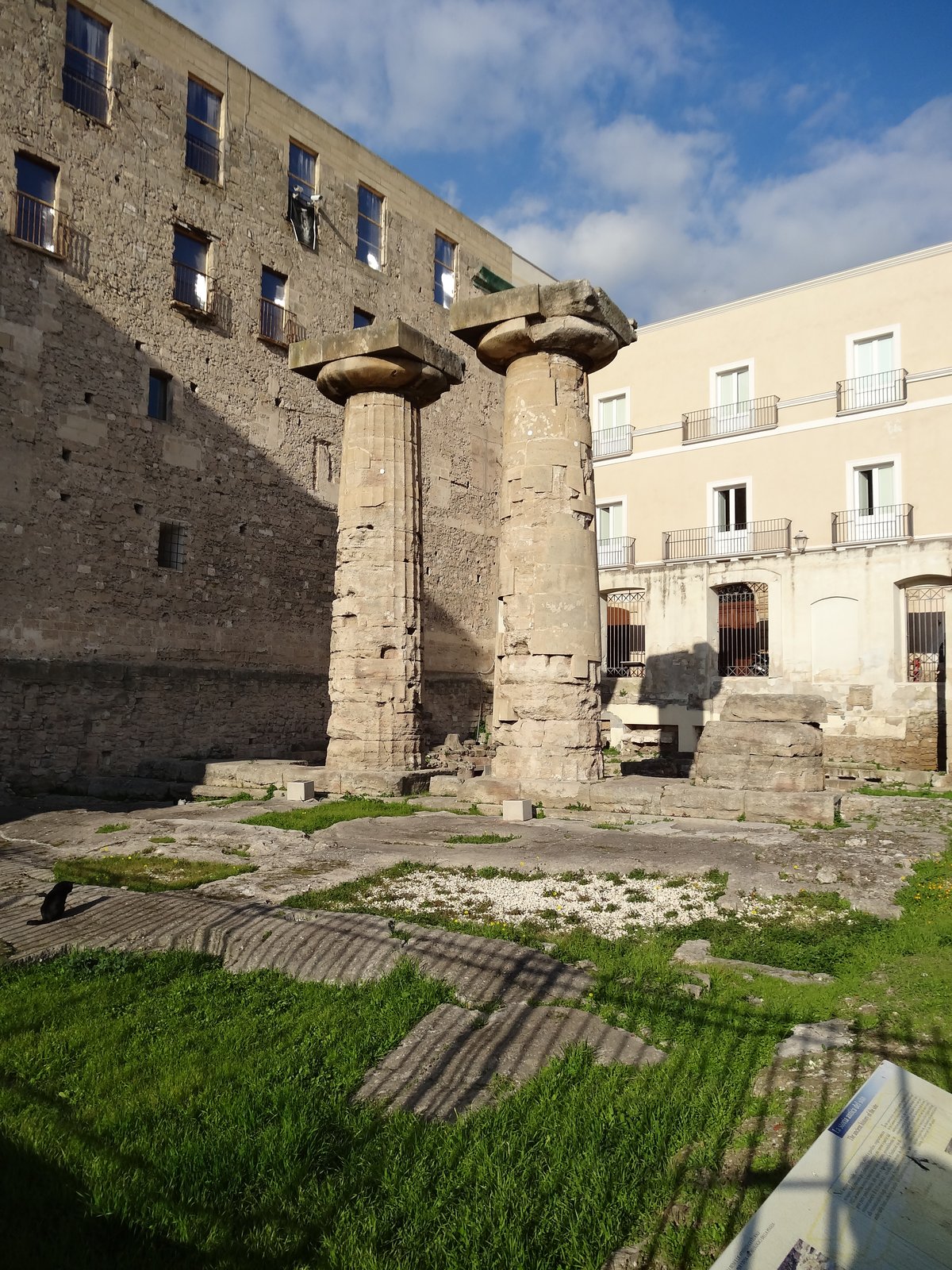 The Doric Temple of Taranto is one of the few visible remains of the Greek city, a fragment of history that transports you back in time. Located in the historic center, among the alleys of the old town, this temple dates back to the 6th century BC and represents one of the oldest examples of Doric architecture in southern Italy. Originally dedicated to a female deity, perhaps Persephone or Demeter, today only two columns and part of the base remain, but their grandeur allows you to imagine the magnificence of ancient Taras. The unique feature of this site is its location: it stands just steps from the sea, almost symbolizing the inseparable bond between the city and its port. The local limestone used for construction takes on golden hues at sunset, creating a magical atmosphere. The temple is easily accessible on foot, nestled in an area that was once the religious heart of the polis. Visiting it means touching the Greek roots of Taranto firsthand, an experience that enriches any itinerary in the city of two seas. Don't forget to observe the details of the columns, where the typical fluting of the Doric style is still visible. This place, often overlooked by the busier tourist circuits, offers a moment of peace and reflection, perfect for those seeking authenticity.
Spartan Hypogeum Museum of Taranto
- Go to the page: Spartan Hypogeum Museum of Taranto: Underground Tunnels and Magna Graecia Artifacts
- Corso Vittorio Emanuele II, Taranto (TA)
- Open in Google Maps
- View on Google Images
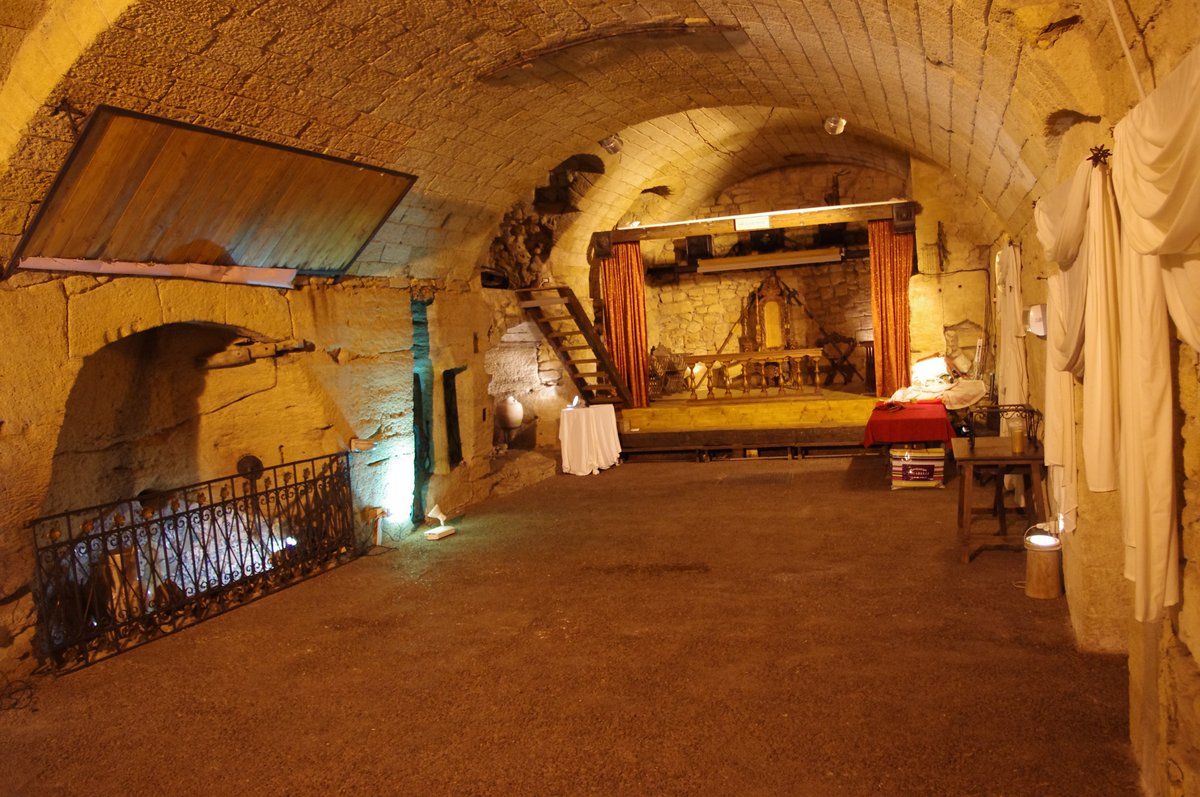 The Spartan Hypogeum Museum of Taranto is a hidden gem in the heart of the historic center, taking you directly into the belly of the ancient city. Located in a 4th-century BC hypogeum, this unique museum lets you explore a series of underground spaces that tell the Spartan history of Taranto. The visit begins with a descent into the crypts, where ceramic artifacts, coins, and everyday objects from the Spartan colony are preserved. The tuff walls still show traces of ancient craftsmanship, while educational panels explain the connection between Sparta and Taranto, founded in 706 BC. Particularly evocative is the system of cisterns for water collection, a testament to the hydraulic engineering of the era. The route winds through spaces that were used as dwellings, warehouses, and places of worship, with artifacts like transport amphorae and oil lamps that reconstruct the lives of the early settlers. The carefully designed lighting creates immersive atmospheres, enhancing the feeling of time travel. The museum is small but rich in content, perfect for those seeking an authentic experience off the beaten path. Its location in the old town makes it easy to combine with a visit to the MAR.TA and the Aragonese Castle. A tip: check the opening hours as it's often accessible only by reservation or guided tours.
Peripato Gardens
- Taranto (TA)
- Open in Google Maps
- View on Google Images
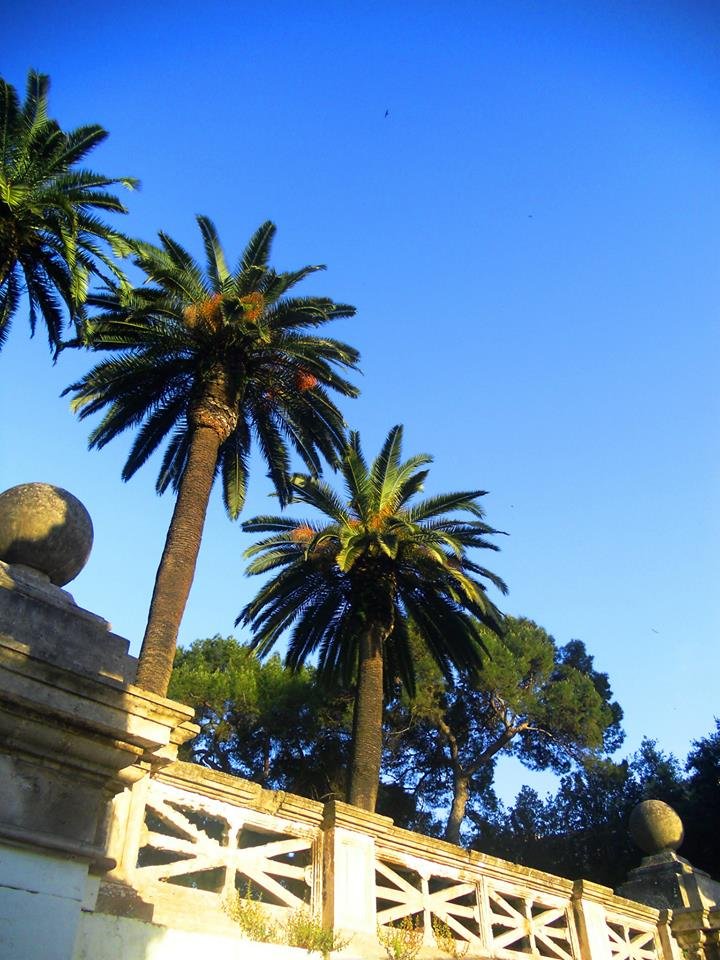 The Peripato Gardens are a green lung in the heart of Taranto, directly overlooking the Mar Piccolo. This public park, created in the 1930s, offers a pleasant break from the liveliness of the historic center. The name 'Peripato' recalls the ancient Aristotelian philosophical school, but here you breathe mainly sea air and tranquility. The location is strategic: it's just a short walk from the Aragonese Castle and the seafront, allowing you to combine culture and relaxation in a single visit. The tree-lined avenues, perfect for a shaded stroll, are dotted with benches where you can stop and watch the boats sailing through the waters of the Mar Piccolo. The view of the swing bridge and the Old Town island is one of the garden's highlights, especially at sunset when the colors come alive. There are also equipped play areas for children and well-maintained green spaces, ideal for a quick picnic. For the people of Taranto, the Peripato Gardens are a daily meeting place, while for visitors they represent an authentic corner where you can experience the city's more relaxed side. If you're passing through Taranto, don't miss this oasis of peace just steps from the sea.
Punta Penna-Pizzone Bridge
- Strada Statale 7ter Salentina, Taranto (TA)
- Open in Google Maps
- View on Google Images
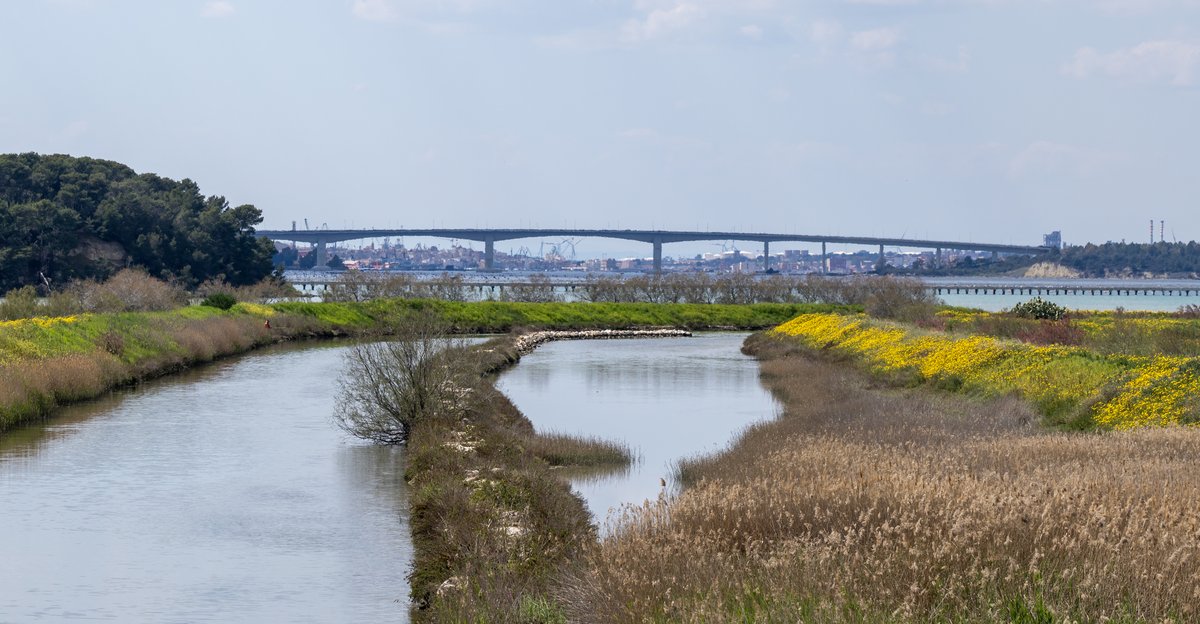 The Punta Penna-Pizzone Bridge is one of Taranto's modern symbols, an infrastructure that links the peninsula of the Old Town with the mainland, offering a unique perspective on the city. Built to improve traffic flow, it now serves as a privileged observation point over the Mar Piccolo and the Mar Grande, two basins that define the Taranto landscape. Walking or cycling across it, you can admire the panorama stretching from the historic center, with its Aragonese Castle, to the industrial areas that tell the story of the city's economic evolution. The structure, approximately 200 meters long, is particularly striking at sunset, when the sun's reflections on the water create unforgettable light displays. For visitors to Taranto, a stroll on the bridge is an experience that combines the practical aspect of movement with the emotional connection to the sea. It's also an ideal starting point for exploring the nearby Punta Penna beaches, where the crystal-clear water invites a refreshing stop. Beyond its function, the bridge has become a meeting place for locals, who gather here for a morning run or an evening outdoors. Its strategic location makes it perfect for capturing breathtaking photos, especially under Puglia's clear skies. Benches along the path provide spots to pause and enjoy the view in complete relaxation. Whether you're passionate about engineering or simply love coastal landscapes, this bridge will offer authentic moments away from the usual tourist spots.
Alfredo Majorano Ethnographic Museum
- Go to the page: Majorano Museum Taranto: Traditional Costumes and Tools of Lost Crafts
- Vico Civico, Taranto (TA)
- https://www.museoetnograficomajorano.it/
- Open in Google Maps
- View on Google Images
- +39 333 3716581
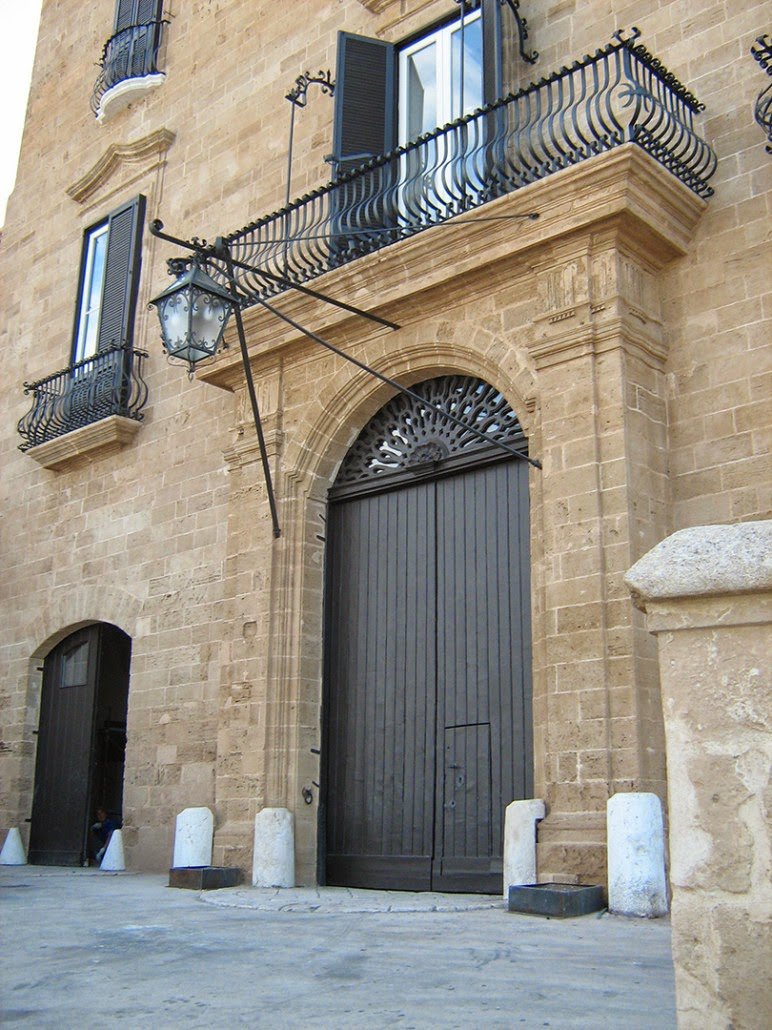 If you truly want to understand the soul of Taranto, the Alfredo Majorano Ethnographic Museum is an essential stop. Located in the heart of the old town, within the eighteenth-century Palazzo Pantaleo, this museum transports you directly into the daily life of Taranto's residents between the nineteenth and twentieth centuries. You won't find the usual dusty display cases, but meticulously reconstructed environments: the shoemaker's workshop with all its original tools, the peasant kitchen with the hearth lit, the bedroom with the wedding trousseau. The collection of Alfredo Majorano, a local scholar who dedicated his life to ethnographic research, is extraordinary in its completeness. The traditional costumes of the Taranto Carnival stand out, along with apotropaic masks and tools for fish processing, testifying to the visceral connection with the sea. Particularly evocative is the section dedicated to the tarantella and the phenomenon of tarantism, with period photographs documenting healing rituals. The museum often organizes educational workshops on traditional weaving and demonstrations of ancient crafts. Admission is free, but it's advisable to check the opening hours as they may vary. Perfect for a one-hour visit, it will give you an authentic glimpse into Apulian folk culture.
Mudi Diocesan Museum of Taranto
- Go to the page: MUDI Taranto: Byzantine Gold and Medieval Relics in the Heart of the Ancient Village
- Vico Seminario I 2, Taranto (TA)
- http://www.museodiocesanotaranto.it
- Open in Google Maps
- View on Google Images
 If you think Taranto is just about sea and archaeology, the Mudi Diocesan Museum will surprise you. Housed in the former archbishop's seminary next to the Cathedral, this museum tells the religious history of the city through a journey spanning from the Middle Ages to the 19th century. The permanent collection includes sacred vestments, silverware, and paintings of great value, featuring works by local artists who shaped Apulian art. Don't miss the section dedicated to illuminated manuscripts and antiphonaries, precious testimonies of ancient liturgy. The museum is organized across multiple levels, with thematic rooms guiding visitors through centuries of devotion. Its location in the heart of the old town makes it a must-visit for those wanting to understand the most authentic soul of Taranto. The setup is modern and accessible, with clear explanatory panels that contextualize each artifact. For visitors interested in sacred art, Mudi offers a unique glimpse into the diocesan heritage, away from the beaten path yet essential for appreciating the city's cultural complexity.
Clock Tower
- Strada Garibaldi, Taranto (TA)
- Open in Google Maps
- View on Google Images
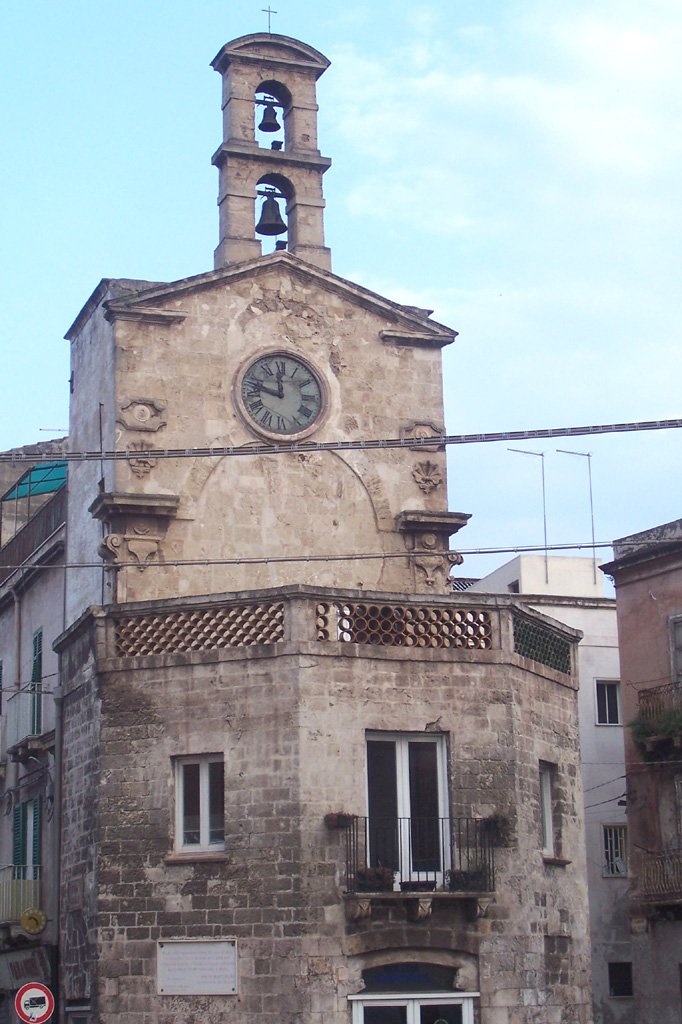 The Clock Tower stands majestically at the entrance to the swing bridge, a mandatory passage point between the old town and the new town. Built in 1865 based on a design by engineer Achille Larducci, this 27-meter-high civic tower represents one of Taranto's most recognizable symbols. Its strategic position makes it a perfect observation point over the Mar Piccolo and the Mar Grande, offering a privileged view of the historic bridge connecting the two parts of the city.
The structure, made of local limestone, features a still-functioning mechanical clock that has marked time for the people of Taranto for over a century and a half. The tower has recently been restored to preserve its structural integrity and enhance its historical importance. By climbing the internal steps, visitors can admire the complex clock mechanism up close and enjoy a unique panorama of the old town with its characteristic alleys.
The tower serves as an ideal starting point for exploring the Borgo Antico, Taranto's oldest neighborhood that retains the charm of its long history intact. Its proximity to the Aragonese Castle and Cathedral of San Cataldo makes it a fundamental stop in any city tour itinerary. In the evening, when illuminated, it creates a particularly evocative atmosphere that invites visitors to pause and contemplate the urban landscape.