Vettorazzi Castle Ruins: 13th-Century Medieval Fortress with Panoramic Views

The Vettorazzi Castle Ruins are remnants of a 13th-century fortification situated on a panoramic hill in the Treviso countryside. Access is free and unstructured, ideal for a brief excursion away from mass tourism.

  • Medieval remains from the 12th-13th centuries with perimeter walls and foundations
  • Panoramic hilltop location overlooking the Treviso countryside
  • Free and open access without reservation
  • Suggestive and romantic atmosphere with spontaneous vegetation


Events nearby


Copertina itinerario Vettorazzi Castle Ruins: 13th-Century Medieval Fortress with Panoramic Views
13th-century medieval ruins with visible perimeter walls and foundations, free access on a panoramic hill in the Treviso countryside near Castelfranco Veneto.

Good to know


Introduction

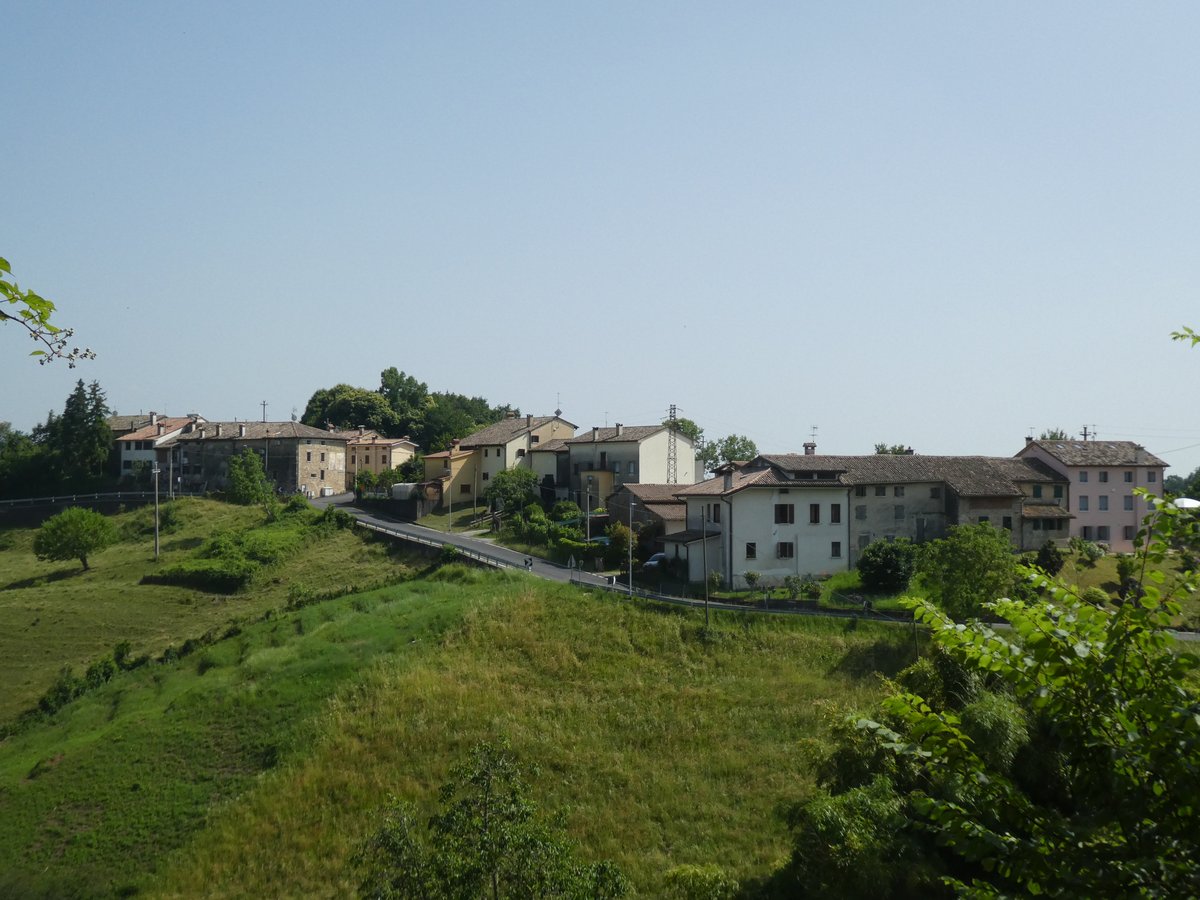
The Ruins of Vettorazzi Castle emerge as a footprint of the past in the heart of the Treviso countryside, just a few kilometers from Castelfranco Veneto. This site, nestled among gentle hills and rows of vines, retains a discreet and authentic charm, far from tourist crowds. Its stone walls, partially covered in ivy, tell centuries of history in a silence that invites contemplation. Visiting means discovering a corner of Treviso where time seems to have stood still, ideal for those seeking places off the beaten path. The panoramic view over the plains and the Prealps completes an experience that uniquely blends history and nature.

Historical Overview

The Vettorazzi Castle dates back to the 13th century, originally built as a fortification by the da Camino family, a powerful Guelph dynasty that ruled the Treviso region. In the 15th century, it came under the control of the Serenissima Republic of Venice, which used it as a military outpost. By the 18th century, with the decline of defensive structures, the castle was gradually abandoned, allowing nature to reclaim the space. Today, sections of the perimeter walls, a truncated tower, and traces of the interior rooms remain visible during a short hike along the trails surrounding the hill.

  • 13th century: Construction by the da Camino family
  • 15th century: Venetian control
  • 18th century: Abandonment and decay

Architecture and Landscape

The ruins unfold across a panoramic hill that overlooks the surrounding countryside, with views stretching all the way to the Belluno Prealps. The structure, built from local stone, still reveals traces of its original layout: you can discern the foundations of the towers, sections of the curtain walls, and the area once occupied by the keep. Access is via an unpaved trail, easily walkable, that winds through oaks and hornbeams. Wild vegetation, with ivy and brambles, envelops the stones, creating a striking contrast between human craftsmanship and the power of nature. The site has no ticket office or services, preserving a rustic and authentic atmosphere.

Visiting Experience

The visit to the ruins is a free and unguided experience, perfect for those who love independent exploration. We recommend following the trail around the hill, observing the castle remains from different angles and noticing architectural details like arrow slits and tower foundations. This spot is ideal for a contemplative break: bringing a blanket to sit on the grass and enjoy the view is well worth it. Photography at sunset offers unforgettable shots, with the warm light highlighting the stone textures. Be cautious of slippery sections after rain and respect the site: do not climb on the fragile walls.

Why Visit

Three concrete reasons to include the Vettorazzi Ruins in your itinerary: free access with no reservation required, perfect for a spontaneous visit; the isolated location ensures tranquility, away from the crowds; pairing with local food and wine routes, such as the Prosecco Road wineries, allows you to combine culture and taste in a single day.

When to Go

The best time to visit is in the late afternoon hours, when the slanting light enhances the shapes of the ruins and creates evocative atmospheres. Avoid rainy days due to the slippery trail surface. In spring and autumn, the surrounding countryside is at its peak splendor, with vibrant colors contrasting against the grey stone.

In the Surroundings

Complete your experience with a visit to Castelfranco Veneto, a walled city with the Duomo housing works by Giorgione. Just minutes away, the Prosecco Road offers tastings in historic wineries, nestled among UNESCO World Heritage vineyards.

Itineraries nearby


💡 Did You Know…?

According to local historical research, the castle was likely the residence of the Vettorazzi family, minor rural nobility linked to the events of the Treviso March. It is said that during the Hungarian invasions of the 10th century, the hill on which it stands was used as a lookout point. In subsequent centuries, the structure decayed and the stones were partly reused to build farmhouses in the surrounding area, a common practice in Veneto rural construction. Today, among the brambles and remains, traces of ancient pointed-arch windows and tower bases can still be glimpsed, silent witnesses to a feudal past.