Castle of the Bishops of Luni: Medieval Ruin with Views over the Magra Valley

The Castle of the Bishops of Luni in Molino del Piano is an authentic 12th-century medieval ruin, built as a defensive fortress for the bishop-counts of Luni. Freely accessible without set opening hours, it offers an intimate experience away from mass tourism.

• Main tower and perimeter walls in local grey-blue stone
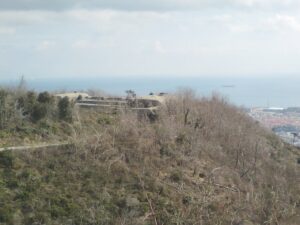
• 360-degree panoramic view of the Magra Valley and Apuan Alps
• Free access without tickets, bars, or mandatory routes
• Strategic location for controlling traffic along the Magra River

Copertina itinerario Castle of the Bishops of Luni: Medieval Ruin with Views over the Magra Valley
12th-century medieval ruin in Molino del Piano, freely accessible with a tower and walls made of local stone. Panoramic views of the Magra Valley and Apuan Alps, away from the crowds.

Good to know


Introduction

If you’re looking for a corner of Liguria off the radar of mass tourism, the Castello dei Vescovi di Luni at Molino del Piano is one of those discoveries that stays with you. Don’t expect a perfectly restored manor with crowds of visitors: here you’ll find an authentic ruin, wrapped in an almost sacred silence, overlooking the Magra valley with a discreet yet powerful presence. As you approach, the road narrows between olive trees, and when it emerges from the vegetation, with its dark stone walls worn by time, you immediately understand this isn’t a postcard-perfect spot. It’s more of an intimate experience for those who want to breathe in history unfiltered. I found it almost by chance, following a local’s recommendation, and fell in love with its dignified air of abandonment. If you love places that tell stories through stones rather than information panels, you’re in the right place.

Historical Notes

The history of this castle is closely intertwined with that of the ancient city of Luni, an important Roman center and later a bishopric seat. Likely built in the 12th century, it served as a defensive fortress and summer residence for the bishops of Luni, who from here controlled traffic along the Magra River and protected their territories. It was not a permanently inhabited castle, but a strategic outpost, which explains its modest size and essential structure. Over time, with the decline of the diocese and earthquakes, it fell into ruin, becoming the evocative ruin we see today. What strikes you is how, despite its condition, it maintains an aura of authority: the walls, even if partially collapsed, tell centuries of ecclesiastical power and local struggles. An interesting note: some documents also call it “Castle of Vezzano” due to its proximity to that settlement, but the connection with the bishops of Luni is what gives it its identity.

  • 12th century: probable construction as a bishop’s fortress
  • Middle Ages: used as a summer residence and control point over the Magra Valley
  • Post-Renaissance decline: gradual abandonment after the transfer of the bishop’s seat
  • Today: preserved ruin, freely visitable

Architecture That Speaks

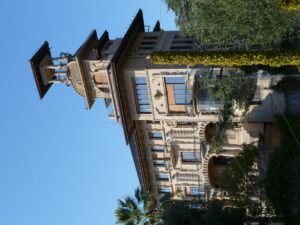
What you see today is primarily the main tower and parts of the perimeter walls, built from the grey-blue local stone typical of Liguria. There are no interiors to visit, but the exterior is an open book of medieval techniques: looking closely, you can spot the narrow arrow slits for archers, the remains of stone staircases, and the elevated position that provided a 360-degree view over the valley. The tower, even though truncated, has a particular charm: climbing onto its remains (carefully, as the ground is uneven), you understand why the bishops chose it as an observation point. What struck me most is the feeling of solidity: despite centuries and neglect, the stone endures, and the walls still seem to protect something. This is not a place for those seeking refined decorations, but for those who appreciate the essential nature of medieval military architecture. Bring a camera: the light contrasts on the stones, especially at sunset, offer memorable shots.

Silence as the Main Character

Visiting the Castle of the Bishops of Luni is above all an experience of peace. Unlike more famous sites, here there are no tickets, bars, or mandatory routes: you are free to explore at your leisure, sit on a wall to admire the view, or simply listen to the wind through the stones. The background noise is that of the Ligurian countryside: the rustle of olive trees, birdsong, sometimes the distant ringing of a church bell. I went on a weekday and was completely alone, and this solitude made the visit even more special. It’s an ideal place for a restorative break, to read a book in the shadow of the walls, or to reflect on history without distractions. However, be aware: there are no facilities or lighting, so it should be planned as a short but intense stop. If you’re looking for a place to unplug and connect with the past in an authentic way, this ruined castle is perfect for you.

Why Visit It

Three concrete reasons to add it to your itinerary. First: it’s free and open all hours, perfect for a spontaneous stop during a tour of the area. Second: it offers a unique view over the Magra Valley and the Apuan Alps in the background, a panorama few know about. Third: it’s a rare example of medieval episcopal architecture in Liguria, well-preserved in its ruinous state, allowing you to touch history directly. Plus, its secluded location makes it ideal for those seeking tranquility away from the crowds.

When to Go

The best time? Late afternoon in autumn or spring, when the light is warm and low, highlighting the stone textures. Summer can be very hot, and winter winds can be biting. I visited in October, with the first leaves starting to fall, and the atmosphere was magical: the low sun cast long shadows on the walls, and the cool air made the walk pleasant. Avoid rainy days, as the dirt path can become slippery.

In the Surroundings

To enrich your day, combine your castle visit with two nearby experiences. First stop: the Luni Archaeological Area, just a few minutes’ drive away, where you can see the remains of the ancient Roman city and its amphitheatre, putting the castle’s history into context. Second idea: a stop in Sarzana, a lively medieval village with excellent shops selling local products and an authentic atmosphere, perfect for lunch or a snack. Both places complete the historical and cultural picture of the area.

Itineraries nearby


💡 Did You Know…?

An ultra-realistic feature that makes the visit unique is the panoramic view from the tower. On the clearest days, the gaze spans not only the green surrounding hills of Molino del Piano but can also glimpse, in the distance, a stretch of the Ligurian Sea and the profile of the Apuan Alps. This detail, often highlighted by more attentive travelers, reminds you of the strategic importance this observation point had in the Middle Ages. Additionally, walking through the village adjacent to the castle, you will notice how rural architecture has integrated perfectly with medieval structures, creating a continuous and harmonious human landscape that few tourist places can still offer.