Ready to uncover the secrets of Bergamo's castles? This 2-day itinerary takes you on a journey back in time through medieval fortresses and Visconti strongholds, from Cavernago to Pagazzano. A perfect route for a weekend steeped in history and military architecture, among mighty walls, moats, and towers that tell tales of centuries of battles and dominations. Malpaga Castle, Urgnano Fortress, and Pagazzano Castle are just some of the stops awaiting you in this land rich with historical evidence. Ideal for those seeking a cultural experience off the beaten tourist path, this Bergamo province castles itinerary will gift you authentic emotions and unforgettable glimpses.
🗺️ Your trip at a glance
A weekend dedicated to discovering the castles and Visconti fortresses of the Bergamo plain, from Cavernago to Pagazzano. This 2-day itinerary combines history, military architecture, and authentic glimpses away from the busiest tourist circuits.
- Ideal for those seeking a cultural experience off the beaten path, enthusiasts of medieval history and military architecture.
- Highlights: 6 stops among castles and fortresses, interactive maps for each site, focus on Bartolomeo Colleoni and Visconti dominations.
- Perfect for travelers who wish to visit well-preserved fortresses, admire Renaissance frescoes, and enjoy unique panoramas from the top of the towers.
Itinerary stops
Day 1 - Stop no. 1
Cavernago Castle
 Cavernago Castle opens our itinerary of Bergamo's Castles with a structure that combines defensive and residential functions. Built in the 15th century at the behest of Bartolomeo Colleoni, the celebrated military commander of the Republic of Venice, the castle features a quadrangular layout with corner towers and an internal porticoed courtyard. The main facade, along Via Bartolomeo Colleoni, preserves original elements such as the bifora windows and the family coat of arms. Inside, visitors can admire Renaissance frescoes and rooms with coffered ceilings, while the surrounding park offers views over the Bergamo plain. The guided tour includes details about Colleoni's life and the strategic role of the fortress in controlling the territory. It is a well-preserved example of military architecture adapted into a noble residence, ideal for understanding the evolution of castles in Lombardy.
- Go to the page: Cavernago Castle: Renaissance Fortress Inhabited by Martinengo Descendants
- via Bartolomeo Colleoni, Cavernago (BG)
- Open in Google Maps
- View on Google Images

You should go if...
Day 1 - Stop no. 2
Malpaga Castle
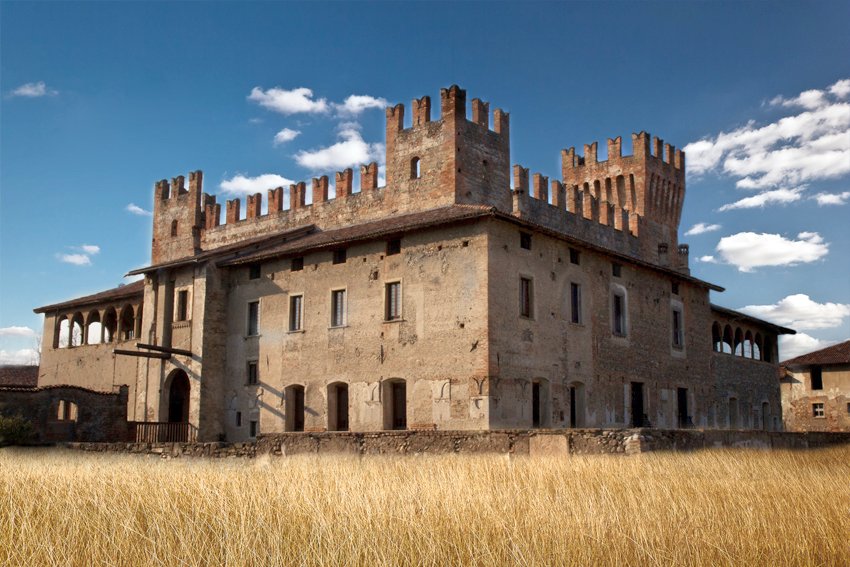 Malpaga Castle stands as one of the most fascinating testimonies of Lombard Renaissance, inextricably linked to the figure of Bartolomeo Colleoni, the renowned Bergamasque condottiero. Purchased in 1456, Colleoni transformed this medieval fortress into a noble residence, enriching it with fresco cycles celebrating his military exploits and court life. Today, the castle preserves its main rooms intact, including the Banquet Hall with painted walls narrating the visit of King Christian I of Denmark in 1474. The internal gardens, maintained according to the original Renaissance layout, offer an intimate atmosphere, while guided tours reveal anecdotes about the condottiero's life and the defensive techniques of the era. For those exploring the itinerary of Bergamo's Castles, Malpaga is an essential stop to understand the transition from military fortresses to representative residences.
- Via Guglielmo Marconi, Malpaga (BG)
- http://www.castellomalpaga.it/
- Open in Google Maps
- View on Google Images
You should go if...
Day 1 - Stop no. 3
Visconti Fortress of Urgnano
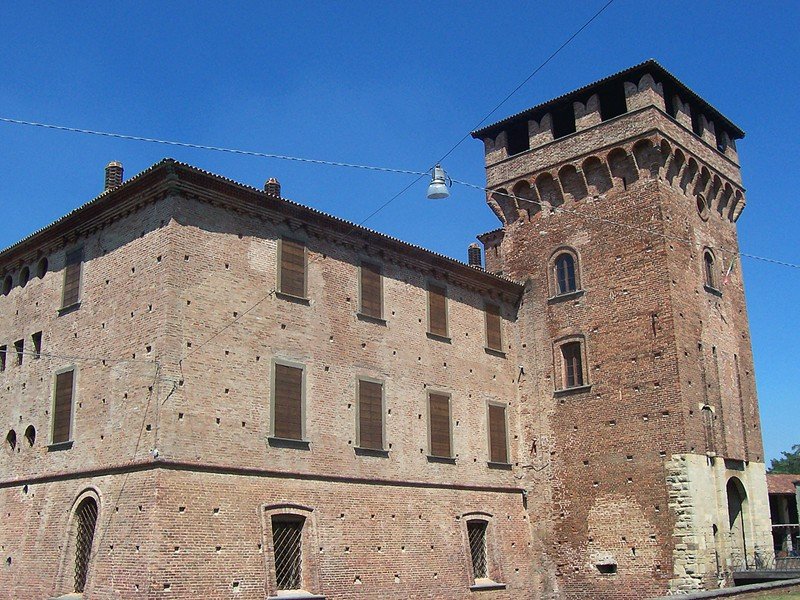 After leaving Malpaga Castle, the Visconti Fortress of Urgnano stands as an exceptional example of 14th-century military architecture. Built by the Visconti family of Milan between 1354 and 1365, this quadrangular fortress retains its original crenellated walls and four corner towers. Access is via a drawbridge leading to the inner courtyard, where the quarters once housing the garrison are located. The fortress has been recently restored and now hosts temporary exhibitions and cultural events. Climbing the towers offers a panoramic view of the surrounding countryside and Urgnano's historic center. For those exploring the Castles of Bergamo itinerary, this stop provides an authentic glimpse into Visconti defensive strategies in the Lombard plain.
- Via Rocca, Urgnano (BG)
- Open in Google Maps
- View on Google Images
You should go if...
Day 2 - Stop no. 1
Pagazzano Castle
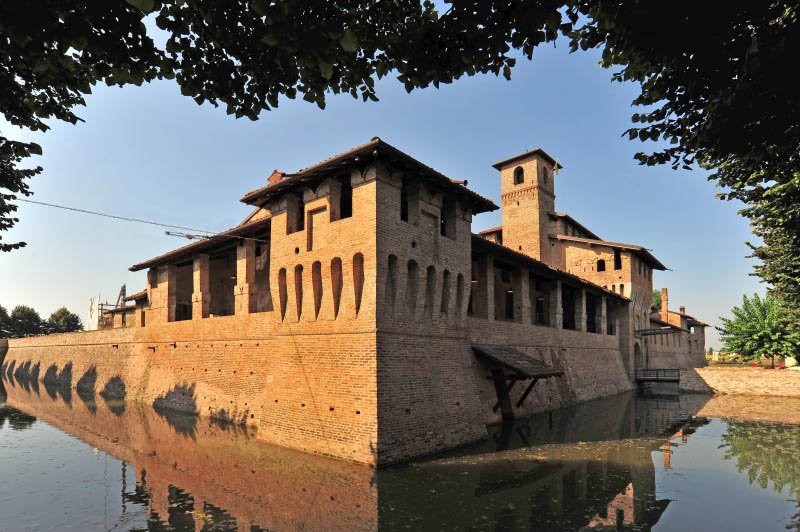 The second day of the Bergamo Castles itinerary begins with Pagazzano Castle, located in the municipality of the same name in Lower Bergamo. This 14th-century manor, built by the Visconti family between 1385 and 1390, represents one of the best-preserved examples of Lombard military architecture. The structure is characterized by its quadrangular layout with corner towers and the still-water-filled moat, a rare feature among castles in the area. Inside, you'll find the porticoed courtyard and rooms once used by the garrison, while the noble halls retain traces of original frescoes. Recently restored, the castle hosts temporary exhibitions and cultural events that highlight its centuries-old history. From the top of the towers, you can enjoy a unique panorama of the surrounding countryside and Pagazzano's historic center.
- Piazza Castello, Pagazzano (BG)
- Open in Google Maps
- View on Google Images
You should go if...
Day 2 - Stop no. 2
Visconti Fortress of Romano
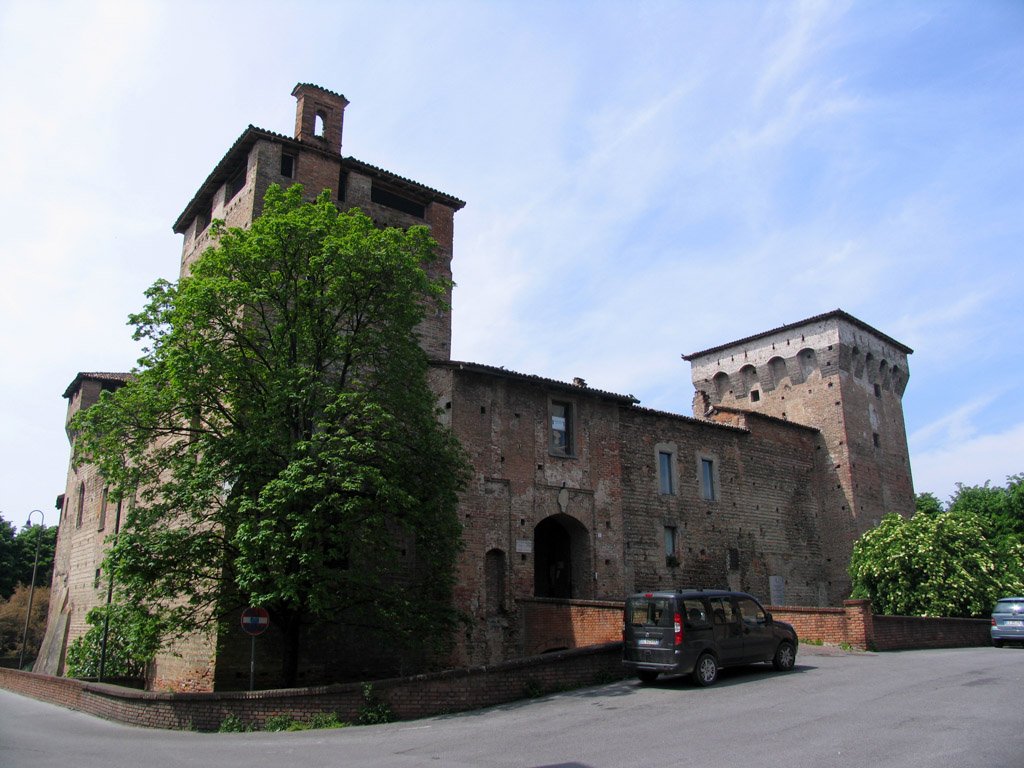 The Visconti Fortress of Romano di Lombardia stands imposingly on Via Don Rinaldo Rossi, representing one of the best-preserved examples of Visconti military architecture in the Bergamo area. Built in the 14th century, this fortress still displays its massive corner towers and original moat, elements that highlight its strategic defensive function. Inside, the courtyards and halls reveal 15th-century frescoes and authentic structures, offering a journey through time across the dominations that shaped the region. The fortress also houses the Fortress Museum, with local artifacts and temporary exhibitions that delve into the territory's history. Climbing the towers provides a unique panoramic view of the Bergamo plain, perfect for understanding this site's military importance. It's an ideal place for those seeking a tangible historical experience, away from tourist crowds.
- Via Don Rinaldo Rossi, Romano di Lombardia (BG)
- Open in Google Maps
- View on Google Images
You should go if...
Day 2 - Stop no. 3
Marne Castle
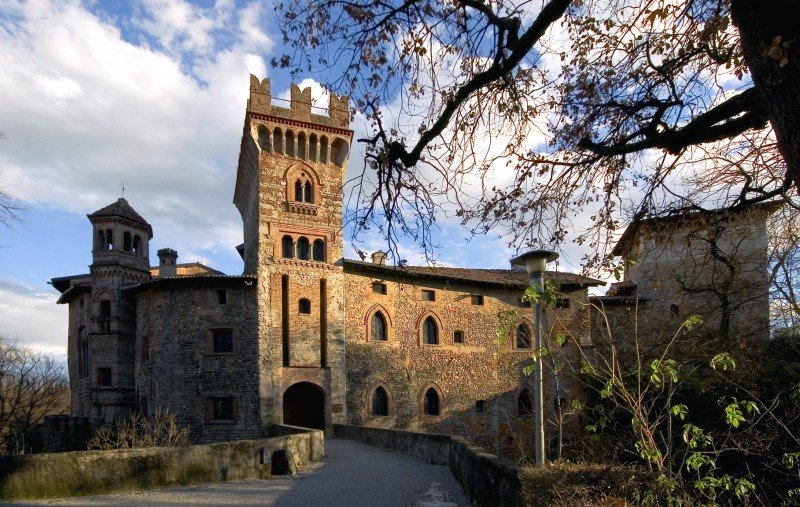 Located on Via Bartolomeo Colleoni, Marne Castle represents a perfect synthesis of defensive architecture and noble residence. Built in the 15th century at the behest of Bartolomeo Colleoni, this fortress preserves its original quadrangular structure with corner towers intact, yet distinguishes itself through Renaissance elements that soften its military appearance. Inside, the frescoed halls and collections of antique weapons bear witness to the castle's dual role as both fortress and center of power. Particularly noteworthy is the private chapel with its original decorations, offering a glimpse into daily life of the period. The inner courtyard, with its central well, creates an intimate atmosphere that invites exploration. For those completing the itinerary of Castles of Bergamo, this site provides a different perspective compared to the purely military strongholds visited previously.
- Via Bartolomeo Colleoni, Marne (BG)
- Open in Google Maps
- View on Google Images
You should go if...