
If you're looking for a Rieti historic center medieval churches itinerary that lets you discover the city's medieval essence in just one day, this route is made for you. Starting from the Sanctuary of Fontecolombo, where St. Francis wrote the Rule, you'll cross the ancient heart of Rieti through cobblestone alleys and quiet squares, all the way to the majestic Basilica of Sant'Agostino. A journey through time between spirituality and architecture, perfect for those who love history without sacrificing practicality. I'll guide you step by step through these hidden gems, with tips on opening hours and panoramic viewpoints not to be missed.
🗺️ Your trip at a glance
This itinerary guides you through the main medieval places of worship in Rieti's historic center, on a walking route that combines spirituality, art, and history. From the Sanctuary of Fontecolombo, where Saint Francis wrote the Rule, to the majestic Basilica of Sant'Agostino, each stop reveals centuries of history and faith in an authentic and uncrowded setting.
- Ideal for travelers interested in medieval history, sacred art, and Franciscan spirituality, seeking a cultural experience off the beaten tourist paths.
- Highlights: 12 stops with an interactive map, 14th-century frescoes, Gothic architecture, and sites linked to Saint Francis, in an authentic historic center.
- Perfect for a day trip, on foot, with a linear route that includes sanctuaries, churches, an arch, and a gate from the medieval walls.
Itinerary stops
Stop no. 1
Fontecolombo Sanctuary
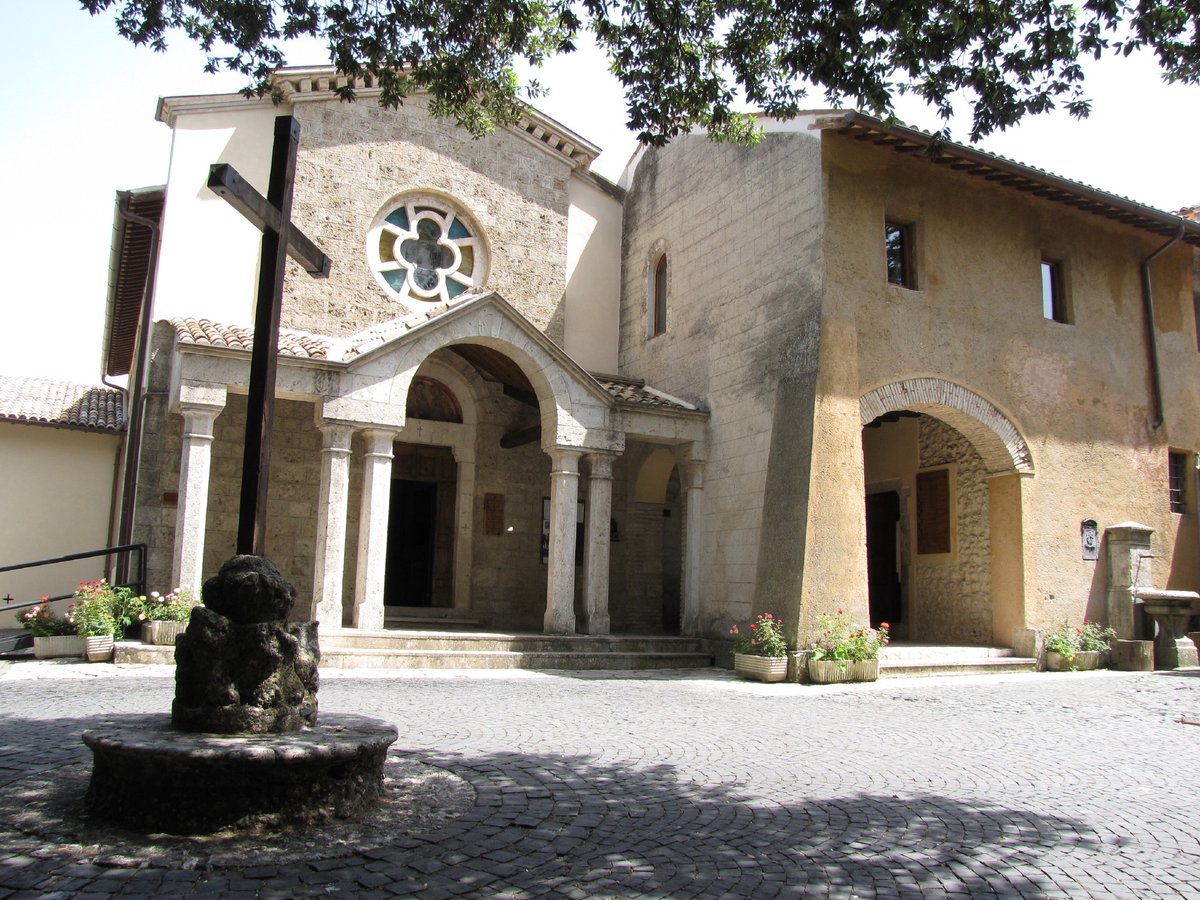 Starting the Medieval Rieti in One Day itinerary from Fontecolombo Sanctuary means immediately immersing yourself in the spiritual atmosphere that characterizes this land. Located along Via Fonte Colombo, this Franciscan complex stands where, according to tradition, Saint Francis of Assisi drafted the definitive Rule of his Order in 1223. The sanctuary develops around the natural grotto that served as a refuge for the saint, now transformed into a chapel. The structure preserves the austere character of early Franciscan settlements intact, with stone buildings that blend perfectly into the wooded landscape of the Reatini Mountains. Inside, the fourteenth-century frescoes depicting episodes from the life of the Poor Man stand out, while the Renaissance cloister offers a moment of contemplation. Visiting this place is not just a religious experience but a journey through time, allowing you to understand the roots of Franciscanism in the Reatino territory.
- Go to the page: Fontecolombo Sanctuary: Franciscan hermitage where Saint Francis wrote the Rule
- Via Fonte Colombo, Rieti (RI)
- Open in Google Maps
- View on Google Images

You should go if...
Stop no. 2
Franciscan Sanctuary of Santa Maria della Foresta
 Leaving the Sanctuary of Fontecolombo behind, the medieval route continues towards the Franciscan Sanctuary of Santa Maria della Foresta, located on Via Foresta. This place of worship, immersed in an intimate atmosphere, is renowned for being the refuge where Saint Francis of Assisi composed the Canticle of the Creatures in 1225. The structure, characterized by simple Franciscan architecture, preserves authentic traces of the saint's presence, including a small chapel and an oratory. Inside, visitors can admire fourteenth-century frescoes depicting episodes from the life of the Poor Man of Assisi, while the adjacent cloister invites contemplation. The tranquility of the place, far from urban chaos, makes this stop a moment of deep spiritual reflection, ideal for those seeking direct contact with the Franciscan history of Rieti.
- Go to the page: Santa Maria della Foresta Sanctuary: Where Saint Francis Received the Stigmata in 1224
- Via Foresta, Rieti (RI)
- Open in Google Maps
- View on Google Images
You should go if...
Stop no. 3
Basilica of Saint Augustine
 Concluding the medieval route of Rieti, you reach the Basilica of Saint Augustine on Via Nuova, an architectural gem that dominates the historic center with its imposing stone facade. Built in the 13th century at the behest of the Augustinians, the church features an essential Gothic structure, enriched by a central rose window and a splayed portal that leads inside. Here, valuable works of art are preserved, including 14th-century frescoes attributed to the Umbrian-Marchigian school and a Baroque organ from the 18th century, still functional. The single nave, with cross vaults, creates an intimate atmosphere, while the side chapels house Renaissance altarpieces. The central location of the basilica, near Piazza San Francesco, makes it a reference point for understanding the religious and artistic evolution of Rieti in the Middle Ages.
- Go to the page: Basilica of Sant'Agostino Rieti: 14th-century frescoes and Vignola's cloister
- Via Nuova, Rieti (RI)
- Open in Google Maps
- View on Google Images
You should go if...
Stop no. 4
San Domenico Church
 Not far from the Basilica of Sant'Agostino, San Domenico Church overlooks Piazza Beata Colomba with its austere medieval elegance. Founded in the 13th century by the Dominican Order, the building preserves a sober Gothic structure, characterized by an ogival portal and single-lancet windows that filter evocative light into the interior. Here you can admire the funerary monument of Giovanni Tomacelli, nephew of Pope Boniface IX, carved in marble with Renaissance details. The side walls host fragments of 14th-century frescoes depicting Dominican saints, while the apse houses a 15th-century wooden crucifix. The church, linked to the figure of Blessed Colomba da Rieti, offers an intimate and authentic atmosphere, away from the more beaten tourist paths.
- Piazza Beata Colomba, Rieti (RI)
- Open in Google Maps
- View on Google Images
You should go if...
Stop no. 5
Church of San Francesco
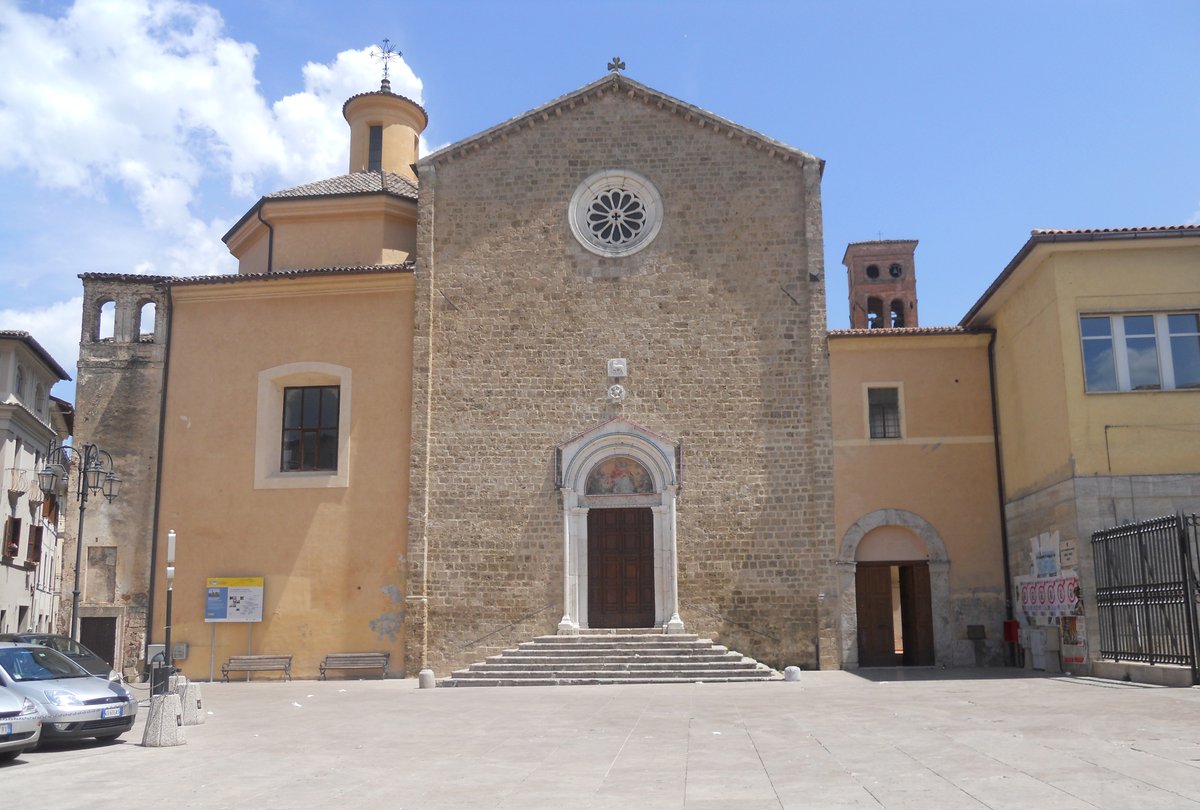 Leaving behind Dominican sobriety, the Church of San Francesco in Vicolo San Bernardino presents itself with its Romanesque facade of dressed stone, a testament to the 13th century. Inside, the single nave houses a cycle of 14th-century frescoes attributed to the Umbrian-Latial school, with scenes from the life of the Saint of Assisi unfolding along the walls. The Chapel of San Bernardino stands out, where the saint preached during his visits to Rieti, enriched with Renaissance decorations. The adjacent cloister, with its rounded arches and central well, offers a quiet corner perfect for contemplative pause. The church, historically linked to the Franciscan presence in the Holy Valley, still preserves its original medieval layout, with figurative capitals that narrate biblical episodes.
- Vicolo San Bernardino, Rieti (RI)
- Open in Google Maps
- View on Google Images
You should go if...
Stop no. 6
Church of San Rufo
 Walking along Via Capelletti, you'll reach the Church of San Rufo, a Romanesque jewel from the 12th century that stands on the exact spot considered the geographical center of Italy, as indicated by a plaque inside. The façade of dressed stone, sober and linear, conceals a single-nave interior with cross vaults and 15th-century frescoes depicting scenes from the life of San Rufo, the first bishop of Rieti. The apse conch stands out, decorated with a Christ Pantocrator surrounded by evangelical symbols, the work of local craftsmen influenced by the Umbrian school. The original terracotta floor and the columns with figurative capitals tell centuries of devotion. The church, linked to the city's Christian origins, still preserves the intimate atmosphere typical of medieval Rieti buildings, far from the main tourist flows.
- Via Capelletti, Rieti (RI)
- Open in Google Maps
- View on Google Images
You should go if...
Stop no. 7
Church of Santa Scolastica
 Leaving behind the sobriety of San Rufo, the Church of Santa Scolastica reveals itself as an unexpected treasure trove of art along Via Santa Scolastica. Founded in the 13th century as part of a Benedictine monastic complex, the structure preserves original architectural elements such as the ashlar stone facade with its pierced rose window. Inside, the single nave is dominated by 14th-century frescoes depicting episodes from the life of Saint Scholastica, sister of Saint Benedict, the work of local craftsmen influenced by Umbrian-Marchigian painting. The side chapel with its cross-vaulted ceiling stands out, where a pictorial cycle portrays Marian stories with still-vivid colors. The original terracotta floor and the columns with capitals decorated with vegetal motifs testify to the wealth of medieval patrons in Rieti. The church, less known compared to other sites, offers an atmosphere of authentic tranquility, away from the more beaten paths.
- Via Santa Scolastica, Rieti (RI)
- Open in Google Maps
- View on Google Images
You should go if...
Stop no. 8
Church of Saint Anthony Abbot
 Continuing the medieval route after Santa Scolastica, the Church of Saint Anthony Abbot emerges as an architectural surprise along Via Antonio Tancredi. Built in the 14th century at the behest of the farmers' confraternity, the structure features a facade of dressed stone with an ogival portal surmounted by a radial rose window. The single-nave interior preserves 15th-century frescoes dedicated to the stories of Saint Anthony Abbot, protector of domestic animals, created by Rieti workshops under Sienese influence. Notable is the pictorial cycle in the right chapel depicting the saint's temptations in the desert with meticulous details. The cross vaults and capitals carved with rustic symbols testify to the connection with medieval rural communities. The church, less frequented but rich in atmosphere, ideally completes the itinerary dedicated to medieval Rieti spirituality.
- Via Antonio Tancredi, Rieti (RI)
- Open in Google Maps
- View on Google Images
You should go if...
Stop no. 9
Oratory of Saint Peter Martyr
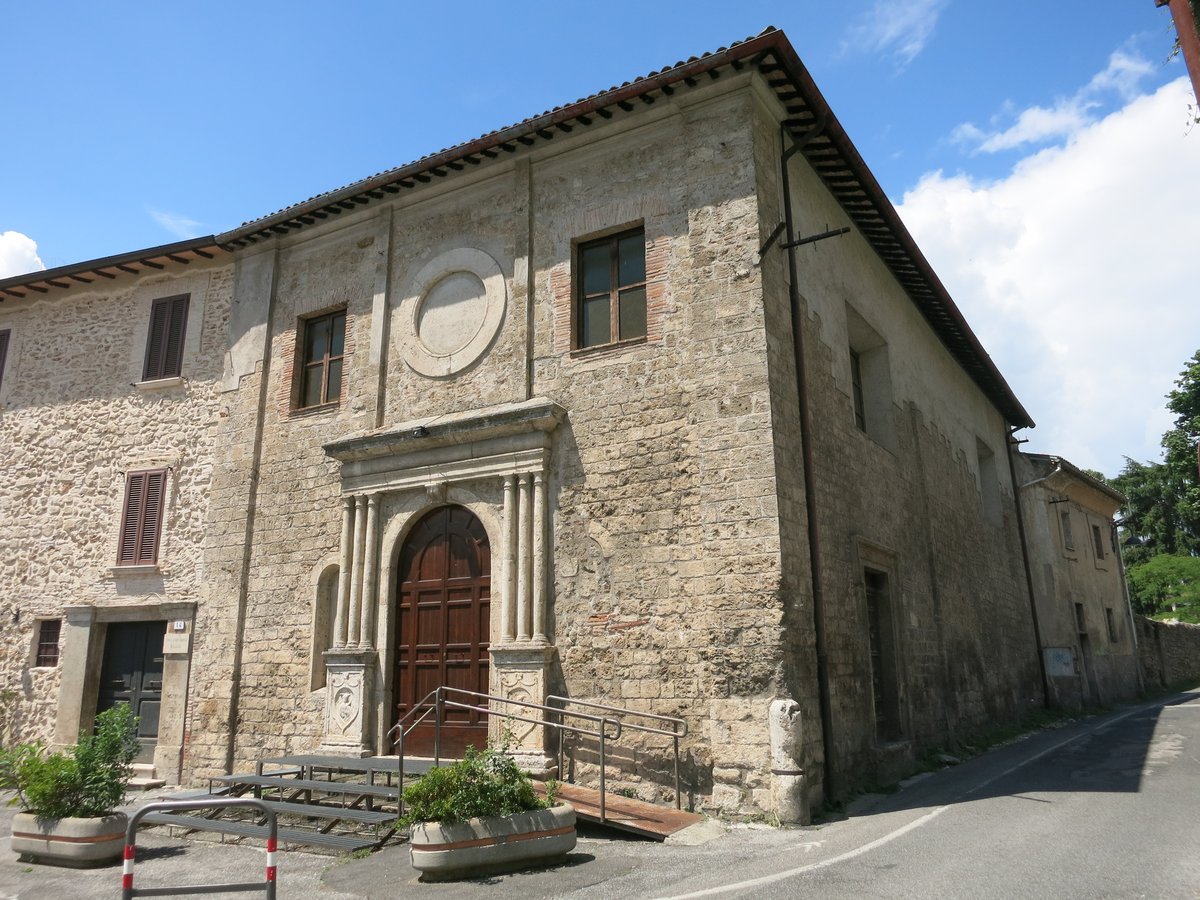 The Oratory of Saint Peter Martyr reveals itself as an architectural gem along Via Santa Lucia nuova, built in the 13th century for the Dominican confraternity. The structure features a Romanesque stone facade with a splayed portal and a small rose window, while the rectangular interior preserves 14th-century frescoes from the Umbrian-Latial school depicting episodes from the Dominican saint's life. Particularly noteworthy is the pictorial cycle on the right wall portraying the martyrdom of Saint Peter of Verona with expressive details and intense colors. The barrel vaults and splayed single-light windows create an intimate and devotional atmosphere, typical of medieval oratories. This lesser-known but spiritually rich place ideally completes the medieval Rieti itinerary with its Dominican essence.
- Via Santa Lucia nuova, Rieti (RI)
- Open in Google Maps
- View on Google Images
You should go if...
Stop no. 10
Arch of Boniface VIII
 The Arch of Boniface VIII stands along Via dell'Episcopio as an architectural testament to papal power in Rieti. Built in 1298 to commemorate the pope's visit, this pointed arch made of ashlar stone features heraldic coats of arms of the Caetani family and the papacy, symbols of temporal control over the city. The structure, approximately 6 meters high, served as a ceremonial entrance to the Bishop's Palace, with decorated archivolts and carved corbels echoing the Roman Gothic style. Observing the local stone used, one can see the marks of time and traces of 18th-century restorations. This monument, part of the medieval route, offers a glimpse into Rieti's historical stratification, ideally connecting the spiritual power of Saint Augustine with the civil authority represented by the arch.
- Via dell'Episcopio, Rieti (RI)
- Open in Google Maps
- View on Google Images
You should go if...
Stop no. 11
Porta Romana
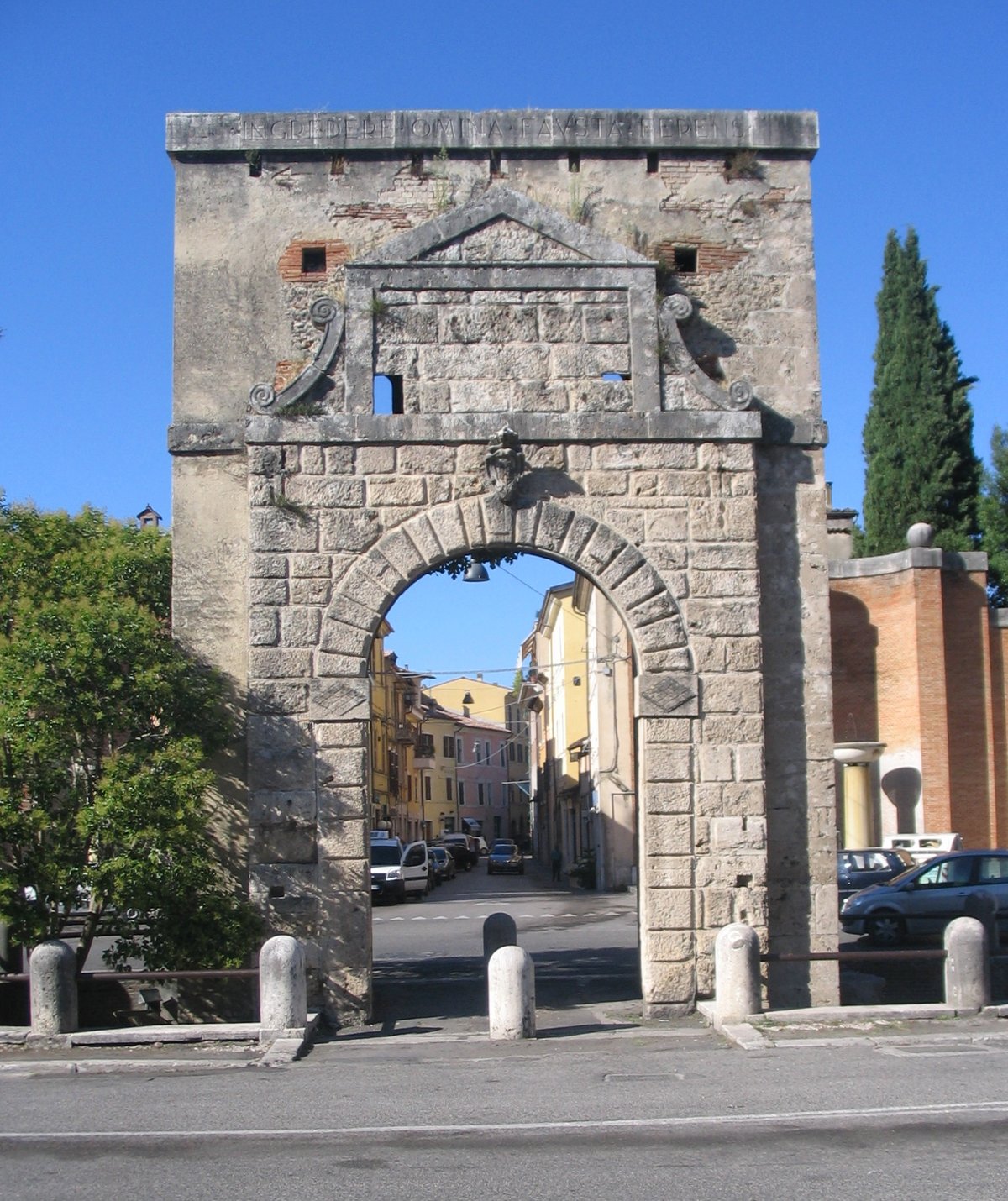 Arriving at Porta Romana in Piazza della Repubblica, you encounter the last surviving bastion of the 13th-century walls that once protected Rieti. This southern access point, built with local limestone and featuring a pointed arch, served as the main entrance for those arriving from Rome along the Via Salaria. The defensive arrow slits and traces of hinge sockets bear witness to its original military function, while its strategic position made it a key checkpoint for goods and travelers. Observing the structure, you can see the remains of the side towers and signs of subsequent Renaissance modifications that altered its appearance. As the ideal conclusion to the medieval route, Porta Romana offers a comprehensive overview of the city's defensive urban planning, conceptually linking the visited places of worship with the protective system that safeguarded them.
- Piazza della Repubblica, Rieti (RI)
- Open in Google Maps
- View on Google Images
You should go if...
Stop no. 12
Monument to the Lira
 After leaving Porta Romana and its medieval structure, the route moves towards Piazza Cavour where the Monument to the Lira stands, a contemporary installation celebrating the pre-euro Italian currency. Made of oxidized Corten steel, the sculpture reproduces a 500 lira coin from 1958, enlarged to monumental proportions. The choice of material is not accidental: the natural oxidation creates a reddish patina that evokes the passage of time, while its central position in the square makes it a visual landmark. Upon close observation, the details of the original minting are distinguishable, from the wheat ears to the profile of the Italian Republic. This monument, inaugurated in 2001, represents a bridge between past and present, ideally connecting the national economic history with the local identity of Rieti through a symbol recognizable to generations of Italians.
- Piazza Cavour, Rieti (RI)
- Open in Google Maps
- View on Google Images
You should go if...