Basilica of Sant’Agostino Rieti: 14th-century frescoes and Vignola’s cloister

Founded in 1252, the Basilica of Sant’Agostino offers an authentic experience in the heart of Rieti with medieval art and Renaissance architecture. The Gothic interiors house well-preserved 14th-century frescoes depicting scenes from the life of Saint Augustine, while the cloister attributed to Vignola creates an oasis of peace with elegant arches and an inner garden. The basilica is free to enter and rarely crowded, ideal for a tranquil visit.

  • 14th-century frescoes from the Umbrian-Marches school with narrative scenes from the Life of Saint Augustine
  • Renaissance cloister attributed to Jacopo Barozzi da Vignola with round arches and stone columns
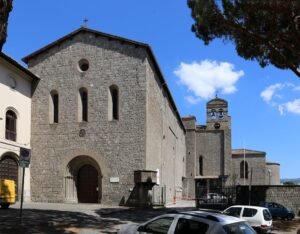
  • Cistercian Gothic architecture from the 13th century with an elegant facade and medieval interiors
  • Serene atmosphere and free admission, away from tourist crowds


Events nearby

Copertina itinerario Basilica of Sant'Agostino Rieti: 14th-century frescoes and Vignola's cloister
13th-century Gothic basilica in Rieti’s historic center with medieval frescoes from the Umbrian-Marches school and a Renaissance cloister attributed to Jacopo Barozzi da Vignola. Free admission and a serene atmosphere.

Good to know


Introduction

The Basilica of Sant’Agostino welcomes you in the heart of Rieti with its imposing Gothic facade that tells centuries of history. Upon entering, your gaze is captured by the 14th-century frescoes adorning the walls, creating an atmosphere of deep spirituality. The Renaissance cloister, attributed to Vignola, offers an oasis of peace with its elegant arches and inner garden. This place is not just a monument, but an experience that combines art, faith, and tranquility, perfect for those seeking an authentic corner away from tourist crowds. The basilica fits harmoniously into Rieti’s urban fabric, making the visit a plunge into the past without needing to leave the city center.

Historical Overview

The basilica was built in 1252 at the behest of the Augustinians, quickly becoming a religious and cultural landmark. In the 14th century, the interiors were enriched with fresco cycles, including notable works from the Umbrian-Marche school depicting scenes from the life of Saint Augustine. In the 16th century, architect Jacopo Barozzi da Vignola redesigned the cloister, giving it the Renaissance forms we still admire today. The church underwent restorations in the 18th and 19th centuries but has maintained its original character intact. Today it is a protected heritage site and an active place of worship, continuing to host events and celebrations.

  • 1252: Foundation of the basilica
  • 14th century: Creation of the 14th-century frescoes
  • 16th century: Construction of Vignola’s Renaissance cloister
  • Restorations in the 18th and 19th centuries

The Fourteenth-Century Frescoes

The frescoes of the Basilica of Sant’Agostino are among the most significant in the Rieti area, with narrative scenes unfolding along the naves. Particularly striking are the depictions of the Life of Saint Augustine, where vibrant colors and meticulous details tell stories of devotion and miracles. Also noteworthy are the fragments of frescoes in the side chapel, which show influences of Umbrian painting from that period. These works, although partially damaged by time, retain a unique expressive power, offering an authentic glimpse into medieval sacred art. The light filtering through the Gothic windows enhances the tones of the frescoes, creating chiaroscuro effects that make the visit particularly evocative.

The Vignola Cloister

The Renaissance cloister, attributed to Jacopo Barozzi da Vignola, is a masterpiece of elegance and harmony. With its rounded arches and stone columns, it creates an intimate and silent atmosphere, ideal for a moment of reflection. In the center, an ancient well and well-kept flowerbeds add a touch of natural beauty, while the porticoes host historical tombstones and coats of arms that narrate the life of the convent. This space, once the heart of the Augustinian community, is now accessible to visitors and often used for cultural events. Its symmetrical structure and the soft light that envelops it make it perfect for capturing memorable photographs or simply enjoying a moment of tranquility.

Why Visit It

Visit the Basilica of Sant’Agostino to admire the well-preserved 14th-century frescoes, which offer a rare example of medieval painting in Lazio. The Vignola Cloister, with its Renaissance architecture, is an ideal peaceful spot for a refreshing break. Additionally, the basilica is free to enter and rarely crowded, allowing you to explore its treasures at your own pace. These features make it an unmissable stop for art and history enthusiasts, as well as for those seeking an authentic spiritual experience.

When to Go

The best time to visit the basilica is in the early morning hours, when natural light illuminates the frescoes creating magical atmospheres. In autumn, the warm colors of the foliage in the cloister add a poetic touch, while in spring the inner garden blooms offering delicate scents. Avoid patron saint feast days to enjoy the tranquility of the place.

In the Surroundings

Just steps from the basilica, explore the Rieti Cathedral with its Romanesque crypt and the Diocesan Museum, which houses sacred art works. For an enogastronomic experience, stop at one of the trattorias in the center to taste Reatine cuisine, such as strangozzi with truffle or local cheeses. These places complete the visit with authentic culture and flavors.

Itineraries nearby


💡 Did You Know…?

In the right chapel, there’s a 14th-century fresco depicting Saint Augustine writing his works, with details still well-preserved despite the centuries. Local tradition recounts that Augustinian friars gathered here to study sacred texts, and that the cloister was a place of meditation and cultural meetings. During restoration work, traces of older paintings emerged beneath the plaster, evidence of this religious building’s long life.