Ara Pacis Mundi in Medea: A Modern Monument to Peace Overlooking the Collio Hills

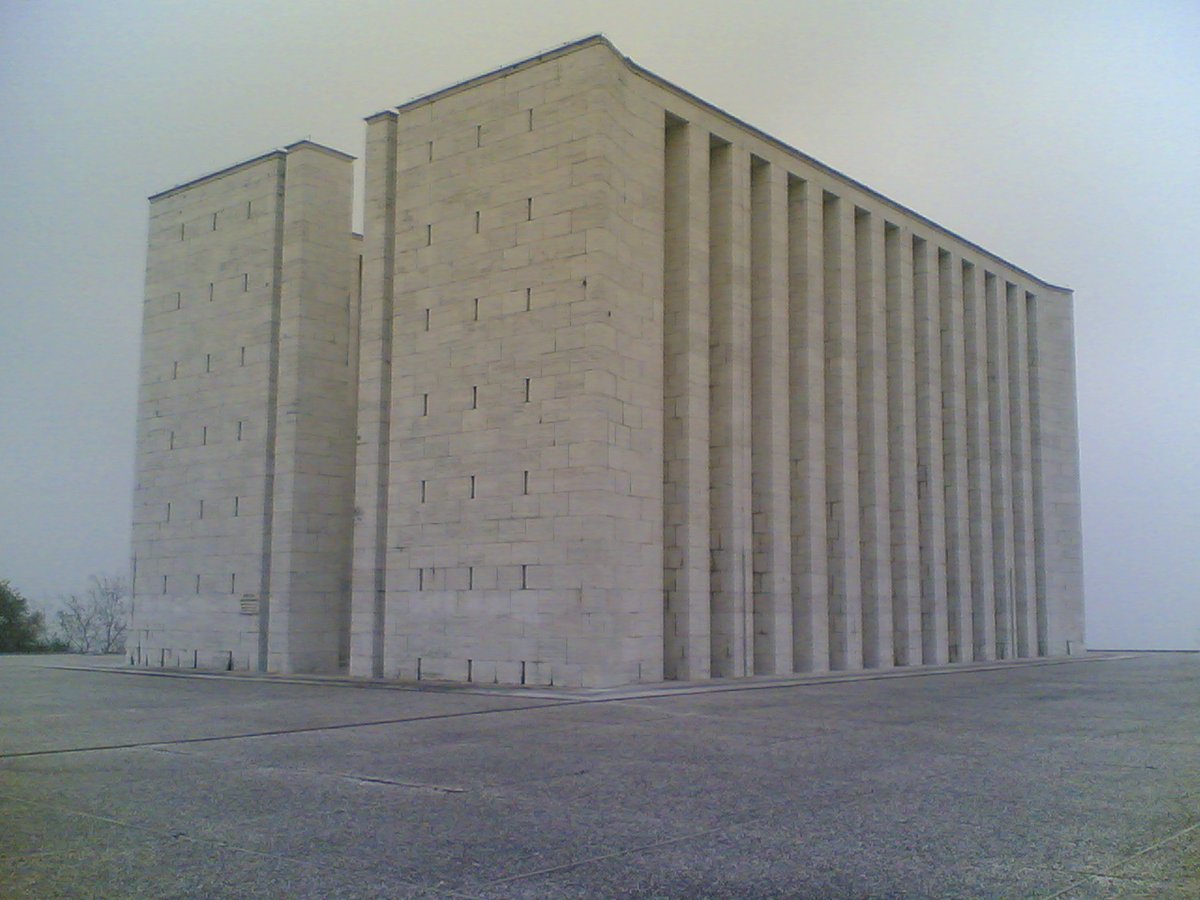
The Ara Pacis Mundi in Medea is a modern monument built between the late 1990s and 2001 by architect Marcello D’Olivo, located on a panoramic hill in the Gorizia Collio region. The perforated concrete structure with a glass case houses symbols of peace, creating an intimate atmosphere perfect for moments of reflection.

  • Circular structure with 12 columns representing the months of the year
  • Panoramic views of the Collio hills and vineyards, with vistas of the Julian Alps on clear days
  • Free access without tickets, featuring a short green pathway and stone benches
  • Ideal location to combine the visit with tastings at the Gorizia Collio wineries
Copertina itinerario Ara Pacis Mundi in Medea: A Modern Monument to Peace Overlooking the Collio Hills
Contemporary monument by Marcello D’Olivo dedicated to world peace, featuring a concrete and glass structure on a panoramic hill in the Gorizia Collio region. Free access, green pathway, and views of the Julian Alps.

Good to know


Introduction

The Ara Pacis Mundi in Medea is not just a monument; it’s an experience that catches you off guard. Nestled in the greenery of the Collio Goriziano, this place welcomes you with a silence rich in meaning. Don’t expect a simple altar: here, among the gentle hills covered in vineyards, stands a modern and symbolic structure dedicated to world peace. Its architecture, with pure geometric shapes and materials like concrete and glass, engages in a surprising dialogue with the landscape. It’s the ideal spot for a moment of reflection, away from the noise, where the beauty of the Friulian countryside merges with a universal message. Seeing it for the first time, perhaps with the sunset light caressing its surfaces, is a striking sight that leaves a lasting impression.

Historical Background

The Ara Pacis Mundi was born from a precise and recent idea. It was built between the late 1990s and early 2000s, based on a design by architect Marcello D’Olivo, known for other significant works in Friuli-Venezia Giulia. Its official inauguration took place in 2001, during a historical period when the theme of peace gained renewed global importance. The monument does not celebrate a past military event but instead presents itself as a constant and contemporary invitation to harmony among peoples. The choice of Medea, a tranquil village in the heart of a borderland like the Gorizia region, rich in history but also marked by past wounds, is not coincidental: here, peace has a concrete and everyday flavor.

  • Late 1990s/Early 2000s: Design and construction of the work by Marcello D’Olivo.
  • 2001: Official inauguration of the Ara Pacis Mundi.
  • Today: The site has become a reference point for cultural visits and moments of reflection.

Architecture That Speaks

What strikes you about the Ara Pacis Mundi is its architectural language. It is not an ancient monument, but a modern habitable sculpture. The main structure is a perforated concrete parallelepiped that seems to emerge from the ground. Inside, a glass case safeguards symbols related to peace, such as an eternal flame or texts from different cultures. Light plays a fundamental role: it enters through the openings, creating shadow plays that change with the time of day. The surrounding environment, carefully maintained with native plants, serves as a frame without overwhelming. It is an example of how contemporary art can integrate into a rural context, becoming part of it without distorting it. Every element, from the choice of materials to the arrangement in space, is designed to convey sobriety, openness, and hope.

An Inner Journey

Visiting the Ara Pacis Mundi is also a personal journey. Access is via a short path through greenery, preparing you for the encounter with the monument. There are no tickets to purchase or strict opening hours (except for special events), which enhances the feeling of an open and welcoming place. Once there, you can sit on the stone benches and let your gaze wander from the structure to the hills of the Collio, famous for their wines. Visitors often leave small messages or thoughts in a dedicated guestbook. It’s a place that invites you to pause, read the inscriptions featuring quotes about peace, and enjoy a restorative break. Perfect for solo travelers or those seeking a moment of quiet sharing in company.

Why Visit It

Three concrete reasons to include Ara Pacis Mundi in your itinerary: first, it offers an unusual perspective on Friuli, away from the classic tourist routes, showcasing its contemplative and modern side. Second, it’s a free and always accessible place, ideal for a spontaneous stop during a car or bicycle ride through the hills. Third, its symbolic power is tangible: you don’t need to be an art expert to grasp its immediate message of universality and hope, which speaks to visitors of all ages and backgrounds. Plus, its panoramic location provides photogenic glimpses of the surrounding agricultural landscape.

When to Go

The most enchanting time for a visit is undoubtedly late afternoon, when the setting sun begins to gild the hills of Collio and the slanting light accentuates the textures of the concrete and the reflections on the glass of the Ara. During these hours, the atmosphere becomes particularly intimate and serene. The shoulder seasons, when the countryside is lush or painted with autumn hues, are also ideal times to enjoy the natural setting in complete tranquility, away from the summer heat.

In the Surroundings

To enrich your day, pairing the visit with a food and wine experience is a must. Not far away, in the heart of the Collio Goriziano, you can stop at one of the many wineries for a tasting of local wines like Ribolla Gialla or Friulano. Alternatively, head to the nearby village of Gradisca d’Isonzo, with its beautiful Renaissance historic center enclosed by walls and the imposing Rocca, perfect for a cultural stroll that complements the theme of this land’s border history.

💡 Did You Know…?

The history of the Ara Pacis Mundi is closely tied to its creator, Michele Gortan. The artist, deeply marked by the horrors of war that have scarred this region, wanted to create a work that would serve as a perpetual reminder. A detail few notice: the stones used are not local but come from various parts of the world, symbolizing the universality of the peace message. The choice of Medea is no coincidence: the small, tranquil village seems to discreetly guard this special place. During your visit, try to find the exact spot where, according to local tradition, the columns aligned with the sun create particular light plays during the equinoxes. It’s not a scientifically verified legend, but it adds a touch of magic to a place already rich in meaning.