
The Baron Palace of Monteroni di Lecce is an authentic example of Salento Baroque architecture, built between the 16th and 17th centuries as a feudal residence. Today, following restorations, it retains a lived-in atmosphere and is accessible free of charge, often open for cultural events. Its central location in the town makes it a perfect stop during a tour of Salento’s villages, combinable with a walk through the historic streets or a stop at local fraschette (traditional eateries).
- Baroque façade with a portal and windows decorated in Lecce stone
- Inner courtyard with arcades and a tranquil atmosphere, sometimes hosting events
- Interiors with vaulted ceilings and preserved original decorative elements
- Free admission, with external access always possible and internal access during events
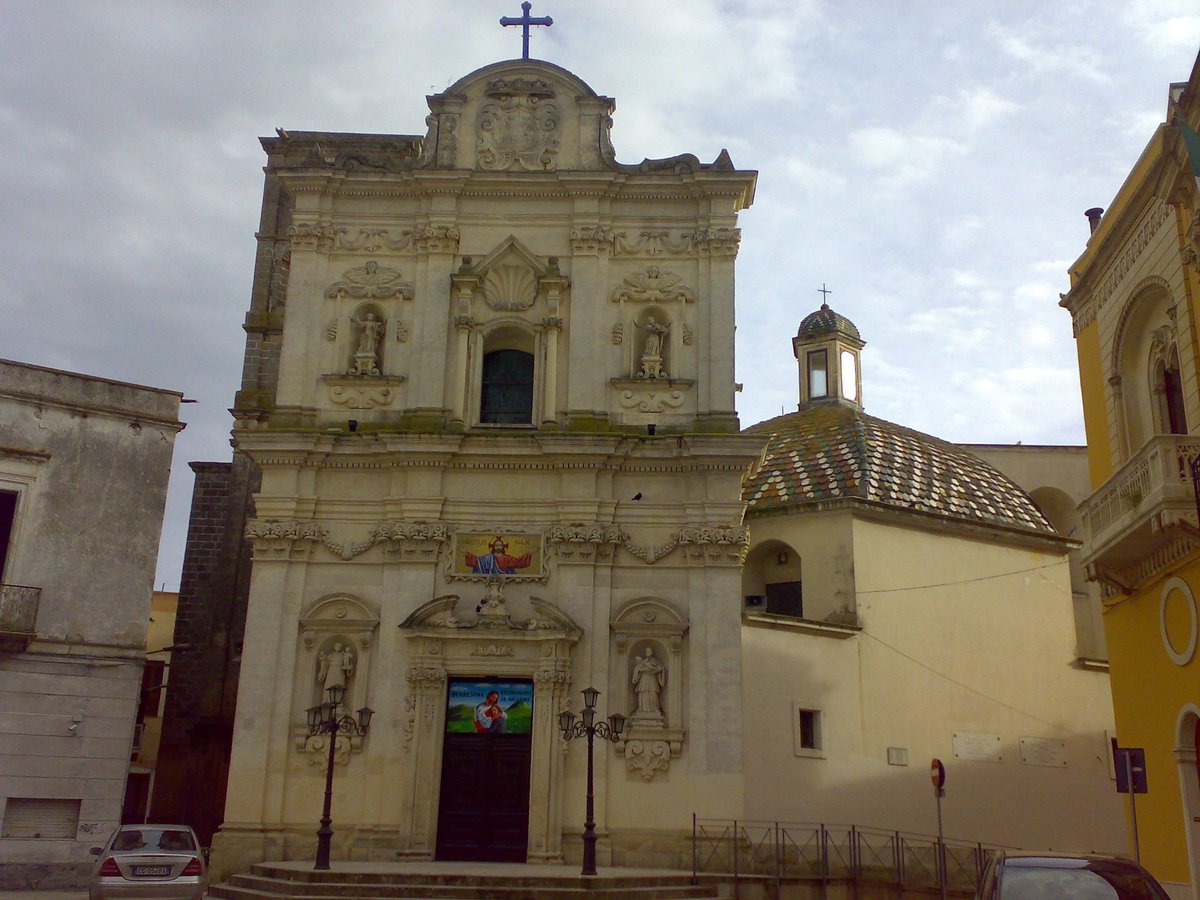
16th-century historical palace with a Baroque façade in Lecce stone, an inner arcaded courtyard, and vaulted ceilings. Free admission, ideal for cultural events and strolls in Monteroni’s historic center.
- Piazza Falconieri 33, Lecce (LE)
- Open in Google Maps
- View on Google Images Palazzo Baronale a Lecce
Good to know
Introduction
Historical Overview
- 16th century: initial construction as a feudal residence
- 17th-18th centuries: expansions in Lecce Baroque style
- 1900s: various uses, including as the town hall
- Today: space for events and cultural visits
It’s not a place with an epic history, but that’s precisely what makes it authentic.
💡 Did You Know…?
A little-known curiosity: the palace was the scene of an episode during World War II when it was temporarily requisitioned and used as a command headquarters. Some elderly townspeople still remember stories passed down about those days. Additionally, in the inner courtyard, you can still see the ancient well, once vital for water supply. These small but significant details make the visit more personal and connected to the community.