
The Ducal Palace of Alessano is a 16th-century Renaissance jewel, constructed at the behest of the Gonzaga family. Located in the historic center, it offers an authentic cultural experience away from mass tourism, featuring a Lecce stone facade and interiors rich with history.
- Renaissance architecture with porticoed courtyards and monumental staircases
- Temporary exhibitions and cultural events in historic spaces
- Lecce stone facade and finely carved portal
- Central location in Lower Salento, perfect for cultural itineraries
Events nearby



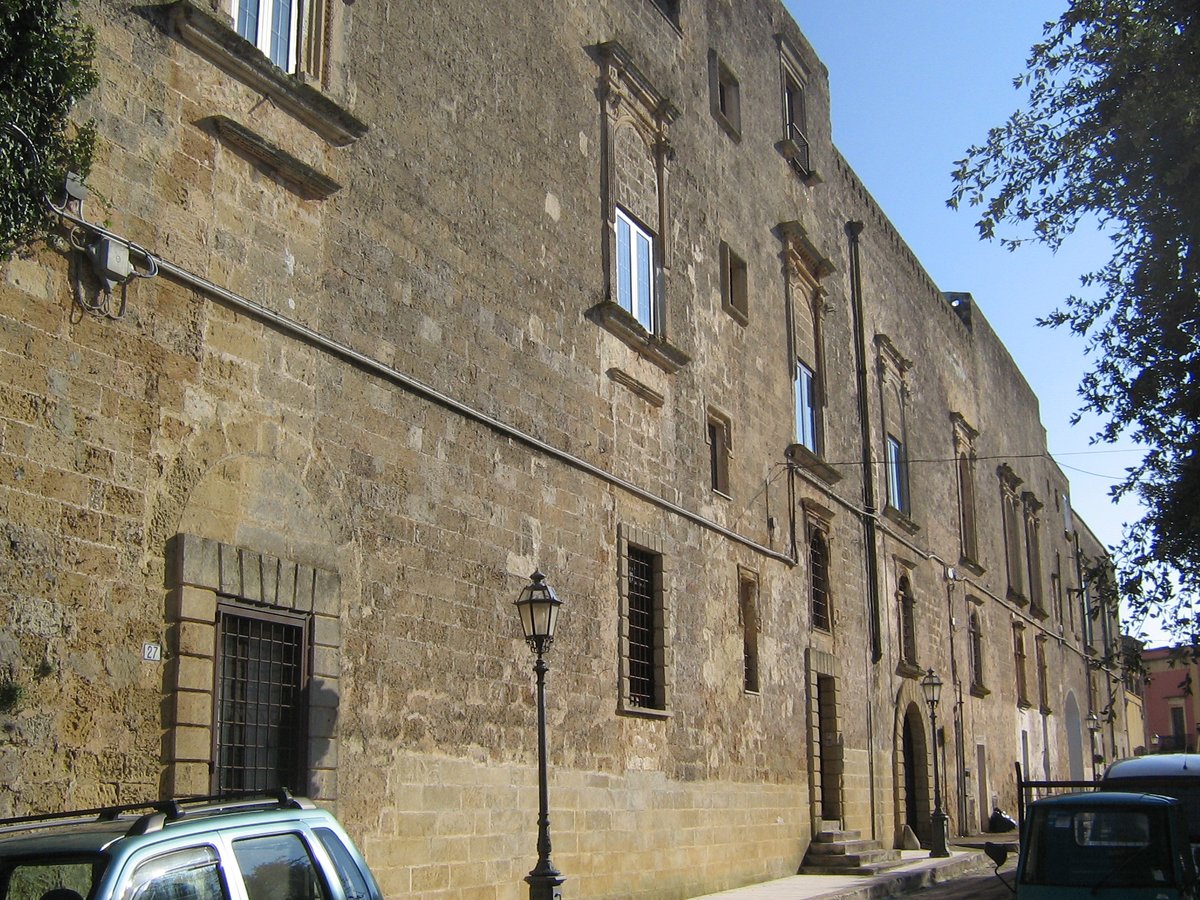
The Ducal Palace of Alessano, built in the 16th century by the Gonzaga family, dominates the historic center with its Lecce stone facade. Inside, porticoed courtyards, monumental staircases, and temporary exhibitions. Central location in Lower Salento.
- Piazza Castello, Lecce (LE)
- Open in Google Maps
- View on Google Images Palazzo Ducale a Lecce
Good to know
Introduction
Arriving in Alessano, the Ducal Palace welcomes you with a solemn presence that seems to tell ancient stories. It’s not just a building; it’s a Renaissance jewel that dominates the historic center with its understated yet elegant facade, made of Lecce stone that takes on warm golden hues at sunset. I was immediately struck by the atmosphere: it feels like stepping into another era, far from the tourist bustle of other Salento destinations. The palace isn’t just a monument to photograph; it’s a living place, with inner courtyards that invite you to pause and observe the architectural details. Walking around, I noticed how perfectly integrated it is into the urban fabric, almost as if it had always been there, watching over the life of the village. For me, visiting it was like discovering a well-kept secret of Salento, off the beaten path but rich in authentic charm.
Historical Overview
The history of the Palazzo Ducale is closely tied to the Gonzaga family, who made it their residence in the sixteenth century. It is not just a noble residence but a symbol of power and Renaissance culture in this area of Salento. Built in the 16th century, it has witnessed centuries of transformations, from a defensive fortress to an administrative center, and more recently to its use as the town hall. I like to think that important decisions for the community were made within these walls and that the frescoed halls hosted parties and meetings. Today, while maintaining its majesty, the palace has a more accessible soul, open to exhibitions and cultural events. It is curious how, despite modifications over time, it still retains that noble character that makes it unique. A concise timeline helps understand the main stages:
- 16th century: construction by order of the Gonzaga as a fortified residence
- Subsequent centuries: expansions and adaptations as a local administrative seat
- Modern era: restoration and conversion into a cultural and institutional space
Architecture and Hidden Details
What fascinated me most is how the palace blends Renaissance elegance with defensive elements typical of the region. The main facade, with its finely carved Lecce stone portal, is an example of refined sobriety. But it’s inside that the treasures are discovered: porticoed courtyards that create plays of light and shadow, stone staircases that seem to lead to past eras, and traces of frescoes on the vaults of some rooms. I noticed details like the decorated corbels under the balconies, often overlooked but full of character. In a corner of the courtyard, there’s also an ancient cistern, a testament to the hydraulic ingenuity of the time. Don’t expect lavish decorations: here, art lies in the proportions, in the light filtering through the arches, in the feeling of space that envelops you. For me, it was like reading a living architecture book, where every element tells a story of practicality and beauty.
The Visiting Experience
Visiting the Doge’s Palace is not just about admiring the architecture, but about experiencing its atmosphere. I recommend taking the time to explore at a leisurely pace, perhaps sitting for a moment in the courtyard to absorb the tranquility. It often hosts temporary exhibitions of contemporary art or photography, creating an interesting dialogue between ancient and modern. During my visit, I encountered a small exhibition on local history, with old documents and maps that enriched my understanding of the place. If you’re lucky, you might attend a cultural event, such as a reading or a concert, which transforms the spaces into something vibrant. Personally, I appreciated the chance to access areas normally closed to the public during certain initiatives. It’s not a traditional museum, but a place that adapts, always offering something new to discover. Just remember to check the opening hours, as they can vary based on ongoing activities.
Why Visit It
Three concrete reasons not to miss it: first, it’s an authentic example of Salentine Renaissance architecture, less known but equally significant compared to other palaces in the region. Second, it offers a break from the crowds, allowing you to enjoy art and history in tranquility, away from the tourist hustle. Third, its versatility as a cultural space means each visit can be different, enriched by exhibitions or events that bring the ancient rooms to life. For me, it was a way to better understand local history without having to read complicated guides.
When to go
The best time? I suggest visiting in the late afternoon of autumn, when the slanting light enhances the warm tones of Lecce stone and the air is cool but pleasant. In summer, the midday hours can be muggy, while in spring the surrounding greenery adds a touch of color. I’ve noticed that during those hours the palace feels more intimate, almost whispering its stories. Avoid the weekly closing days, but don’t worry too much about the season: it has its charm in every period.
In the Surroundings
To enrich your visit, I recommend two nearby experiences: first, explore the historic center of Alessano, with its cobblestone streets and Baroque churches like the Basilica of Saint Anthony of Padua, which offers an interesting contrast to the Renaissance style of the palace. Second, take a trip to nearby Specchia, one of Italy’s most beautiful villages, famous for its underground olive oil mills and well-preserved medieval atmosphere. Both places allow you to immerse yourself in Salento culture without straying too far.
Itineraries nearby


💡 Did You Know…?
An ultra-realistic curiosity: in the inner courtyard, look carefully at the quarry marks on the stone. They are symbols of the artisans who worked here in the 1500s, a silent signature that makes the visit personal. Additionally, according to local sources, one of the rooms on the noble floor preserves traces of frescoes hidden under the plaster, discovered during recent restorations: a detail that adds mystery to this already history-rich place.