Church of San Francesco in Fano: 14th-century frescoes and Renaissance cloister in the historic center

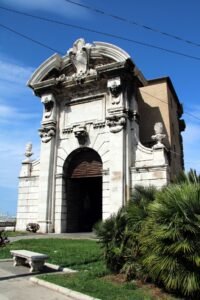
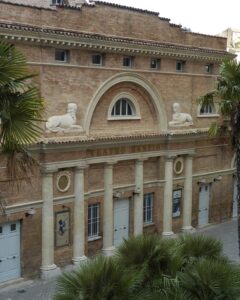
The Church of San Francesco in Fano is a 13th-century Gothic gem in the heart of the historic center, near the Arch of Augustus. It offers an atmosphere of peace with 14th-century frescoes and a Renaissance cloister accessible from the left side. Ideal for a contemplative break while visiting Fano, along with the Rocca Malatestiana and the Art Gallery.

  • 14th-century frescoes: cycle dedicated to Saint Francis with scenes from his life, work of the Rimini school
  • Renaissance cloister: peaceful corner with a central well and elegant arcades, added in the 15th century
  • Gothic architecture: brick facade with an Istrian stone rose window and soaring naves
  • Strategic location: in the historic center of Fano, just steps from the Arch of Augustus and other attractions

Copertina itinerario Church of San Francesco in Fano: 14th-century frescoes and Renaissance cloister in the historic center
13th-century Gothic church with a brick facade and an Istrian stone rose window. Admire the 14th-century frescoes of the Rimini school and the Renaissance cloister with a central well, just steps from the Arch of Augustus.

Good to know


Introduction

The Church of San Francesco in Fano is one of those discoveries that makes you slow your pace in the historic center. It’s not the most eye-catching, but as soon as you cross the portal, you realize it holds a treasure of tranquility and art. The contrast between the sober exterior and the interior rich in 14th-century frescoes is surprising. I was immediately struck by the feeling of peace, far from the bustle of Corso Matteotti. It’s a perfect spot for a contemplative break, where the eye gets lost among the faded colors of the frescoes and the gentle filtering light. An authentic corner, often overlooked by hurried guides, that instead deserves all your attention.

Historical Notes

The church dates back to the fourteenth century, linked to the Franciscan presence in Fano. It was built in the 1300s, likely on a pre-existing structure. In the fifteenth century, with the arrival of the Malatesta family, the building underwent modifications, and the beautiful Renaissance cloister we see today was added. The interior frescoes, some attributed to the Rimini school of the fourteenth century, depict sacred stories in a style that remains Gothic, before the Renaissance changed everything. It is interesting to note how the church has quietly spanned centuries of the city’s history, maintaining its essence.

  • 14th century: Construction of the church in Gothic style.
  • 15th century: Addition of the Renaissance cloister under the Malatesta.
  • Subsequent centuries: Minor modifications, preservation of the fourteenth-century frescoes.

The Hidden Cloister

Perhaps the true gem is the Renaissance cloister, accessible from one side of the church. It’s a perfect square of peace, with elegant arches and a well at its center. The light here plays differently, softer, and the atmosphere feels suspended in time. It’s not a monumental cloister like others, but it has an intimacy that invites you to sit for a moment on a bench. Upon closer observation, you’ll notice some coats of arms and decorations on the columns—small details that tell stories of Fano families. It’s the ideal place to unwind after a day of exploration, away from the crowds. Personally, I found a rare quiet here, almost like a secret garden in the heart of the city.

The Frescoes You Can’t Miss

Inside, the 14th-century frescoes are the real attraction. They’re not in perfect condition, but that’s precisely what makes them fascinating: the faded colors and somewhat rigid figures tell a story of ancient devotion. Look especially for those in the apse area and along the side walls. They depict scenes from the life of Saint Francis and other saints, in a style reminiscent of Rimini-area painting. Don’t expect the perfection of a Giotto, but rather an authentic and moving testimony. I like to imagine who gazed upon them centuries ago. The natural light streaming through the windows illuminates them differently throughout the day, so each visit can offer a new perspective.

Why Visit It

Visiting the Church of San Francesco is worthwhile for at least three concrete reasons. First, it’s a rare example of artistic layering: Gothic and Renaissance elements coexist harmoniously. Second, it offers an oasis of silence just steps from the bustling center, ideal for recharging. Third, the frescoes, while not universally renowned masterpieces, are an authentic testament to local 14th-century painting, often overlooked in favor of more famous attractions. It’s a visit that doesn’t require much time but effortlessly immerses you in art and tranquility.

When to Go

The best time? A mid-season afternoon, when the light is warm and there aren’t too many crowds. In summer, the midday hours can be muggy, while in winter the interior is evocative but sometimes a bit dark. I visited on a mild autumn day, and the light filtering through the frescoes was magical. Avoid nearby market days if you’re seeking maximum tranquility. In general, it’s a place that works well year-round, but with the right light and atmosphere, it becomes even more special.

In the Surroundings

After your visit, you can explore the historic center of Fano, with its lively atmosphere and typical shops. Just a few minutes’ walk away is the Rocca Malatestiana, an imposing fortress offering panoramic views of the city and the sea. Or, if you’re interested in art, stop by the Civic Art Gallery, which houses works by local and other artists. These are all experiences that complement the discovery of Fano well, without requiring long trips.

Itineraries nearby


💡 Did You Know…?

Look carefully at the 14th-century fresco on the right wall: according to local tradition, it would depict a miracle of Saint Francis that occurred right in Fano, with details that the faithful still recognize today. In the cloister, the central well is not just decorative: until the mid-20th century it was used by the nuns of the adjacent convent, and the water is said to have been considered particularly pure. If you pass by here at sunset, the light filtering through the arches creates suggestive plays of shadow, also captured by local photographers.