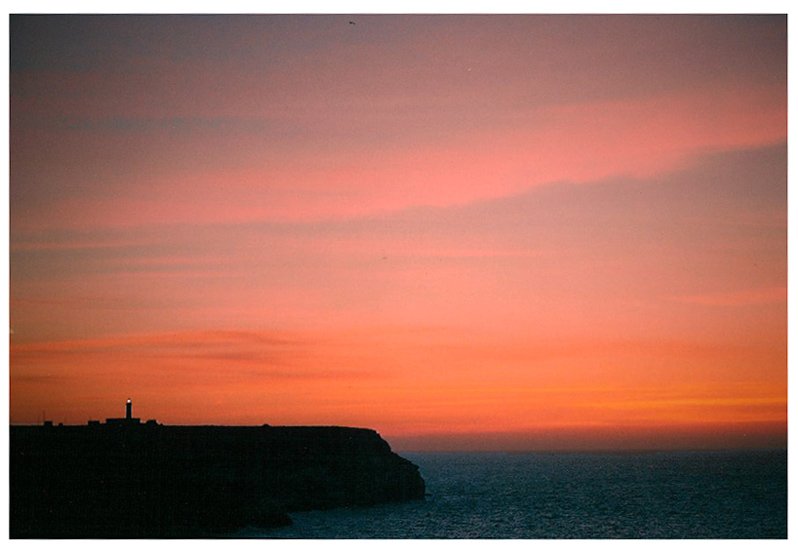
The Capo Grecale Lighthouse, built in 1864, dominates the northeastern tip of Lampedusa with a unique panoramic view. Reachable via a short dirt path, it offers an authentic experience away from the crowds. The best time to visit is late afternoon to admire the sunset over the Mediterranean.
- 360-degree views of Lampedusa and the Strait of Sicily
- Sunsets with intense shades of orange, pink, and purple
- Shell path with unique specimens polished by the wind
- Solitary and silent atmosphere, perfect for photography
Introduction
The Capo Grecale Lighthouse is not just a navigational landmark for ships, but a true guardian of Lampedusa. It stands at the northeastern tip of the island, on a rocky spur that seems to reach out toward the infinite expanse of the Mediterranean. Its slender white silhouette creates a spectacular contrast with the deep blue of the sea and sky. Reaching it, especially in the late afternoon, offers a sense of peace and the feeling of being at the edge of the world. It’s not a crowded place; often, you’re alone with the wind and the sound of the waves. Personally, I like to think that from there you can almost touch Africa, so close by. It’s a place that never disappoints, even though sometimes the grecale wind, from which it takes its name, blows strong and reminds you who’s in charge.
Historical Notes
Its history is tied to the safety of navigation in a crucial stretch of sea. It was built in 1864, when Lampedusa was already an important outpost in the Mediterranean. It hasn’t witnessed epic battles, but it has guided generations of fishermen, merchant ships, and, more recently, tourist boats. During the Second World War, its light was likely extinguished to avoid becoming a reference point for air attacks. Today, the lighthouse is automated, but its presence continues to be a symbol of orientation and hope. An interesting fact: the original structure has been reinforced multiple times to withstand the power of the elements, demonstrating how exposed it is.
- 1864: Construction of the lighthouse.
- Second World War: Likely blackout for safety reasons.
- Contemporary era: Automation and maintenance as a historical-functional site.
The Shell Trail
To reach the lighthouse, you follow a short unpaved trail that starts from the asphalt road. It’s not challenging, but the real spectacle is under your feet. The ground is scattered with shells of every shape and color, smoothed by wind and sea. These aren’t your typical beach shells—some have strange shapes, almost like fossils. I stopped several times to pick up a few, though I always left them there. That natural carpet makes you realize you’re in a remote place where nature still rules. Watch your footwear: closed shoes are better, as among the rocks you might encounter some small local inhabitants, like crabs.
The Sunset Ritual
Visiting the lighthouse at dawn can be evocative, but it’s at sunset that it offers unique emotions. The sun sets directly in front of you, painting the sky and sea with intense oranges, pinks, and purples. The low-angled light illuminates the lighthouse tower, making it appear golden. There are no bars or services, so bring a bottle of water and perhaps a snack. The atmosphere is perfect for a quiet little picnic, listening to the sound of the sea. Sometimes, if you’re lucky, you’ll see the silhouettes of fishing boats returning in the distance. It’s a moment of pure contemplation. A tip? Stay even after the sun has disappeared: the first lights of the lighthouse turning on against the dark blue sky are magical.
Why Visit It
For at least three concrete reasons. First, it offers a unique 360-degree view of Lampedusa and the Sicily Channel: on one side, the island with its coves; on the other, the open horizon. Second, it’s an authentic and non-commercial spot, away from the crowds of Rabbit Beach during peak hours. Third, it’s a perfect point for incredible photographs, not only at sunset but also in the strong daylight that highlights the colors. Plus, it’s a destination suitable for everyone—just a bit of attention on the trail is needed. You don’t need to be an expert hiker, just have a desire for a peaceful corner.
When to Go
Avoid the midday hours on the hottest summer days, as there is no shade and the sun beats down intensely. The best time, in my experience, is late afternoon, starting two hours before sunset. The light is softer, the temperature more pleasant, and you have the chance to witness the spectacle of the sun setting over the sea. It’s also splendid in spring and early autumn, with cooler air and different colors. In winter, with rough seas, it has a wild charm, but the wind can be truly strong. In any case, always check the local weather forecast: the grecale wind can change everything in minutes.
In the Surroundings
A visit to the lighthouse pairs perfectly with another Lampedusan experience. A short distance to the south lies Guitgia Beach, a more intimate and less crowded cove with fine sand and crystal-clear waters ideal for a refreshing swim. Alternatively, if you wish to continue exploring the eastern coast, head towards Cala Pisana, another rocky seaside spot accessible via a short walk, perfect for snorkeling among the rock formations. Both places give you a sense of the island’s landscape variety, beyond the more famous beaches.