San Giacomo Lighthouse in Licata: 360° Panorama of Gulf and Cliffs

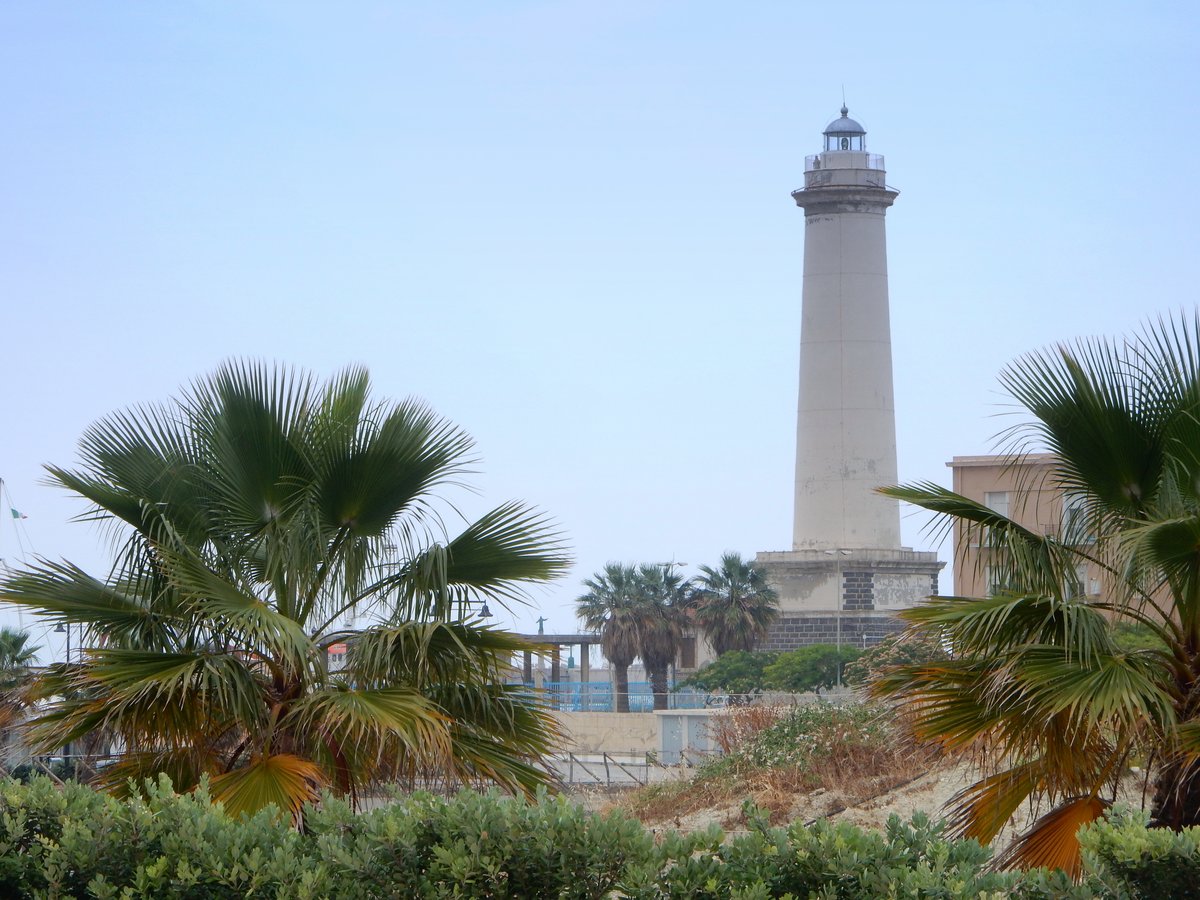
The San Giacomo Lighthouse, built in 1885, offers one of the most breathtaking panoramas in southern Sicily from its rocky promontory. The white tower with red lantern overlooks the stretch of sea between Licata and Gela, providing 360-degree views in an authentic atmosphere away from mass tourism. To reach it, follow the SS115 towards San Giacomo, park, and walk the final unpaved section.

  • Panoramic view over Licata Gulf, commercial port, and rugged cliffs
  • Historic still-functioning lighthouse with iconic white tower and red lantern
  • Isolated location perfect for tranquility and memorable photography
  • Ideal picnic area with Mediterranean scrub and limestone rocks


Events nearby


Copertina itinerario San Giacomo Lighthouse in Licata: 360° Panorama of Gulf and Cliffs
Historic 1885 lighthouse with views over Licata Gulf, port, and rugged coastline. Ideal for photography, picnics, and spectacular sunsets. Free access via a short walk.

Good to know


Introduction

The San Giacomo Lighthouse in Licata is not just a lighthouse; it’s a privileged vantage point that offers a glimpse of Sicily at its most authentic. Perched on a hill overlooking the sea, it commands the Mediterranean with a subtle yet powerful presence. Here, mass tourism feels light-years away: you breathe in a genuine atmosphere, where silence is broken only by the wind and the sound of the waves. The view stretches from the rugged coastline to the hills of the Agrigento hinterland, with their warm colors shifting in the daylight. Personally, I lost myself watching the fishing boats returning to the harbor, tiny moving dots against that intense blue. It’s one of those places that makes you feel part of the landscape, not just a spectator.

Historical Background

The history of the San Giacomo Lighthouse is intertwined with Licata’s seafaring tradition and the need to signal a coastline often fraught with danger. Built in 1885, it has guided generations of sailors through the Strait of Sicily. It is not a monumental lighthouse like others, but possesses a rustic, functional charm that speaks of an era when technology was simpler. The original structure, made from local stone, has been preserved, though the lighting system has been modernized over time. An interesting fact: it takes its name from the nearby Church of San Giacomo, reflecting the typical connection between faith and the sea in these areas. Its strategic location also made it a reference point during historical events, such as the nearby landings of World War II.

  • 1885: Construction of the lighthouse
  • Early 20th century: Modernizations of the lighting system
  • Today: Operational with automated technology

The Climb and the View

Reaching the lighthouse is already part of the experience. Starting from the Licata waterfront, you follow a small road that gently climbs between low houses and dry stone walls typical of the Sicilian countryside. The vegetation is Mediterranean: capers sprouting from cracks, prickly pear plants, and some wild olive trees. As you ascend, the view opens up 360 degrees: on one side, the Licata marina with its colorful boats, on the other, the wild coast towards Gela. At the top, you find yourself on a small natural terrace where the lighthouse stands isolated. Here, the wind is almost always present, carrying the salty smell of the sea. I noticed that many locals come here at sunset, often with a small folding chair, to enjoy the spectacle in solitude.

The Atmosphere at Sunset

If there’s a magical moment at the San Giacomo Lighthouse, it’s undoubtedly sunset hour. The sun sets behind the inland hills, painting the sky with oranges, pinks, and purples that reflect on the sea, creating shimmering effects. The slanting light enhances the textures of the lighthouse stone and dry-stone walls, offering incredible photos without the need for filters. The atmosphere becomes almost meditative: traffic noise fades away, leaving only seagulls and the rustle of wind through the plants. You often see fishermen returning with their boats, seemingly gliding on a sea of gold. This is when the lighthouse begins its true function, with its light starting to flash in the twilight. Personally, I stayed longer than planned, captivated by this suspended calm.

Why Visit It

Visiting the San Giacomo Lighthouse is worth it for three concrete reasons. First: it offers a unique perspective on Licata and its coastline, different from the usual beach views. Second: it’s a great excuse to explore the upper part of the city, less frequented by tourists, where you can breathe in the daily Sicilian life. Third: it provides memorable photographs without the crowds of other more famous viewpoints. Plus, it’s free and always accessible, which isn’t a given in many tourist spots. I recommend it to those seeking an authentic corner, where you can stop without rush and absorb the landscape. Don’t expect services or bars; you come here for the pure experience.

When to Go

The best time? Late afternoon, especially in spring or autumn. In summer, it’s hot during the day, while the evening breeze makes the climb more pleasant and the sunset is spectacular. In winter, clear days after rain offer exceptional visibility, with Mount Etna sometimes visible on the horizon. I’d avoid the midday hours in summer unless you love scorching sun. Personally, I preferred a September afternoon: the light was golden, the air mild, and there were only two other people. In any season, check the forecast: when the sky is clear, the view is twice as rewarding.

In the Surroundings

After visiting the lighthouse, heading down towards the sea, it’s worth making a stop at Mollarella Beach, a long stretch of fine sand and shallow waters perfect for a refreshing dip. For a cultural experience, Castel Sant’Angelo in the historic center of Licata offers a journey back in time with its Norman walls and views over the city. Both places complete the day with sea and history, without straying too far from the authentic atmosphere that characterizes this area of Sicily.

Itineraries nearby


💡 Did You Know…?

The lighthouse takes its name from the nearby San Giacomo district, linked to an ancient rural church dedicated to Saint James the Apostle, now disappeared. Locals say that on nights of rough seas, when fog envelops the coast, the sound of the lighthouse’s foghorn mixes with the noise of the waves, creating an almost surreal atmosphere. During World War II, the lighthouse was damaged by bombings but was quickly repaired to guide Allied ships during the landing in Sicily in 1943. Today, the lighthouse keepers still live in the adjacent houses, keeping alive a centuries-old tradition of guarding the Sicilian coasts.