Pieve di Cadore Eyeglass Museum: 4,000 Pieces from Italian History

The Pieve di Cadore Eyeglass Museum holds a unique collection that tells the industrial history of Cadore, the cradle of Italian eyewear. Housed in a historic palace, the museum displays over 4,000 pieces including lenses from the 1500s, designer sunglasses from the 1950s and 1960s, and models owned by famous figures. The visit offers a perspective on the connection between territory and human ingenuity, perfect as a cultural break during a stay in the Dolomites.

  • Over 4,000 pieces on display from the 1500s to today
  • Designer sunglasses from the 1950s and 1960s and models of famous figures
  • History of Cadore eyewear with original artifacts and tools
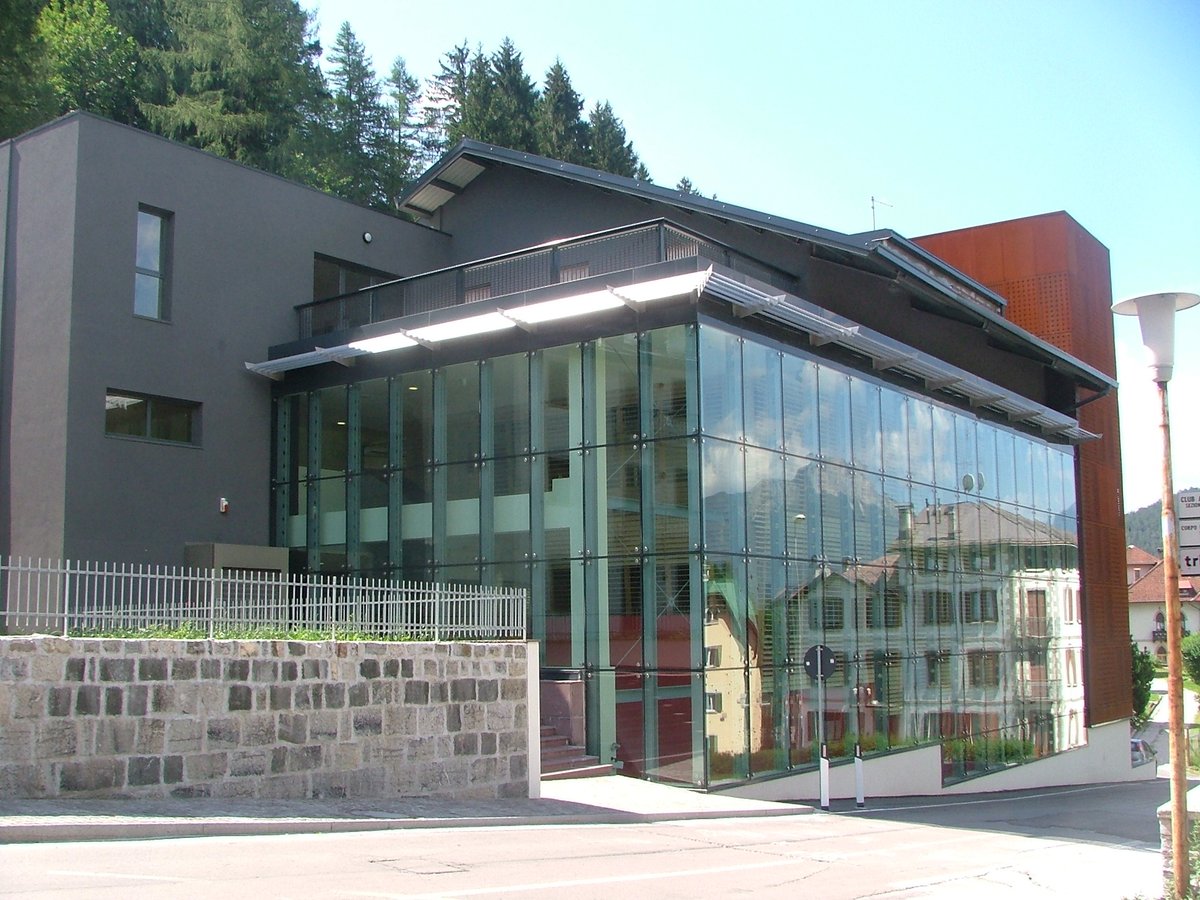
  • Historic palace in the heart of the Belluno Dolomites
Copertina itinerario Pieve di Cadore Eyeglass Museum: 4,000 Pieces from Italian History
The Pieve di Cadore Eyeglass Museum houses over 4,000 pieces from the 1500s to Hollywood sunglasses. Discover the history of Cadore eyewear in a historic palace in the Dolomites.

Good to know


Introduction

It’s not just a museum, it’s a surprise. You might expect a somewhat boring exhibition, but instead, the Eyeglass Museum in Pieve di Cadore welcomes you with a collection that will make you blink. Over 4,000 pieces tell a story intertwined with the mountains you see from the windows. It’s no coincidence that it’s here, in the heart of the Belluno Dolomites: Cadore is the cradle of Italian eyewear. You enter and immediately understand that it’s not just about objects, but about craftsmanship, ingenuity, and an entire community. The atmosphere is intimate, almost cozy, and those monocles, vintage sunglasses, and curious lenses seem to observe you in return. Perfect for a break from a day of trekking or for a cultural pause that tastes of the local territory.

Historical Background

It all began long ago, in the 16th century, when wood and iron were worked in Cadore to produce the first eyewear frames. However, it was in the 19th century that things took off, with small family-run workshops evolving into industrial enterprises. Angelo Frescura is a name to remember: he was one of the pioneers. The museum was established in 1988 by the Società Ottica Cadore, almost as a way to safeguard a collective memory that was at risk of being lost. Today, within those display cases are pieces that have traveled through time: theater glasses, ski goggles, aviator eyewear. A quick timeline to outline the key milestones:

  • 16th century: first evidence of artisanal production in Cadore.
  • 1878: Angelo Frescura founds his company, among the first industrial ones.
  • Mid-20th century: the district gains worldwide fame.
  • 1988: inauguration of the museum to preserve this heritage.

The Chamber of Curiosities

This is the section I personally prefer. Don’t expect just ‘ordinary’ glasses. Here you’ll find unique pieces that tell social stories: reading glasses with built-in candles for miners, ultra-fine watchmaker’s lenses, 19th-century theater lorgnettes with long handles. There’s a display dedicated to 1950s and 1960s designer sunglasses, vibrantly colorful, looking like they came straight out of a Fellini film. Then there are corrective lenses from the past, thick as bottle bottoms, making you reflect on how different daily life was. It’s a journey through technology and fashion, made of details that capture your attention. I recommend pausing at the military models, austere and functional, a stark contrast to the elegance of certain tortoiseshell women’s glasses.

The Bond with the Territory

This museum could not exist anywhere else. Every display case speaks of Pieve di Cadore and its valley. The vintage photographs show the workshops, the workers at their tasks, the women assembling the frames. You understand how this industry has shaped the human and economic landscape. It’s not a story confined to a book: just step outside and look around. Some historic shops in the town still sell locally produced eyewear, and if you ask, someone might tell you about grandparents or uncles who worked there. The museum is part of a circuit of artisanal excellence in the Belluno area, and visiting it gives you the key to interpreting the rest of the territory as well. Perfect if, like me, you love understanding the ‘why’ of things, beyond just the ‘what’.

Why Visit It

First: because it’s unique in Italy. There’s no other museum as comprehensive dedicated to eyewear, and finding it in a mountain village makes it doubly special. Second: for the quality of the exhibition. It’s not dusty or confusing; the explanations are clear, the display cases well-lit, the layout logical. Third: for the immediate connection with contemporary reality. When you leave, you’ll look at the glasses you wear or see in shop windows with different eyes, appreciating the craftsmanship behind them. It’s an enriching experience that doesn’t feel heavy, suitable for everyone, even those who aren’t fans of traditional museums.

When to Visit

The museum is open year-round, but my honest advice is to pair it with a rainy mountain day. When clouds descend over the Dolomites and a light drizzle invites you indoors, that’s the perfect moment. The intimate atmosphere of the galleries pairs beautifully with the grey weather outside. In summer, it can be a cool, cultural break during the hottest hours, after a morning of hiking. The natural light from the large windows is stunning in the early afternoon. If possible, avoid peak times on summer weekends: it’s small and best appreciated in peace.

In the Surroundings

The museum visit pairs perfectly with another gem of Pieve: the Birthplace of Titian Vecellio. The great Renaissance painter was born right here, and his house-museum, just a few steps away, is a plunge into another glorious era of Cadore. To stay on the theme of ‘crafts and traditions’, a must-stop is the Valley Dairy Cooperative Museum in Lozzo di Cadore (not far away). It tells the story of cheese production in mountain pastures, another pillar of the economy and culture of these valleys. Two complementary experiences that complete the picture of a hardworking and proud territory.

💡 Did You Know…?

Perhaps not everyone knows that among the most curious pieces is a collection of sunglasses belonging to famous personalities, such as Sophia Loren and Marcello Mastroianni, donated to the museum. Another fascinating detail concerns the 18th-century eyeglass lenses, made with now-lost artisanal techniques, which show surprising precision. The visit often concludes with the opportunity to observe up close some ancient lens-making tools, still functional, that tell of the effort and skill of Cadore’s craftsmen.