Introduction
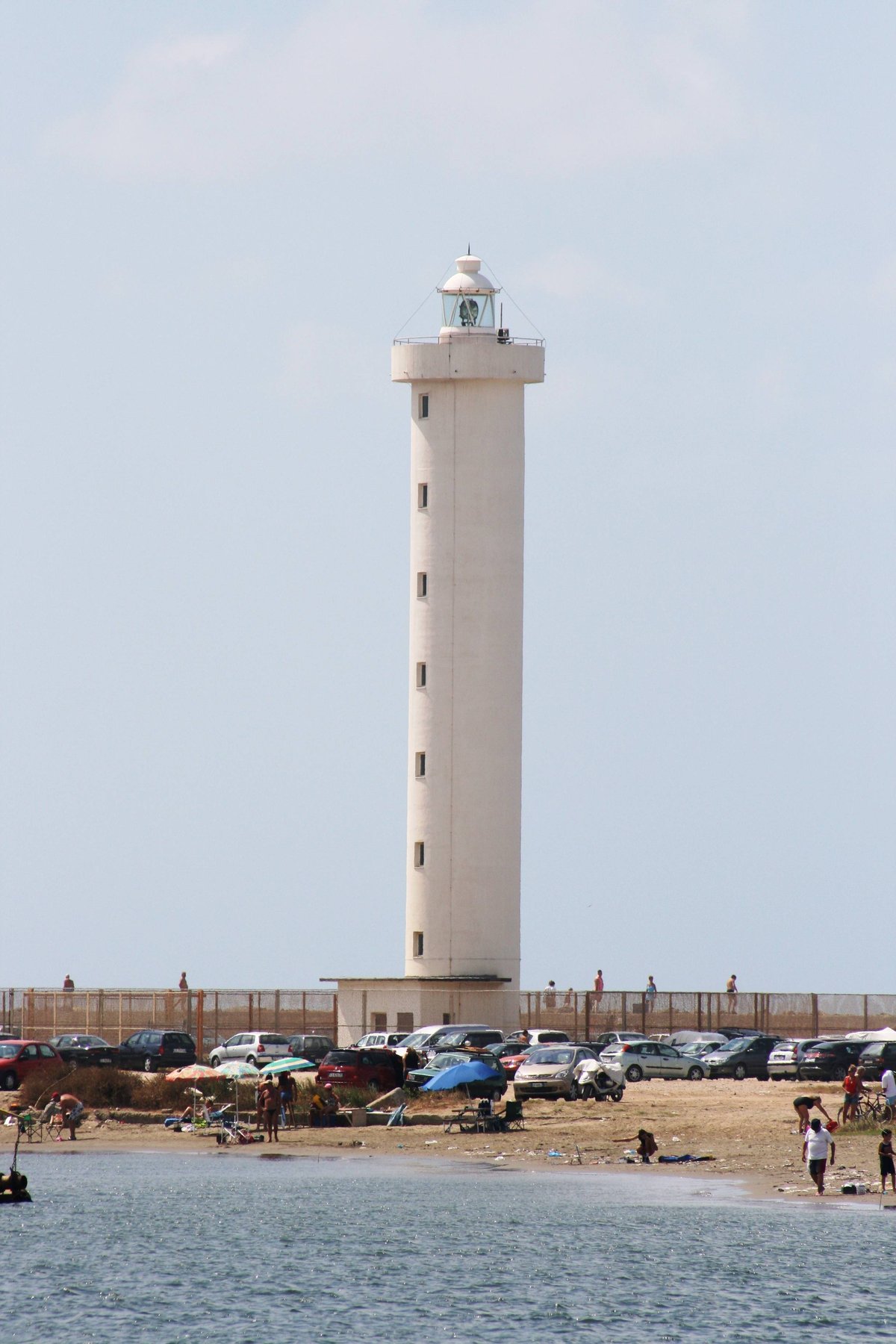
The Faro della Diga Foranea is not just a landmark for boats entering the port of Viareggio. It’s a seaside walk offering breathtaking views, a place where time seems to slow down. Walking along that long concrete pier, with the Tyrrhenian Sea lapping at the sides, you feel suspended between sky and sea. The view stretches from the Versilia coast, with its famous pine forest, to the imposing Apuan Alps in the background. It’s a simple, unadorned place, yet capable of leaving a mark. Perfect for unplugging, breathing in the salty air, and perhaps capturing one of those fiery sunsets that are almost the norm here.
Historical Overview
Its history is closely tied to the development of the port of Viareggio. The lighthouse, still operational today, was built to guide ships into the dock entrance, marking the end of the long breakwater that protects the inner waters. Though not centuries old, it tells an important chapter of this maritime city’s story. The breakwater itself is a feat of port engineering that has shaped the coastline. Today, that beam of light that turns on at dusk has become a beacon for tourists and photographers more than for sailors.
- Late 1800s / Early 1900s: Development of the canal port and dock of Viareggio.
- Mid-1900s: Construction and commissioning of the lighthouse on the breakwater.
- Today: The pier has become a destination for strolls and landscape photography.
The Walk on the Pier
The beauty lies entirely in the walk. Start from the end of the seaside promenade, near the boat departure dock, and head onto the pier. It’s wide, flat, suitable for everyone. As you proceed, the city behind you seems to shrink, while ahead of you only the horizon of the sea opens up. The sound of waves crashing against the side rocks is hypnotic. When you reach the end, at the lighthouse, turn around and you have a 360-degree view of Viareggio, the Versilia region, and the mountains. In winter, with the haze, the atmosphere is almost melancholic; in summer, full of light and life. Bring a jacket, because the wind here is no joke, even on the calmest days.
A Stage for the Sunset
If there’s one reason people come here, it’s to witness the spectacle of the sun setting over the Tyrrhenian Sea. It’s no exaggeration: when conditions are right, the sky ignites with oranges, pinks, and purples, with the silhouettes of the Apuan Alps turning black against the backdrop. The lighthouse, white and red, stands out against this canvas. This is the moment when the pier fills with photographers on tripods and couples seeking a romantic spot. Personally, I find the hour just after sunset, when the sky is still bright but the city lights begin to twinkle, as magical as the sunset itself. Bring your camera—even your smartphone will work wonders.
Why Visit It
For three very concrete reasons. First: it’s a free and accessible experience for everyone, with no need for reservations or tickets. Second: it offers a perspective on Viareggio completely different from that of the crowded beach or the historic center; you see the city from the sea, with its dimensions and its relationship with the coast. Third: it’s an ideal place for a refreshing break, a digestive walk after a fish-based lunch, or simply to take a breath of fresh air away from the chaos. It’s not an attraction to spend half a day on, but those 40 minutes (round trip) are truly worth it.
When to go
The answer is simple: at sunset, in any season. In summer, the spectacle is later and more crowded, but the atmosphere is lively. In autumn and winter, with skies often clear after rain, the colors can be incredibly saturated, and you’re more likely to have the pier almost to yourself. Spring offers long evenings and mild temperatures. Avoid the midday hours on the hottest summer days, as there’s no shade and the glare on the concrete can be intense. A winter afternoon mist, however, can create a suspended and very photogenic atmosphere.
In the Surroundings
After finishing your walk, you find yourself in the heart of Viareggio. Once you step off the pier, you can wander among the Art Nouveau architecture of the city center, with its historic cafés and pastry shops. Or, if the sea has captivated you, take a quick trip to the nearby Bagno Balena, a historic bathing establishment with a bar right on the beach, perfect for an aperitif with a view. For a themed maritime experience, visit the Darsena, the canal port where fishing boats are moored and where you can breathe in the authentic maritime atmosphere of the city, away from the spotlight of mass tourism.