
The former Chapel of the Virgin Mary in San Giustino Valdarno is an example of intelligent repurposing of a 16th-century historical asset, now a versatile cultural space. Its essential architecture in pietra serena stone houses fragments of 17th-century frescoes and an intimate atmosphere, away from tourist circuits.
- Essential Tuscan architecture with rectangular plan and semicircular apse
- Fragments of 17th-century frescoes visible in the apse area
- Cultural space hosting exhibitions, book presentations, and acoustic concerts
- Central location in the medieval village of San Giustino Valdarno
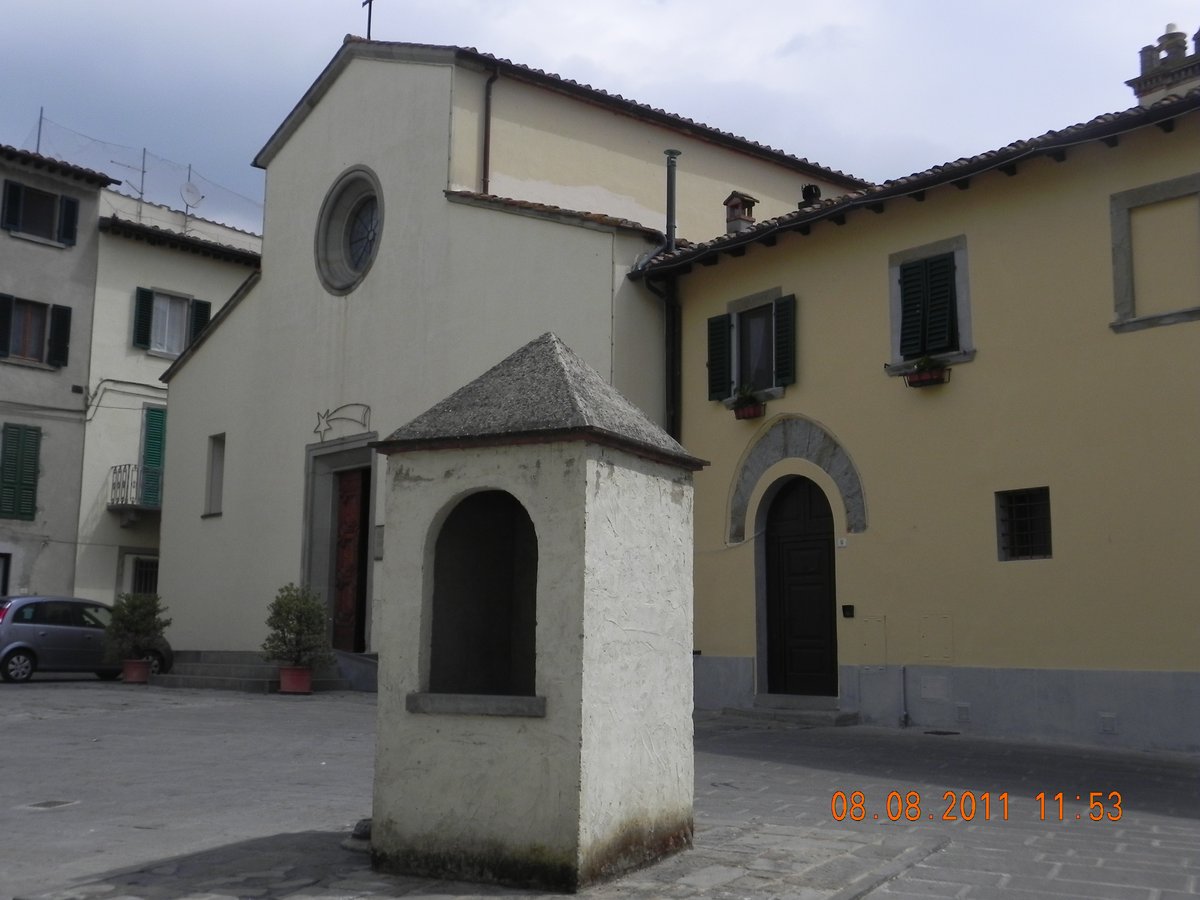
A deconsecrated 16th-century chapel in San Giustino Valdarno, featuring fragments of 17th-century frescoes and now a cultural hub for exhibitions and events. Discover its essential Tuscan architecture and transformation into a vibrant space.
- http://www.adbarno.it/beniculturali/schede/scheda_fd_bc.php?cod=90510200320.00000000
- Via Alessandro marchese dal Borro, Arezzo (AR)
- Open in Google Maps
- View on Google Images Ex cappella della Vergine Maria a Arezzo
Good to know
Introduction
The former Chapel of the Virgin Mary in San Giustino Valdarno is a hidden gem that captivates with its essential architecture and intimate atmosphere. Located along the main street of the village, this small deconsecrated church retains an authentic charm, far from the more beaten tourist trails. The sandstone facade, typical of the Arezzo area, blends harmoniously with the urban context, while the interior, now used as a cultural space, preserves traces of the ancient frescoes that once adorned its walls. Visiting it means discovering a corner of spirituality transformed into a meeting place, where history and community intertwine in surprising ways.
Historical Overview
The chapel was built in the 16th century as a place of worship dedicated to the Virgin Mary, serving the local community for centuries. With the decline in religious practice, it was deconsecrated in the 19th century and repurposed for various civic uses, including as a storage facility and school. In the 1990s, a restoration project uncovered fragments of 17th-century frescoes, now visible in the apse area. Its history reflects the social and religious transformations of the Valdarno region, transitioning from sacred space to shared cultural heritage.
- 16th century: Construction as a Marian chapel
- 19th century: Deconsecration and change of use
- 1990s: Restoration and cultural enhancement
Architecture and Artistic Details
The building features a simple rectangular floor plan with a semicircular apse, characteristic of Tuscan rural chapels. On the exterior, the sandstone portal stands out, topped by a lunette that was once frescoed. Inside, the absence of sacred furnishings highlights the essential architectural structure: barrel vaults, original terracotta flooring, and traces of 17th-century frescoes in the apse. These frescoes, although fragmentary, depict saints and decorative motifs typical of the popular devotion of the time. The natural light filtering through the side windows creates chiaroscuro effects that enhance the texture of the stone walls.
Current Use and Events
Today, the former chapel is a multifunctional cultural hub managed by the Municipality of San Giustino Valdarno. It hosts temporary exhibitions by local artists, book presentations, and intimate acoustic concerts, taking advantage of the space’s natural acoustics. During the patron saint festivities, it becomes the venue for displays related to the town’s traditions, such as the exhibition of the San Giustino Candles. Its versatility makes it an example of how a historic property can be revitalized through contemporary activities, maintaining a connection with the community and attracting visitors curious to discover this lesser-known corner of the Arezzo province.
Why Visit It
Visiting the former chapel offers three concrete advantages: first, it’s an example of intelligent repurposing of a historic asset, transforming from an abandoned place of worship into a vibrant cultural space. Second, it allows you to admire up close fragments of 17th-century frescoes that would otherwise remain unseen, showcasing the lesser-known devotional art of Tuscany. Third, its central location in San Giustino Valdarno makes it an easy stop to include in your exploration of the village, offering a moment of tranquility and beauty without requiring any significant detours.
When to Go
The most evocative time to visit is the late autumn afternoon, when the slanting light enhances the warm hues of the pietra serena stone and the interiors fill with an intimate atmosphere. During this season, lower crowds and mild weather allow you to fully enjoy the tranquility of the place. Avoid the midday hours in summer, when the heat can make staying in the non-air-conditioned indoor spaces less pleasant.
In the Surroundings
Just a short walk from the former chapel, it’s worth visiting the Pieve di San Giustino, a Romanesque church with a distinctive bell tower and interior artworks. For a themed experience connected to spirituality, you can reach the Eremo di Montescalari, located on the nearby hills—an ancient Camaldolese monastery immersed in the silence of the woods, ideal for those seeking a connection with nature and Tuscan monastic history.
💡 Did You Know…?
The chapel was a fundamental stopping point for pilgrims traveling along the Via Cassia towards Rome. Local tradition recounts that wayfarers would stop here for a prayer before facing the crossing of the Arno River. Even today, some elderly villagers remember when the chapel was the destination of processions during Marian feast days, with the faithful bringing wax ex-votos as offerings.