Welcome to Forte La Carnale
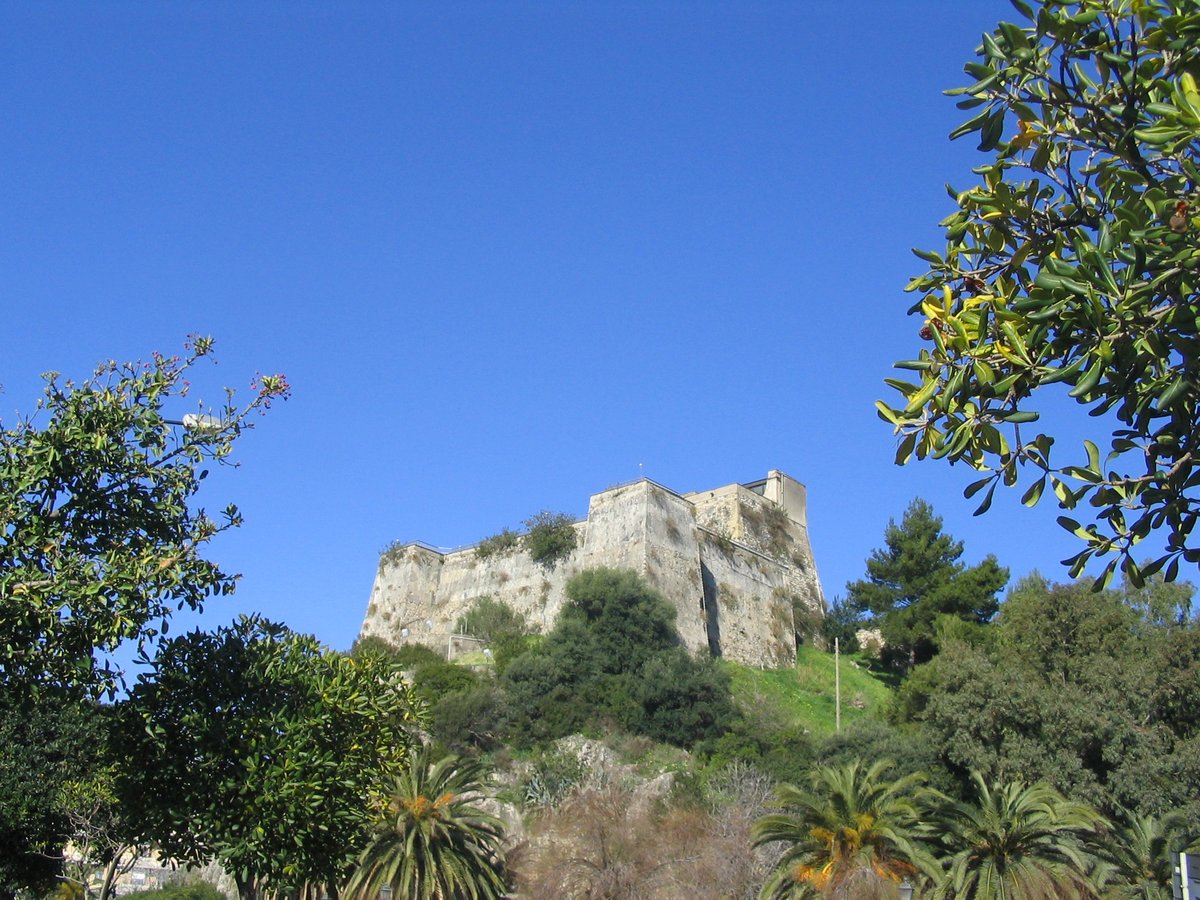
Forte La Carnale is one of those places that catches you off guard. Perched on a rocky spur, now almost embraced by the seafront, it offers a view that stretches from the Gulf of Salerno to the Amalfi Coast. When you arrive, you immediately feel the contrast between the chaos of the city and the silence of the sea. It’s a place that smells of history, but also of abandonment, and perhaps that’s what makes it fascinating. Don’t expect a perfect museum: here the atmosphere is raw, authentic, with walls that tell centuries of battles and changes of use.
Welcome to Forte La Carnale
Forte La Carnale is one of those places that catches you off guard. Perched on a rocky spur, now almost embraced by the seafront, it offers a view that stretches from the Gulf of Salerno to the Amalfi Coast. When you arrive, you immediately feel the contrast between the chaos of the city and the silence of the sea. It’s a place that smells of history, but also of abandonment, and perhaps that’s what makes it fascinating. Don’t expect a perfect museum: here the atmosphere is raw, authentic, with walls that tell centuries of battles and changes of use.
History and Legends
Built between 1563 and 1569 as a cavalry tower – yes, there were horses ready to set off to warn the population – the fort was part of a defensive system against corsairs. The name “Carnale” comes from a battle in 872, when the Lombards massacred the Saracens: a carnage. In 1647 it was the headquarters of Ippolito da Pastina, the “Masaniello of Salerno”. Under the Bourbons it became a powder magazine and in 1828 it was renamed Fort San Giuseppe. During World War II it suffered heavy damage, then restoration arrived in the 1980s. Today it is closed to the public, but its history lives on in its walls.
History and Legends
Built between 1563 and 1569 as a cavalry tower – yes, there were horses ready to set off to warn the population – the fort was part of a defensive system against corsairs. The name “Carnale” comes from a battle in 872, when the Lombards massacred the Saracens: a carnage. In 1647 it was the headquarters of Ippolito da Pastina, the “Masaniello of Salerno”. Under the Bourbons it became a powder magazine and in 1828 it was renamed Fort San Giuseppe. During World War II it suffered heavy damage, then restoration arrived in the 1980s. Today it is closed to the public, but its history lives on in its walls.
Architecture and Structure
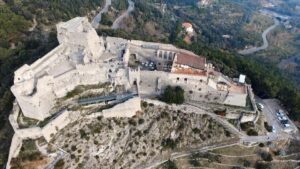
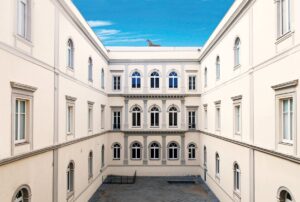
The fort has a square layout with battlements and a central turret that housed the soldiers. The walls are thick, made of stone, and still retain the iron rings used to tie up horses – a detail that confirms its function as a cavalry tower. Inside, there are two levels with halls for exhibitions and a terrace overlooking the sea. There is also a panoramic elevator (but I’m not sure if it works). The surrounding gardens, landscaped in 2010, offer some greenery and a parade ground that now serves as a summer theater. It’s a pity it’s in a state of neglect, but the skeleton is still imposing.
Architecture and Structure
The fort has a square layout with battlements and a central turret that housed the soldiers. The walls are thick, made of stone, and still retain the iron rings used to tie up horses – a detail that confirms its function as a cavalry tower. Inside, there are two levels with halls for exhibitions and a terrace overlooking the sea. There is also a panoramic elevator (but I’m not sure if it works). The surrounding gardens, landscaped in 2010, offer some greenery and a parade ground that now serves as a summer theater. It’s a pity it’s in a state of neglect, but the skeleton is still imposing.
From Gunpowder Store to Today
After the Bourbons, the fort continued to serve as a gunpowder store until 1924. During the war, the Germans turned it into a bunker, and the signs of bombings are still visible. In the 1980s, it was restored and reopened for cultural events: exhibitions, concerts, performances. But lately—from what they say—it’s closed again, awaiting a new redevelopment project (there was talk of a hub on the Mediterranean diet). I found it like this: a gem waiting to be rediscovered, with a restaurant that might still be open, but I wouldn’t bet on it.
From Gunpowder Store to Today
After the Bourbons, the fort continued to serve as a gunpowder store until 1924. During the war, the Germans turned it into a bunker, and the signs of bombings are still visible. In the 1980s, it was restored and reopened for cultural events: exhibitions, concerts, performances. But lately—from what they say—it’s closed again, awaiting a new redevelopment project (there was talk of a hub on the Mediterranean diet). I found it like this: a gem waiting to be rediscovered, with a restaurant that might still be open, but I wouldn’t bet on it.
Why It’s Worth It
First: the view. From up there you can take in the entire gulf, with the Amalfi Coast on one side and Cilento on the other. Second: the history that seeps from every stone – from the Lombards to the Bourbons, via Masaniello. Third: it’s a place off the beaten tourist track, authentic, even if a bit neglected. If you like the atmosphere of places that seem frozen in time, this is your spot. You might not find impeccable services, but the soul of the fort is still there, ready to be discovered.
Why It’s Worth It
First: the view. From up there you can take in the entire gulf, with the Amalfi Coast on one side and Cilento on the other. Second: the history that seeps from every stone – from the Lombards to the Bourbons, via Masaniello. Third: it’s a place off the beaten tourist track, authentic, even if a bit neglected. If you like the atmosphere of places that seem frozen in time, this is your spot. You might not find impeccable services, but the soul of the fort is still there, ready to be discovered.
The Best Time
In my opinion, sunset is the perfect time. The sun sets behind the gulf, turning the sea orange, and the breeze makes everything more magical. If you go in spring or early autumn, you’ll find fewer crowds and mild temperatures. Summer can be hot, but the terrace is breezy. Avoid the midday hours if you don’t want to get roasted. And if it’s closed? Don’t worry: even just walking around it, admiring the walls from below, is a moving experience.
The Best Time
In my opinion, sunset is the perfect time. The sun sets behind the gulf, turning the sea orange, and the breeze makes everything more magical. If you go in spring or early autumn, you’ll find fewer crowds and mild temperatures. Summer can be hot, but the terrace is breezy. Avoid the midday hours if you don’t want to get roasted. And if it’s closed? Don’t worry: even just walking around it, admiring the walls from below, is a moving experience.
More Than a Fortress
Two must-see stops: the Salerno waterfront, with its tree-lined promenade and kiosks, and the historic center, home to the Duomo and the Giardino della Minerva. If you’re up for a walk, head up to the Castello di Arechi for another breathtaking view. Or, while you’re there, explore the Provincial Archaeological Museum, which houses Roman and Lombard artifacts directly linked to the fortress area. Every corner of Salerno is a piece of history waiting to be experienced.
More Than a Fortress
Two must-see stops: the Salerno waterfront, with its tree-lined promenade and kiosks, and the historic center, home to the Duomo and the Giardino della Minerva. If you’re up for a walk, head up to the Castello di Arechi for another breathtaking view. Or, while you’re there, explore the Provincial Archaeological Museum, which houses Roman and Lombard artifacts directly linked to the fortress area. Every corner of Salerno is a piece of history waiting to be experienced.