Maccastorna Castle: Medieval Tower with Active Moat Amid Lombardy’s Rice Fields

Maccastorna Castle is a perfectly preserved medieval fortress in the Lower Lodigiana area, surrounded by a still-active water-filled moat. Its main tower overlooks a rural landscape of rice paddies and irrigation canals, offering unique photographic perspectives away from tourist routes. Privately owned, it is visible from the outside and accessible via a dirt road crossing the South Milan Agricultural Park.

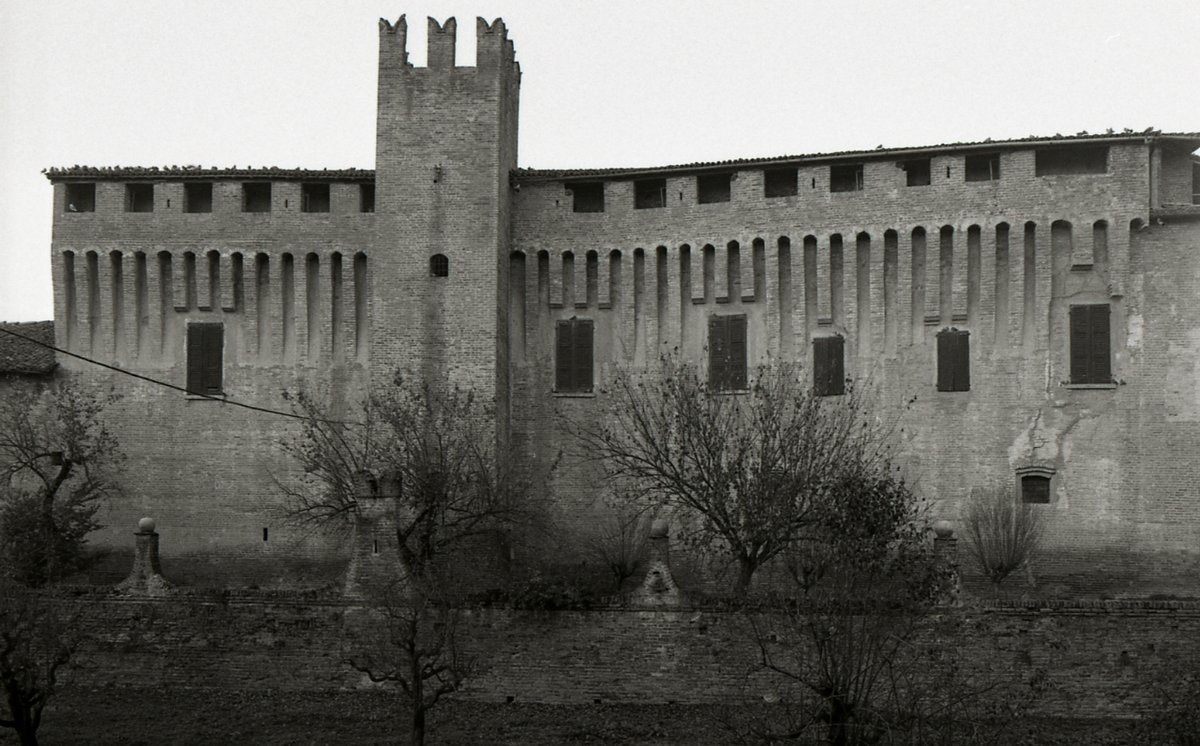
  • Medieval square tower 25 meters high with original arrow slits and battlements
  • Functioning water moat, a rare example in the Lower Lodigiana
  • Isolated location among rice paddies and irrigation canals, ideal for panoramic photography
  • Intact 14th-century architecture with internal courtyard and side dovecote


Events nearby


Copertina itinerario Maccastorna Castle: Medieval Tower with Active Moat Amid Lombardy's Rice Fields
14th-century fortress with a 25-meter-high square tower and functioning moat, nestled in the South Milan Agricultural Park among rice paddies and canals. External visit for unique sunset or autumn fog photography.

Good to know


Introduction

The Castle of Maccastorna emerges as an isolated medieval jewel in the Lodigiana plain, surrounded by rice fields and irrigation canals. Its square tower rises imposingly above the still water-filled moat, creating a timeless atmosphere. Visiting it means immersing yourself in a corner of Lombardy where history blends with the rural landscape, far from the beaten tourist routes. The castle, now privately owned but visible from the outside, offers unique photographic glimpses, especially when the fog envelops the countryside or at sunset, when its stones take on a golden hue.

Historical Overview

The origins of Maccastorna Castle date back to the 13th century, when it was built as a defensive fortress by the Vistarini Counts, a Ghibelline family linked to the Visconti of Milan. In 1400, it came under the control of Filippo Maria Visconti, who used it as a military outpost. In the 16th century, it became the property of the Famigli della Torre, who partially modified its structure. Today, after centuries of changing fortunes, the castle retains its medieval character intact, with the main tower and original moat.

  • 13th century: construction by the Vistarini Counts
  • 1400: Visconti rule
  • 16th century: transfer to the Famigli della Torre
  • Today: private property, preservation of medieval appearance

Architecture and Unique Details

The castle features a quadrangular layout with an inner courtyard, surrounded by a water-filled moat that is still functional—a rare example in the Lower Lodigiana area. The main tower, standing approximately 25 meters high, dominates the structure and displays original arrow slits and battlements. The walls, made of exposed brick typical of the region, are punctuated by Gothic windows added in later periods. A distinctive feature is the side dovecote, a sign of the complex’s original agricultural function. Entry is via a masonry bridge that replaced the ancient drawbridge.

The Landscape Context

The castle stands in the heart of the South Milan Agricultural Park, nestled among rice paddies that flood in spring, creating mirror-like water surfaces, and traditional water meadows where cattle graze. It is traversed by the irrigation canals of the Belgioioso and Muzza streams, which shape the landscape. This wetland environment attracts herons and egrets, making the visit also an opportunity for birdwatching. The unpaved access road, flanked by poplars and tree rows, emphasizes the manor’s isolation, giving the impression of a journey back in time.

Why Visit It

Three concrete reasons to include it in your itinerary: first, it’s a rare example of a castle with an active moat in Lombardy, perfect for military architecture enthusiasts. Second, the countryside panorama from the access road offers unique views, especially with flooded rice fields or autumn mists. Third, its isolated location makes it a peaceful destination, away from the crowds, ideal for a rejuvenating trip between history and nature.

When to Go

The most enchanting time is at sunset, when the slanting light accentuates the tower’s volumes and the moat reflects the sky’s colors. In spring, the flooded rice fields create spectacular light plays, while in autumn, the morning mists lend a mysterious atmosphere. Avoid days of heavy rain, as the dirt road can become muddy.

In the Surroundings

Just a few kilometers away, the Sanctuary of the Blessed Virgin of the Woods in Campagna, a pilgrimage site with 17th-century frescoes. For a culinary experience, stop at a Lodigiana farmhouse in the area to sample the typical Salame di Varzi DOP or local cheeses, paired with wines from Oltrepò Pavese.

Itineraries nearby


💡 Did You Know…?

The castle is linked to the figure of Bernabò Visconti, Lord of Milan, who used it as a strategic outpost to control the Lodigiano territory. Legend has it that secret passages hidden in the dungeons would connect the manor to other fortified buildings in the area. During the Battle of Maclodio in 1427, the castle was the scene of clashes between Milanese and Venetian forces, still bearing traces of those wartime events today.