Estense Castle of Mesola: Renaissance fortress in the Po Delta with historic park

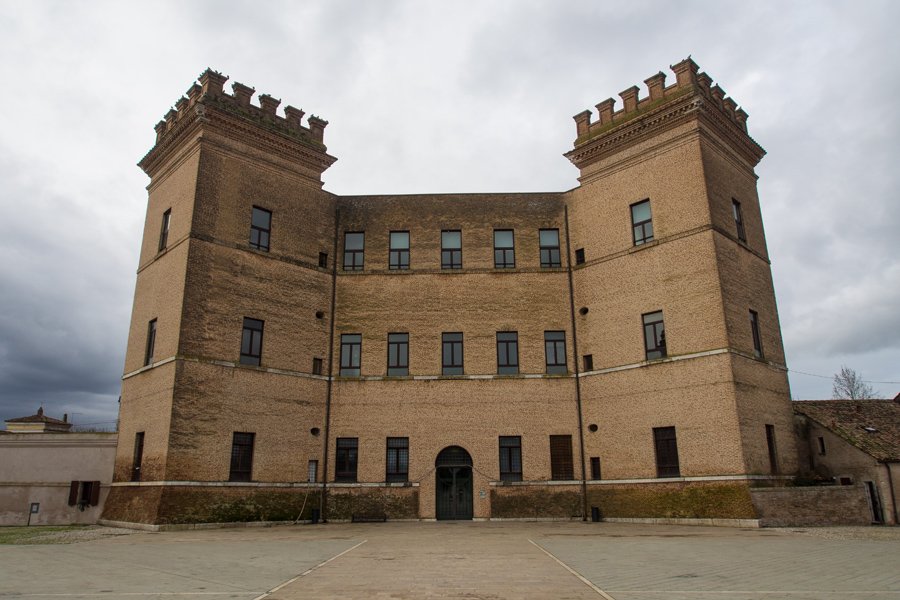
The Estense Castle of Mesola is an imposing Renaissance fortress built between 1578 and 1583 as a hunting residence for the d’Este dukes. Surrounded by a historic park with oak trees, poplars, and water features, it offers an intimate atmosphere away from tourist crowds. Inside, it preserves frescoed halls and spaces that evoke court life, while outside it blends with the natural landscape of the Po Delta.

  • Unique Renaissance architecture in the Po Delta with corner towers and red brick walls
  • Historic park with ancient trees, canals, and opportunities to spot herons and birds typical of the wetland area
  • Interior halls with frescoes, vaulted ceilings, and monumental fireplaces that tell the story of the Este court life
  • Starting point for exploring the Gran Bosco della Mesola Nature Reserve with free-roaming deer and fallow deer
Copertina itinerario Estense Castle of Mesola: Renaissance fortress in the Po Delta with historic park
16th-century Renaissance fortress commissioned by Alfonso II d’Este, surrounded by a park with ancient trees and canals in the heart of the Po Delta. Frescoed halls, authentic atmosphere, and proximity to the Gran Bosco della Mesola Nature Reserve.

Good to know


Introduction

Arriving at the Mesola Estense Castle feels like discovering a hidden gem in the heart of the Po Delta. This imposing Renaissance building, surrounded by a centuries-old park and the canals that define the Ferrara landscape, welcomes you with a unique atmosphere, suspended between history and nature. It’s not just a castle, but an experience that transports you back in time, immersed in a landscape where water and land meet. Its majestic bulk, with corner towers and red brick walls, dominates the plain, offering a visual spectacle that immediately captures your attention. Walking here means breathing the air of the Dukes of Este and discovering a corner of Emilia-Romagna far from the beaten path, perfect for those seeking authenticity.

Historical Overview

The Castle was commissioned by Alfonso II d’Este in the late 16th century, between 1578 and 1583, as a hunting residence and a symbol of power over the Delta territory. It was not a defensive fortress but rather a place of leisure and control, closely linked to the Gran Bosco della Mesola Reserve, where the dukes organized hunting expeditions. Following the end of the Este dynasty, it passed to the Papal State and then to private owners, undergoing various transformations, including a period as an agricultural estate. Today, after restoration work, it is owned by the municipality and hosts cultural events, retaining the timeless charm of the Renaissance era.

  • 1578-1583: Construction commissioned by Alfonso II d’Este
  • Late 16th century: Used as a hunting residence
  • 19th century: Transition to private ownership and agricultural use
  • Today: Municipal management with cultural functions

The Park and Its Nature

The true treasure of the Castle is the historic park that surrounds it, a green area where ancient trees blend with water mirrors. Here, trails lead you through oaks and poplars, perfect for a relaxing stroll or a picnic, with the chance to spot herons and other birds typical of the wetland. It’s not a formal garden, but a wild environment reminiscent of the ancient Hunting Reserve, with canals reflecting the castle towers, creating photogenic views. It’s a place where history merges with the biodiversity of the Po Delta, ideal for those who love nature without giving up a bit of culture. Bring a camera: the colors at sunset, especially in autumn, are breathtaking.

Interiors and Atmospheres

Inside, the Castle preserves frescoed halls and spaces that recount court life, with vaulted ceilings and monumental fireplaces. Don’t expect an overcrowded museum: its essential nature is part of its charm, with environments that evoke Estense splendor without being overwhelming. During guided tours, you’ll discover details like the rooms dedicated to hunting or the areas once used as kitchens, where the atmosphere of an era when Mesola was a crossroads of power still lingers. Temporary exhibitions or events are often held here, enriching the experience with ever-changing content. It’s a place that invites you to pause, observe, and imagine the banquets of the dukes, with windows overlooking the unchanged landscape of the Delta.

Why Visit It

Visit the Mesola Este Castle for three practical reasons: first, it’s a unique example of Renaissance architecture in the Po Delta, away from the crowds, where you can enjoy history in peace; second, the park offers an opportunity for a nature break, perfect for families or those seeking a moment of relaxation at no extra cost; third, cultural events, such as exhibitions or reenactments, allow you to experience the place dynamically, enriching your visit with ever-changing experiences. It’s an ideal stop for those exploring Emilia-Romagna who want to discover lesser-known but character-filled corners.

When to Visit

The most enchanting time for a visit is at sunset, when the warm sunlight enhances the red bricks of the castle and creates golden reflections on the surrounding canals. In terms of season, autumn is magical: the park’s colors burst into red and gold, and the atmosphere becomes more intimate, far from the summer heat. Avoid days of heavy rain, as some trails might become muddy, but a light mist can add a romantic touch to the landscape. In spring, on the other hand, nature is lush and ideal for outdoor walks.

In the Surroundings

To enrich your day, head to the Gran Bosco della Mesola, a natural reserve with trails for hiking or cycling, where you can observe free-roaming fallow deer and red deer, continuing the nature-history theme of the castle. Another option is the Ca’ Vendramin Land Reclamation Museum, just a few kilometers away, which tells the story of hydraulic works in the Delta, offering an in-depth look at the relationship between humans and the environment in this unique area of Emilia-Romagna.

💡 Did You Know…?

A local legend claims the castle was connected by secret passages to the nearby Mesola Wood, used by the dukes for hunting without being seen. In reality, these tunnels have never been found, but they add an aura of mystery to the visit. During restoration work, traces of ancient frescoes emerged beneath the plaster, testifying to how the walls were once vibrantly decorated. Today, only small fragments are visible, making the discovery even more fascinating.