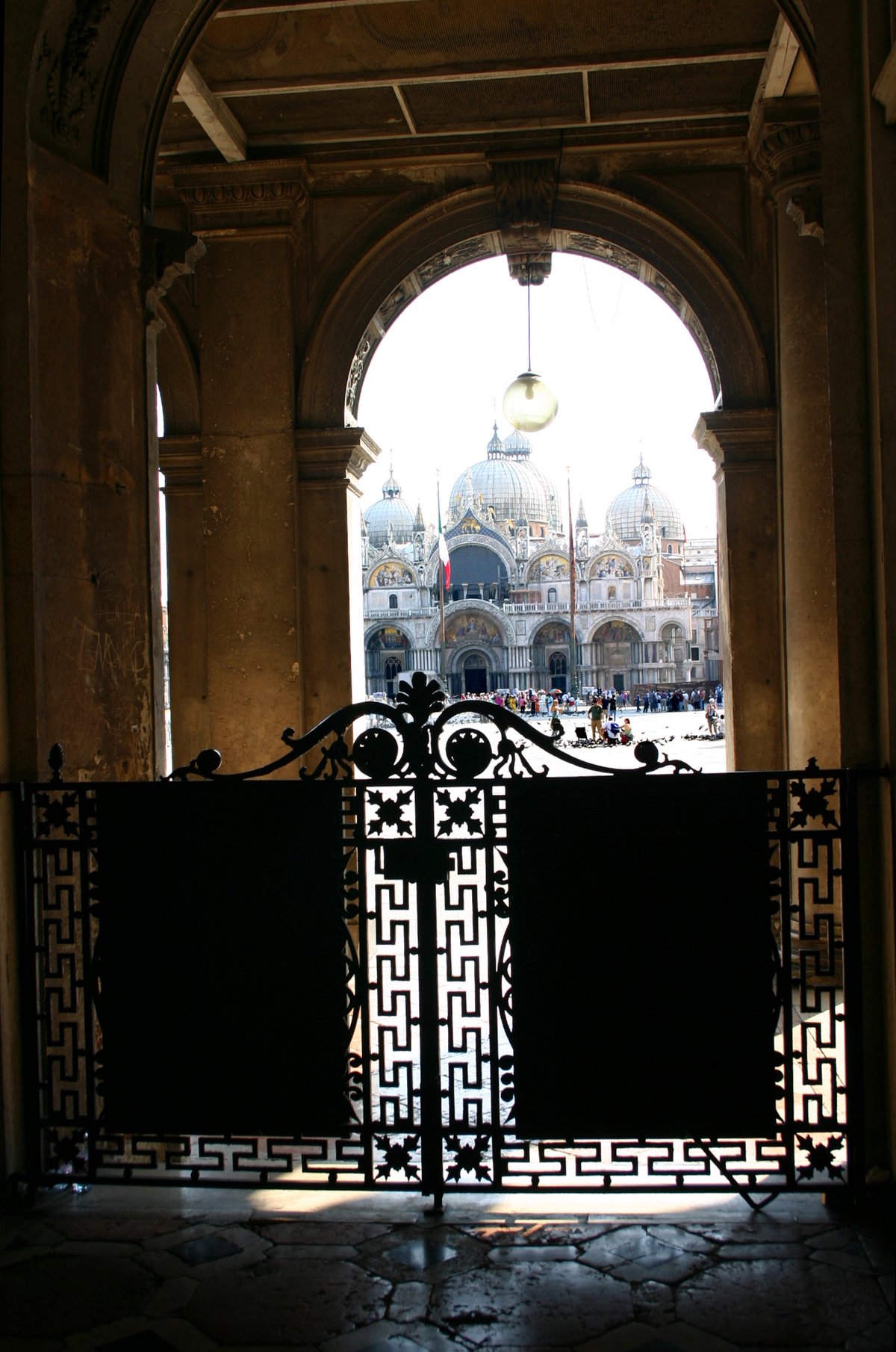
The Museo Correr is Venice’s civic museum, located in St. Mark’s Square. It houses collections ranging from Canova’s neoclassical sculpture to Venetian painting, including the imperial apartments of Sissi. A single ticket grants access to the Doge’s Palace and other museums.
– Admire masterpieces by Canova, such as Daedalus and Icarus
– Visit the Empress Sissi’s Apartments, with original Habsburg furnishings
– Discover the Picture Gallery featuring works by Bellini, Carpaccio, and Antonello da Messina
– Explore the collections on Venetian civilization, from coins to nautical maps
Introduction
If there’s one place in Venice that encapsulates centuries of history and art in a single space, it’s the Correr Museum. Overlooking St. Mark’s Square, in the Napoleonic Wing and the New Procuratie, it’s not just a museum: it’s the story of the city from its origins. Stroll among sculptures by Canova, paintings by Bellini and Carpaccio, and you’ll come across the rooms of Empress Sissi, still furnished as they once were. The same ticket also grants access to the Doge’s Palace, the Archaeological Museum, and the Marciana Library. A window onto the most authentic Venice, a journey without haste.
Introduction
If there’s one place in Venice that encapsulates centuries of history and art in a single space, it’s the Correr Museum. Overlooking St. Mark’s Square, in the Napoleonic Wing and the New Procuratie, it’s not just a museum: it’s the story of the city from its origins. Stroll among sculptures by Canova, paintings by Bellini and Carpaccio, and you’ll come across the rooms of Empress Sissi, still furnished as they once were. The same ticket also grants access to the Doge’s Palace, the Archaeological Museum, and the Marciana Library. A window onto the most authentic Venice, a journey without haste.
Historical Notes
It all began with
Teodoro Correr (1750-1830), a Venetian nobleman and collector, who in 1830 donated his immense art and history collection to the city. After several relocations, the museum opened in 1922 in the
Napoleonic Wing, built at the beginning of the 19th century on the site of the demolished church of San Geminiano. The building, designed by Antolini, Soli, and Santi, became the residence of the Habsburg court. Here are the key moments:
- 1830 – Teodoro Correr leaves his collection to Venice.
- 1922 – The museum finds its permanent home in St. Mark’s Square.
- 2012 – Opening of the restored Queen Sissi’s Rooms.
Historical Notes
It all began with
Teodoro Correr (1750-1830), a Venetian nobleman and collector, who in 1830 donated his immense art and history collection to the city. After several relocations, the museum opened in 1922 in the
Napoleonic Wing, built at the beginning of the 19th century on the site of the demolished church of San Geminiano. The building, designed by Antolini, Soli, and Santi, became the residence of the Habsburg court. Here are the key moments:
- 1830 – Teodoro Correr leaves his collection to Venice.
- 1922 – The museum finds its permanent home in St. Mark’s Square.
- 2012 – Opening of the restored Queen Sissi’s Rooms.
The Rooms of Empress Sissi
The Rooms of Empress Sissi are the royal heart of the museum. Nine rooms on the first floor, restored in 2012, preserve the original furnishings from Elisabeth of Austria’s stay in Venice in 1861-62. Each room has its own personality: from the Throne Room with Lombard-Venetian coats of arms and red upholstery, to the Boudoir with lily-of-the-valley and cornflower decorations, and the bathroom with its marble tub. Frescoes by Giuseppe Borsato and Rubelli tapestries make you feel like a court guest. An atmosphere suspended between Empire and Biedermeier.
The Rooms of Empress Sissi
The Rooms of Empress Sissi are the royal heart of the museum. Nine rooms on the first floor, restored in 2012, preserve the original furnishings from Elisabeth of Austria’s stay in Venice in 1861-62. Each room has its own personality: from the Throne Room with Lombard-Venetian coats of arms and red upholstery, to the Boudoir with lily-of-the-valley and cornflower decorations, and the bathroom with its marble tub. Frescoes by Giuseppe Borsato and Rubelli tapestries make you feel like a court guest. An atmosphere suspended between Empire and Biedermeier.
Between Canova and the Venetian Masters
On the second floor, the Picture Gallery is a jewel designed by Carlo Scarpa between 1957 and 1960. Here you’ll find about 140 works in chronological order, from the 14th to the 16th century: masterpieces such as Giovanni Bellini’s Transfiguration, Carpaccio’s Two Venetian Ladies, and works by Antonello da Messina and Cosmè Tura. Don’t miss the Neoclassical Rooms on the first floor, with the Canova collection: the marble group Daedalus and Icarus and autograph drawings. A journey spanning centuries of Venetian art in an elegant space.
Between Canova and the Venetian Masters
On the second floor, the Picture Gallery is a jewel designed by Carlo Scarpa between 1957 and 1960. Here you’ll find about 140 works in chronological order, from the 14th to the 16th century: masterpieces such as Giovanni Bellini’s Transfiguration, Carpaccio’s Two Venetian Ladies, and works by Antonello da Messina and Cosmè Tura. Don’t miss the Neoclassical Rooms on the first floor, with the Canova collection: the marble group Daedalus and Icarus and autograph drawings. A journey spanning centuries of Venetian art in an elegant space.
Why Visit It
There are at least three good reasons. First: the cumulative ticket gives you access to the Correr Museum, Doge’s Palace, Archaeological Museum, and Marciana Library – a bargain for anyone wanting to see everything. Second: the Empress Sisi’s Rooms are a rare example of a Habsburg royal residence, unique in Venice. Third: the Picture Gallery offers a comprehensive overview of Venetian painting from the Middle Ages to the Renaissance, with works by Bellini, Carpaccio, and Canova. Three worlds in one museum only.
Why Visit It
There are at least three good reasons. First: the cumulative ticket gives you access to the Correr Museum, Doge’s Palace, Archaeological Museum, and Marciana Library – a bargain for anyone wanting to see everything. Second: the Empress Sisi’s Rooms are a rare example of a Habsburg royal residence, unique in Venice. Third: the Picture Gallery offers a comprehensive overview of Venetian painting from the Middle Ages to the Renaissance, with works by Bellini, Carpaccio, and Canova. Three worlds in one museum only.
When to Go
The best time? Early morning, right when it opens at 10 AM, when St. Mark’s Square is still quiet and you can enjoy the rooms at your leisure. Alternatively, take advantage of evening openings (Fridays and Saturdays, from December to January, until 9 PM): the illuminated museum and the empty square create a magical atmosphere. Avoid weekend afternoons when it’s most crowded. Spring and autumn are the ideal seasons to combine a visit with exploring the city.
When to Go
The best time? Early morning, right when it opens at 10 AM, when St. Mark’s Square is still quiet and you can enjoy the rooms at your leisure. Alternatively, take advantage of evening openings (Fridays and Saturdays, from December to January, until 9 PM): the illuminated museum and the empty square create a magical atmosphere. Avoid weekend afternoons when it’s most crowded. Spring and autumn are the ideal seasons to combine a visit with exploring the city.
Around the Area
St. Mark’s Square is the heart of everything. With the same ticket you can visit the National Archaeological Museum and the Monumental Rooms of the Marciana Library, which houses the famous Fra Mauro Map. Just steps away, the St. Mark’s Basilica and the Campanile offer breathtaking views. For a break, stop at Caffè Florian or Quadri, two historic cafes that are part of the square’s atmosphere.
Around the Area
St. Mark’s Square is the heart of everything. With the same ticket you can visit the National Archaeological Museum and the Monumental Rooms of the Marciana Library, which houses the famous Fra Mauro Map. Just steps away, the St. Mark’s Basilica and the Campanile offer breathtaking views. For a break, stop at Caffè Florian or Quadri, two historic cafes that are part of the square’s atmosphere.