The Regional Interdisciplinary Museum of Messina (MuMe) is the second largest museum in Southern Italy, with 5,000 sqm of exhibition space. Its collection features absolute masterpieces such as Caravaggio’s Adoration of the Shepherds and Raising of Lazarus, and Antonello da Messina’s Polyptych of St. Gregory. The exhibition path, organized by color, guides visitors from the Middle Ages to the 19th century.
• Admire the two Caravaggio paintings from 1609
• Admire Antonello’s Polyptych from 1473
• Discover works by Montorsoli and Gagini
• Visit the garden with stone artifacts
An Unexpected Gem
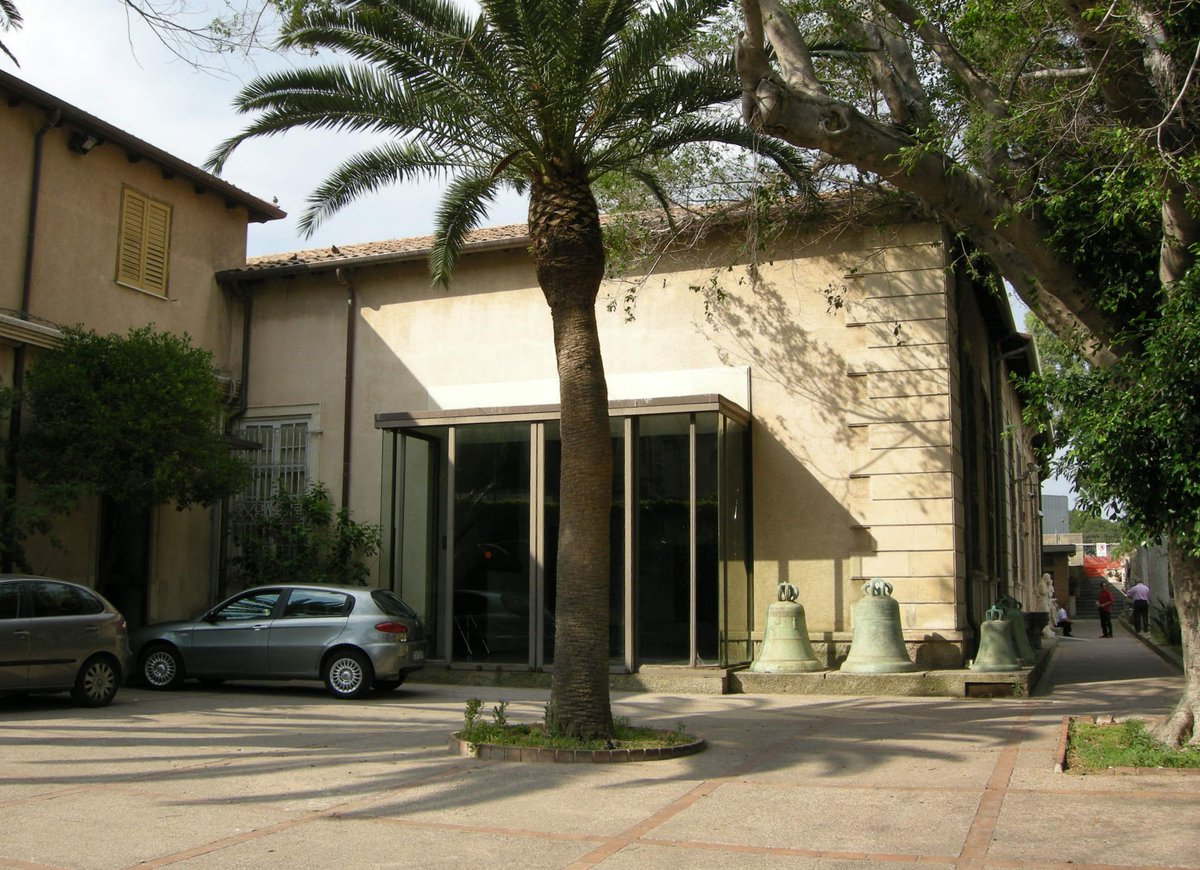
Stepping into the Regional Museum of Messina is like opening a treasure chest. Housed in a 19th-century former silk mill, MuMe welcomes you with a cobblestone courtyard where statues and capitals seem to whisper tales of a distant past. Inside, 750 works from the 12th to 18th centuries await, but two truly steal your heart: Caravaggio’s Resurrection of Lazarus and Antonello da Messina’s Polyptych of Saint Gregory. There are no crowds—just silence and space to let emotion wash over you. Light filters through the large windows, as if painting the canvases. A place that seeps into your soul.
An Unexpected Gem
Stepping into the Regional Museum of Messina is like opening a treasure chest. Housed in a 19th-century former silk mill, MuMe welcomes you with a cobblestone courtyard where statues and capitals seem to whisper tales of a distant past. Inside, 750 works from the 12th to 18th centuries await, but two truly steal your heart: Caravaggio’s Resurrection of Lazarus and Antonello da Messina’s Polyptych of Saint Gregory. There are no crowds—just silence and space to let emotion wash over you. Light filters through the large windows, as if painting the canvases. A place that seeps into your soul.
The Long History of the Museum
Founded in 1806 as the Civic Museum by the Royal Peloritan Academy, it endured a troubled fate. The 1908 earthquake destroyed its original location and many works were lost. Since 1914, the collections have been gathered here, in the area of the Spianata dei Greci, first in a former silk mill and then in the new modern building. Inaugurated in 2017, today the museum is a gem of contemporary architecture perfectly integrated with the ancient remains. A journey of rebirth and passion.
The Long History of the Museum
Founded in 1806 as the Civic Museum by the Royal Peloritan Academy, it endured a troubled fate. The 1908 earthquake destroyed its original location and many works were lost. Since 1914, the collections have been gathered here, in the area of the Spianata dei Greci, first in a former silk mill and then in the new modern building. Inaugurated in 2017, today the museum is a gem of contemporary architecture perfectly integrated with the ancient remains. A journey of rebirth and passion.
Caravaggio’s Two Masterpieces
In Room X, the atmosphere shifts. Here hang the two canvases Caravaggio painted during his stay in Messina in 1609: the Raising of Lazarus and the Adoration of the Shepherds. The first is enormous—3 meters by 2—and strikes you with the contrast between Lazarus’s lifeless body and the burst of light. The second is more intimate, with the Virgin gazing tenderly at her child. Both have been restored and now shine like new. Seeing Caravaggio’s hand up close is a unique thrill.
Caravaggio’s Two Masterpieces
In Room X, the atmosphere shifts. Here hang the two canvases Caravaggio painted during his stay in Messina in 1609: the Raising of Lazarus and the Adoration of the Shepherds. The first is enormous—3 meters by 2—and strikes you with the contrast between Lazarus’s lifeless body and the burst of light. The second is more intimate, with the Virgin gazing tenderly at her child. Both have been restored and now shine like new. Seeing Caravaggio’s hand up close is a unique thrill.
Antonello’s Polyptych and the Color-Coded Journey
The Polyptych of St. Gregory (1473) is the crown jewel of the Sicilian Renaissance. Antonello da Messina painted it for a monastery, and today it stands in a room all to itself. The Madonna and Child in the center, saints on the sides, and the Annunciation above: every detail is perfection. The museum is organized by color: blue for the Middle Ages, green for the Early Renaissance, red for Mannerism, and brown for Caravaggio. A brilliant way to follow art history without getting lost.
Antonello’s Polyptych and the Color-Coded Journey
The Polyptych of St. Gregory (1473) is the crown jewel of the Sicilian Renaissance. Antonello da Messina painted it for a monastery, and today it stands in a room all to itself. The Madonna and Child in the center, saints on the sides, and the Annunciation above: every detail is perfection. The museum is organized by color: blue for the Middle Ages, green for the Early Renaissance, red for Mannerism, and brown for Caravaggio. A brilliant way to follow art history without getting lost.
Why It’s Worth a Visit
Three reasons not to miss it. First: the absolute masterpieces by Caravaggio and Antonello, which alone justify the trip. Second: the Sicilian goldsmith collection from the 15th to the 19th century, with precious pieces like the Flowering Branch in gold and emeralds. Third: the outdoor garden with statues and sarcophagi, an open-air museum that tells the story of the city destroyed by the earthquake. And the ticket costs only 9 euros: a bargain.
Why It’s Worth a Visit
Three reasons not to miss it. First: the absolute masterpieces by Caravaggio and Antonello, which alone justify the trip. Second: the Sicilian goldsmith collection from the 15th to the 19th century, with precious pieces like the Flowering Branch in gold and emeralds. Third: the outdoor garden with statues and sarcophagi, an open-air museum that tells the story of the city destroyed by the earthquake. And the ticket costs only 9 euros: a bargain.
The Best Time to Go
Early morning, around 9:00, when the halls are nearly empty and the raking light caresses the artworks. Avoid the weekend if you can: on Sunday the museum closes at 1:00 PM, but hours change often, so check the website. In summer, late afternoon is ideal because after the visit you can enjoy the waterfront at sunset. Bring a sweater: the air conditioning is strong.
The Best Time to Go
Early morning, around 9:00, when the halls are nearly empty and the raking light caresses the artworks. Avoid the weekend if you can: on Sunday the museum closes at 1:00 PM, but hours change often, so check the website. In summer, late afternoon is ideal because after the visit you can enjoy the waterfront at sunset. Bring a sweater: the air conditioning is strong.
In the Vicinity: Cathedral and Neptune Fountain
Just steps away, the Messina Cathedral with its bell tower and astronomical clock: every day at noon the statues move and the crowd stands in awe. A little further, Montorsoli’s Neptune Fountain: the original Scylla is in the museum, but the copy is majestic and overlooks the Strait. Perfect for a walk before or after visiting MuMe.
In the Vicinity: Cathedral and Neptune Fountain
Just steps away, the Messina Cathedral with its bell tower and astronomical clock: every day at noon the statues move and the crowd stands in awe. A little further, Montorsoli’s Neptune Fountain: the original Scylla is in the museum, but the copy is majestic and overlooks the Strait. Perfect for a walk before or after visiting MuMe.