
The Oricola Town Hall is the administrative and social heart of the medieval village, located in Piazza Umberto I. Its architecture of local stone and interiors with historical details offer an authentic glimpse into Abruzzo community life, away from mass tourism.
- Facade of local stone with massive wooden portal and carved municipal coat of arms
- Atrium with cross vaults and original terracotta floors
- Civic tower with views over the Salto Valley and Carseolani Mountains
- Venue for events such as the Feast of San Rocco and historical photography exhibitions
Events nearby

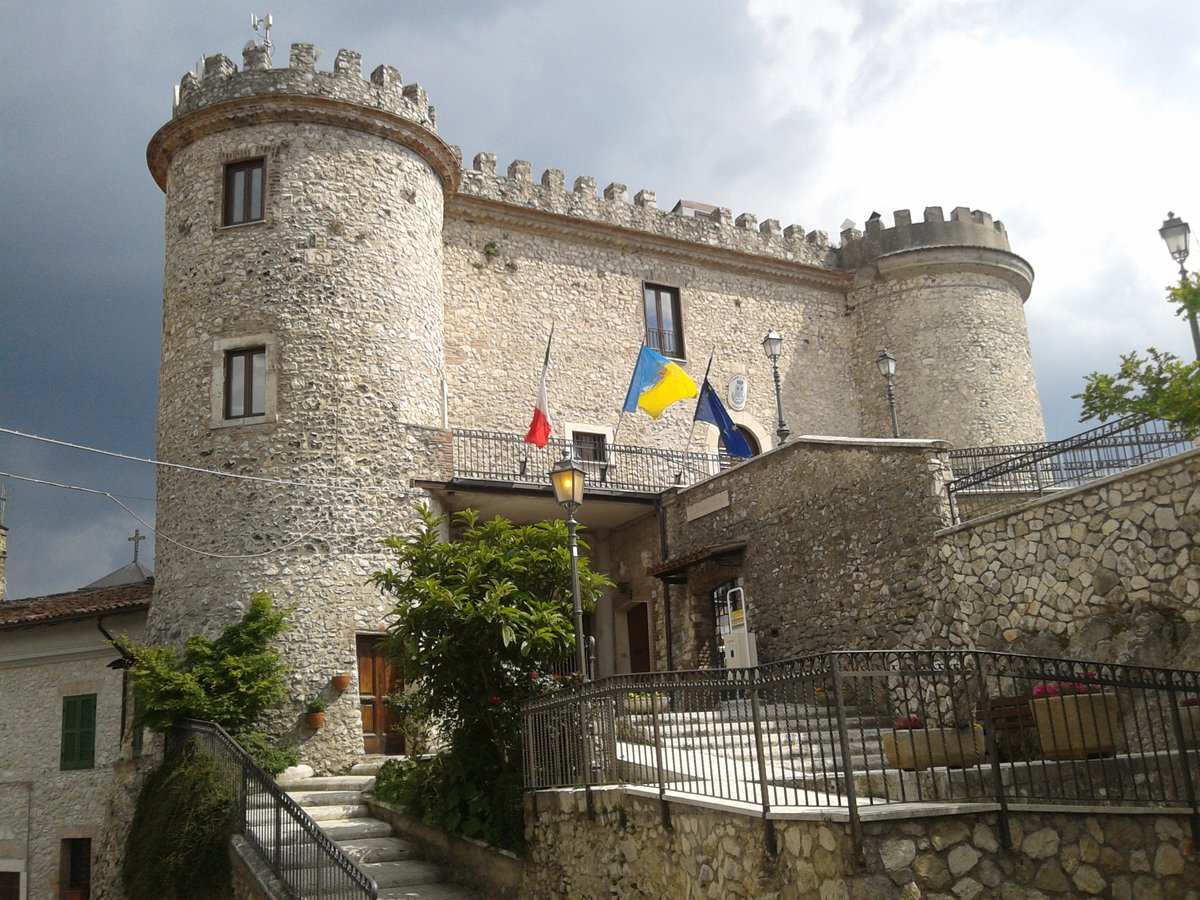
The Town Hall of Oricola, in the medieval Abruzzo village, features a facade of local stone, a massive wooden portal, and a carved municipal coat of arms. Discover the cross-vaulted atrium and the view from the civic tower.
- https://www.comune.oricola.aq.it/hh/index.php
- Strada Provinciale 27 del Cavaliere, L’Aquila (AQ)
- Open in Google Maps
- View on Google Images city hall a L’Aquila
Good to know
Introduction
As soon as you enter the medieval village of Oricola, the City Hall immediately catches your eye. It’s not just an administrative building, but the beating heart of the town, with its stone facade telling centuries of history. Located in the historic center, it dominates Piazza Umberto I with a discreet elegance typical of Abruzzese architecture. Its civic tower, slender and well-preserved, is a visual landmark for those exploring the cobblestone alleys. Visiting it means immersing yourself in the authentic atmosphere of a village that has maintained its character intact, far from the more beaten tourist routes. It’s a place that exudes a sense of community and continuity, perfect for those seeking the true essence of Abruzzo.
Historical Overview
Oricola’s City Hall has its roots in the Middle Ages, when the village was a fiefdom of the Counts of Marsi. The current building, however, dates mainly to the 19th century, when it was renovated to adapt it to modern administrative functions. For decades, it hosted town council meetings and public offices, becoming a symbol of local autonomy. During World War II, it suffered limited damage, unlike other buildings in the area, and was promptly restored to maintain its connection with the community. Today, in addition to its institutional role, it also serves as a gathering point for cultural events and temporary exhibitions.
- Middle Ages: Fiefdom of the Counts of Marsi
- 19th century: Renovation and adaptation as municipal headquarters
- World War II: Limited damage and subsequent restoration
- Today: Venue for cultural events and exhibitions
Architecture and Details
The building stands out for its elegant simplicity, with a facade made of local stone that blends seamlessly with the medieval surroundings. You’ll immediately notice the massive wooden entrance portal, topped by a carved municipal coat of arms depicting symbols related to the area’s agricultural and pastoral traditions. Inside, the atrium preserves cross-vaulted ceilings and original terracotta floors, while the main rooms are furnished with period furniture and historical documents displayed on the walls. The civic tower, accessible on special occasions, offers a breathtaking view of the Salto Valley and the Carseolani Mountains. It’s an example of how Abruzzese public architecture combines functionality and beauty without excess.
Daily Life and Traditions
The City Hall is not just a monument, but a living place. Here, events like the Feast of San Rocco take place in August, when the square in front comes alive with market stalls and traditional music. Locals consider it a meeting point, where they can chat or participate in public assemblies. Inside, you can occasionally admire photographic exhibitions documenting the history of Oricola, with vintage images depicting rural life and the transformations of the village. If you happen to be there on a Friday, you might witness the weekly market held nearby, an opportunity to taste local cheeses and cured meats. It’s a place that breathes the authenticity of rural Abruzzo.
Why Visit It
Visit Oricola’s City Hall to immerse yourself in an authentic village, far from mass tourism. It’s ideal for those who love straightforward historical architecture, with details like the municipal coat of arms and interior vaults that tell local stories. Moreover, its central location allows you to easily explore the rest of the town, discovering hidden corners and artisan workshops. If you’re passionate about photography, the civic tower and the square offer perfect views for memorable shots. Finally, it’s a way to support the community by participating in events that celebrate Abruzzo traditions.
When to Go
The best time to visit is in spring or early autumn, when the warm sunlight enhances the colors of the stone and the village is less crowded. Avoid rainy days, as the cobblestone alleys can be slippery. If you want to experience the livelier atmosphere, plan your trip to coincide with local events, such as patron saint festivals, but keep in mind that access to interiors may be limited during these occasions. A clear day will offer sharp views of the surrounding mountains, making the experience even more enchanting.
In the Surroundings
Complete your visit with a stop at Oricola Castle, just a short distance from the town hall, which overlooks the village with its medieval walls and offers panoramic views of the valley. For a culinary experience, stop by one of the local farms to taste pecorino cheese and extra virgin olive oil, typical products of the area. If you love nature, the trails of the Carseolani Mountains are ideal for short hikes, with routes suitable for all levels and spectacular views.
Itineraries nearby


💡 Did You Know…?
The uniqueness of the Oricola Town Hall lies in its continuity of use: the building has always housed municipal institutions since the unification of Italy. Archive documents testify how the square in front has been for centuries the place of the town’s main collective decisions. Even today, during municipal council meetings, one can breathe that atmosphere of civic participation that characterizes small mountain communities.