
If you’re passing through Teglio, don’t miss Palazzo Besta: one of Valtellina’s most fascinating Renaissance residences. Here’s what awaits you:
- 16th-century frescoes by the Campi brothers and Cipriano Valorsa
- Well-kept Italian garden, perfect for a break
- Ethnographic museum with objects from rural life
- Few visitors, intimate and authentic atmosphere
Events nearby

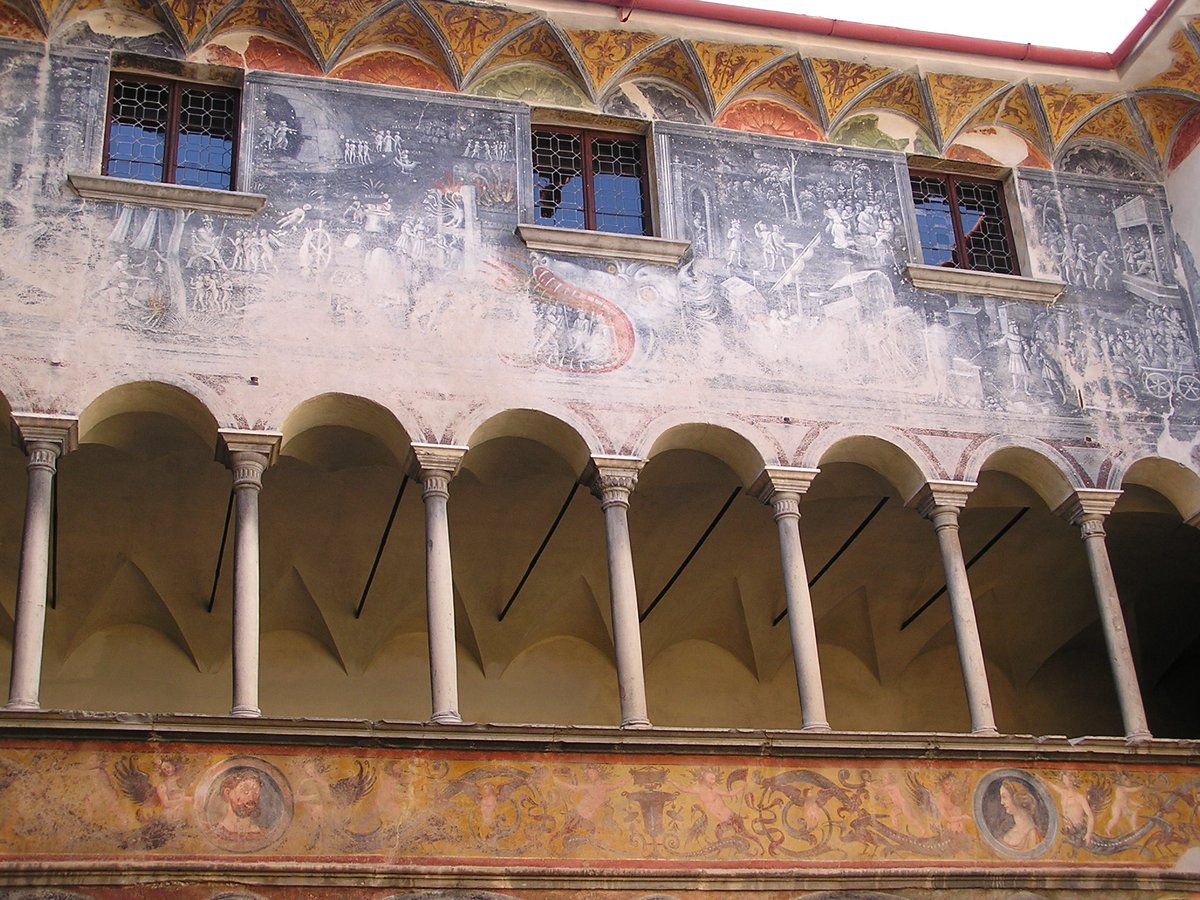
Palazzo Besta in Teglio, Valtellina, is a Renaissance gem with 16th-century frescoes and an Italian garden. A must-visit for art and history lovers.
- https://musei.lombardia.beniculturali.it/musei/palazzo-besta/
- pm-lom@beniculturali.it
- Via Fabio Besta 8, Sondrio (SO)
- +39 0342 781208
- Open in Google Maps
- View on Google Images Palazzo Besta a Sondrio
Good to know
Introduction
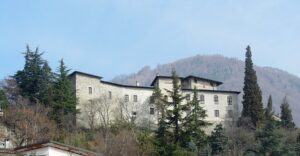
If you happen to pass through Teglio, in Valtellina, you can’t miss Palazzo Besta. As soon as you enter, you’ll be enchanted: it’s one of those Renaissance residences that transports you to another era. The frescoes on the walls, the Italian garden meticulously cared for… in short, a place that speaks for itself. It’s not a dusty museum, but a living house, full of stories to discover. And then, I admit, the view of the surrounding mountains immediately makes you understand why it was built right here.
Historical Notes
Palazzo Besta was built between 1433 and 1440 at the behest of the Besta family, wealthy merchants tied to the Milanese government. During the 16th century, it was expanded and adorned with frescoes from the Lombard school, among which the Sala dei Giudici stands out. Today, it is state-owned and open to the public. Here is a timeline of the key moments:
- 1433: Construction begins by the Besta brothers
- 16th century: Renaissance renovation and fresco cycle
- 20th century: Restoration and opening to the public
The Italian Garden
The garden is a small masterpiece: geometric flowerbeds, box hedges, and a central fountain. I recommend sitting for a moment on the stone bench, perhaps with a book, and enjoying the silence broken only by the gurgle of water. What I love most is the contrast between the geometric order of the garden and the wild chaos of the surrounding mountains. A place that lets you breathe art and nature at the same time.
Frescoes and Secret Rooms
Inside, the Stucco Hall and the Fireplace Hall are wonderful. But my favorite is the Landscape Hall, with frescoes that seem to open the walls onto views of the Valtellina valley. Don’t miss the original kitchen with its large fireplace, where you can still almost smell the bread baking. Oh, and if you pay attention, curious little details hide in the halls of the noble floor: fantastical animals and heraldic symbols that tell the story of the Besta family.
Why Visit
Three good reasons? First: it is one of the few Renaissance residences in Lombardy still perfectly preserved. Second: admission is very cheap (about 5 euros), and guided tours are often included. Third: Teglio is famous for its pizzoccheri, so you can combine culture and gastronomy. A tip: book your visit on weekdays to avoid the weekend crowds and enjoy the palace almost alone.
When to Go
The most magical time is late afternoon, when the warm sunlight filters through the windows and brings the frescoes to life. If you visit in spring or autumn, the garden is at its peak and the valley is painted in incredible colors. Avoid deep winter if you dislike the cold, but a sunny day after a snowfall makes everything magical.
Around the Area
Just a short walk from Palazzo Besta in Teglio, you’ll find the Museo Civico, featuring archaeological finds and a section dedicated to the valley’s history. If you feel like walking, the Sentiero Valtellina (a cycling and walking path) runs alongside the Adda River and takes you through the vineyards. Stop at one of the wineries for a taste of sfursat, the local passito wine.
Itineraries nearby
💡 Did You Know…?
It is said that in the 1600s the palace hosted lavish parties and that its owner, the nobleman Giovanni Battista Besta, loved organizing hunting parties in the surrounding woods. Even today, in the cellars, the footsteps of the servants of that time are said to echo.