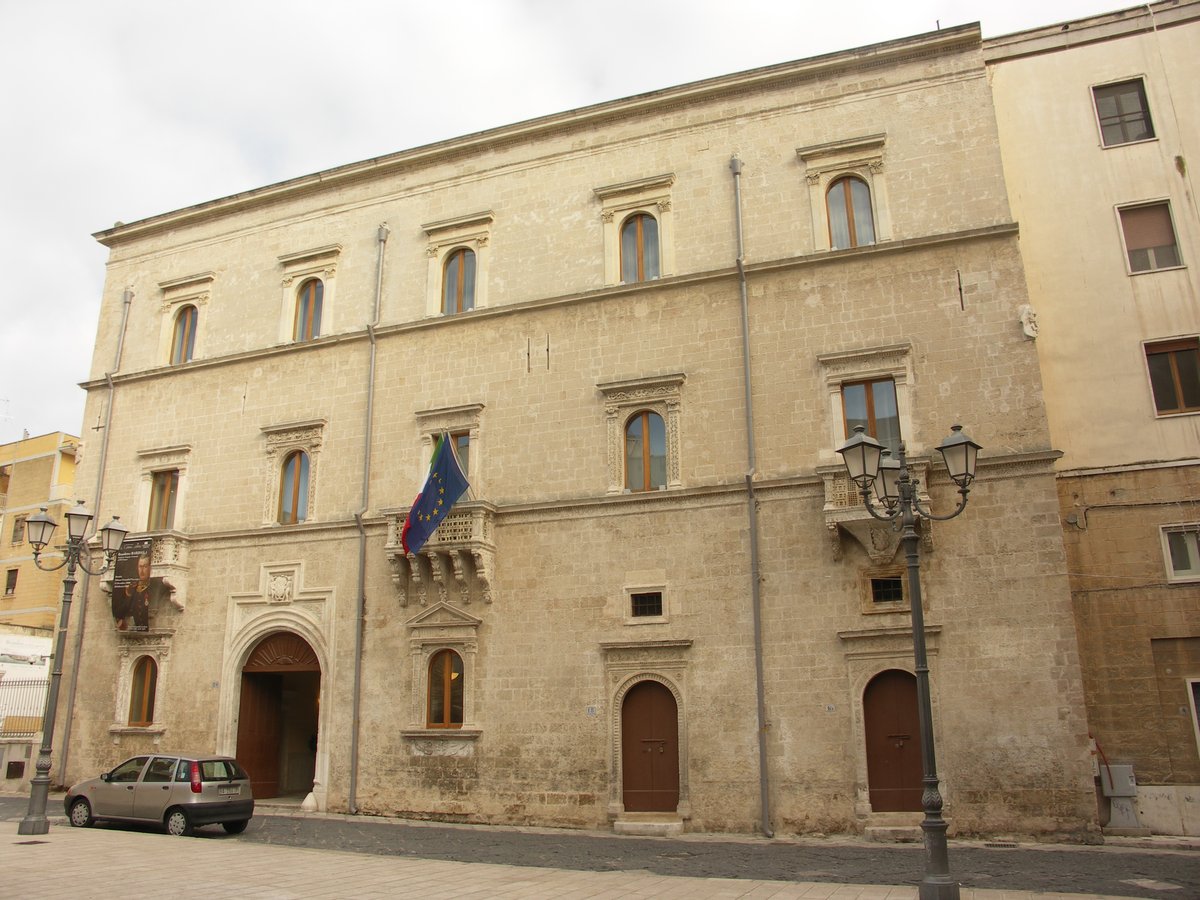
In the heart of Brindisi, Palazzo Granafei-Nervegna is an example of Renaissance architecture that tells centuries of history. Built in the 16th century, it is now a vibrant cultural hub, perfect for a quick visit during a city tour. The porticoed courtyard is an ideal resting spot, while the interior halls host temporary exhibitions and events. The location is convenient: just steps from the waterfront and the port, it is easily reached on foot. Here’s what not to miss: • The Renaissance facade with decorative elements typical of the 1500s • The internal courtyard with columns and arches, a peaceful corner • The art and cultural exhibitions that enliven the halls • The proximity to the port, perfect for a walking itinerary
Introduction
Do you ever wander through Brindisi’s historic center and feel almost catapulted into another era? I do, especially when I come across Palazzo Granafei-Nervegna. This Renaissance building isn’t just a piece of history; it’s a true cultural landmark that still breathes life today. You’ll find it just steps from the port, in a strategic location that must have once been a real crossroads of commerce and power. The first thing that strikes you is its sober yet elegant facade, with that stone portal that seems to invite you inside. And then there’s the inner courtyard, with its arches and columns creating incredible plays of light. It’s not just a palace; it’s a living place, where exhibitions and events are often held. Personally, I like to think of it as a silent witness to the city, having seen centuries of history pass by without ever losing its charm. If you’re in Brindisi, you can’t miss it: it’s one of those places that immediately helps you understand the soul of the place.
Historical Overview
The history of Palazzo Granafei-Nervegna reads like a novel, with powerful families and changes in ownership shaping its destiny. Built in the
16th century, it owes its name to the two families who owned it: the Granafei, who commissioned its construction, and the Nervegna, who later purchased it. It’s not just a noble residence; it also served public functions, such as housing the courthouse. During restoration, frescoes and architectural details emerged, revealing a rich and complex past. I’m always struck by how much life has passed within these walls, from Renaissance festivities to judicial hearings. Today, after careful restoration, it has become a cultural hub, hosting temporary exhibitions and events. Its timeline is summarized as follows:
- 16th century: construction commissioned by the Granafei family
- 18th century: purchase by the Nervegna family
- 19th-20th century: use as a courthouse
- 2000s: restoration and conversion into a cultural space
The Porticoed Courtyard: An Oasis in the Chaos
If there’s one corner of Palazzo Granafei-Nervegna that steals my heart, it’s undoubtedly the porticoed courtyard. As soon as you cross the entrance, you find yourself in an open space surrounded by elegant arches that seem to embrace the sky. Light filters through the columns, creating soft shadows that change with the passing hours. It’s a tranquil place, almost suspended in time, where the city’s noise fades away and you can breathe an atmosphere of peace. In winter, when the sun is low, the rays illuminate the pale stone, offering a warm and welcoming effect. In summer, on the other hand, it’s a cool refuge, perfect for a break in the shade. I’ve noticed that small events or artistic installations are often organized here, making the courtyard even more vibrant. It’s not just an architectural element, but a true open-air living room, where you can stop to observe the details or simply enjoy the silence. For me, it’s the beating heart of the palace, a place that unites beauty and functionality perfectly.
Cultural Events: The Breathing Palace
One of the things that makes Palazzo Granafei-Nervegna special is that it’s not a static museum, but a constantly evolving place. Throughout the year, it hosts temporary exhibitions, concerts, and cultural events that attract both locals and tourists. I remember once attending a contemporary art exhibition right in its halls, and the effect was striking: the ancient dialogues with the modern in a harmonious way. The interior spaces, with their high ceilings and sober walls, lend themselves perfectly to being transformed into galleries or auditoriums. I like to think that this palace isn’t just a monument to admire, but an active protagonist in Brindisi’s cultural life. If you’re planning a visit, always check the events calendar: you might find a photographic exhibition or a performance that enriches the experience. It’s a way to see the palace in a different light, more dynamic and engaging. Personally, I find this vitality is what sets it apart from other historical buildings, making it a must for those who love art and culture.
Why Visit It
Visiting Palazzo Granafei-Nervegna is worthwhile for at least three concrete reasons. First, the Renaissance architecture is a well-preserved example of how people lived and built in Brindisi during the sixteenth century, with details like the stone portal and courtyard that make you feel transported to another era. Second, it’s an active cultural hub: it’s not just an empty palace but hosts exhibitions and events that make it lively and interesting even for those not passionate about history. Third, its strategic location in the historic center, near the port, makes it easy to include in a walking itinerary, perhaps combining it with other nearby attractions. Additionally, admission is often free or low-cost, making it accessible to everyone. For me, it’s a way to immerse yourself in authentic Brindisi, away from the more touristy routes, and discover a piece of the city with so much to tell.
When to go
There’s no wrong time to visit Palazzo Granafei-Nervegna, but if you want to experience its most enchanting side, I recommend going in the late afternoon. The setting sun bathes the porticoed courtyard in warm tones, creating a magical atmosphere perfect for photos. In summer, avoid the hottest hours of the day: the palace can be crowded and the heat makes the visit less enjoyable. In spring or autumn, however, the mild temperatures allow you to enjoy both the interiors and the courtyard at a leisurely pace. I’ve noticed that weekends often host events, so if you enjoy liveliness, you might plan your visit for those days. Personally, I prefer weekdays, when there are fewer people and you can better appreciate the tranquility of the place. In any case, always check the opening hours, as they may vary depending on ongoing exhibitions.
In the Surroundings
After visiting Palazzo Granafei-Nervegna, don’t miss two nearby experiences that will enrich your day. Just a few minutes’ walk away is the Roman Column, a historical symbol of Brindisi that takes you back to the city’s ancient era: it offers a beautiful contrast to the palace’s Renaissance style. Then, if you’re in the mood for a bit of sea, head over to the Port of Brindisi, where you can watch ferries departing and soak in the maritime atmosphere. For a themed experience, look for street food stalls in the adjacent streets: tasting a mussel sandwich or a rustico leccese is the perfect way to conclude your visit. All these places are within walking distance, no transportation needed, allowing you to discover different facets of Brindisi in just a few hours.